How to Increase GLP-1 Naturally
Learn how to increase GLP-1 naturally through diet, exercise, and lifestyle habits — explained by a registered dietitian with the latest research.

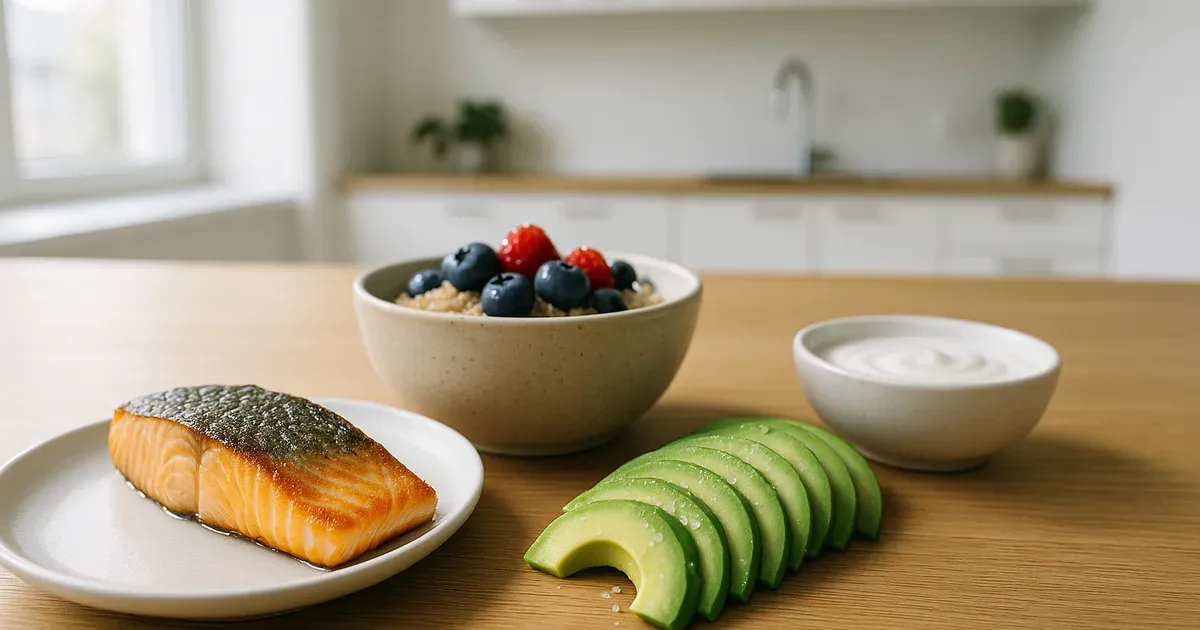
Your body already makes GLP-1 — and the right habits can push those levels higher. While prescription medications like Ozempic deliver pharmacological doses of GLP-1 activity, a growing body of research shows that diet, exercise, and lifestyle choices can meaningfully stimulate your body's own production of this appetite-regulating hormone. The results won't mirror medication, but they can support gradual, sustainable weight management without a monthly bill of up to $1,500.
If you're weighing medication against a natural approach — or simply want to support your metabolic health from the inside out — this guide breaks down exactly how to increase GLP-1 naturally, backed by current science and registered dietitian insight.
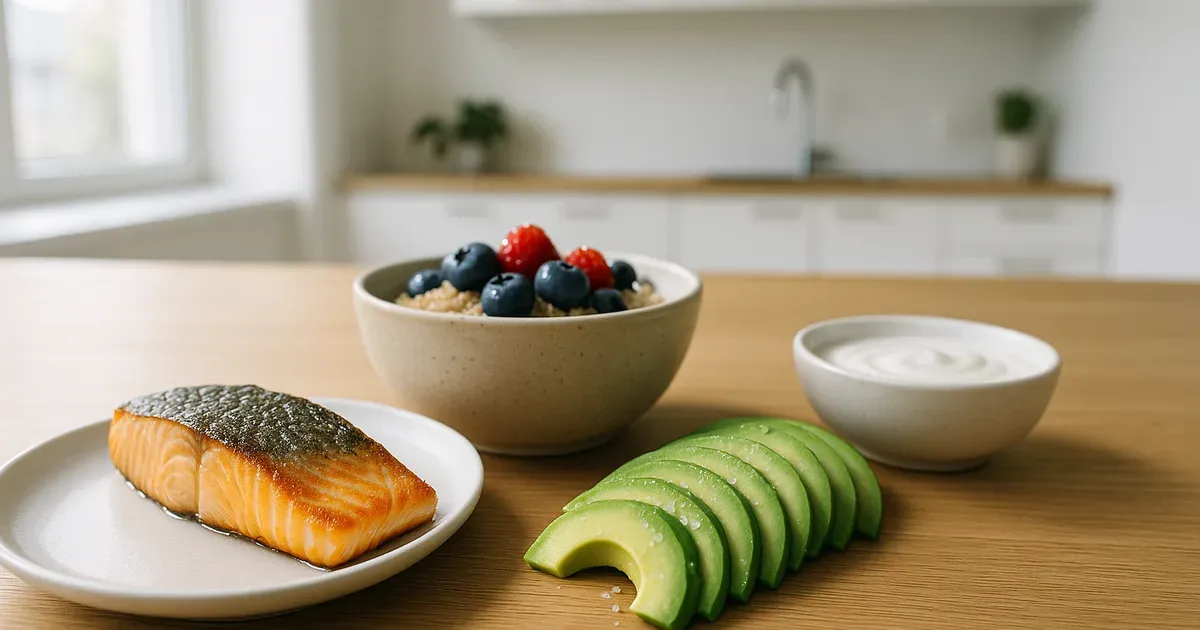
What Is GLP-1 and Why Does It Matter for Weight Loss?
GLP-1, or glucagon-like peptide-1, is a hormone your gut releases every time you eat. It stimulates insulin secretion, suppresses glucagon release, slows digestion, and sends fullness signals to your brain. Those four actions work together to stabilise blood sugar and reduce appetite — which is precisely why pharmaceutical companies engineered drugs to mimic it.
GLP-1 is produced by specialised cells in your small intestine called L-cells. These L-cells act like nutrient sensors: when protein, fat, carbohydrates, or fibre flow past them, they release GLP-1 into the bloodstream. That hormone then travels to the pancreas, brain, and stomach to coordinate your body's post-meal response.
People with better glucose tolerance tend to have higher baseline GLP-1 levels, which translates to more natural appetite control. Conversely, impaired glucose regulation blunts GLP-1 effectiveness — one reason GLP-1-based interventions show particularly strong results in people with prediabetes or early type 2 diabetes.
How Diet and Exercise Influence Your Natural GLP-1 Levels
Exercise is one of the most evidence-backed ways to increase GLP-1 naturally. A 2021 review and a 2025 meta-analysis both found that physical activity — whether a single workout or a consistent routine — boosts GLP-1 levels in people with type 2 diabetes. Importantly, researchers note these effects extend to the broader population as well.
Gianna Masi, RDN, at Stronger U explains it this way: "Regular physical activity, including both aerobic exercise and resistance training, increases GLP-1 and insulin sensitivity and post-meal GLP-1 response." Exercise also improves how efficiently your body uses glucose, producing an effect that mirrors some of GLP-1's metabolic benefits.
On the dietary side, certain food categories stimulate L-cell activity and promote GLP-1 release after meals. Recent studies have also pointed to natural compounds — including berberine and tea polyphenols — as potential modulators of GLP-1 secretion, though research is still emerging.
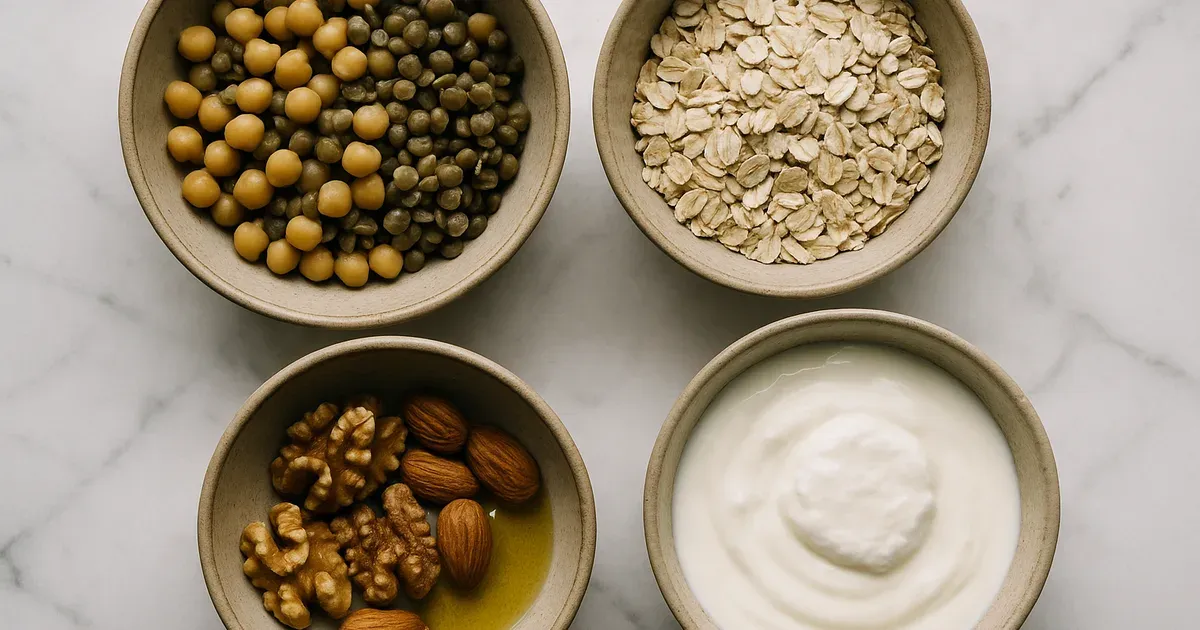
4 Food Categories That Help Increase GLP-1 Naturally
Note: Current research on diet and GLP-1 is still developing. The food strategies below support overall metabolic health and show early promise for GLP-1 stimulation, but should not be considered equivalent to medication-level effects.
1. Protein-Rich Foods
High-protein meals are among the most reliable dietary triggers for GLP-1 release. Both animal and plant proteins appear to stimulate L-cells, and current evidence does not clearly favour one source over the other. What matters more is protein quality — complete sources like lean meats, fish, eggs, tofu, tempeh, and whey provide the amino acid profiles that drive a stronger hormonal response.
Aim for 25–30 grams of protein per meal. Beyond GLP-1, adequate protein supports muscle protein synthesis and satiety, making it a foundational strategy for any weight management plan.
2. Fibre-Rich Foods
Soluble fibre from oats, legumes, and vegetables promotes GLP-1 release by fermenting in the colon and producing short-chain fatty acids that activate L-cells. One study found that 20 grams per day of oligofructose — a prebiotic fibre found in foods like chicory root, garlic, and onions — significantly elevated post-meal GLP-1 levels.
Research hasn't yet defined a precise threshold for GLP-1 stimulation from fibre, but higher daily intake is consistently associated with better glucose regulation and appetite control.
3. Healthy Fats
Monounsaturated fats and omega-3 fatty acids stimulate GLP-1 release through fatty acid receptors on enteroendocrine cells. Olive oil, avocados, nuts, and fatty fish like salmon are the most accessible sources. Early human studies are promising, though researchers note more trials are needed to confirm the magnitude of GLP-1 elevation from dietary fat specifically.
Including these fats at meals also slows gastric emptying independently — a useful complement to GLP-1's own digestive effects.
4. Fermented Foods
Yogurt, kefir, kimchi, and fermented vegetables may enhance GLP-1 through gut microbiome diversity. A healthier microbiome produces more beneficial metabolites — molecules that support cellular communication and energy production — which in turn can amplify L-cell activity. One study found that eating one cup of yogurt with live cultures daily increased fasting GLP-1 compared to calorie restriction alone.
Expect modest effects. Fermented foods are not a shortcut, but as a daily habit they contribute meaningfully to the gut environment that supports hormone production.

Exercise Strategies to Boost GLP-1 Production
Both aerobic and resistance training contribute to natural GLP-1 elevation, making a mixed exercise routine the most effective approach. Aerobic exercise — brisk walking, cycling, swimming — improves insulin sensitivity and has the most direct link to acute GLP-1 spikes post-workout. Resistance training builds muscle mass, which improves glucose uptake and supports long-term metabolic health.
Consistency matters more than intensity. The research showing GLP-1 benefits from exercise includes moderate-intensity activity, not just high-intensity sessions. Even a single workout can produce a temporary increase, while a regular routine compounds those effects over time.
For practical programming, aim for at least 150 minutes of moderate aerobic activity per week, combined with two to three resistance training sessions. This aligns with general health guidelines and maximises the metabolic overlap between exercise and GLP-1 function.
Lifestyle Factors That Support Your Body's GLP-1 Response
Glucose tolerance is the hidden variable in natural GLP-1 effectiveness. The better your body regulates blood sugar, the more responsive your L-cells tend to be. Habits that improve insulin sensitivity — consistent sleep, stress management, and reduced intake of ultra-processed foods — therefore support GLP-1 function indirectly but significantly.
Sleep deprivation impairs glucose metabolism and is associated with increased appetite, partly through hormonal disruption. Prioritising seven to nine hours of quality sleep per night creates a hormonal environment more conducive to GLP-1 activity.
Managing chronic stress matters too. Elevated cortisol promotes insulin resistance, which blunts GLP-1 effectiveness. Practices like structured breathing, walking, or mindfulness aren't just stress relievers — they're metabolic interventions with downstream effects on appetite regulation.

Natural GLP-1 vs. Medication: How to Think About the Difference
The core difference is magnitude, not mechanism. GLP-1 medications deliver sustained, pharmacological levels of GLP-1 activity that significantly exceed what diet and exercise can produce. For people with obesity, type 2 diabetes, or metabolic conditions that haven't responded to lifestyle changes, medication offers a clinically meaningful advantage.
That said, natural approaches carry their own distinct advantages. They're low-cost, free of the gastrointestinal side effects that affect 20–44% of GLP-1 medication users, and they build the kind of metabolic resilience that persists long after any single intervention ends.
Natural and pharmaceutical approaches are not mutually exclusive. Many clinicians recommend that patients on GLP-1 medications also adopt the dietary and exercise habits described here — both to maximise results and to maintain them if medication is eventually discontinued.
Bottom Line
Your body's GLP-1 system is responsive to what you eat, how you move, and how you live. Protein-rich meals, soluble fibre, healthy fats, fermented foods, regular exercise, quality sleep, and better glucose control all contribute to a hormonal environment that supports appetite regulation and metabolic health.
Natural methods won't replicate the scale of effect seen with GLP-1 medications — and for some people, medication is the right clinical choice. But for those seeking a sustainable, accessible foundation, the strategies above work in the same biological direction, and they support your health whether or not a prescription is part of your plan.
Start with the fundamentals: add 25–30g of protein to each meal, increase soluble fibre intake, move your body consistently, and give your gut microbiome the fermented foods it needs to thrive. These aren't workarounds — they're the system working as designed.