How to Increase GLP-1 Naturally (Without Medication)
Learn how to increase GLP-1 naturally using diet, exercise, and gut microbiome strategies — no medication needed. Evidence-based steps inside.

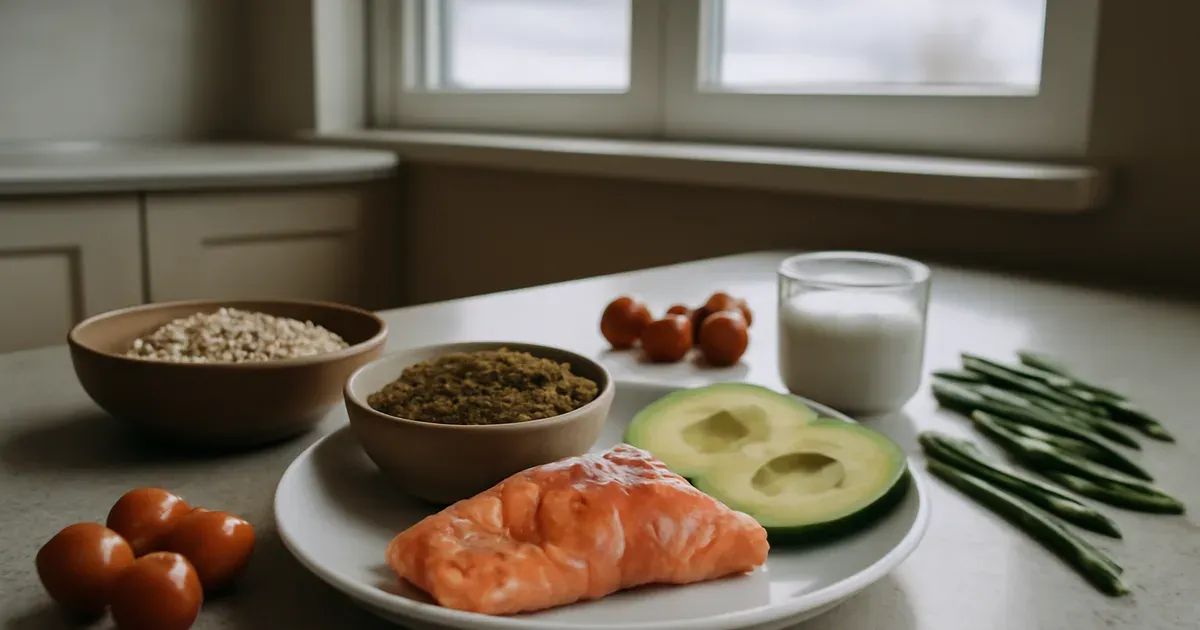
You've tried cutting calories. You've tracked macros, skipped dessert, and pushed through workouts — only to find your hunger wins every single time. If appetite feels like a force you can't control, you're not imagining things. Your hormones may be working against you.
The frustrating truth is that most weight-loss advice ignores the hormonal side of the equation entirely. GLP-1 — the same hormone that expensive injections try to mimic — is something your body already produces. The question is whether your diet, movement, and gut health are giving it the support it needs.
This guide shows you exactly how to increase GLP-1 naturally, using food, exercise, and gut-microbiome strategies that build real, lasting change — no prescription required.
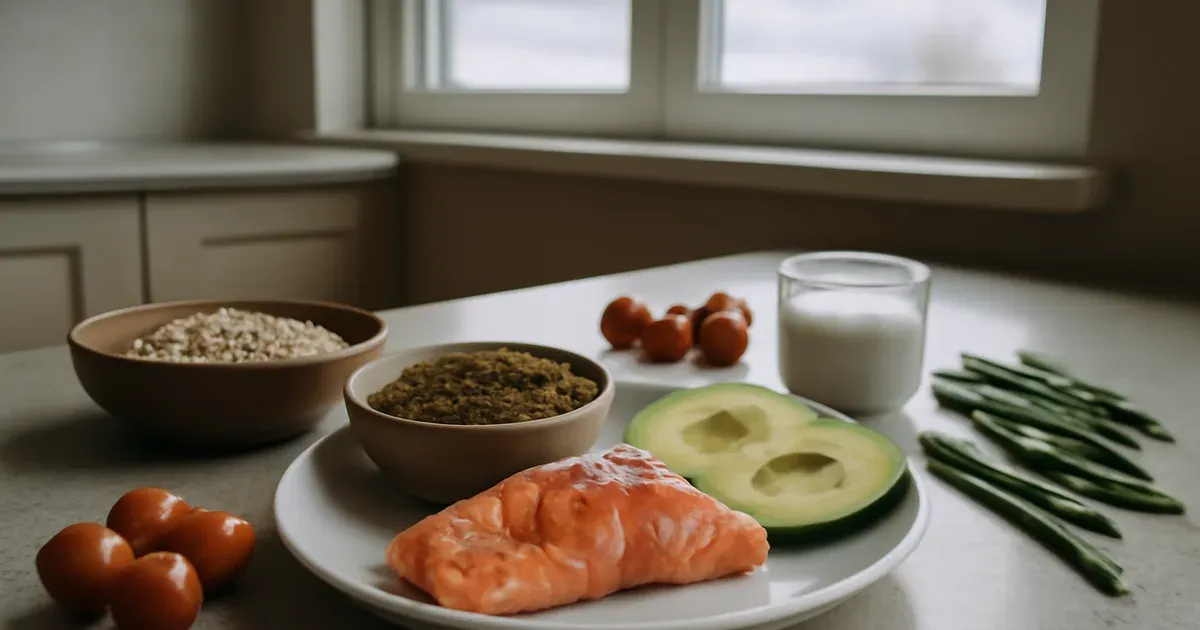
Why Low GLP-1 Happens in the First Place
GLP-1, or glucagon-like peptide-1, is a hormone produced in your small intestine that signals fullness to your brain, slows digestion, and triggers insulin release after meals. When levels are low or your body stops responding to it effectively, hunger becomes harder to manage and blood sugar swings become more frequent.
Several interlinked factors suppress your natural GLP-1 output:
- Poor glucose tolerance: When your body struggles to regulate blood sugar after eating carbohydrates, it blunts GLP-1 effectiveness — a cycle common in prediabetes and early type 2 diabetes.
- Low dietary fiber and protein: The specialised L-cells in your gut wall that manufacture GLP-1 are triggered by macronutrients and fiber. A diet low in these gives them little to work with.
- An imbalanced gut microbiome: Emerging research links low microbial diversity to reduced GLP-1 secretion. The gut-brain axis — the two-way communication highway between your digestive system and your brain — depends heavily on a healthy microbiome to send accurate hunger and fullness signals.
- Sedentary behaviour: Decades of research confirm that physical inactivity reduces both baseline GLP-1 levels and the hormone's post-meal response.
- Chronic inflammation: Gut inflammation disrupts enteroendocrine cell function, impairing the hormone factories that produce GLP-1 in the first place.
Address these root causes and you're not just chasing a number — you're rebuilding the metabolic foundation that controls appetite long term.
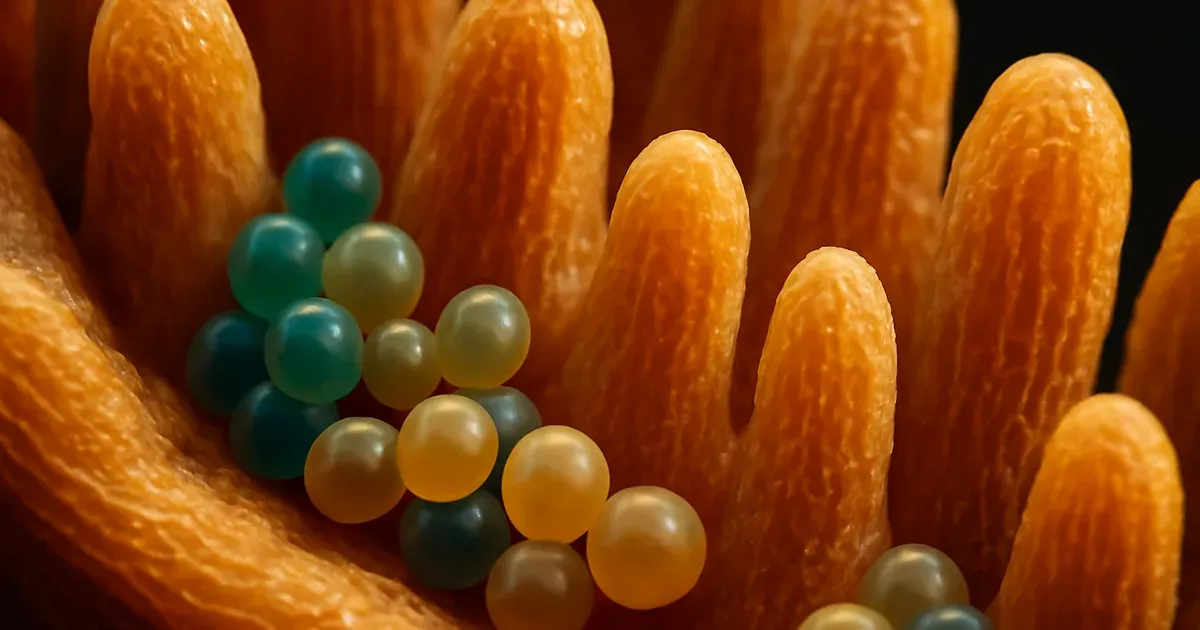
Step 1: Build Every Meal Around Protein and Fiber
The single most direct way to increase GLP-1 naturally is to give your gut's L-cells the nutrients they're designed to detect. These specialised cells line your intestinal wall and release GLP-1 the moment they sense protein, fat, carbohydrates, or fiber passing through. The quality and composition of what you eat determines how strong that signal is.
Aim for 25–30 grams of protein per meal from high-quality sources such as lean meats, fish, eggs, tofu, tempeh, or whey. Both animal and plant proteins stimulate GLP-1 release — current research doesn't conclusively favour one over the other, so choose what fits your lifestyle and rotate sources for broader nutritional coverage.
Pair that protein with soluble fiber from oats, legumes, lentils, and vegetables. One study found that 20 grams per day of oligofructose — a prebiotic fiber found in plants — significantly elevated post-meal GLP-1. Soluble fiber also feeds beneficial gut bacteria, which produce short-chain fatty acids (SCFAs) that further stimulate L-cells. This is the gut-brain connection in action: what you feed your microbiome directly shapes the hormonal signals your brain receives about hunger.
Pro tip: Build your plate in this order — protein first, then fiber-rich vegetables, then complex carbohydrates. This sequence maximises L-cell activation and slows glucose absorption simultaneously.
Step 2: Add Healthy Fats From Whole Food Sources
Dietary fat is a powerful but often overlooked GLP-1 trigger. Fatty acids activate receptors directly on enteroendocrine cells, prompting them to release GLP-1 into your bloodstream. The type of fat matters, however — not all fats create the same hormonal response.
Monounsaturated fats found in olive oil, avocados, and nuts have shown the most consistent benefit in early research. Omega-3 fatty acids from oily fish such as salmon, mackerel, and sardines also stimulate GLP-1 release and carry the added benefit of reducing gut inflammation — which, as noted above, impairs the very cells that produce your GLP-1.
Swap refined seed oils for extra-virgin olive oil as your primary cooking fat. Add half an avocado to meals three to four times a week. Include oily fish at least twice weekly. These are small, sustainable shifts that simultaneously support GLP-1 secretion and microbiome health — the gut-brain axis benefits from omega-3s' anti-inflammatory properties as much as the hormone pathway does.
Early human studies are promising, but more research is still needed to define precise amounts. The practical takeaway: replacing low-quality fats with these whole-food sources is beneficial regardless of the exact GLP-1 impact.

Step 3: Prioritise Exercise — Both Cardio and Strength Training
Exercise is one of the most evidence-backed strategies to increase GLP-1 naturally. A 2021 review and a 2025 meta-analysis both confirmed that physical activity — whether a single session or a consistent routine — boosts GLP-1 levels, particularly in people with type 2 diabetes and obesity. The benefits extend to healthy individuals too.
Registered Dietitian Gianna Masi, RDN, explains: "Regular physical activity, including both aerobic exercise and resistance training, increases GLP-1 and insulin sensitivity and post-meal GLP-1 response." In other words, you don't have to choose between cardio and weights — both pathways contribute.
Aim for at least 150 minutes of moderate aerobic activity per week (brisk walking, cycling, swimming) combined with two to three resistance training sessions. Exercise also improves glucose tolerance — your body's ability to regulate blood sugar after eating — which further amplifies GLP-1 effectiveness. This dual benefit makes movement the most cost-effective intervention available.
The gut-brain axis benefits here too. Research increasingly shows that regular exercise improves gut microbiome diversity, which in turn supports the microbial environment that produces SCFAs and stimulates GLP-1 secretion. Exercise, gut health, and appetite regulation are deeply interconnected systems.
Pro tip: Even a 20-minute walk after your main meal improves post-meal glucose regulation and may enhance GLP-1 response — a simple habit with compounding benefits.
Step 4: Support Your Gut Microbiome With Fermented Foods
Your gut microbiome is not a passive bystander in appetite regulation — it's an active participant. The trillions of microbes living in your digestive tract influence GLP-1 secretion by producing SCFAs from fermented dietary fiber, modulating gut inflammation, and communicating with your brain via the gut-brain axis. A diverse, healthy microbiome amplifies every other GLP-1 strategy in this guide.
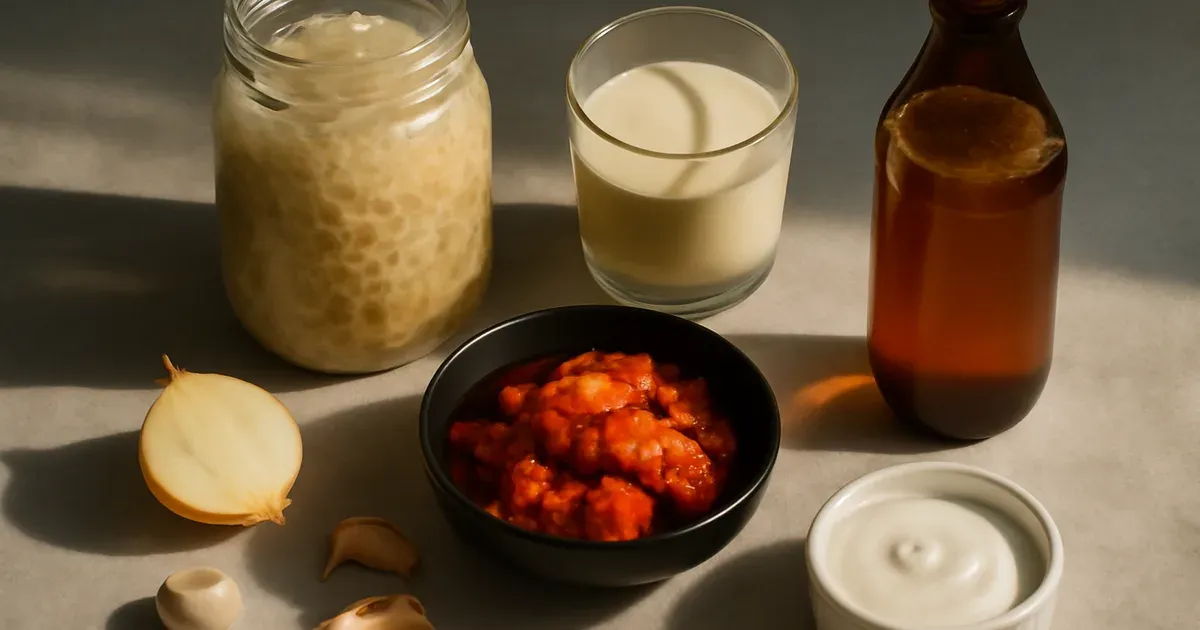
Fermented foods are your most direct tool for improving microbial diversity. Yogurt with live cultures, kefir, kimchi, sauerkraut, and kombucha introduce beneficial bacteria that shift the gut environment in favour of GLP-1-producing pathways. One study found that eating one cup of yogurt with live cultures daily increased fasting GLP-1 levels compared to calorie restriction alone.
Combine fermented foods with prebiotic fiber — the fuel that beneficial bacteria need to thrive. Think of prebiotics (from oats, garlic, onions, leeks, and bananas) as feeding the microbes that fermented foods introduce. This prebiotic-probiotic pairing creates a gut environment where SCFAs are produced in greater quantities, L-cells receive stronger stimulation, and the signals traveling up the gut-brain axis become clearer and more consistent.
Expect modest effects compared to medication, but understand that microbiome improvements compound over weeks and months in ways that single interventions do not.
Step 5: Consider Evidence-Informed Supplements
While food should always come first, a small number of natural compounds have emerging evidence for supporting GLP-1 levels. These are best viewed as additions to — not replacements for — the dietary and exercise strategies above.
Berberine is the most studied natural GLP-1 supporter. Found in plants such as barberry and goldenseal, berberine has been shown in multiple studies to increase GLP-1 secretion and improve insulin sensitivity. Some researchers have drawn comparisons to metformin in its metabolic effects, though it should always be used under medical supervision.
Green tea and certain herbal teas have also shown promise in early research, with compounds like EGCG (epigallocatechin gallate) appearing to influence GLP-1 pathways. The gut-microbiome connection is relevant here too — green tea polyphenols selectively feed beneficial bacteria, creating downstream effects on gut hormone secretion.
Before adding any supplement, consult a registered dietitian or healthcare provider. Supplements are not regulated to the same standard as medications, and individual responses vary. Think of them as a potential amplifier for a strategy that is already working — not a shortcut.
What to Expect: A Realistic Timeline
Natural GLP-1 optimisation is a gradual process, not an overnight transformation. Here is a realistic phase-by-phase breakdown:
Weeks 1–2 — Foundation building: Hunger patterns begin to shift as protein and fiber intake increases. Post-meal fullness becomes more reliable. Gut bacteria begin adapting to new fiber and fermented food inputs.
Weeks 3–4 — Early momentum: Improved glucose tolerance becomes noticeable through more stable energy levels. Exercise consistency starts to enhance post-meal GLP-1 response. Microbiome diversity begins measurably improving with consistent dietary changes.
Months 2–3 — Compounding effects: The gut-brain axis communication becomes more efficient as microbiome diversity increases. Appetite regulation feels more automatic. Blood sugar stability reinforces GLP-1 effectiveness in a positive feedback loop.
Month 3 onward — Sustainable baseline: Lifestyle habits are embedded. GLP-1 levels and responsiveness reflect the cumulative impact of nutrition, movement, and gut health working together. Weight loss at this stage is gradual (typically 0.5–1 lb per week) but sustainable.

Mistakes That Slow Your Progress
Avoiding these common errors will determine whether your natural GLP-1 strategy delivers results or stalls.
- Focusing on one strategy in isolation. GLP-1 production is a system — diet, exercise, and gut health interact. Doing one without the others reduces your results significantly.
- Eating ultra-processed foods despite hitting protein targets. Highly processed proteins and fiber supplements do not stimulate L-cells as effectively as whole-food sources. Food matrix matters.
- Neglecting sleep. Poor sleep disrupts gut microbiome composition and blunts GLP-1 sensitivity. Aim for 7–9 hours consistently — it is not optional for hormonal health.
- Expecting medication-equivalent results. Natural methods produce real but more modest GLP-1 effects. Unrealistic expectations lead to abandonment of strategies that are actually working.
- Ignoring gut inflammation. Ongoing stress, alcohol, and antibiotic overuse damage the gut lining and microbiome diversity. Without addressing these, even the best diet delivers a fraction of its potential GLP-1 benefit.
What Can Help You Get There Faster
The right tools can meaningfully accelerate your progress without replacing the foundational work.
Nutrition coaching: A registered dietitian can personalise your protein and fiber targets, identify gaps in your current diet, and adjust your plan as your body adapts. Generic advice rarely accounts for individual glucose tolerance or gut health starting points.
Gut microbiome testing: Consumer microbiome tests (such as those from Viome or Zoe) can provide a baseline picture of your microbial diversity and highlight specific dietary shifts most likely to benefit your individual gut-brain axis. Results vary in clinical reliability, but trends over time can be informative.
Continuous glucose monitors (CGMs): Available without prescription in many countries, CGMs allow you to observe in real time how specific meals affect your blood sugar — the same metric most closely linked to GLP-1 effectiveness. This feedback loop makes dietary adjustments precise rather than guesswork.
Your Natural GLP-1 Action Plan: Quick Recap
✅ Step 1: Build every meal around 25–30g protein and soluble fiber to activate gut L-cells ✅ Step 2: Replace refined fats with olive oil, avocado, and oily fish to stimulate GLP-1 via fatty acid receptors ✅ Step 3: Combine 150 min/week cardio with 2–3 resistance sessions to boost GLP-1 and glucose tolerance ✅ Step 4: Eat fermented foods daily and pair them with prebiotic fiber to support the gut-brain axis ✅ Step 5: Consider evidence-informed supplements like berberine under professional guidance ✅ Track progress across weeks, not days — compounding effects take 8–12 weeks to fully emerge
Frequently Asked Questions
How long does it take to increase GLP-1 naturally through diet?
Most people notice early changes in hunger and fullness within two to four weeks of consistently improving protein intake, fiber consumption, and exercise habits. More meaningful shifts in GLP-1 responsiveness — driven by microbiome improvements and better glucose tolerance — typically take two to three months of sustained lifestyle change.
Can the gut microbiome really affect GLP-1 levels?
Yes — the connection is well-established in emerging research. Gut bacteria produce short-chain fatty acids (SCFAs) when they ferment dietary fiber, and these SCFAs directly stimulate the L-cells in your intestinal wall that secrete GLP-1. A diverse microbiome, supported by fermented foods and prebiotic fiber, creates a more active GLP-1-producing environment. This is a core mechanism of the gut-brain axis.
Are natural GLP-1 methods as effective as Ozempic or Mounjaro?
No — the effects are real but more modest. GLP-1 medications deliver pharmacological doses that far exceed what lifestyle changes can replicate. Natural methods are most effective for people in early stages of weight management, those managing prediabetes, or those who cannot access or tolerate medication. They also form an important foundation for those who are on GLP-1 medications and want to maximise and sustain results.
Which foods have the strongest effect on GLP-1 release?
High-quality protein sources, soluble fiber, and fermented foods show the most consistent evidence. Oats, legumes, eggs, fish, yogurt with live cultures, olive oil, and avocados all appear in the research as supportive of GLP-1 secretion. No single food has a dramatic standalone effect — the combination and consistency of dietary patterns matters most.
Does sleep affect GLP-1 production?
Sleep deprivation negatively impacts both gut microbiome diversity and hormonal sensitivity, including GLP-1 responsiveness. Studies show that even a few nights of poor sleep alter gut bacterial composition and increase appetite-stimulating hormones. Prioritising 7–9 hours of quality sleep is not a lifestyle bonus — it is a core part of any natural GLP-1 optimisation strategy.