How to Lose Weight in Your 50s: 15 Expert Tips
Losing weight in your 50s is harder due to hormonal shifts and muscle loss — but 15 expert-backed strategies make it achievable and sustainable.


If you're in your 50s and the scale refuses to move, you are not imagining things — and you are not failing. The biology of this decade actively works against fat loss in ways that feel personal but are entirely physiological. The good news is that it is absolutely possible to lose weight in your 50s, and the strategies below are backed by endocrinologists, bariatric surgeons, and registered dietitians who specialise in exactly this challenge.

Why Losing Weight in Your 50s Feels So Hard
Hormonal shifts are the single biggest driver of weight gain in this decade. As oestrogen levels drop during perimenopause and menopause, the body triggers a stress response that increases insulin resistance — making it harder to burn fat and easier to store it, according to endocrinologist Dr. Betul Hatipoglu of University Hospital Cleveland Medical Center.
Metabolism also slows significantly during menopause, compounding the hormonal picture. Most women gain 10 to 15 pounds during and after perimenopause alone, on top of the mild-to-moderate weight gain many experience in their 30s and 40s, says bariatric surgeon Dr. Virginia Weaver of Methodist Le Bonheur Healthcare.
Muscle loss quietly accelerates in your 50s, and this matters more than most people realise. Less muscle means a lower resting metabolic rate, which means fewer calories burned at rest — a feedback loop that quietly drives weight gain even when your diet hasn't changed.
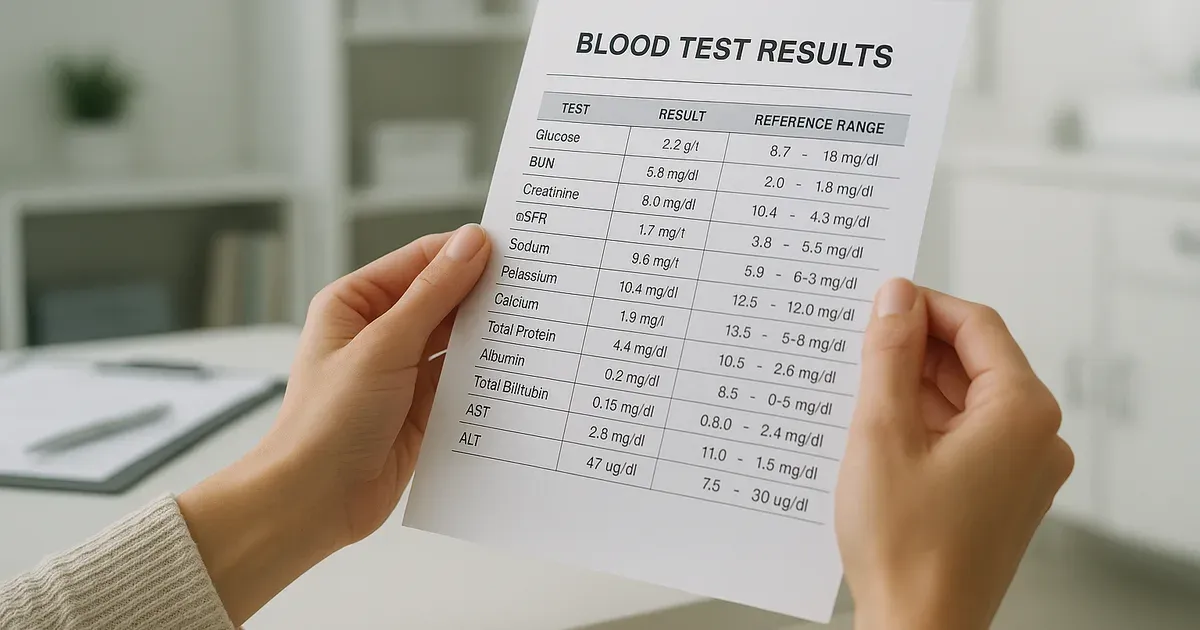
Hypothyroidism is also more common in women over 50 and is a frequently overlooked cause of unexplained weight gain, fatigue, constipation, and dry hair or nails. If you recognise those symptoms, Dr. Weaver recommends asking your doctor for a full blood workup to rule it out.
Finally, stress itself is a fat-storage signal. Elevated cortisol — your primary stress hormone — instructs the body to hold onto fat, particularly around the abdomen, and raises the body's preferred weight set point. Managing stress is not optional when it comes to weight loss in your 50s.
15 Expert-Backed Ways to Lose Weight in Your 50s
1. Add Aerobic Exercise to Your Weekly Routine
Walking, swimming, running, dancing — any activity that raises your heart rate counts. Dr. Hatipoglu recommends at least 30 minutes of aerobic movement five days a week. Cardiovascular exercise helps the body adapt to a changed metabolic state by increasing fat burning and improving insulin resistance.
2. Make Resistance Training Non-Negotiable
Strength training directly counteracts the muscle loss that slows your metabolism. Dr. Weaver recommends resistance training at least three days a week using dumbbells, resistance bands, or bodyweight exercises. Preserving and building muscle is one of the most powerful levers for long-term fat loss after 50.
3. Cut Processed Syrups and Refined Sugar
Read ingredient labels carefully and watch for hidden sugars — corn syrup, rice syrup, fructose, dextrose, maltose, and sucrose are all common culprits, says registered dietitian Kimberly Gomer. Cutting back on sweets, baked goods, soda, and jelly has an outsized impact on insulin levels and fat storage.
4. Stop Grazing Between Meals
Frequent snacking keeps insulin elevated throughout the day, and insulin is the hormone most directly responsible for fat storage, explains Gomer. She recommends anchoring your eating to three balanced meals daily and eliminating mindless snacking to give insulin levels a chance to drop between meals.
5. Prioritise High-Fibre Foods
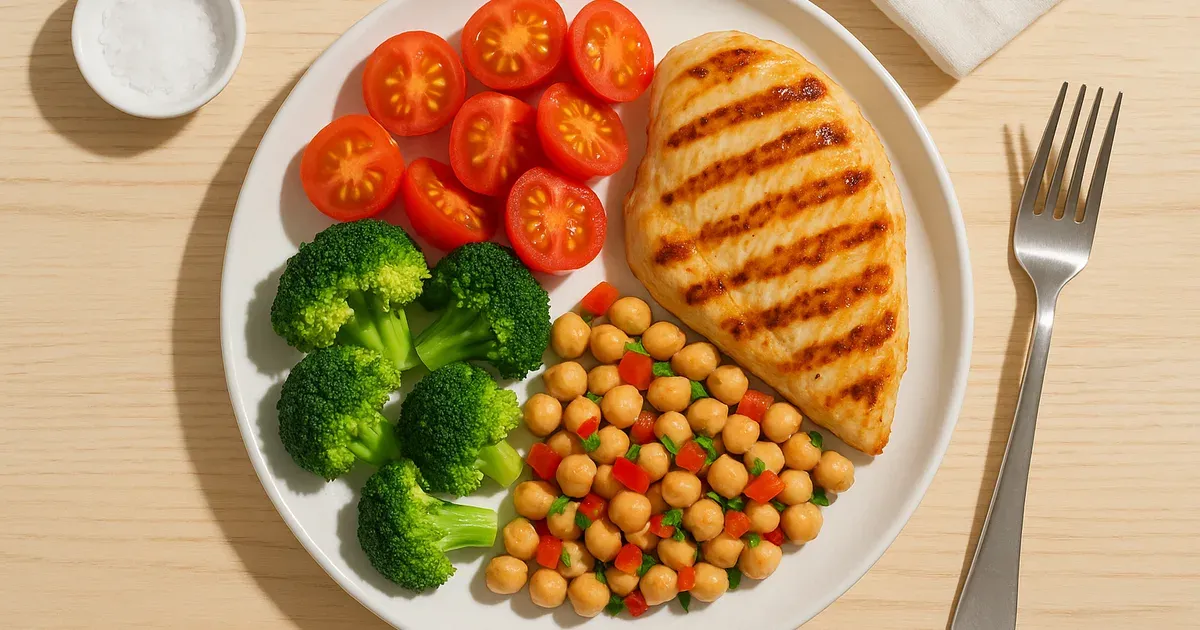
Fibre regulates blood sugar, feeds the healthy bacteria in your gut, and keeps you full — three mechanisms that directly support weight loss. Vegetables, fruits, oats, beans, and legumes are Gomer's top picks. While fibre supplements exist, whole unprocessed foods deliver the most complete nutritional benefit.
6. Reduce Alcohol Intake
Alcohol and fat compete for the same metabolic pathway in the liver. When alcohol is being processed, fat burning is effectively paused, explains Dr. Hatipoglu. Alcohol also adds empty calories with no nutritional value, making it one of the easiest dietary changes to make for measurable results.
7. Meal Prep and Cook at Home More Often
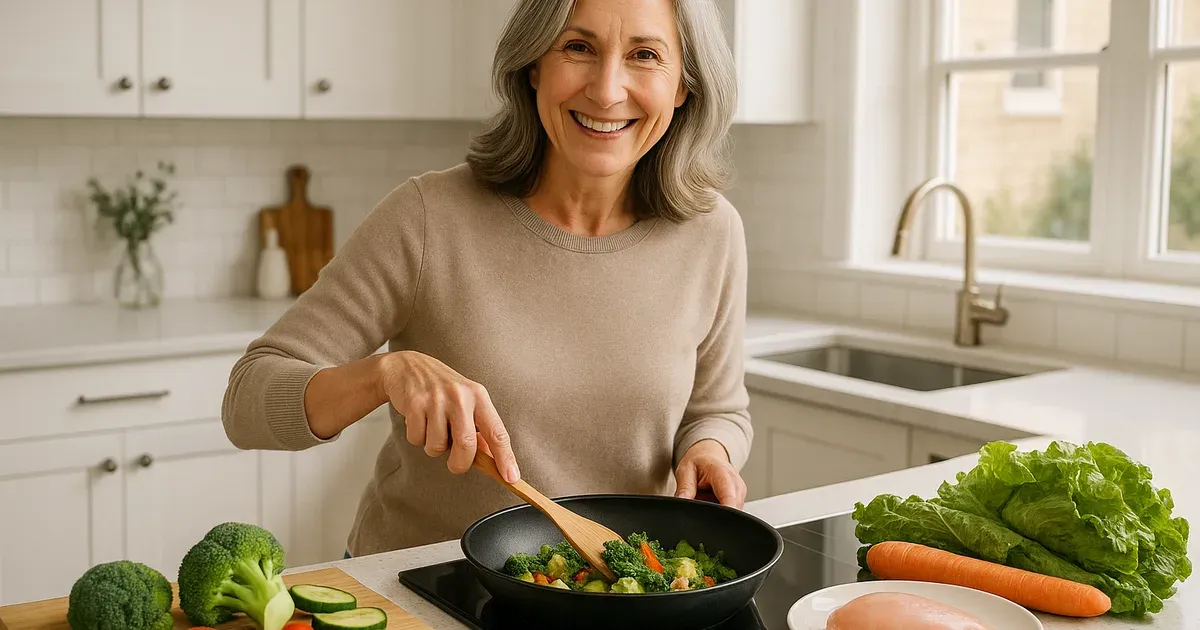
Restaurant meals are routinely high in sugar, salt, and processed ingredients — and the portions are typically oversized, says Gomer. Planning meals at home puts you in control of what goes into your food. A practical starting point: delete food delivery apps from your phone and check restaurant menus in advance to identify the healthiest options.
8. Build a Stress Management Practice
Chronic stress raises cortisol, which signals the body to store fat around the abdomen and increases hunger hormones simultaneously. Dr. Weaver recommends mindfulness, meditation, journaling, and yoga as accessible starting points. Working with a therapist or mental health professional can provide more personalised support for stress that feels unmanageable.

9. Protect Your Sleep
Sleep disruption is one of the most underestimated drivers of weight gain in your 50s. Hot flashes and menopause-related sleep disorders contribute directly to increased insulin resistance and elevated ghrelin — the hunger hormone that triggers late-night cravings, notes Dr. Hatipoglu. Aim for seven to nine hours, and consider lavender or chamomile tea, Epsom salt baths, or meditation to support winding down.
10. Find Social Support
Accountability and community make a measurable difference in long-term weight loss success. Connecting with other women navigating the same hormonal and metabolic challenges provides both motivation and practical strategies. Support groups, fitness classes, or even online communities all count.
11. Focus on Progress, Not Perfection
Sustainable weight loss in your 50s is built on consistency, not flawless execution, says Gomer. A missed workout or an off-plan meal does not derail progress — losing momentum does. Small, repeatable actions compound over weeks and months into meaningful results.
12. Get a Hormonal and Metabolic Health Check
Before overhauling your lifestyle, get a clear picture of what's happening internally. A full blood workup can identify hypothyroidism, insulin resistance, or other hormonal imbalances that are silently working against your efforts. Knowing your baseline helps you and your doctor tailor an approach that actually fits your physiology.
13. Eat Balanced, Protein-Rich Meals
Protein supports muscle retention and increases satiety — both critical factors for weight management in your 50s. Prioritising lean proteins alongside fibre-rich vegetables at each meal stabilises blood sugar, reduces the urge to snack, and helps maintain the muscle mass your metabolism depends on.
14. Rethink Portion Sizes Without Obsessing Over Calories
Portion awareness matters more in your 50s because your caloric needs have genuinely decreased — not because of a failure of willpower, but because your resting metabolic rate is lower. Using smaller plates, eating slowly, and stopping when satisfied rather than full are practical tools that require no calorie counting.
15. Be Patient — and Trust the Process
Weight loss in your 50s is slower than it was in your 30s, and that is normal. The metabolic and hormonal changes of this decade are real, and they require a longer timeline for results to show. The habits that work are the ones you can sustain — not the most extreme approach, but the most consistent one.
The Bottom Line
Losing weight in your 50s is harder — but it is not impossible. Hormonal changes, muscle loss, slower metabolism, and disrupted sleep all create genuine obstacles that deserve to be acknowledged rather than dismissed. The strategies above work precisely because they address those root causes: building muscle, stabilising insulin, reducing cortisol, protecting sleep, and fuelling the body with whole foods.
Progress in this decade looks different from progress at 30, and that difference is biological, not personal. Focus on building habits that are sustainable for your actual life, and the results will follow.