How to Lose Weight: 6 Science-Backed Tips
Six evidence-based tips to help you lose weight sustainably — covering diet, movement, fibre, sleep, and mindful eating.

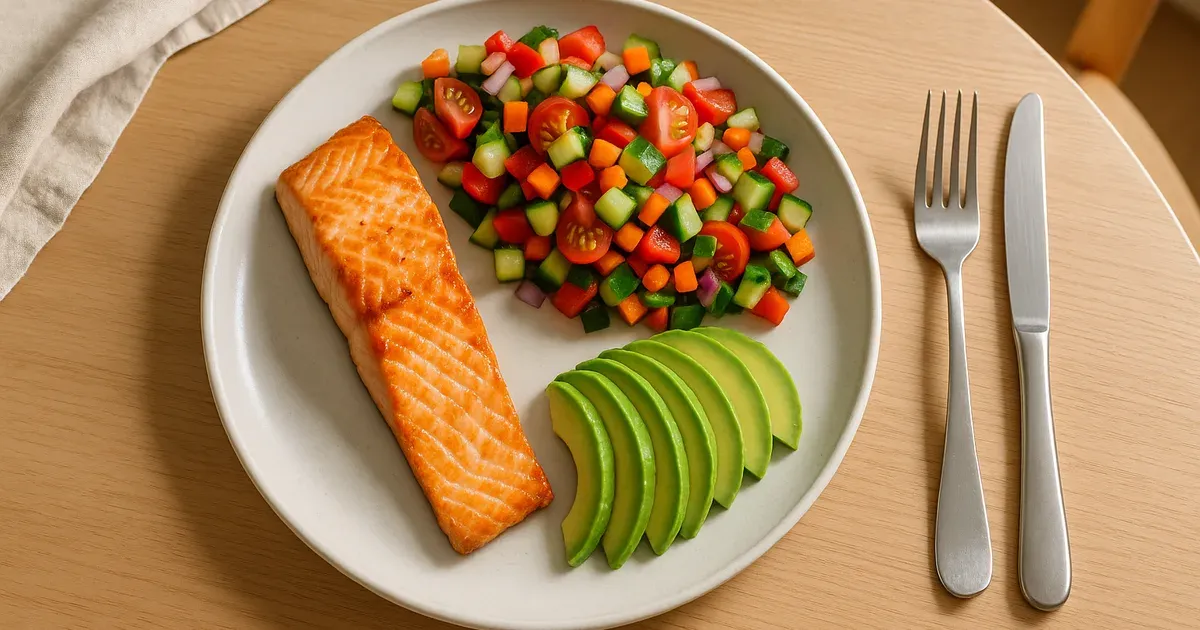
Most weight loss advice promises fast results — and most of it fails you within weeks. The real question isn't how to lose weight quickly; it's how to lose weight in a way that actually sticks. The six strategies below are grounded in science, practical to adopt, and built around long-term health rather than short-term sacrifice.
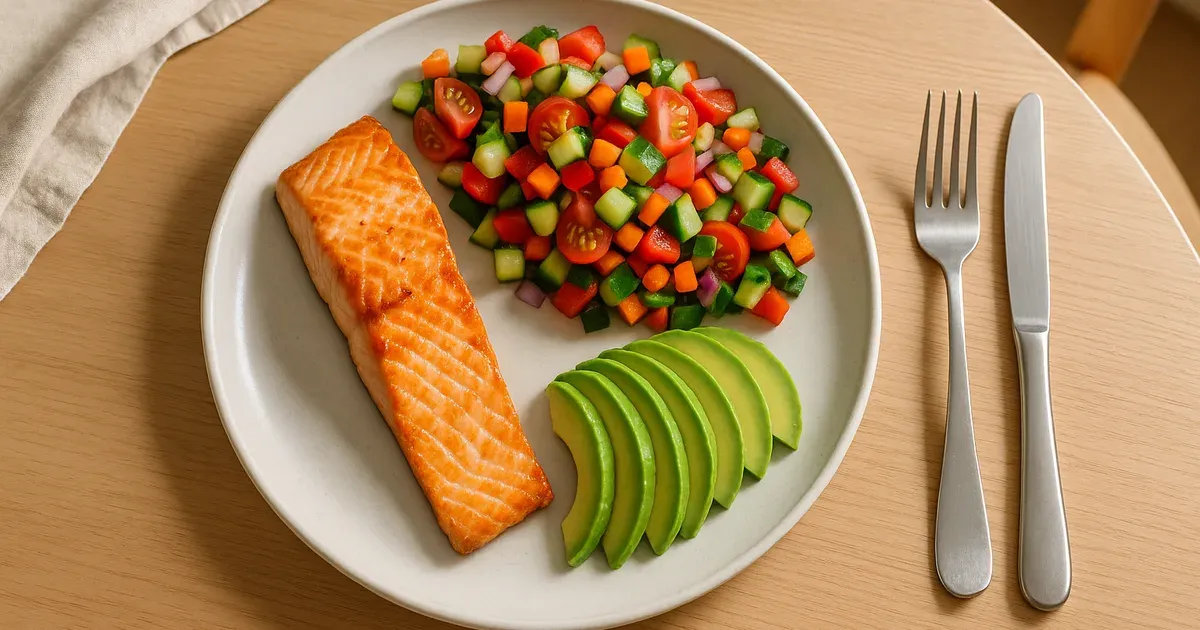
1. Build Every Meal Around Protein, Fat, and Vegetables
Protein is the most important macronutrient for weight loss. Eating enough of it preserves muscle mass while you're in a calorie deficit, and it reduces cravings by keeping you full and satisfied for longer. Aim to include a quality protein source — eggs, fish, chicken, legumes, or Greek yogurt — at every meal.
Vegetables should fill a large portion of your plate. Most are low in calories but high in nutrients, and the current recommendation is around 2.5 cups per day. Leafy greens, tomatoes, bell peppers, green beans, and squash are all excellent choices. Note that starchy vegetables like potatoes, sweet potatoes, and corn are higher in carbohydrates and calories, so portion size matters more with those.
Healthy fats — like those in olive oil, avocado, and nuts — are important but calorie-dense. Fat provides 9 calories per gram compared to just 4 calories per gram for protein and carbohydrates. Include healthy fats in your meals, but be mindful of quantity. Limit saturated and trans fats as much as possible.

2. Move Your Body Consistently
Physical activity is one of the most reliable tools for sustainable weight loss. You don't need to train like an athlete — consistent, moderate movement adds up significantly over time. Walking, cycling, swimming, strength training, and even stretching all contribute to your overall energy expenditure.
The best exercise is the one you'll actually keep doing. Finding movement you enjoy dramatically increases the chance you'll stick with it. If the gym feels like a chore, try group classes, outdoor walks, or home workouts instead. Consistency beats intensity every time.
Always consult a doctor before beginning a new exercise programme, especially if you have existing health conditions or have been inactive for a long period. A professional can help you find a safe and effective starting point.
3. Increase Your Fibre Intake
Fibre is one of the most underrated tools for how to lose weight without feeling deprived. It moves slowly through the digestive tract, which means it keeps you feeling fuller for longer and reduces the likelihood of overeating. The target for most adults is around 25–38 grams of fibre per day.
The best food sources of fibre include fruits, vegetables, whole grains, legumes, and certain breads. Aim for roughly 2 cups of fruit and 6 ounces of grains daily, and round out your intake with fibre-rich vegetables like broccoli, carrots, and Brussels sprouts. Legumes such as lentils, chickpeas, and black beans are particularly dense in fibre.
Increasing fibre gradually — rather than all at once — helps your digestive system adjust and reduces the chance of bloating or discomfort. Pair higher fibre intake with adequate water consumption for best results.

4. Practise Mindful Eating
Mindful eating means paying close attention to what you eat, how fast you eat, and why you eat. It is one of the most effective behavioural strategies for reducing calorie intake without counting every gram. Research consistently shows that people who eat more slowly consume fewer calories overall.
The reason speed matters is neurological. Your brain needs roughly 20 minutes to register that your stomach is full. When you eat quickly, you can easily consume far more than you need before that signal arrives. Slowing down gives your body time to communicate accurately with your brain.
Practical mindful eating habits include: putting your fork down between bites, eating without screens or distractions, cooking meals with a variety of colours and textures to engage your senses, and learning to distinguish genuine hunger from emotional or habitual cravings.
5. Stay Well Hydrated
Drinking water before meals is one of the simplest, most cost-free weight loss strategies available. Studies show it can meaningfully reduce the amount of food consumed during a meal. Water also supports fat metabolism, which contributes to longer-term weight reduction.
Replacing sugary drinks with water is particularly impactful. Sodas, fruit juices, and sweetened coffees are high in calories and sugar, and they don't trigger the same fullness signals that solid food does. Cutting them out removes a significant source of empty calories from your diet without requiring any deprivation.
Beyond weight loss, proper hydration keeps your body running efficiently — supporting digestion, physical performance, and waste removal. If you exercise regularly, staying hydrated also helps your body recover and perform better during workouts.

6. Prioritise Quality Sleep
Sleep is often the missing variable in weight loss plans. Research shows that people who regularly sleep fewer than 7 hours per night are significantly more likely to have a higher body mass index and develop obesity compared to those who sleep more. Poor sleep isn't just about energy levels — it disrupts the hormones that control hunger and appetite.
Specifically, sleep deprivation elevates ghrelin (the hunger hormone) and suppresses leptin (the fullness hormone). This hormonal imbalance makes you feel hungrier the next day and more likely to reach for calorie-dense, high-sugar foods. It also reduces willpower and decision-making capacity, making healthy eating harder to maintain.
The general recommendation is at least 7 hours of high-quality sleep per night. Improving sleep hygiene — keeping a consistent bedtime, reducing screen exposure in the evening, and creating a cool, dark sleeping environment — can make a meaningful difference to both your sleep and your weight over time.
Frequently Asked Questions About Losing Weight
What is a safe rate of weight loss per week?
Losing 0.5 to 2 pounds (approximately 0.25–1 kg) per week is considered safe and sustainable. Faster weight loss is possible in the first week due to water weight reduction, but fat loss takes more time. Aiming for this range means you are more likely to preserve muscle, maintain energy, and keep the weight off long term.
Can I lose 10 or 15 pounds in a week or two?
Losing 10 pounds in a week or 15 pounds in two weeks is not realistic, safe, or sustainable. Extreme short-term weight loss typically involves dangerous calorie restriction and significant water and muscle loss — not meaningful fat reduction. The weight usually returns quickly once normal eating resumes.
What is the fastest healthy way to lose weight?
Reducing calorie intake moderately, increasing physical activity, and following the habits above will produce the fastest sustainable results. However, individual factors — including genetics, medications, hormones, and existing health conditions — all affect the rate of weight loss. What works quickly for one person may work more slowly for another.
Do I need to count calories to lose weight?
Calorie counting is not essential, but awareness of calorie intake can be helpful if weight loss has stalled. Eating too few calories is both dangerous and counterproductive — it can slow metabolism and cause muscle loss. If you feel you need to track, do so in consultation with a healthcare professional who can recommend a safe and appropriate target.
How long does it take to lose 20 pounds?
At a safe rate of 0.5–2 pounds per week, losing 20 pounds would realistically take between 10 and 40 weeks. The exact timeline depends on your starting weight, activity level, diet quality, and other individual factors. Consistent, small changes compound significantly over months.
The Bottom Line
Learning how to lose weight sustainably is less about willpower and more about building the right habits. Eating balanced meals with protein, healthy fat, and plenty of vegetables; increasing fibre; drinking more water; moving regularly; eating mindfully; and getting enough sleep are all evidence-based strategies that work together.
No single tip is a magic fix — but applied consistently, these six habits create a strong foundation for lasting change. Focus on progress over weeks and months, not days, and the results will follow.