How to Meal Prep for Arthritis (Without Exhausting Yourself)
A 5-step system for arthritis-friendly meal prep that fits around pain and fatigue — backed by dietitian Cristina Montoya's anti-inflammatory framework.

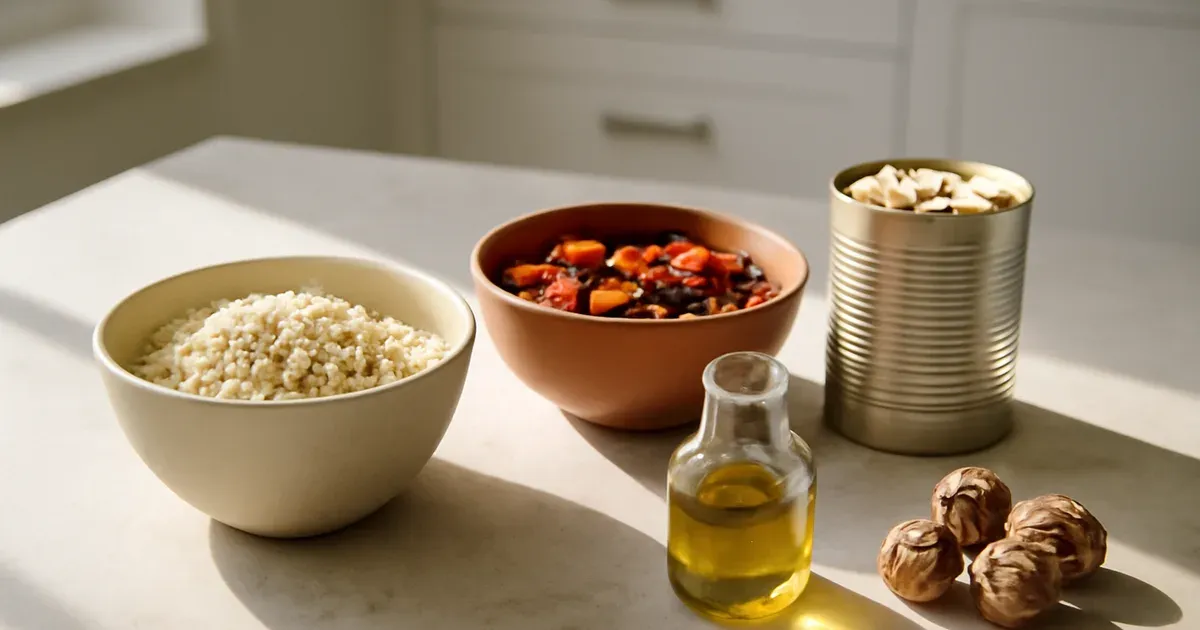
You already know food matters. You've read the articles, maybe tried a few recipes — and then a flare hit, fatigue won, and you ended up ordering pizza again. It doesn't mean you failed. It means nobody gave you a system that actually fits the reality of living with arthritis.
Meal prep for arthritis isn't about spending Sunday afternoon on your feet for four hours. It's about small, strategic habits that stack anti-inflammatory ingredients into your week without wrecking your joints or draining your energy reserves. Registered dietitian Cristina Montoya has worked this out in detail — and this guide turns her framework into a clear, repeatable process you can start this week.
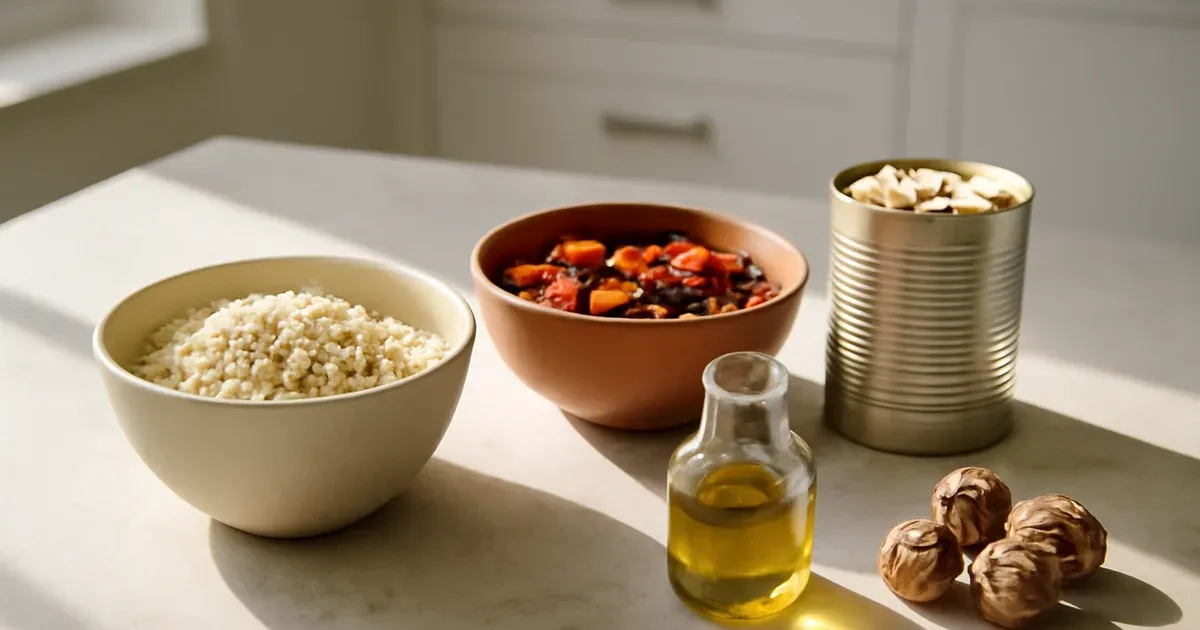
Why Inflammation-Driven Fatigue Makes Eating Well So Hard
The Western diet is working against you. Processed meats, refined starches, added sugars, and unhealthy fats are all linked to increased chronic inflammation — exactly the kind that amplifies arthritis pain. When you're already hurting, reaching for convenient processed food feels like the only realistic option, which then feeds the cycle.
Pain and fatigue are the real barriers, not willpower or knowledge. Joint strain from chopping, standing, and lifting makes even a simple home-cooked meal feel like a project. Most meal prep advice ignores this completely and assumes you have the stamina of someone who doesn't have a chronic condition.
The gap between knowing and doing widens on bad days. Without a flexible, low-effort structure already in place, good intentions collapse the moment a flare arrives. That's the problem this guide solves: building a prep system that still works even when you're not at your best.
Step 1: Simplify Your Ingredients Down to the Essentials
Simple recipes are not a compromise — they are the strategy. Aim for meals that use five to ten main ingredients, not counting herbs and spices. Complex recipes with long shopping lists multiply decision fatigue, preparation time, and the physical demands on your joints. Keep the barrier to entry low.
Choose cooking methods and assistive devices that protect your joints. Electric can openers, jar grippers, pre-cut vegetables, and lightweight pans all reduce the physical toll of cooking. Pre-cut salad bags, washed berries, and pre-chopped frozen vegetables are not shortcuts — they're smart tools.
Simplifying your ingredients also makes it easier to rotate meals without feeling bored. A batch of roasted vegetables, a pot of cooked quinoa, and some canned legumes can become four different meals depending on how you combine and season them. Fewer components, more flexibility.
Pro tip: Write out a shortlist of five "base" ingredients you'll always have on hand — for example, canned chickpeas, frozen spinach, whole-grain pasta, olive oil, and tinned salmon. These alone can produce a week of anti-inflammatory meals.
Step 2: Build a Strategic Convenience Pantry
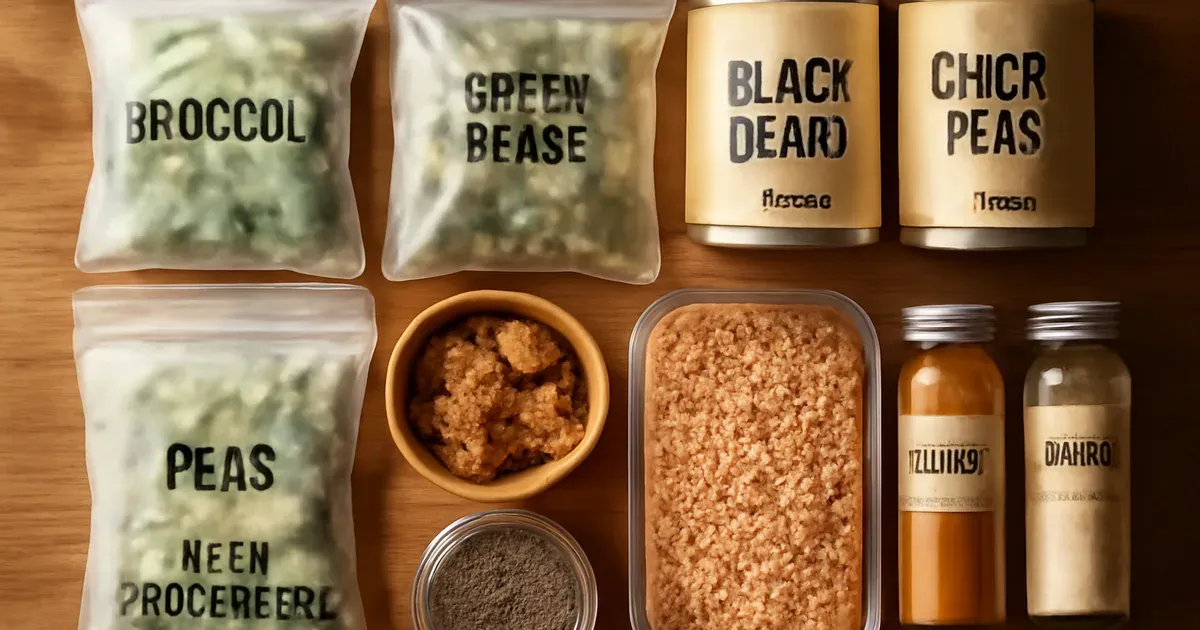
Stocking the right convenience foods changes everything about meal prep for arthritis. This isn't about filling your freezer with ready meals. It's about having a curated backup system for the weeks when fatigue or pain prevents a full grocery run.
Frozen fruits and vegetables retain most of their nutritional value and require zero chopping. Low-sodium canned legumes — kidney beans, chickpeas, black-eyed peas, lentils — deliver fibre and protein with virtually no preparation. These aren't compromises; they're anti-inflammatory ingredients in a format that respects your energy limits.
Your pantry should also include items that reduce inflammation at the flavour level. Turmeric, ginger, garlic, cinnamon, rosemary, and oregano all contain phytochemicals with antioxidant and anti-inflammatory properties. Having them stocked means you can elevate a simple bowl of grains and vegetables into something that actively supports your health — in under ten minutes.
- Freezer: mixed berries, edamame, chopped spinach, broccoli florets, wild salmon fillets
- Pantry: canned chickpeas, black lentils, whole-grain pasta, pot barley, oats, olive oil, canned sardines or tuna
- Fridge staples: plain Greek yogurt, kefir, walnuts, chia seeds, avocado
- Spice rack: turmeric, ginger, garlic powder, cinnamon, cayenne, rosemary, thyme
Step 3: Batch Cook on Your Best Days — Not Every Day
The most important shift in arthritis-friendly meal prep is matching your preparation schedule to your body's actual rhythm — not to a fixed weekly calendar. Take advantage of lower-pain, lower-fatigue days to do a larger cook. On harder days, you eat from what you've already made.
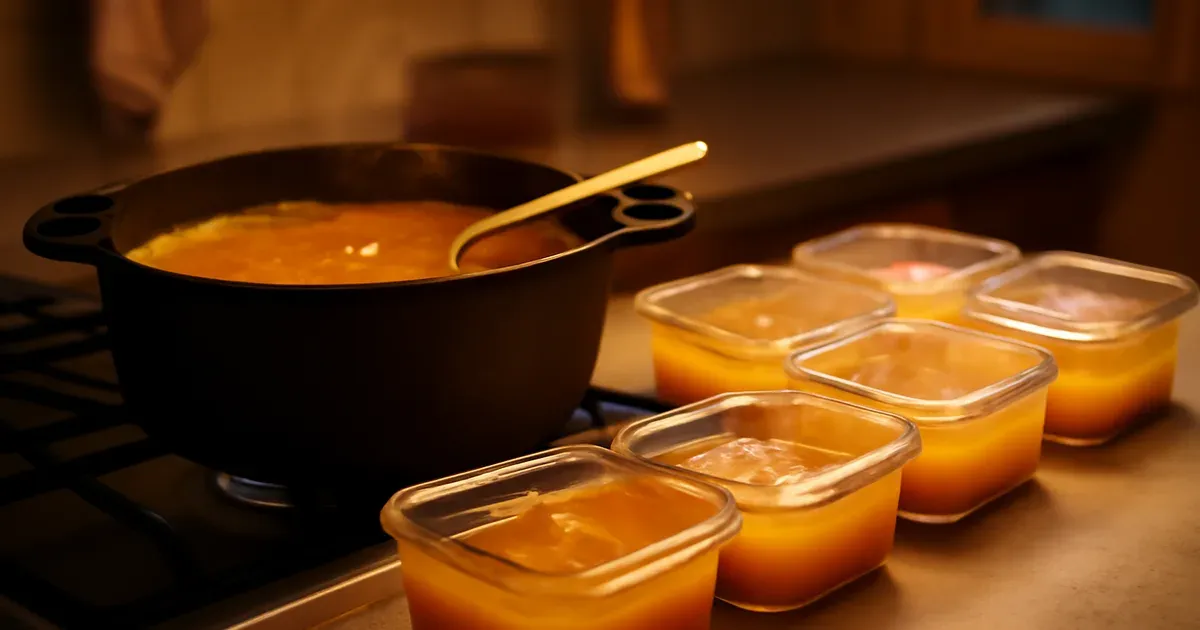
Batch cooking means doubling or tripling a single recipe and storing portions in the fridge or freezer. A pot of turmeric-infused beef and barley soup made on a good Tuesday can provide lunches through Thursday and frozen portions for next week. One flaxseed-crusted salmon fillet becomes dinner tonight and a salmon sandwich filling tomorrow — just combine with Greek yogurt, lemon juice, a chopped celery stick, and a dash of cayenne on whole-grain bread.
You don't need to batch cook everything. Committing to one batch item per week — a soup, a grain, a legume dish — creates a meaningful safety net. Over four weeks, this habit quietly builds a rotating stock of ready-to-eat anti-inflammatory meals that makes your worst pain days far more manageable.
Pro tip: Freeze portions in individual serving sizes rather than large blocks. Defrosting a single portion is faster, uses less energy, and means you're more likely to actually use what you've made.
A registered dietitian can help you personalise batch cooking to your specific nutritional needs and any dietary restrictions linked to your medications or condition.
Step 4: Build Your Plate Around Anti-Inflammatory Ratios
Structure your meals with a simple visual template rather than counting nutrients. About half your plate should be vegetables or fruit, rich in antioxidants including vitamins A, C, E, and K, plus polyphenols that actively reduce inflammation. The remaining half splits between whole grains and a protein source — legumes, fish, eggs, or lean poultry.
Whole grains like oats, wild rice, pot barley, quinoa, and whole-grain bread provide B vitamins essential for energy metabolism — directly relevant when arthritis-related fatigue is a daily reality. They also supply manganese and copper, both potent antioxidants. Aim for two to three servings daily, such as one slice of whole-grain bread or half a cup of cooked grains.
Nuts, seeds, and fatty fish complete the anti-inflammatory picture. Almonds, walnuts, chia seeds, and hemp seeds deliver fibre, antioxidants, and omega-3 fatty acids that help lower inflammatory response. Fatty fish — salmon, sardines, mackerel, herring — provide high-quality omega-3s; include them at least once a week if tolerated. Use olive oil as your primary fat, and consider natural sweeteners like honey or maple syrup when something sweet is needed.
Daily anti-inflammatory plate targets at a glance:
- Fruits & vegetables: 5 servings (½ cup cooked or 1 cup raw leafy)
- Whole grains: 2–3 servings (½ cup cooked grains or 1 slice of bread)
- Legumes: 1–2 servings (½ cup cooked beans or lentils)
- Nuts & seeds: 1–2 servings (2 tbsp seeds or 12–15 almonds)
- Healthy fats: 4–6 servings (1 tsp olive oil or ½ Hass avocado)
- Fermented dairy or plant alternative: 1–2 servings (¾ cup yogurt or 1 cup kefir)
Step 5: Start With One Meal or Snack — Not the Whole Week
Perfection is the enemy of consistency, especially with a condition that changes day to day. Instead of trying to plan every meal, identify the single meal or snack where you most consistently reach for processed or inflammatory foods. That's your starting point.
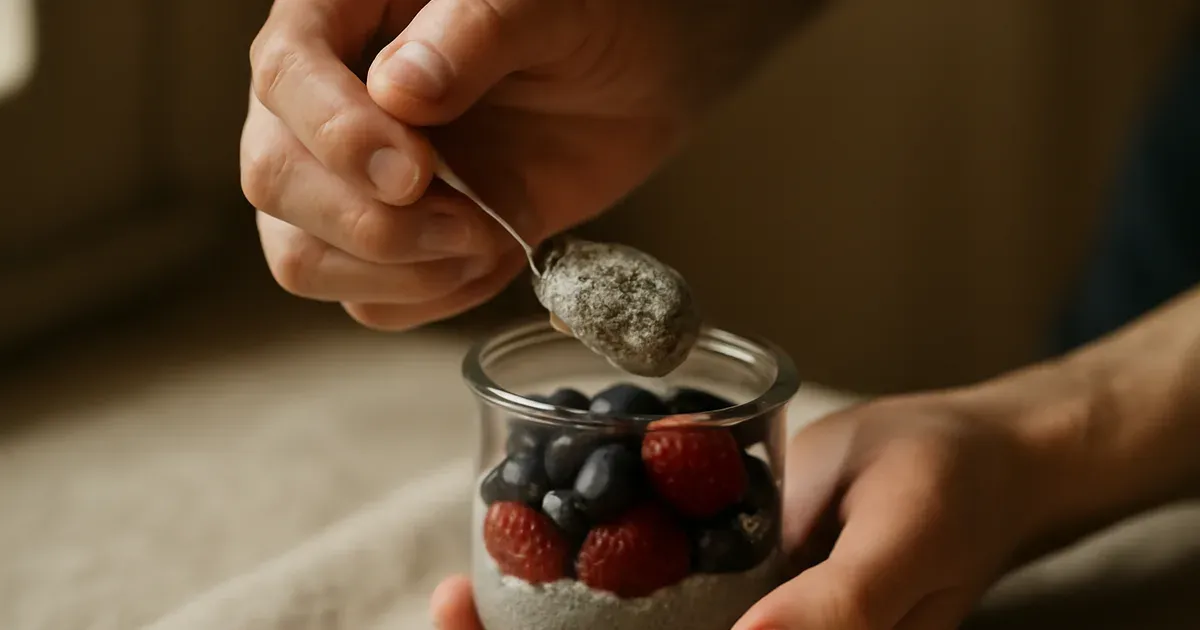
If afternoon snacks are where things fall apart, prep a batch of hemp and walnut energy bites or chia seed pudding on a good day. If breakfast is rushed, make a crispy quinoa breakfast bowl the night before. Small wins compound. One improved meal per week, held consistently, produces a very different diet over three months than an ambitious overhaul that collapses after day four.
This step-at-a-time approach also allows your new habits to become automatic before you add the next layer. Automatic habits require no decision-making energy — and protecting cognitive energy is just as important as protecting joint energy when you're managing arthritis.
What to Expect: A Realistic Week-by-Week Timeline
Week 1: Focus entirely on building your convenience pantry. No full meal prep yet — just stock the freezer, organise your spice rack, and identify your target meal.
Week 2: Batch cook one item on your best day — a soup, a grain, or an energy snack. Eat from it across the week. Note which day felt easiest for cooking.
Week 3: Add a second batch item. Begin applying the half-plate vegetable rule to at least one meal daily. Notice whether your energy levels on prep days affect the rest of your week.
Week 4 and beyond: Your system is forming. Some weeks you'll prep more; some weeks you'll rely on your frozen reserves. Both outcomes are built into the method — that flexibility is the point.
Most people who follow an anti-inflammatory eating pattern consistently report improvements in energy, joint comfort, and general wellbeing within four to eight weeks, though individual results vary and this approach complements — not replaces — medical treatment.
Mistakes That Slow Your Progress
- Trying to overhaul everything at once. Changing your entire diet in week one leads to burnout. Layer changes one meal at a time.
- Skipping the convenience pantry. Without backup staples, one bad week unravels your progress. The pantry is your safety net.
- Prepping on high-pain days. Batch cooking when you're flaring depletes recovery energy. Save prep for your better days and eat from reserves on harder ones.
- Ignoring fermented foods. Plain Greek yogurt, kefir, and similar fermented dairy products support gut health, which is increasingly linked to systemic inflammation. They're easy to include and often overlooked.
- Treating meal prep as all-or-nothing. Half a batch of energy bites still counts. A washed bag of grapes still counts. Any preparation is better than none.
What Can Help You Get There Faster
Assistive kitchen tools make an outsized difference. A good electric can opener, ergonomic knife handles, a lightweight non-stick pan, and silicone jar openers reduce joint strain during every single prep session. These are not luxuries — for someone with arthritis, they're functional equipment.
Tracking and planning apps reduce the cognitive load of meal planning. Apps that let you save favourite recipes, generate shopping lists, and plan a week's meals in advance free up mental energy for the actual cooking. Look for ones that allow ingredient-based searches so you can work from what's already in your pantry.
Professional dietary support accelerates results and prevents nutritional gaps. A registered dietitian with experience in inflammatory conditions can audit your current intake, identify missing nutrients, and customise an anti-inflammatory meal plan to your medications, intolerances, and lifestyle. Sample meal plans — like the two-day plan from dietitian Cristina Montoya — are useful starting points, but personalised guidance is where the real gains happen.
Your Meal Prep for Arthritis: Step-by-Step Recap
- ✅ Step 1: Simplify recipes to 5–10 ingredients; use joint-friendly tools and pre-cut produce
- ✅ Step 2: Build a strategic convenience pantry with frozen vegetables, canned legumes, and anti-inflammatory spices
- ✅ Step 3: Batch cook on good days; freeze individual portions as a reserve for flare days
- ✅ Step 4: Build every plate around the anti-inflammatory ratio — half vegetables, plus whole grains and a protein
- ✅ Step 5: Start with one meal or snack, make it consistent, then layer in the next change
Closing
Meal prep for arthritis doesn't require a perfect week or a pain-free day to get started. It requires a system flexible enough to survive the hard days — and that's exactly what this framework is built to be. Stock your pantry, batch one thing, improve one meal. That's the whole foundation.
The best dietary pattern is the one that makes you feel your best. For most people managing arthritis, that means more vegetables, whole grains, legumes, omega-3 fats, and fermented foods — and a prep approach that works with your body, not against it.
Frequently Asked Questions
How often should someone with arthritis meal prep each week?
There is no fixed schedule that works for everyone. The most effective approach is to prep on your lowest-pain, lowest-fatigue days — even if that's just once every ten days. Having one batch item in the freezer is more valuable than a rigid weekly routine that collapses during a flare.
Which foods should people with arthritis avoid during meal prep?
The primary foods to minimise are those that drive inflammation. These include processed meats, refined starches (white bread, pastries), foods with added sugars, and products high in trans or saturated fats. Replacing these gradually with whole grains, legumes, and vegetables produces measurable dietary improvement without requiring a complete overnight overhaul.
Can an anti-inflammatory diet replace arthritis medication?
Dietary changes complement medical treatment — they do not replace it. An anti-inflammatory eating pattern can support reduced systemic inflammation, improved energy, and better weight management, all of which benefit arthritis management. Any changes to medication or treatment should be discussed with your rheumatologist or GP.
Is the Mediterranean diet the same as an anti-inflammatory diet for arthritis?
They share significant overlap but are not identical. The Mediterranean diet is one of the best-studied examples of anti-inflammatory eating, built around olive oil, fish, legumes, whole grains, and abundant vegetables. An anti-inflammatory diet for arthritis applies the same principles while also emphasising specific nutrients — omega-3s, polyphenols, fermented foods — most relevant to joint health and inflammation reduction.
What is the easiest first anti-inflammatory meal to batch cook?
A vegetable and legume soup is typically the easiest entry point. It requires minimal chopping if you use frozen vegetables and canned legumes, involves one pot, scales easily to multiple portions, and freezes well. Adding turmeric, ginger, and garlic transforms it into a genuinely anti-inflammatory meal with very little extra effort.