How to Speed Up Digestion After Eating
Learn how to speed up digestion after eating with 5 science-backed steps covering fibre, hydration, gut-supporting foods, movement, and stress management — with

You finish a meal and within minutes the familiar heaviness sets in. Bloating, sluggishness, that uncomfortable feeling of food just sitting there. You have tried eating less, skipping certain foods, even fasting — and still, your digestion feels like it is working against you.
The good news is that slow digestion is not a life sentence. Most people can speed up digestion after eating by making a handful of targeted changes to their food choices and daily habits. No extreme elimination diets required. This guide walks you through exactly what to do, why it works, and what to realistically expect along the way.
Why Slow Digestion Happens in the First Place
Your digestive system is remarkably sensitive — and modern life creates the perfect conditions to throw it off balance. Understanding the root cause is the first step toward fixing it.
- Low fibre intake slows the movement of food through your intestines, leading to constipation and a backed-up gut.
- Dehydration is one of the most overlooked causes of sluggish digestion. Without adequate fluid, waste cannot move efficiently through the colon.
- Chronic stress triggers a physiological response that actually suppresses digestive activity. Your body prioritises survival over digestion when it perceives a threat.
- Poor sleep disrupts gut motility — the rhythmic muscle contractions that push food through your system.
- Lack of movement means gravity and gentle muscle activity are not helping food travel through your digestive tract the way they should.
Recognising which of these factors affects you most makes it far easier to choose the right interventions.
Step 1: Rebuild Your Plate Around Fibre-Rich Foods
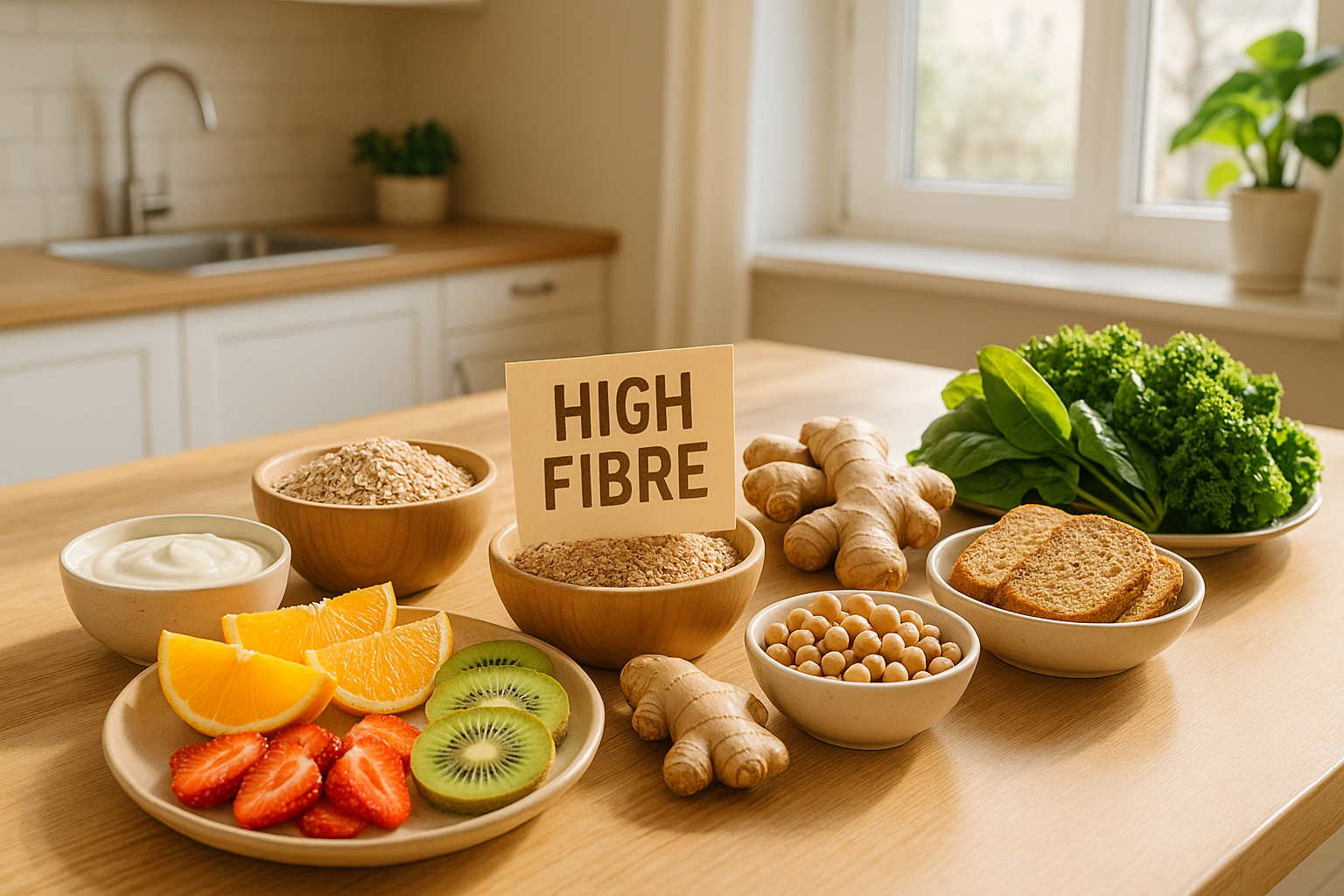
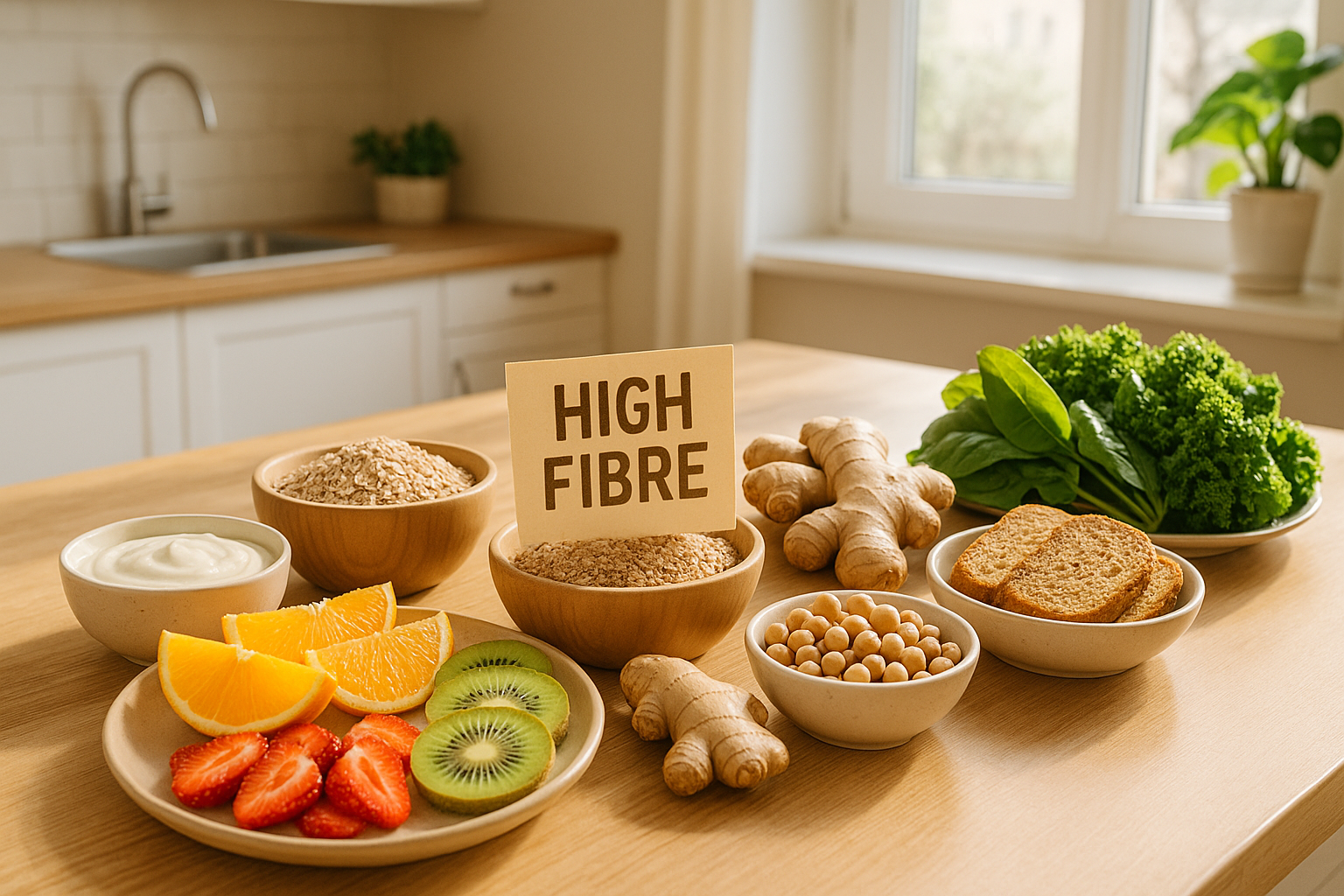
Fibre is the single most powerful dietary tool you have to speed up digestion after eating. It adds bulk to your stool, feeds beneficial gut bacteria, and keeps food moving through your intestines at a healthy pace.
Aim for at least 25 grams of fibre per day. That sounds like a lot, but it breaks down easily across meals. A bowl of oatmeal with a banana at breakfast gets you roughly 8 grams before you have even left the house. Add a portion of brown rice or quinoa at lunch, a handful of beans at dinner, and you are there.
Specific foods to prioritise include:
- Whole grains — brown rice, quinoa, wholemeal bread, and oats slow glucose spikes and keep your gut bacteria well-fed
- Vegetables with skin — potatoes, beans, and legumes are fibre powerhouses that also deliver essential minerals
- Fruits — apples, bananas, and berries provide both soluble and insoluble fibre, plus Vitamin C and potassium
- Leafy greens — spinach, kale, and chard are packed with nutrients and specific sugars that support a healthy gut microbiome
Pro tip: Increase fibre gradually over one to two weeks. Adding too much too fast can cause temporary bloating as your gut bacteria adjust.
Step 2: Hydrate Strategically Throughout the Day
Water does more for your digestion than almost any supplement on the market. Fluids soften stool, support the mucosal lining of your intestines, and help break down food so nutrients can be absorbed efficiently.
The U.S. National Academies of Sciences, Engineering, and Medicine recommend 3.7 litres (about 15.5 cups) of total fluid daily for men and 2.7 litres (about 11.5 cups) for women. Much of this comes from food, but most people still fall short of optimal hydration.
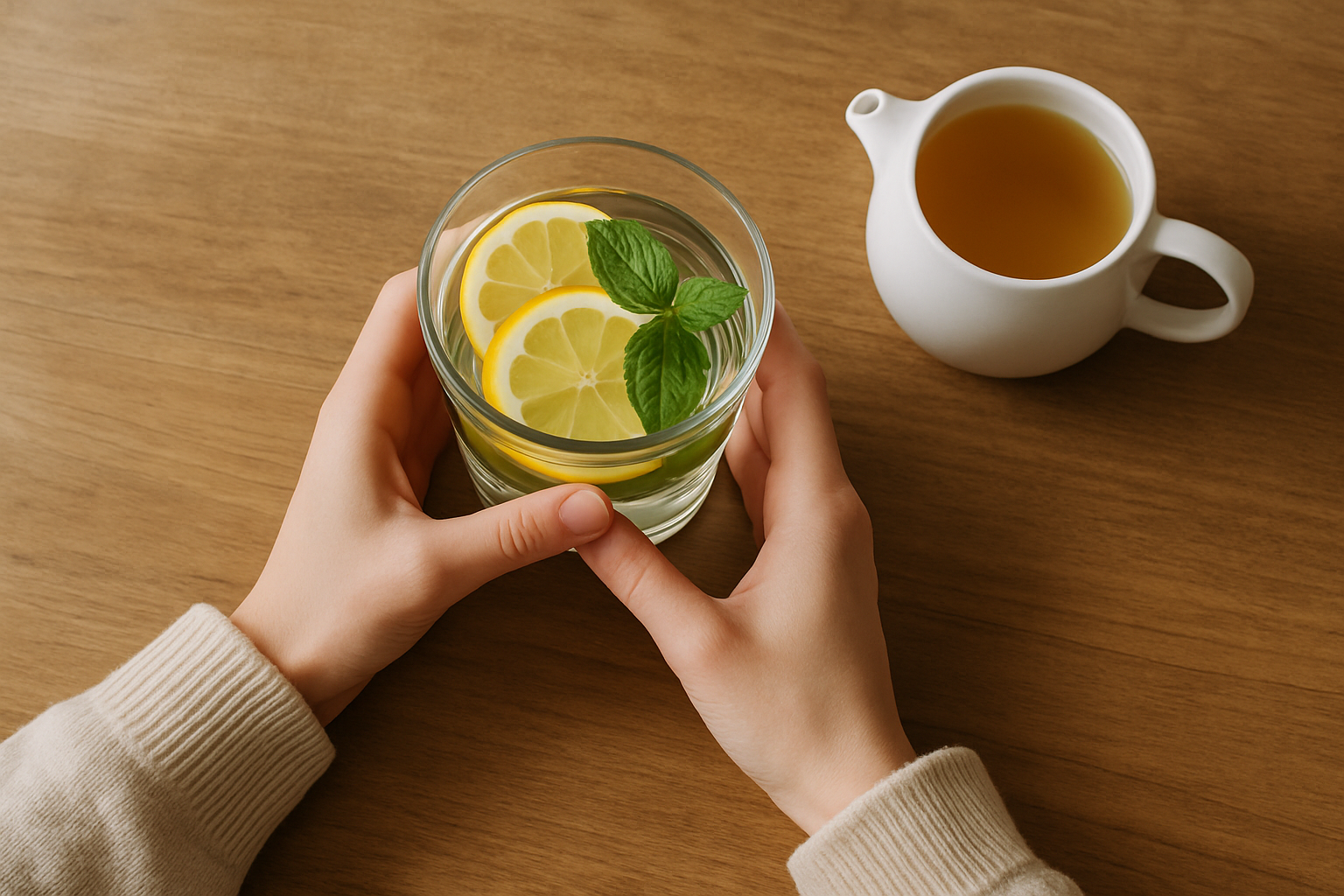
The timing of your hydration matters too. Drinking a glass of water 30 minutes before a meal primes your digestive system without diluting stomach acid during the meal itself. Sipping herbal teas — particularly ginger tea — between meals adds fluid while delivering compounds that actively reduce bloating and digestive discomfort.
Practical hydration habits:
- Start every morning with a large glass of water before coffee or food
- Keep a water bottle visible at your desk or workspace as a constant reminder
- Flavour water with cucumber, lemon, or mint if plain water feels unappealing
- Replace sugary drinks with herbal teas, especially ginger or peppermint varieties
Chronic low fluid intake is directly linked to constipation in both adults and children. If your digestion has been sluggish for weeks, dehydration is almost always part of the picture.
Step 3: Add Digestive-Supporting Foods to Every Meal
Certain foods contain active compounds that directly stimulate digestion, reduce inflammation in the gut lining, and support the balance of bacteria in your microbiome. Weaving these into your daily meals is one of the fastest ways to speed up digestion after eating.
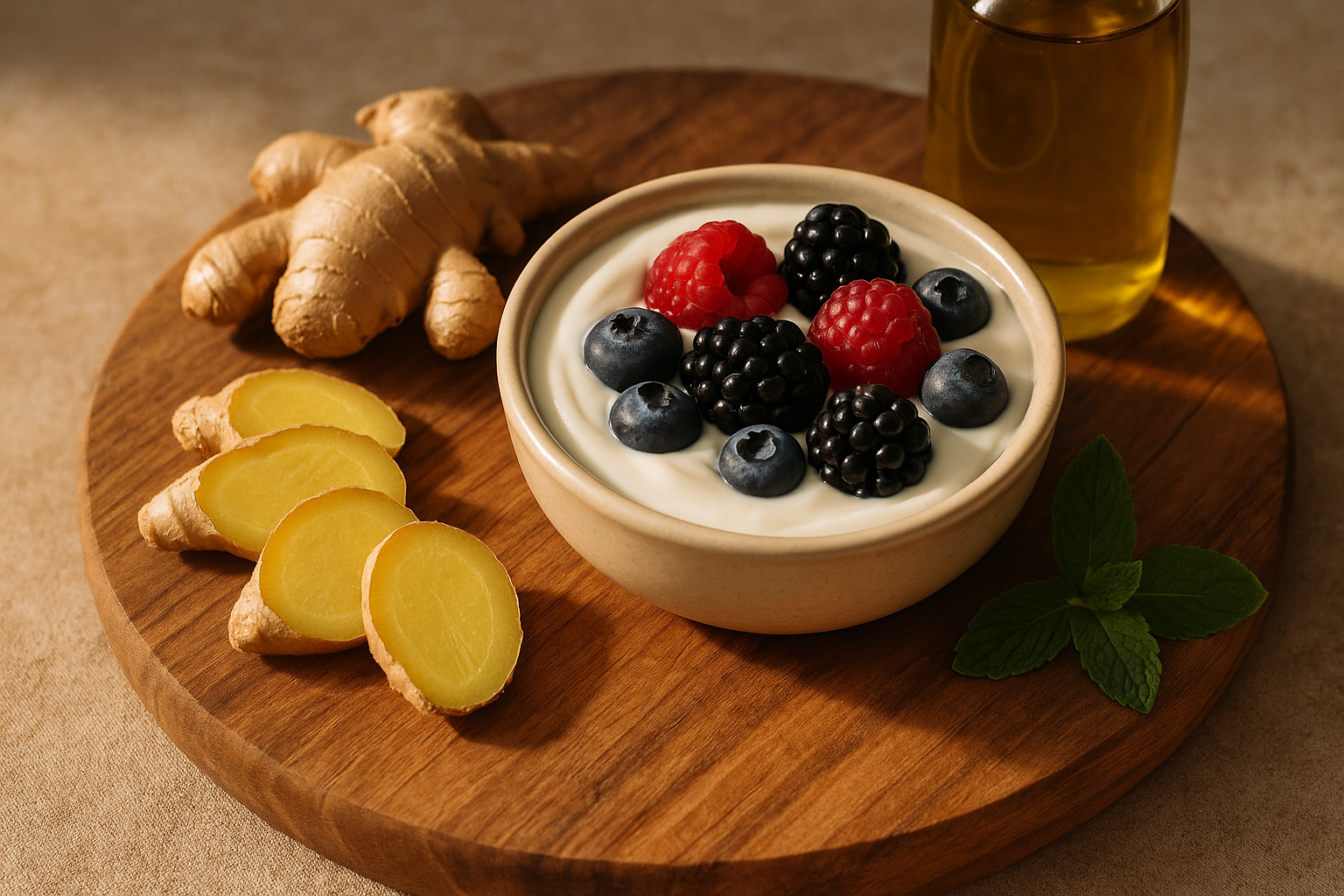
Ginger is one of the most researched digestive aids available. Whether used as fresh root in cooking, grated into tea, or added as dried powder to meals, ginger reduces bloating, nausea, and general digestive discomfort. It works by accelerating gastric emptying — the process by which food moves from your stomach into the small intestine.
Yogurt and fermented foods introduce live bacteria and yeasts directly into your digestive tract. These beneficial microorganisms help break down food more efficiently and crowd out harmful bacteria that can cause gas and inflammation. Look for yogurts labelled with live or active cultures, and consider adding kefir, kimchi, or sauerkraut to your weekly rotation.
Unsaturated fats, such as those found in olive oil, avocados, and oily fish, support the absorption of fat-soluble vitamins and help lubricate the digestive tract. Drizzling olive oil over vegetables or using it as a cooking base is an easy daily habit with measurable digestive benefits.
A note on digestive enzyme supplements: From Step 3 onward, it is worth knowing that targeted supplements — such as digestive enzymes or high-quality probiotic capsules — can complement these food-based strategies, especially if you have a compromised gut or have been on antibiotics recently. These are tools, not shortcuts, and work best alongside the dietary foundations above.
Step 4: Move Your Body After Meals
Exercise is one of the most underused strategies to speed up digestion after eating — and it does not require a gym membership or hour-long sessions. Even light physical activity significantly reduces the time it takes food to move through your digestive system.
A brisk 10–15 minute walk after eating is enough to stimulate gut motility and reduce post-meal bloating. Research consistently shows that light movement after meals lowers blood sugar spikes, improves gastric emptying, and reduces the risk of acid reflux compared to sitting or lying down immediately after eating.
You do not need to push hard. Gentle yoga, stretching, or even standing and doing light household tasks for 20 minutes post-meal is genuinely effective. The goal is to avoid the prolonged stillness that allows food to sit stagnant in your stomach.
Movement also works at a systemic level by reducing cortisol — the stress hormone that directly suppresses digestive function. Regular exercise, even moderate walking three to five times per week, creates a baseline of lower stress that keeps your gut operating efficiently day to day.
Step 5: Prioritise Sleep and Manage Stress Actively
Poor sleep and unmanaged stress are silent saboteurs of digestive health. Many people focus entirely on food and overlook these two lifestyle pillars — and then wonder why their symptoms persist.
Chronic stress activates your sympathetic nervous system — the fight-or-flight response — which effectively shunts blood and neural activity away from your digestive organs. The result is altered gut motility, reduced enzyme production, and a microbiome thrown out of balance. Symptoms like bloating, constipation, and stomach aches are frequently stress responses, not dietary failures.
Sleep deprivation compounds the problem. Poor sleep is linked to multiple gastrointestinal conditions including irritable bowel syndrome, acid reflux, and increased intestinal permeability. Most adults need seven to nine hours of quality sleep for their gut to repair and reset overnight.
Practical steps to address both:
- Set a consistent sleep and wake time, even on weekends
- Avoid screens for 30–60 minutes before bed to support melatonin production
- Practice five minutes of diaphragmatic breathing after meals to activate the parasympathetic (rest-and-digest) nervous system
- Limit caffeine after 2 p.m. to protect sleep quality
- Identify your primary stress triggers and address at least one with a concrete action this week

What to Expect: A Realistic Week-by-Week Timeline
Digestion does not transform overnight — but meaningful change happens faster than most people expect when the right steps are applied consistently.
Days 1–3: You start increasing fibre and fluid intake. Some people experience a temporary increase in gas as gut bacteria adjust to more fibre. This is normal and passes quickly. You may notice slightly softer, more regular bowel movements within 48 hours.
Days 4–7: With consistent hydration, daily movement after meals, and the addition of probiotic-rich foods like yogurt, most people report noticeably less post-meal bloating and improved regularity. Digestion feels lighter.
Week 2: Sleep and stress management begin to compound the dietary changes. The gut-brain axis responds to lower cortisol levels and better sleep quality. Many people notice improved energy after meals rather than the familiar afternoon slump.
Weeks 3–4: Gut bacteria have had time to rebalance. Fibre intake feels natural, hydration is habitual, and the movement routine is established. Symptoms that previously felt chronic — bloating, irregular bowel movements, heartburn — are noticeably reduced or gone.
Beyond Week 4: These are no longer changes — they are your baseline. Sustained gut health improvements positively impact immune function, mental clarity, and overall wellbeing.
Mistakes That Slow Your Progress
Even well-intentioned efforts can backfire if you fall into these common traps:
- Adding too much fibre too fast. Jumping from a low-fibre diet to 25+ grams overnight almost always causes gas and bloating. Increase gradually over one to two weeks.
- Drinking too much fluid during meals. Large quantities of water with food can dilute stomach acid and impair digestion. Hydrate between meals instead.
- Lying down immediately after eating. This dramatically increases the risk of acid reflux and slows gastric emptying. Wait at least two hours before lying flat.
- Ignoring stress. Fixing your diet while living in a state of chronic stress is like filling a bucket with a hole in it. Both need addressing together.
- Expecting overnight results. Impatience leads people to abandon strategies before the gut microbiome has had time to adjust. Give each change at least one full week before judging its impact.
- Cutting out entire food groups without medical advice. Eliminating gluten, dairy, or other categories without a confirmed intolerance can reduce dietary variety and starve beneficial gut bacteria.
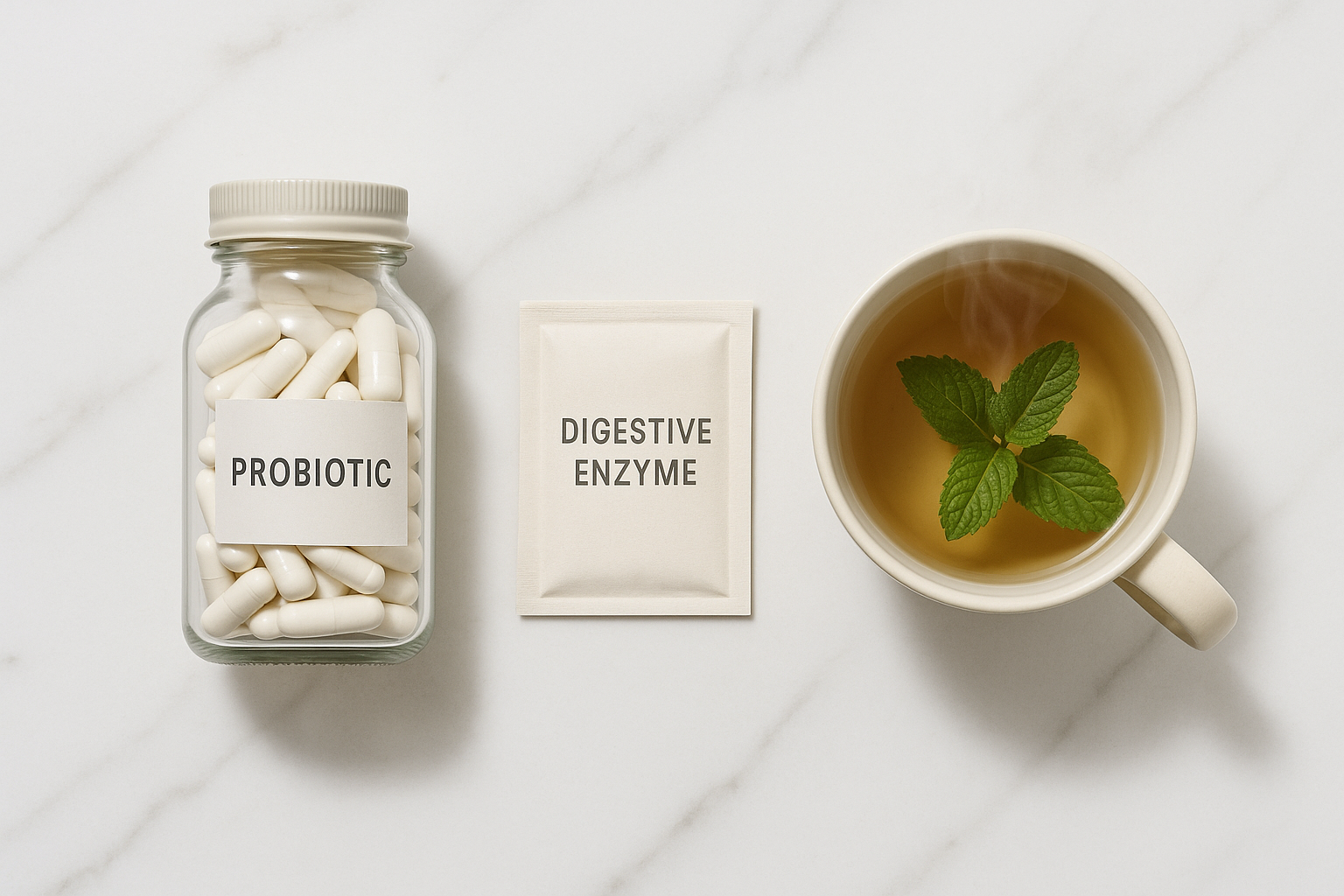
What Can Help You Get There Faster
The right tools support your efforts — they do not replace the foundational steps above. Think of these as accelerators once your basics are in place.
Probiotic Supplements
High-quality probiotic capsules deliver specific strains of beneficial bacteria directly to your gut. They are particularly useful after antibiotic use, during periods of high stress, or when dietary changes alone feel insufficient. Look for products with multiple Lactobacillus and Bifidobacterium strains and a colony count of at least 10 billion CFU.
Digestive Enzyme Supplements
These help break down proteins, fats, and carbohydrates more efficiently — especially useful for people whose natural enzyme production is low due to age, digestive conditions, or poor gut health. Broad-spectrum enzyme blends taken just before a meal can noticeably reduce bloating and post-meal discomfort.
Ginger and Peppermint Teas
Both are clinically supported for digestive symptom relief and are among the easiest, lowest-cost tools available. Ginger accelerates gastric emptying; peppermint relaxes the smooth muscle of the intestines, reducing cramping and spasm. A cup of either after a meal is a simple, evidence-backed habit.
Quick-Reference Summary
Everything you need to speed up digestion after eating, at a glance:
- ✅ Step 1: Rebuild your plate around fibre-rich whole grains, vegetables, legumes, and fruits — aim for 25g daily
- ✅ Step 2: Hydrate strategically — 3.7L for men, 2.7L for women — prioritising water and herbal teas between meals
- ✅ Step 3: Add ginger, yogurt, fermented foods, and olive oil to your daily meals to actively support gut function
- ✅ Step 4: Walk for 10–15 minutes after meals to stimulate gut motility and reduce bloating
- ✅ Step 5: Protect 7–9 hours of sleep nightly and address chronic stress with breathing exercises and consistent routines
- ✅ Avoid: Sudden fibre spikes, drinking large amounts during meals, lying down after eating, and abandoning strategies before week two
- ✅ Consider: Probiotic supplements, digestive enzymes, and ginger or peppermint tea as supportive tools