How to Stop Blaming Your Metabolism for Weight Gain
Discover the 6 biggest boost metabolism myths and learn 5 evidence-based steps to manage your weight without falling for the hype.


You have tried everything. Green tea in the morning, smaller meals spread across the day, an extra hour at the gym — and the number on the scale barely budges. It is frustrating, and it is easy to point the finger at a slow metabolism. The problem is, most of what you have been told about boosting your metabolism is simply not true. Worse, some of that advice may actually be working against you. This guide cuts through the noise, exposes the biggest boost metabolism myths, and gives you a clear, evidence-based path to managing your weight without the guesswork.

Why Metabolism Confusion Happens in the First Place
Your metabolism is not a dial you can simply turn up. It is a complex set of chemical processes your body uses to convert food into energy — powering everything from breathing and thinking to keeping your heart beating. Most people picture it as a furnace they can stoke, but that mental model leads to bad decisions.
The wellness industry profits from that confusion. Supplements, superfoods, and special meal-timing protocols are sold on the promise of a faster metabolism. But the science behind most of these claims is thin at best and misleading at worst.
There are a few core reasons people keep falling for boost metabolism myths:
- Misunderstanding how long a calorie burn actually lasts after exercise
- Overestimating how much muscle affects resting metabolic rate
- Believing that specific foods have meaningful fat-burning effects
- Assuming that eating more frequently automatically speeds things up
- Blaming age for weight gain rather than changes in activity level
Step 1: Reframe What Exercise Actually Does for You
Exercise is essential — but not for the reason most people think. A common belief is that a hard workout revs your metabolism for hours or even the rest of the day. The reality is that the elevated calorie burn from exercise lasts roughly as long as the workout itself, with perhaps an hour of modest afterburn. After that, your metabolism returns to its resting rate.
This matters because of what happens next. Many people finish a gym session and feel entitled to a high-calorie reward — a large smoothie, an extra portion at dinner, or a post-workout snack that far exceeds what they burned. When you overestimate the metabolic aftereffect of exercise, you can easily erase the entire caloric deficit you just created.
The fix is simple: exercise for your health, not as a calorie-burning license. Focus on activities that raise your heart rate — cycling, swimming, brisk walking — and refuel with modest amounts of nutritious food afterward. Think of movement as a long-term investment in cardiovascular health, bone density, and mental wellbeing, rather than a short-term metabolism booster.
Pro tip: Log your post-workout meals for one week. Most people are surprised to find they consume more calories after exercise than they burned during it.
- Aim for heart-rate-elevating activity most days of the week
- Refuel with protein and vegetables rather than high-calorie sports drinks
- Resist the urge to treat exercise as a trade for indulgent eating

Step 2: Build Muscle — But Keep Your Expectations Realistic
Strength training is genuinely valuable, just not for the metabolic reasons you may have heard. Muscle does burn more calories than fat — that part is true. But most regular exercisers gain only a few pounds of muscle over months of consistent training. That small increase in muscle mass produces only a modest rise in resting calorie burn, not the dramatic metabolic shift that is often promised.
Here is the bigger picture. When your muscles are not actively working, they burn very few calories. The organs that drive the bulk of your resting metabolism are your brain, heart, kidneys, liver, and lungs. No amount of bicep curls changes that equation significantly.
Lift weights anyway — for the right reasons. Strength training builds stronger bones, improves posture, reduces injury risk, and supports healthy aging. When combined with cardiovascular exercise and sensible eating, it forms part of a well-rounded approach to weight management. Just do not expect a few pounds of new muscle to single-handedly transform your calorie burn.
- Set realistic expectations: muscle gain takes months of consistent effort
- Combine strength training with cardio for the best overall results
- Pair your exercise routine with appropriate food portions to actually shift the scale
Pro tip: Rather than chasing a metabolic boost from muscle, focus on how strength training makes daily movement easier — that increased activity naturally adds up over time.
Step 3: Stop Waiting for a Food or Supplement to Do the Work
One of the most persistent boost metabolism myths is that certain foods can meaningfully accelerate fat loss. Green tea, caffeine, hot chili peppers — these are regularly marketed as metabolism-boosting superfoods. And while some do produce a small, temporary uptick in metabolic rate, the effect is far too modest to make a measurable difference in body weight.
Chasing functional foods as a weight-loss strategy is a distraction. The time and mental energy spent sourcing special ingredients, brewing specific teas, or timing caffeine intake would be far better invested in building consistent eating habits. No single food overrides the basic principle that total calorie intake relative to calorie output drives weight change.
Choose foods for nutrition and satiety, not metabolic magic. A diet rich in vegetables, lean proteins, whole grains, and healthy fats will keep you fuller for longer, stabilize blood sugar, and support every system in your body — including your actual metabolism. That is a far more powerful strategy than any supplement.
- Read food labels critically and question bold metabolic claims
- Prioritize fiber-rich foods that promote fullness without excess calories
- Use caffeine mindfully if it helps your energy levels, but do not rely on it for fat loss
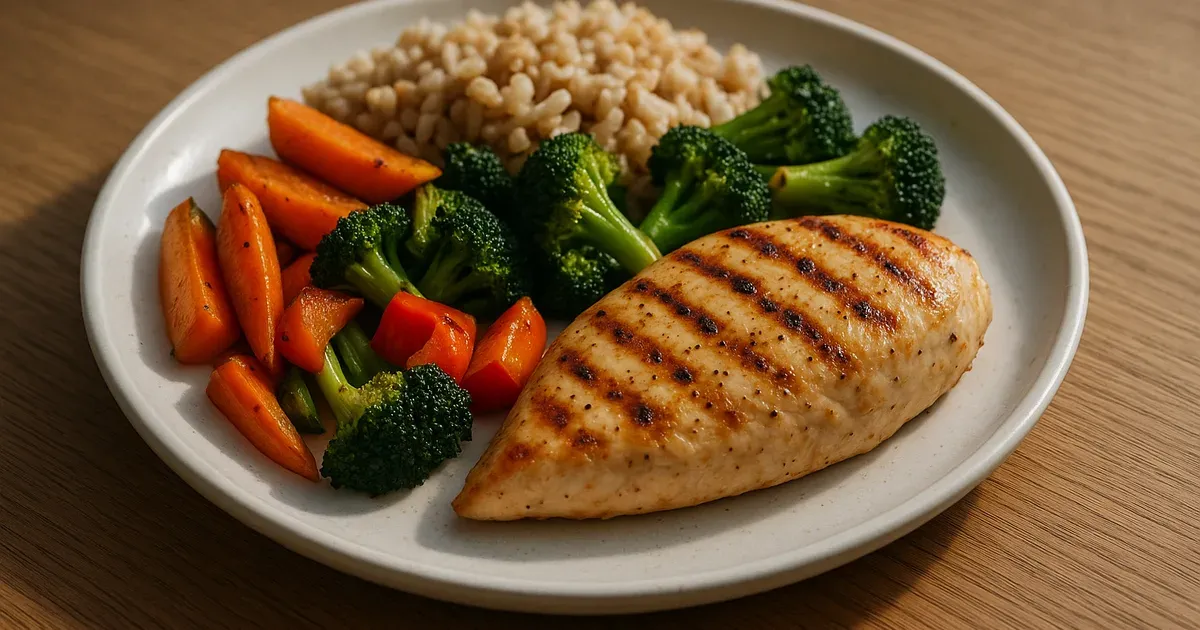
Step 4: Find a Meal Rhythm That Matches Your Hunger — Not a Formula
The idea that eating small, frequent meals speeds up your metabolism is one of the most widely repeated boost metabolism myths — and one of the least supported by evidence. Scientific research does not back the claim that meal frequency meaningfully changes your metabolic rate. What meal timing can affect is how well you manage hunger and portion control.
For some people, spreading food across five or six smaller meals genuinely helps. It prevents the extreme hunger that leads to overeating at a single sitting. Athletes in particular tend to perform better when they eat smaller amounts more frequently. If this approach helps you stay consistent and avoid bingeing, it is worth using.
For others, fewer meals work better. If you are someone who finds it hard to stop eating once you start, three structured meals with clear boundaries may be easier to manage than constant snacking. The key is self-awareness, not a one-size-fits-all rule.
- Pay attention to your actual hunger signals rather than eating by the clock
- Track your daily intake to spot patterns of unintentional overeating
- Limit high-sugar, high-fat snacks regardless of how often you eat
- Choose the meal frequency that helps you stay within appropriate portions
Pro tip: Try a two-week experiment — one week with three meals, one week with five smaller ones. Note which approach leaves you more satisfied and less likely to overeat.
Step 5: Protect Your Sleep and Manage the Aging Process Proactively
Sleep and age are two factors that quietly and powerfully influence your weight — and both are frequently misunderstood. A good night of sleep will not actively boost your metabolism, but consistently poor sleep will work against your weight-management efforts in a very real way. People who are sleep-deprived tend to consume more calories than they need, often driven by fatigue and the body's search for quick energy.
Prioritising sleep is one of the highest-leverage habits you can build. Set a consistent bedtime, reduce screen exposure in the hour before bed, and make your sleep environment cool and dark. If self-care strategies are not enough, speak with a healthcare provider — chronic sleep issues deserve professional attention.
On the question of aging and metabolism: yes, metabolic rate slows somewhat as we get older. But much of the mid-life weight gain that people chalk up to a slowing metabolism is actually driven by becoming less active. Jobs, family commitments, and physical limitations push movement to the back burner. Muscle mass decreases, fat increases, and appetite regulation becomes less reliable — larger meals no longer trigger the same natural pullback in hunger that they once did.
- Schedule sleep as a non-negotiable part of your daily routine
- Stay active as you age — daily movement is more important than ever after 40
- Eat smaller portions at each meal and pay close attention to hunger cues
- Resistance training becomes especially important to offset age-related muscle loss

What to Expect: A Realistic Timeline
Progress with weight management is not linear, and it rarely looks the way social media suggests. Here is a grounded, phase-by-phase breakdown of what to expect when you apply the steps above.
Weeks 1–2: Adjustment. You are recalibrating habits — eating more mindfully, moving consistently, and sleeping better. The scale may not move much. That is normal. Your body is adapting.
Weeks 3–6: Momentum. Consistent exercise and improved food choices begin to show results. You may notice improved energy, reduced bloating, and small but meaningful changes in how your clothes fit.
Months 2–4: Visible change. With a sustainable calorie deficit maintained through activity and portion control, most people see steady, gradual weight loss of roughly 0.5–1 kg per week — which is the rate most likely to be maintained long-term.
Beyond 4 months: The new normal. Habits become automatic. The key from this point is staying active as life changes — especially as you age — and continuing to eat appropriate portions of nutritious food.
Mistakes That Slow Your Progress
- Overestimating post-exercise calorie burn and using workouts as justification for high-calorie meals
- Expecting muscle gain to dramatically change your metabolism — the effect is real but modest
- Chasing superfood supplements instead of building consistent, balanced eating habits
- Ignoring sleep as a foundational pillar of weight management
- Blaming age for inactivity rather than making movement a daily non-negotiable
- Eating by formula (always five meals, always three meals) instead of tuning in to genuine hunger signals
What Can Help You Get There Faster
Tracking tools. A simple food diary — whether a notebook or an app — helps you spot where excess calories are sneaking in. Most people underestimate portion sizes and overestimate activity. Honest tracking closes that gap fast.
Structured exercise programming. Rather than improvising at the gym, following a programme that combines cardiovascular training with strength work ensures you are building muscle, protecting your heart, and burning calories efficiently without burning out.
Sleep support resources. If poor sleep is undermining your progress, resources like sleep hygiene guides, relaxation techniques, or a consultation with a sleep specialist can make a significant difference. Hunger hormones are directly affected by sleep quality, making this one of the highest-return areas to invest in.
Your Quick-Reference Summary
✅ Step 1: Exercise for health — not as a metabolism booster or a calorie-burning pass for overeating ✅ Step 2: Lift weights to build strength and bone density, with realistic expectations about metabolic impact ✅ Step 3: Choose foods for nutrition and satiety — not for supposed fat-burning properties ✅ Step 4: Find a meal rhythm that matches your hunger and helps you stay within appropriate portions ✅ Step 5: Prioritise sleep and stay proactively active as you age
Managing your weight is not about finding the right metabolic trick. It is about letting go of the boost metabolism myths that have kept you spinning your wheels, and replacing them with evidence-based habits that compound over time. Small, consistent actions — moving daily, eating mindfully, sleeping well, and adjusting as you age — add up to results that no supplement or superfood shortcut ever could.