How to Support Your Oral Microbiome in 4 Steps
Learn how to support your oral microbiome in 4 practical steps — improve microbial balance, reduce gum issues, and protect systemic health naturally.

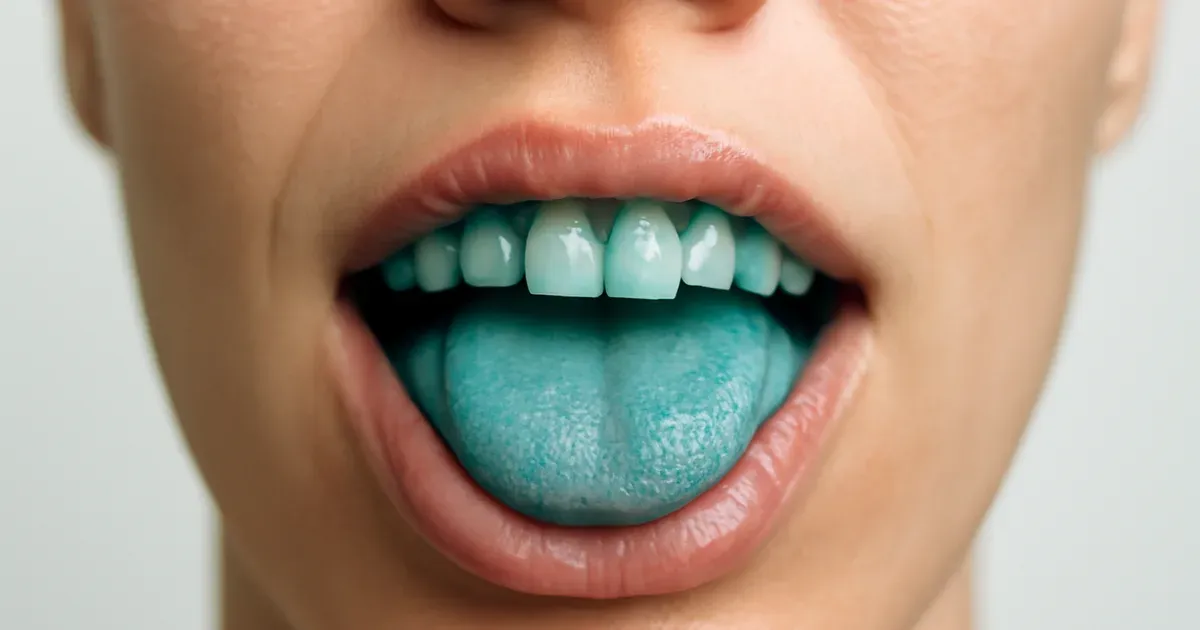
You brush twice a day, floss when you remember, and still something feels off — bad breath that won't quit, gums that bleed a little too easily, or a dentist appointment that never quite gets a clean bill of health. You've tried every minty rinse on the shelf. Nothing sticks.
The problem usually isn't your brushing technique. It's the invisible ecosystem living inside your mouth — over 700 species of bacteria, fungi, and other microorganisms that form your oral microbiome. When that community falls out of balance, no amount of whitening toothpaste fixes it. But when you understand what drives that balance, the path forward becomes surprisingly clear — and it doesn't require harsh chemicals or complicated routines.
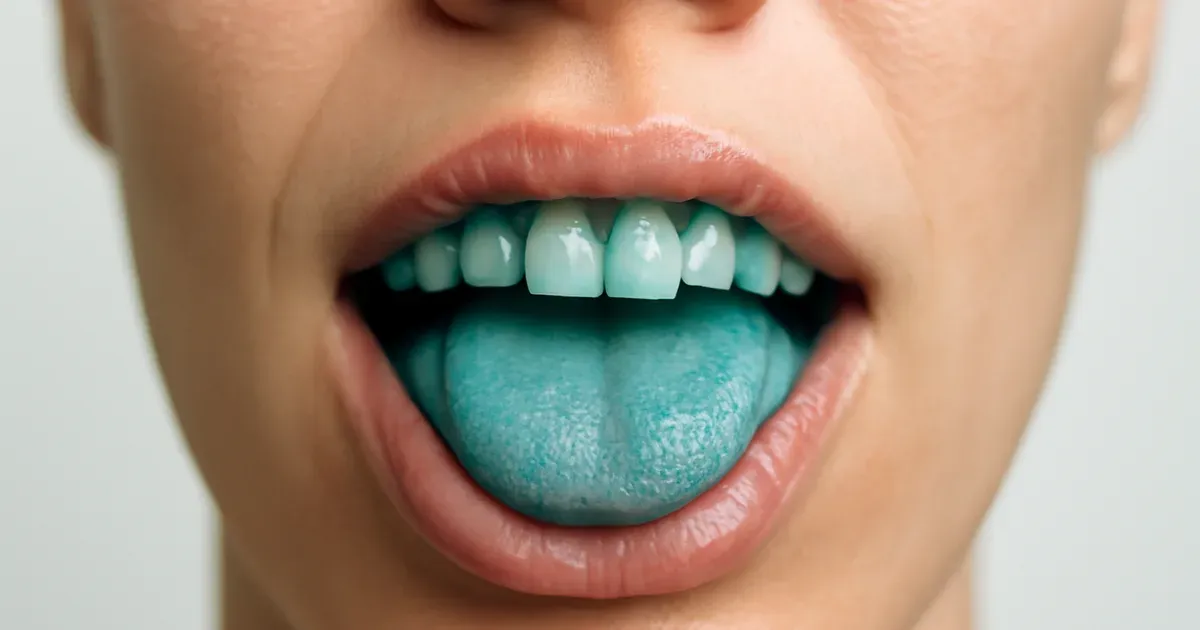
Why Oral Microbiome Imbalance Happens in the First Place
The oral cavity is the second largest microbial community in the human body, after the gut. It hosts bacteria on every surface — teeth, tongue, cheeks, gums, tonsils, hard and soft palate. Each niche shelters a distinct microbial neighbourhood, and disrupting even one can ripple across the rest.
- Diet high in fermentable sugars feeds acid-producing bacteria, crowding out beneficial species and eroding the stable pH (6.5–7) that healthy saliva maintains.
- Antibiotics and antibacterial mouthwashes are non-selective — they eliminate harmful bacteria but also wipe out the commensal species that keep pathogens in check.
- Dry mouth (reduced saliva flow) removes the primary transport medium for nutrients that beneficial microbes depend on, and strips the natural hydration barrier that stabilises the community.
- Disrupted sleep, chronic stress, and smoking alter the local immune environment, shifting bacterial competition in favour of opportunistic, disease-associated species.
- Age and tooth loss restructure the physical surfaces available for colonisation, causing the flora to revert toward simpler, less diverse communities — similar to what exists before teeth erupt in children.
Understanding these root causes means you can act on levers that actually matter, rather than masking symptoms.
Step 1: Audit What Enters Your Mouth Every Day
What you consume is the single most immediate influence on your oral microbiome composition. Bacteria don't just react to sugar — they react to everything: the pH of your coffee, the polyphenols in your tea, the texture of fermented foods. Becoming aware of these inputs is the essential first step before any other intervention can work.
Start by keeping a two-day food and drink log. Note not just what you eat but when — frequent grazing means your oral pH never has time to recover between acid exposures. Look specifically for patterns of high-sugar snacking, frequent acidic drinks (citrus juices, fizzy water, energy drinks), and reliance on antibacterial oral products used multiple times daily.
Then make targeted swaps rather than sweeping restrictions. Replace sugary mid-morning snacks with nuts or raw vegetables, which require sustained chewing — a mechanical action that stimulates saliva production and keeps beneficial bacteria well-nourished. Switch from an alcohol-based mouthwash to a saline rinse or one formulated to preserve microbial balance rather than sterilise the mouth.
Pro-tip: Drink water after every meal rather than waiting hours to brush. It neutralises pH, rinses food debris, and supports saliva — your mouth's built-in microbiome regulator.
Step 2: Rebuild Diverse Microbial Surfaces Through Oral Hygiene Technique
Technique matters more than product. The oral microbiome colonises both hard surfaces (teeth) and soft tissues (mucosa), and your hygiene routine needs to address both — not just enamel.
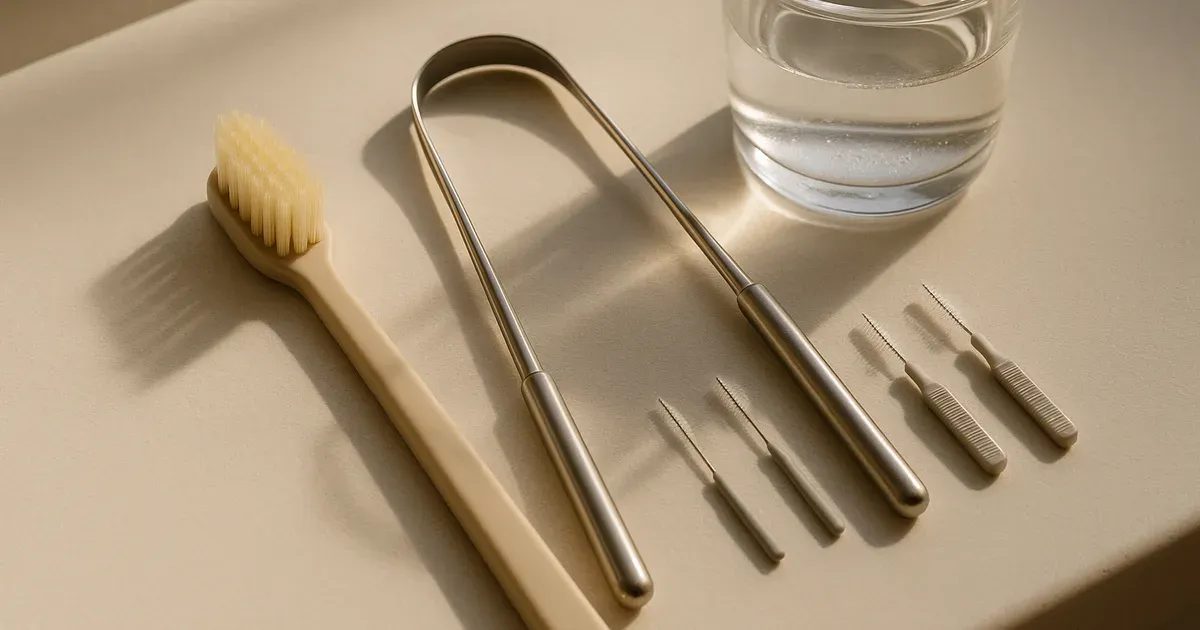
Brush using a soft-bristle brush at a 45-degree angle to the gum line, ensuring you reach the gingival sulcus — the shallow groove between tooth and gum where anaerobic, periodontitis-linked bacteria preferentially colonise. Spend at least 30 seconds per quadrant. Follow this with interdental cleaning (floss or interdental brushes) to disrupt biofilm in the spaces no brush reaches.
Critically, add tongue scraping to your routine. The tongue is one of the richest niches in the oral cavity, harbouring distinct microbial communities that differ significantly from those on teeth. Scraping removes the upper layer of accumulated bacteria and debris, reducing the reservoir that recolonises other surfaces overnight. Do this before brushing, not after, so you're not redistributing displaced bacteria across freshly cleaned teeth.
Finish with a 60-second oil pull or saline rinse to remove loosened debris. Avoid eating or drinking (other than water) for 30 minutes afterward to allow the reformed salivary film — your oral microbiome's scaffold — to stabilise.
Pro-tip: Replace your toothbrush every 8–10 weeks. Old bristles harbour disrupted biofilm that re-inoculates the mouth with whatever mix was previously dominant.
Step 3: Feed the Beneficial Species Directly
Emerging research on the oral microbiome points to diet-based strategies that actively cultivate protective bacterial species — not just remove harmful ones. Streptococcus salivarius, one of the earliest and most beneficial colonisers in the mouth, along with Veillonella and Actinomyces species, all depend on specific substrates to outcompete pathogenic strains.
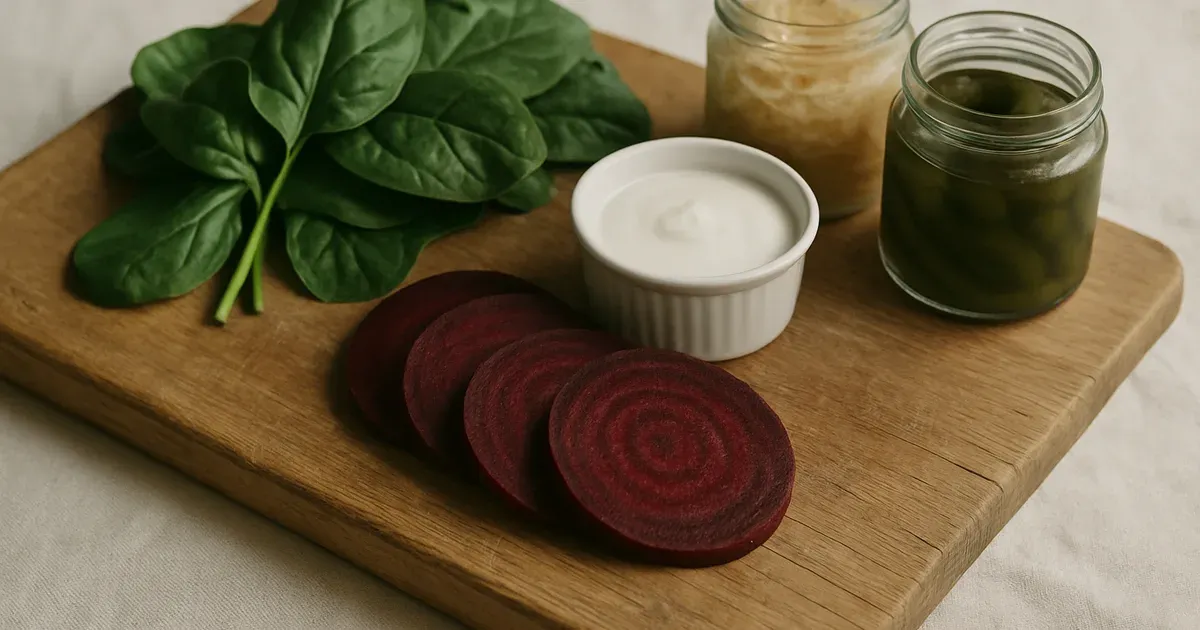
Increase your intake of dietary nitrates through leafy greens like spinach, rocket, and beetroot. Oral bacteria — specifically beneficial species on the tongue — convert dietary nitrate to nitrite, which is then converted to nitric oxide in the stomach. This cycle, called the enterosalivary nitrate cycle, depends on a healthy oral microbiome functioning as an active metabolic participant, not just a passive bystander. Disrupting it — even with antibacterial mouthwash — can meaningfully impair cardiovascular function as well as oral health.
Consider adding fermented foods with live cultures (plain yoghurt, kefir, fermented vegetables) to your regular diet. While the gut microbiome is the primary beneficiary, the oral cavity is the entry point — regular exposure helps maintain microbial diversity along the entire digestive tract. Some practitioners also suggest oral probiotic lozenges containing Streptococcus salivarius K12 or M18 strains, which have been studied for their role in reducing oral pathogen load and supporting gum health.
Pro-tip: Chew slowly and thoroughly. Mechanical chewing stimulates saliva flow — the oral microbiome's primary hydration and nutrient-transport medium — and increases contact time between food-derived compounds and beneficial oral bacteria.
Step 4: Protect Systemic Inputs That Shape the Oral Environment
The oral microbiome does not exist in isolation. It is shaped by — and in turn shapes — systemic factors including hydration, sleep quality, stress hormones, and medication use. Addressing these upstream inputs is what separates short-term improvement from lasting balance.
Hydration is non-negotiable. Saliva maintains a stable pH between 6.5 and 7 and serves as the transport medium for nutrients reaching oral microorganisms. Even mild dehydration reduces salivary flow, shifts the oral environment toward acidity, and triggers dominance by acid-tolerant, disease-associated bacteria. Aim for consistent water intake throughout the day rather than large infrequent volumes.
Sleep and stress management directly affect the immune-mediated regulation of oral microbial communities. Chronic stress elevates cortisol, which suppresses secretory IgA — the immune antibody most active in the mouth — allowing opportunistic species to proliferate. Prioritising 7–9 hours of sleep and incorporating even basic stress-reduction practices (breathing exercises, reduced screen exposure before bed) has a measurable downstream effect on mucosal immunity and therefore oral microbial composition.
If you are prescribed antibiotics, speak with your clinician about probiotic co-supplementation during and after the course. Antibiotics are among the most significant disruptors of the oral microbiome, eliminating both harmful and commensal species without distinction. Rebuilding after a course requires deliberate reintroduction of diverse microbial inputs through diet and targeted supplementation.
What to Expect: A Phase-by-Phase Timeline
Week 1–2 — Audit and Stabilise Bad breath may temporarily increase as disrupted biofilm communities reorganise. Saliva may feel thinner. This is normal. Focus on consistent technique and hydration. Avoid introducing multiple new products simultaneously.
Week 3–4 — Early Diversity Gains With dietary changes and improved technique in place, most people notice reduced gum sensitivity and less morning coating on the tongue. Saliva production often feels noticeably improved. Microbial diversity begins rebuilding at the community level.
Week 5–8 — Functional Stabilisation The oral environment reaches a new equilibrium. Beneficial pioneer species re-establish dominance at key niches. Breath freshness becomes more consistent because it reflects stable community composition rather than temporary hygiene. At this stage, maintenance becomes the priority over active intervention.
Beyond 8 Weeks — Long-Term Maintenance The oral microbiome is dynamic — stress, illness, medication, and dietary shifts can destabilise it. Monthly audits of your inputs (diet, products, sleep) keep you ahead of imbalance rather than reacting to symptoms.

Mistakes That Slow Your Progress
- Over-sanitising the mouth. Antibacterial rinses used twice daily create a recurring disruption cycle. The goal is microbial balance, not elimination.
- Ignoring the tongue. Skipping tongue scraping leaves the largest single bacterial reservoir untouched, undoing much of your tooth-brushing effort.
- Expecting instant results. The oral microbiome is a biological community — it responds to sustained input, not one-time interventions. Impatience leads to product-switching that prevents any stable community from forming.
- Treating oral health as separate from systemic health. Dehydration, poor sleep, and chronic stress are oral microbiome issues as much as lifestyle ones. Addressing only the mouth and ignoring these inputs limits what is achievable.
- Using the same toothbrush for months. Worn bristles are less effective mechanically and harbour disrupted microbial communities that reintroduce imbalance with every brush.
What Can Help You Get There Faster
Diagnostic tools — Human Oral Microbiome Database (HOMD) resources and commercially available oral microbiome testing kits allow you to move from general guidance to personalised intervention. Understanding which specific species are over- or under-represented in your mouth enables targeted dietary and probiotic choices.
Targeted oral probiotics — Products containing clinically studied strains such as Streptococcus salivarius K12 and M18 are formulated specifically for the oral environment. Unlike gut probiotics swallowed in capsule form, these are typically lozenges or chewable tablets designed to release live cultures at the site where they are needed.
Salivary support products — For those experiencing chronic dry mouth, salivary substitutes or xylitol-based products can support the hydration and pH-stabilising role that saliva plays for microbial communities. Xylitol specifically has been studied for its ability to selectively inhibit Streptococcus mutans — a key acid-producing pathogen — without broadly disrupting the wider community.
Your Oral Microbiome Action Plan: Quick Recap
- ✅ Audit daily food, drink, and product inputs — identify what is disrupting your oral pH and microbial balance
- ✅ Adopt a full-surface hygiene routine: gum line brushing, interdental cleaning, tongue scraping, and saline rinsing
- ✅ Add dietary nitrates and fermented foods to actively feed beneficial oral bacterial species
- ✅ Support systemic inputs: consistent hydration, quality sleep, and stress management
- ✅ Allow 6–8 weeks for meaningful community-level change — consistency outperforms intensity
- ✅ Avoid over-sanitising; aim for microbial balance, not elimination
- ✅ Consider oral-specific probiotic strains and microbiome testing for a personalised approach
Frequently Asked Questions
How long does it take to rebalance the oral microbiome?
Most people notice early improvements within 3–4 weeks of consistent dietary changes, improved hygiene technique, and reduced antibacterial product use. Full community-level stabilisation — where beneficial species have re-established dominance across key niches — typically takes 6–8 weeks. Ongoing maintenance is needed because the oral microbiome responds continuously to diet, stress, and lifestyle inputs.
Can the oral microbiome affect gut health?
Yes — the connection is direct and significant. The oral cavity is the entry point to the digestive tract, and bacteria present in the mouth are swallowed continuously with saliva. Oral pathogens including Fusobacterium nucleatum have been identified in gut tissue and linked to inflammatory conditions. Supporting a balanced oral microbiome is therefore relevant to gut health, not separate from it.
Does mouthwash damage the oral microbiome?
Alcohol-based and broad-spectrum antibacterial mouthwashes can disrupt microbial balance when used frequently. They reduce total bacterial load without distinguishing between harmful and beneficial species. If you use a rinse, choose one specifically formulated to preserve microbial diversity, or use a plain saline solution. Reserve antibacterial rinses for short-term clinical use rather than daily maintenance.
What role does saliva play in the oral microbiome?
Saliva is the oral microbiome's primary support system. It maintains a stable pH between 6.5 and 7, hydrates microbial communities, transports nutrients to bacteria across oral surfaces, and carries immune proteins — including secretory IgA — that help regulate which species thrive. Reduced saliva flow (from dehydration, medication side effects, or mouth breathing) is one of the fastest ways to destabilise the oral microbial community.
Are oral probiotics worth taking?
Oral-specific probiotic strains — particularly Streptococcus salivarius K12 and M18 — have meaningful research support for reducing oral pathogen load, supporting gum health, and decreasing bad breath. Unlike standard gut probiotics in capsule form, these strains are designed to colonise oral surfaces and function within the specific environment of the mouth. They are best used as part of a broader approach that includes dietary and lifestyle changes rather than as a standalone fix.