How Your Body Fights Weight Loss
Your body actively resists weight loss through metabolic slowdown, hunger hormones, and brain chemistry. Learn why — and how to work with your biology.


You cut calories, you exercise more, and for a while the scale moves — then it stops. This frustrating plateau is not a failure of willpower. It is your biology doing exactly what it evolved to do. Understanding how your body fights weight loss is the first step toward working with your physiology rather than against it.
The human body is wired for survival. When it senses a calorie deficit, it triggers a cascade of hormonal, metabolic, and neurological responses designed to protect stored energy. These mechanisms kept our ancestors alive through famine. In a modern world of deliberate dieting, they become obstacles.

The Metabolism Slowdown: Your Body's First Line of Defense
When you eat less, your body burns less. This phenomenon, known as adaptive thermogenesis, means your resting metabolic rate drops in response to reduced calorie intake. Research has shown that this slowdown can be disproportionately large — greater than what you would predict simply from losing body mass.
Your body becomes more efficient at using the fuel it has. Muscles move with less energy expenditure, body temperature may drop slightly, and non-exercise activity — the unconscious fidgeting, posture shifts, and small movements you make throughout the day — decreases significantly.
This metabolic adaptation can persist long after active dieting ends. Studies on participants from the television programme "The Biggest Loser" found that metabolic rates remained suppressed years after the competition, even in those who regained weight. The body "remembers" the deficit and continues to compensate.
Hunger Hormones That Work Against You
Hormones are powerful messengers, and during weight loss they send an urgent signal: eat. Ghrelin, often called the hunger hormone, rises when you restrict calories. It signals the brain that the body needs fuel, making food feel more appealing and increasing cravings — particularly for calorie-dense foods.
At the same time, leptin — the hormone that signals fullness and satiety — falls as body fat decreases. Less fat tissue means less leptin production. The brain receives fewer "I am satisfied" signals and more "feed me" signals simultaneously.
This hormonal imbalance does not resolve quickly. Studies show that ghrelin and leptin levels can remain dysregulated for more than a year after significant weight loss, creating a sustained biological pressure to regain the lost weight. This is not a character flaw — it is endocrinology.
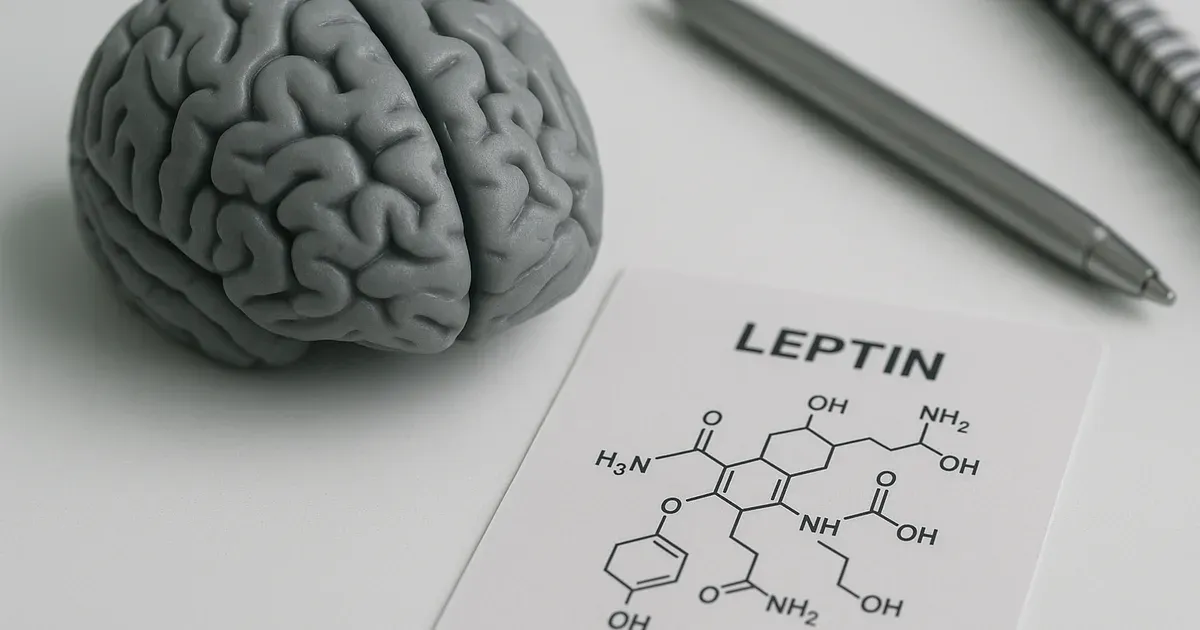
The Brain's Role: Reward, Cravings, and Perceived Deprivation
Your brain actively conspires to end a calorie deficit. The reward centres of the brain become more responsive to food cues during weight loss. Images of food, food smells, and even conversations about eating trigger stronger dopamine responses than they did before dieting began.
Cognitive function related to impulse control can also be subtly impaired when the body is in an energy deficit. This makes resisting temptation neurologically harder — not just emotionally harder. The brain prioritises finding food in the same way it would prioritise breathing.
Stress compounds the problem. Cortisol, released in response to both physical calorie restriction and psychological stress, promotes fat storage — particularly around the abdomen. The mental strain of sustained dieting can itself become a metabolic obstacle.
Muscle Loss and the Metabolic Penalty
Losing weight is not the same as losing fat. When calories are cut aggressively, the body does not exclusively burn stored fat. It breaks down lean muscle tissue as well, particularly if protein intake is insufficient or resistance exercise is absent from the routine.
Muscle is metabolically expensive tissue — it burns more calories at rest than fat does. As muscle mass decreases, the metabolic rate falls further, compounding the adaptive thermogenesis already underway. This creates a cycle where each pound lost makes the next pound harder to shed.
Preserving muscle during weight loss is therefore critical. Adequate dietary protein — Northwestern Medicine experts generally recommend prioritising protein at each meal — and strength training help maintain lean mass and protect metabolic rate during a calorie deficit.

The Gut-Brain Connection and Weight Regulation
Emerging research points to the gut microbiome as a significant player in how your body fights weight loss. The trillions of microorganisms living in your digestive tract influence energy extraction from food, inflammation levels, and even the signalling pathways that regulate appetite.
When the gut microbiome is disrupted — through diet changes, stress, or reduced dietary diversity — its ability to support healthy metabolic signalling is compromised. Some gut bacteria are particularly efficient at harvesting calories from food, meaning two people eating identical diets may absorb different amounts of energy.
The gut also communicates directly with the brain via the vagus nerve, sending signals that influence satiety, mood, and food preference. Hormones produced in the gut lining, including GLP-1 and peptide YY, play a direct role in fullness signalling. Supporting gut health through fibre-rich, varied foods may help modulate some of the biological resistance to weight loss.
Why Weight Loss Slows Over Time: The Set Point Theory
Your body appears to defend a preferred weight range — sometimes called a set point. This is not a fixed number but a range influenced by genetics, long-term dietary habits, sleep quality, stress levels, and the composition of the gut microbiome.
When body weight drops below this defended range, the survival mechanisms described above intensify. When weight is maintained at a new lower level for a sustained period — some researchers suggest one to two years — the set point may gradually adjust downward.
This means slow, sustainable weight loss is not just a preference — it is physiologically smarter. Rapid weight loss triggers more aggressive compensatory responses. A moderate, consistent deficit gives the body time to recalibrate without triggering full alarm.

What You Can Do: Working With Your Biology
Understanding the body's resistance mechanisms changes how you approach weight management. Rather than fighting harder against your biology, the goal becomes minimising the triggers that activate these defences.
Key strategies supported by research include:
- Prioritise protein. High protein intake supports muscle retention, increases diet-induced thermogenesis, and promotes satiety through gut hormone signalling.
- Strength train regularly. Resistance exercise preserves lean muscle mass, protecting your resting metabolic rate during a deficit.
- Avoid aggressive restriction. Very low calorie diets trigger stronger adaptive responses. A moderate deficit of 300–500 calories per day is generally more sustainable.
- Manage sleep and stress. Poor sleep elevates ghrelin and cortisol, directly worsening the hormonal environment for weight loss.
- Eat for gut diversity. A varied, fibre-rich diet supports a microbiome that functions in your favour, not against it.
- Plan for diet breaks. Periodic maintenance phases — eating at your current body weight's calorie needs — may help reset some hormonal signals and reduce adaptive thermogenesis.
- Be patient with plateaus. A plateau is not failure. It is the body adapting. Adjusting one variable at a time — calories, protein, activity — is more effective than dramatic overhauls.
The Bottom Line
How your body fights weight loss is a story of sophisticated, ancient survival biology. Metabolism slows, hunger hormones surge, the brain amplifies food rewards, muscle is sacrificed, and the gut microbiome shifts — all in service of keeping you alive through a perceived famine.
None of this means weight loss is impossible. It means it requires strategy, patience, and self-compassion. The people who succeed long-term are rarely those who pushed hardest against their biology — they are the ones who learned to work alongside it.
Knowing the enemy is the first step to not being defeated by it.