Increase GLP-1 Naturally: Your Top Questions Answered
Learn how to increase GLP-1 naturally through diet, exercise, and gut health — no medication required. Expert-backed answers in one place.

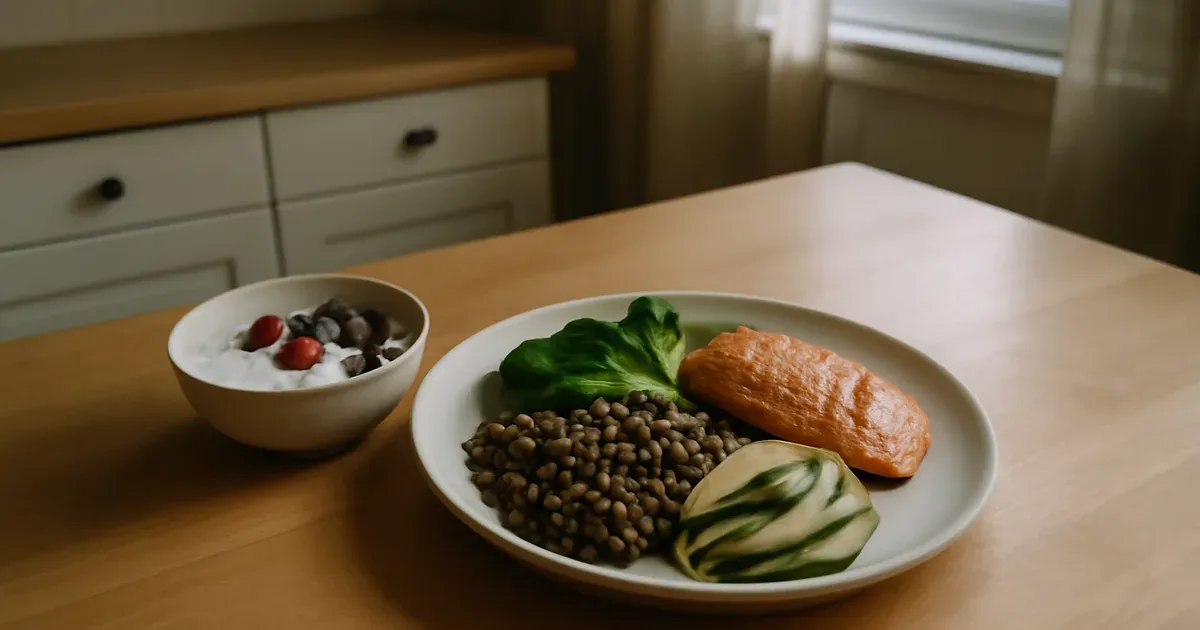
GLP-1 has become one of the most talked-about topics in health and weight management — but most conversations focus on medication, not your body's own production. If you're wondering whether you can increase GLP-1 naturally through food, exercise, or lifestyle changes, you're not alone. The science is real, the options are practical, and the answers below will help you make an informed decision about what works for your goals.
Jump to Your Question
What is GLP-1 and why does it matter for weight loss?
Can you actually increase GLP-1 naturally without medication?
Which foods increase GLP-1 naturally?
Does exercise increase GLP-1 levels?
How does gut health affect natural GLP-1 production?
Natural GLP-1 vs. GLP-1 medication: which is right for you?
How long does it take to increase GLP-1 naturally?
Are there supplements that boost GLP-1 naturally?
What is GLP-1 and why does it matter for weight loss?
GLP-1, or glucagon-like peptide-1, is a hormone your body produces naturally to regulate blood sugar and appetite after eating. It is secreted by specialised L-cells lining the small intestine when those cells detect protein, fat, carbohydrates, or fibre passing through.
Once released, GLP-1 travels through the bloodstream and triggers three key actions:
- Pancreas: Stimulates insulin release to lower blood sugar
- Brain: Sends fullness signals that reduce appetite
- Stomach: Slows digestion so you feel satisfied longer
These combined effects make GLP-1 a central player in weight management. People with higher natural GLP-1 activity tend to have better appetite control and more stable blood sugar — two factors closely tied to sustainable weight loss.
Can you actually increase GLP-1 naturally without medication?
Yes — specific diet, exercise, and lifestyle habits can increase GLP-1 naturally, though not to the same degree as prescription medication. Research confirms that both food choices and physical activity influence how much GLP-1 your L-cells produce and release.
It is important to set realistic expectations. Natural strategies produce gradual, modest GLP-1 elevation. Medication like Ozempic or Mounjaro mimics GLP-1 at pharmacological levels that food and exercise cannot replicate.
That said, natural methods offer meaningful advantages:
- No cost barrier — food and exercise do not carry a $500–$1,500 monthly price tag
- No common side effects like nausea, vomiting, or diarrhoea
- Long-term metabolic benefits that extend well beyond GLP-1 alone
For many people, natural GLP-1 support is a strong foundation — either on its own or alongside medical treatment.
Which foods increase GLP-1 naturally?
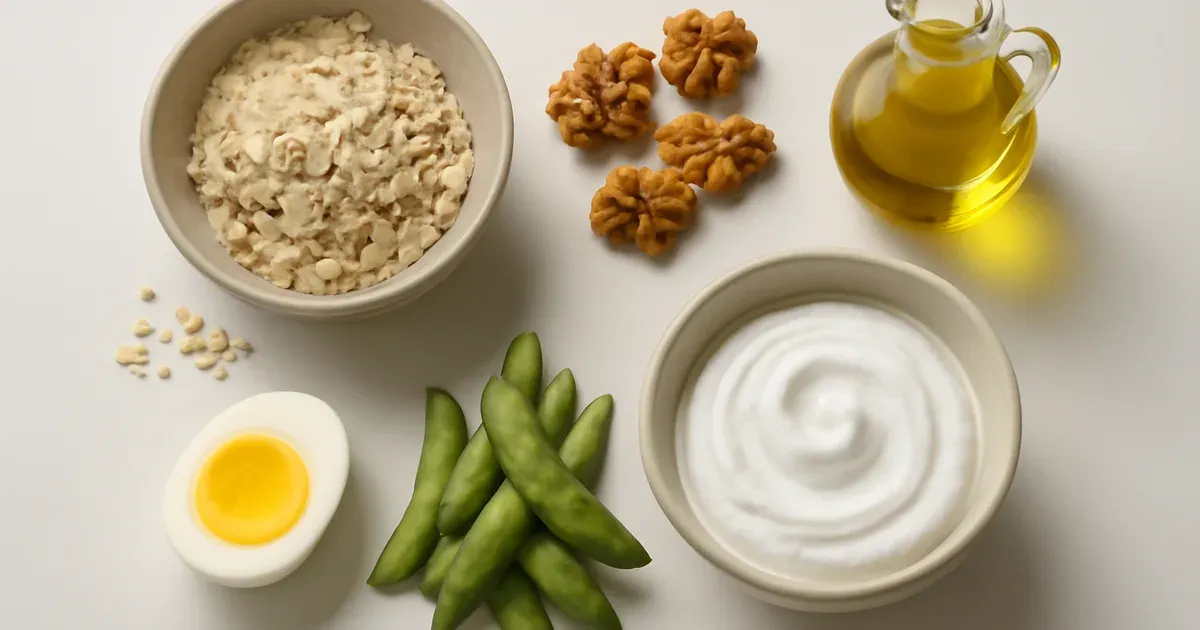
Certain food categories have been shown in research to stimulate GLP-1 release from L-cells in the gut. The four best-supported categories are protein, fibre, healthy fats, and fermented foods.
Protein-rich foods
High-protein meals are among the most reliable triggers for GLP-1 secretion. Both animal and plant proteins can stimulate release — what matters most is including a complete, high-quality source. Aim for 25–30 grams of protein per meal from sources like:
- Lean meats and fish
- Eggs
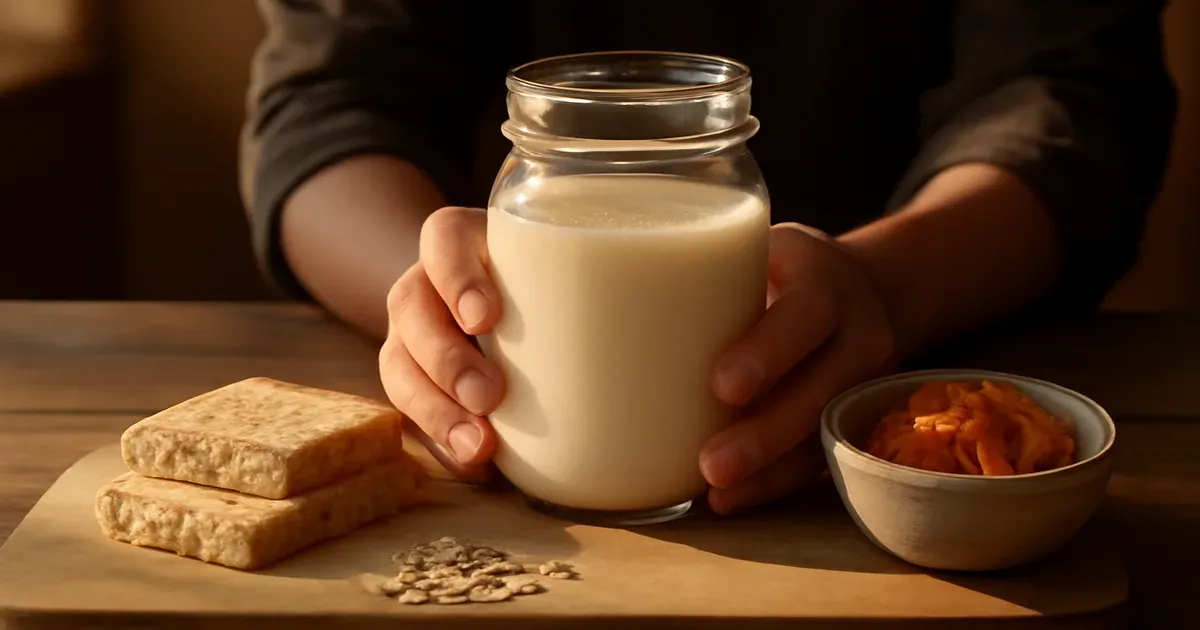
- Tofu and tempeh
- Whey protein
Fibre-rich foods
Soluble fibre from oats, legumes, and vegetables promotes GLP-1 release by feeding gut bacteria and slowing nutrient absorption. One study found that 20 grams per day of oligofructose — a prebiotic fibre found in plants — significantly elevated post-meal GLP-1.
Healthy fats
Monounsaturated fats and omega-3 fatty acids stimulate GLP-1 through fatty acid receptors on enteroendocrine cells. Good sources include olive oil, avocados, nuts, and fatty fish. Early research is promising, though more large-scale human trials are still needed.
Fermented foods
Yogurt, kefir, and fermented vegetables may raise GLP-1 levels through improved gut microbiome diversity. One study found that eating 1 cup of yogurt with live cultures daily increased fasting GLP-1 compared to calorie restriction alone. Effects are modest but meaningful when combined with other strategies.
Does exercise increase GLP-1 levels?
Regular physical activity is one of the most well-supported natural ways to increase GLP-1 levels. A 2021 review and a 2025 meta-analysis both found that exercise — whether a single session or a consistent routine — can boost GLP-1, particularly in people with type 2 diabetes.
Registered dietitian Gianna Masi, RDN, explains: "Exercise is a key component in natural GLP-1 production. Regular physical activity, including both aerobic exercise and resistance training, increases GLP-1 and insulin sensitivity and post-meal GLP-1 response."
Both types of training contribute:
- Aerobic exercise (walking, cycling, swimming) — shown to boost post-meal GLP-1 response
- Resistance training (weights, bodyweight exercises) — improves insulin sensitivity and metabolic function
Exercise also helps the body use glucose more efficiently, producing an effect similar to GLP-1 independently of the hormone itself.

How does gut health affect natural GLP-1 production?
The health of your gut microbiome directly influences how much GLP-1 your intestinal L-cells produce. L-cells rely on signals from gut bacteria and their metabolites — the molecules bacteria produce during digestion — to time and calibrate GLP-1 release.
A diverse, well-fed microbiome produces more short-chain fatty acids (SCFAs), which are known to stimulate GLP-1 secretion. Poor gut health — caused by low fibre intake, processed foods, or antibiotic overuse — reduces this signalling.
To support gut health and natural GLP-1 production together:
- Eat a variety of plant foods to feed diverse bacterial strains
- Include prebiotic fibre (onions, garlic, oats, bananas) to fuel SCFA production
- Add fermented foods (kefir, kimchi, yogurt) to introduce beneficial bacteria
- Limit ultra-processed foods that can disrupt microbial balance
Gut and brain health are deeply connected — supporting one almost always supports the other.
Natural GLP-1 vs. GLP-1 medication: which is right for you?
The choice between natural GLP-1 support and GLP-1 medication depends on your health goals, budget, and medical history. Neither approach is universally superior — they serve different needs and can even be combined.
| Factor | Natural GLP-1 | GLP-1 Medication |
|---|---|---|
| Effect strength | Modest, gradual | Significant, faster |
| Cost | Low (food/exercise) | $500–$1,500/month |
| Side effects | Minimal | Nausea, vomiting, GI issues (20–44%) |
| Sustainability | High — builds lasting habits | Requires ongoing use |
| Best for | Metabolic health, prevention, mild weight goals | Obesity, type 2 diabetes, significant weight loss |
Natural strategies are a strong foundation for anyone, regardless of whether medication is part of the picture. For people with obesity or type 2 diabetes, medication combined with lifestyle changes tends to produce the best outcomes.
Always consult a healthcare provider or registered dietitian before starting or stopping any GLP-1 medication.
How long does it take to increase GLP-1 naturally?
There is no single fixed timeline for raising GLP-1 naturally — the response depends on the consistency and combination of strategies you adopt. Some changes, like a single high-protein or high-fibre meal, can trigger a measurable GLP-1 response within hours. Sustainable elevation, however, requires consistent habits over weeks.
General expectations based on current research:
- Immediate (same meal): High-protein or fibre-rich meals can stimulate GLP-1 release acutely
- Short-term (2–4 weeks): Regular exercise has been shown to improve post-meal GLP-1 response
- Long-term (8–12+ weeks): Gut microbiome changes from diet and fermented foods take time to develop and stabilise
Consistency is the key variable. Sporadic healthy meals will not produce lasting hormonal shifts. A sustained pattern of protein-rich eating, regular movement, and gut-supporting foods builds the biological environment for better natural GLP-1 activity.
Are there supplements that boost GLP-1 naturally?
Some natural dietary compounds have shown early promise in influencing GLP-1 levels, though the evidence is still emerging. Two of the most studied are berberine and certain teas.
Berberine, a plant-derived compound, has been shown in several studies to improve glucose metabolism and may support GLP-1 activity — though research in healthy populations is limited. Green tea and other polyphenol-rich teas have also been associated with modest improvements in GLP-1 response in some studies.
Important caveats:
- Most supplement studies are small or conducted in people with metabolic conditions
- Supplements are not regulated to the same standard as medications
- No supplement currently matches the GLP-1 effect of prescription drugs
Always speak to a healthcare provider before adding supplements, especially if you are managing diabetes or taking other medications. Food-first strategies remain the most evidence-backed natural approach.
Bottom Line
- GLP-1 is a natural hormone that regulates blood sugar and appetite — and your lifestyle directly influences how much your body produces.
- Protein, soluble fibre, healthy fats, and fermented foods are the best-evidenced dietary triggers for natural GLP-1 release.
- Both aerobic and resistance exercise increase GLP-1 and insulin sensitivity, with benefits extending beyond those with diabetes.
- Gut microbiome health plays a central role in GLP-1 production — diverse, fibre-rich eating supports both simultaneously.
- Natural methods and medication are not mutually exclusive — healthy habits improve outcomes whether or not you use GLP-1 drugs.
Frequently Asked Questions
Does coffee increase GLP-1 naturally?
Some research suggests that caffeine and coffee compounds may modestly stimulate GLP-1 release, but the evidence is preliminary and effects are small. Coffee should not be relied on as a primary GLP-1 strategy. A diet rich in protein, fibre, and healthy fats remains the stronger approach.
Can intermittent fasting increase GLP-1 levels?
Intermittent fasting may influence GLP-1 indirectly by improving insulin sensitivity and gut microbiome composition, but direct evidence that fasting consistently raises GLP-1 in humans is limited. Prioritising meal quality — especially protein and fibre — is better supported by current research than fasting timing alone.
Is it safe to try to increase GLP-1 naturally if I have type 2 diabetes?
Yes, the dietary and exercise strategies that support natural GLP-1 production are generally safe and beneficial for people with type 2 diabetes. However, any significant changes to diet or exercise should be discussed with your healthcare provider, particularly if you are on medications that affect blood sugar, to avoid hypoglycaemia risk.
Do GLP-1 levels decline with age?
Some research suggests that GLP-1 response may become less efficient with age and metabolic decline, which is one reason older adults often experience changes in appetite regulation and blood sugar control. This makes the gut-health and exercise strategies outlined above especially valuable as part of healthy ageing.
Can children or teenagers increase GLP-1 naturally?
The same dietary foundations — protein, fibre, healthy fats, and regular movement — support healthy GLP-1 function across all age groups, including younger people. Parents and caregivers should focus on building these habits through whole-food eating and active lifestyles rather than supplementation.