Junk Food Addiction Explained: Your Biggest Questions Answered
Discover why junk food addiction is real, how the brain is hijacked by engineered foods, and 8 science-backed answers to your biggest questions about cravings.


Junk Food Addiction Explained: Your Biggest Questions Answered
Cravings hit hard, and they hit often. If you've ever found yourself reaching for chips or chocolate at 3 p.m. despite your best intentions, you're not broken — you're human. The science behind junk food addiction is real, and so is the struggle to overcome it. This guide answers the questions most people are too embarrassed to Google, with straight-talking answers grounded in nutrition research.

Jump to Your Question
Why is junk food so addictive?
What is the "bliss point" in food manufacturing?
How does junk food addiction affect the brain?
Why do cravings get worse when you're stressed or tired?
What foods actually help reduce junk food cravings?
Does meal planning really help with junk food addiction?
Can your mindset change how much junk food you crave?
How long does it take to stop craving junk food?
Why is junk food so addictive?
Junk food is addictive because it is deliberately engineered to override the brain's natural fullness signals. Food manufacturers invest heavily in finding the perfect combination of salt, sugar, and fat that keeps consumers eating past the point of satisfaction. This isn't accidental — it's a calculated strategy.
The result is a cycle that mirrors patterns seen in substance addiction. The more junk food a person eats, the more the brain adapts to expect those intense flavour hits, making ordinary whole foods feel bland by comparison. Breaking the cycle requires understanding that the craving is partly a manufactured response, not a personal weakness.
Key drivers of junk food addiction include:
- Engineered flavour combinations that bypass satiety cues
- High palatability that triggers dopamine release
- Reduced dietary variety, which amplifies cravings over time
- Emotional and stress-related eating patterns
What is the "bliss point" in food manufacturing?
The "bliss point" is the precise ratio of salt, sugar, and fat in a food product that produces the maximum feeling of pleasure in the consumer. Food scientists use this concept to fine-tune processed foods so that each bite delivers an optimal sensory reward. It is a core principle behind the design of snacks, fast food, and soft drinks.
When a product hits the bliss point, it is neither too sweet nor too salty — it sits in a sensory sweet spot that makes it extremely difficult to stop eating. This is why the phrase "I can't eat just one" feels so literally true. Understanding the bliss point helps explain why junk food addiction is so widespread and why willpower alone is rarely sufficient to overcome it.
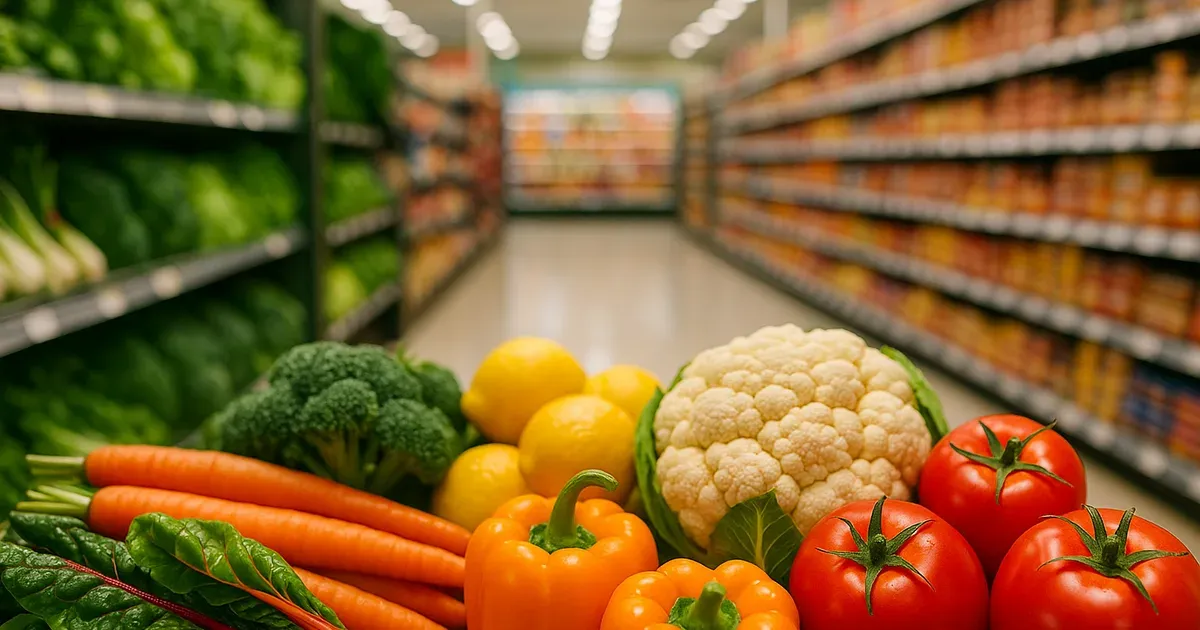
Shopping tip: If a product's ingredient list is long, hard to pronounce, or lists sugar and salt in multiple forms, it has likely been engineered to hit the bliss point. Sticking to the perimeter of the grocery store — where fresh produce, meat, dairy, and fish are located — dramatically reduces exposure to these products.
How does junk food addiction affect the brain?
Junk food triggers the brain's reward system in a way that closely resembles the neurological response to cocaine and other addictive substances. When a person eats a highly palatable processed food, the brain releases dopamine — the same feel-good chemical involved in drug addiction. Over time, the brain begins to crave that dopamine hit repeatedly.
This neurological loop is reinforced by "food cue reactivity" — a heightened sensitivity to food-related smells, advertisements, and social cues. Researchers use this term to describe how susceptible a person becomes to environmental triggers when their diet is dominated by processed foods. The more junk food consumed, the stronger these cues become.
The brain changes associated with junk food addiction include:
- Increased dopamine-seeking behaviour
- Reduced satisfaction from natural, whole foods
- Heightened response to visual and olfactory food cues
- Weakened impulse control around highly palatable foods
Why do cravings get worse when you're stressed or tired?
Stress and sleep deprivation both directly increase junk food cravings by impairing the brain's ability to regulate appetite and impulse control. A study published in the journal Sleep found that sleep restriction led to greater hunger and a reduced ability to control intake of palatable, high-calorie snacks. This is a physiological response, not a character flaw.
Stress compounds the problem through emotional eating. People are significantly more likely to reach for processed snacks when they are upset, anxious, or overwhelmed. The brain seeks the quick dopamine reward of junk food as a coping mechanism.
Healthy stress management strategies that reduce cravings include:
- Taking a short walk or run
- Practising yoga or meditation
- Talking to a trusted friend or family member
- Journalling or creative activities like painting
- Taking several slow, deep breaths before reaching for food
Prioritising sleep is equally important. Aim to go to bed a little earlier each night and avoid eating within a few hours of bedtime, as a full stomach can disrupt sleep quality and perpetuate the craving cycle.

What foods actually help reduce junk food cravings?
Eating more protein, healthy fats, and fibre-rich whole foods is one of the most effective nutritional strategies for reducing junk food cravings. These macronutrients promote satiety, stabilise blood sugar, and reduce the intensity of hunger signals that drive poor food choices.
Protein is particularly powerful. Foods like fish, beans, nuts, and vegetables create a lasting sense of fullness that carbohydrates alone cannot match. When hunger is genuinely satisfied, the pull of junk food weakens significantly.
Healthy fats — found in avocados, mixed nuts, olive oil, and fatty fish like salmon — also support satiety. The common belief that fat causes weight gain is a nutrition myth. Heart-healthy fats are essential for the body and help crowd out cravings for processed foods.
Fruit is an excellent substitute for manufactured sweets. It contains natural sugar alongside vitamins, antioxidants, water, and fibre. The fibre slows the absorption of sugar, preventing the blood sugar crash that triggers further cravings. Berries, watermelon, apples, and bananas are all practical, portable options.
| Food Type | Key Benefit | Examples |
|---|---|---|
| Protein | Promotes fullness | Fish, beans, nuts, eggs |
| Healthy Fats | Reduces cravings, supports satiety | Avocado, olive oil, salmon, mixed nuts |
| Fibre-Rich Fruit | Stabilises blood sugar | Berries, apples, watermelon, bananas |
| Diverse Vegetables | Boosts nutrients, reduces boredom | Kale, beets, carrots, purple potatoes |
Does meal planning really help with junk food addiction?
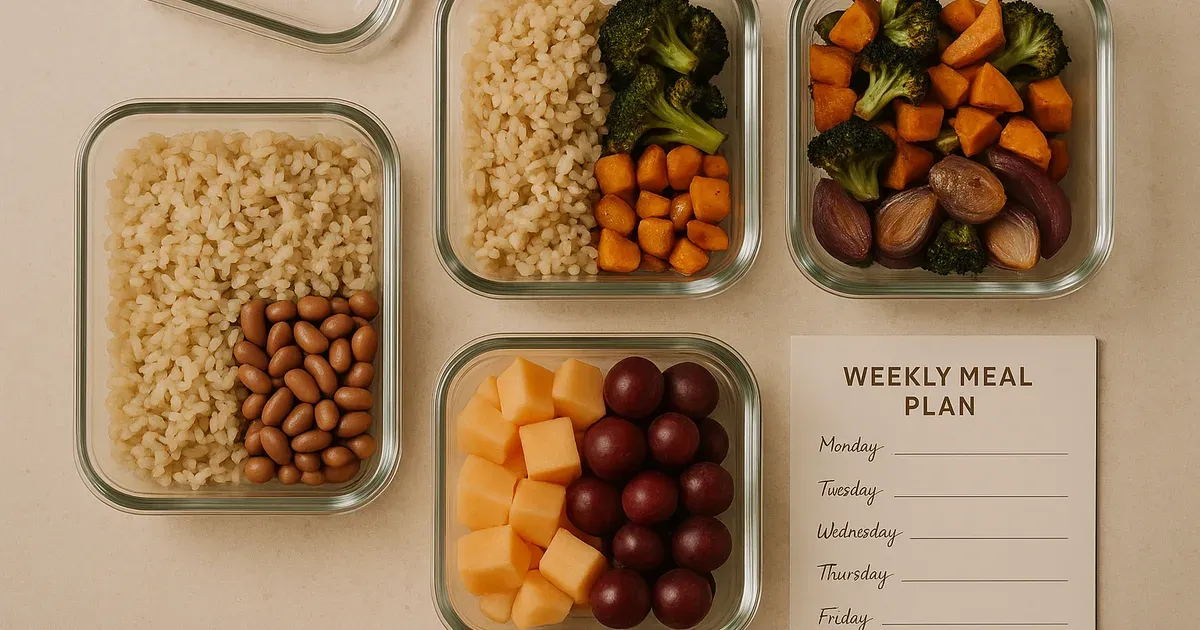
Meal planning is one of the most evidence-supported strategies for breaking the junk food addiction cycle. Having healthy meals and snacks prepared in advance directly reduces "food cue reactivity" — the tendency to grab whatever is nearby when hunger or cravings strike. A prepared person is far less likely to reach for convenience food.
A practical weekly approach:
- Plan all meals on Sunday or the day before the workweek begins
- Shop for only what is on the list, focusing on the store's perimeter
- Batch cook simple staples: brown rice, roasted vegetables, beans, cold salads
- Portion meals into containers, mason jars, or foil wraps for easy grab-and-go access
- Keep portable fruit like apples, bananas, or oranges on a desk for afternoon snacks
Consistency matters more than perfection. Even planning three or four days in advance creates enough structure to significantly reduce unplanned junk food consumption.
Can your mindset change how much junk food you crave?
Research shows that deliberately reframing how you think about a craved food can measurably reduce the desire to eat it. A 2013 study found that participants who were trained to view a craved junk food in a negative light — imagining they were already full, or that the food had been sneezed on — experienced a significant decrease in desire for that item.
Equally important is the direction of focus. A study published in the journal Nutrients found that concentrating on adding healthy foods is more effective than focusing on eliminating unhealthy ones. The mind responds better to abundance than restriction.
Mindset shifts that reduce junk food cravings:
- Visualise being already full before eating
- Associate the food with an unpleasant scenario
- Focus on what healthy foods you are adding, not what you are removing
- Practise self-compassion rather than shame after a slip
- Explore the emotional trigger behind the craving before acting on it
How long does it take to stop craving junk food?
Most people begin to notice a meaningful reduction in junk food cravings within two to four weeks of consistently eating whole, nutrient-dense foods. The timeline varies depending on how heavily processed a person's previous diet was and how consistently they implement changes. There is no universal answer, but the shift does happen.
As the body adapts to whole foods, the palate recalibrates. Foods that once tasted bland — fresh vegetables, plain whole grains, unprocessed proteins — begin to taste more satisfying. Many people report that, after a few weeks, heavily processed foods actually start to taste too sweet, too salty, or artificial.
The process is not linear. Stress, poor sleep, or social situations can trigger temporary returns to old patterns. The key is to treat these moments as data, not failure, and to return to the plan without self-judgment.
Bottom Line
- Junk food addiction is real and neurological — processed foods are engineered to trigger dopamine responses that mirror substance addiction.
- The bliss point is a deliberate manufacturing strategy designed to make you eat more than you intend to.
- Protein, healthy fats, and fibre are the most effective nutritional tools for reducing cravings naturally.
- Meal planning and mindset shifts have strong research support as practical strategies to break the addiction cycle.
- Sleep and stress management are non-negotiable — neglecting them will undermine even the best dietary intentions.