7 Harsh Truths About Losing Weight in Your 50s
Losing weight in your 50s? Hormones, muscle loss & sleep are working against you. 7 expert-backed tips to finally break through.


Losing weight in your 50s feels unfair — and there's a biological reason for that. Hormonal shifts, slowing metabolism, and muscle loss all quietly stack the odds against you before you've even skipped a single workout. The frustrating part? Most generic weight loss advice completely ignores these changes. If you're doing everything "right" and still not seeing results, these expert-backed truths will finally explain why — and exactly what to do instead.
Experts confirm this isn't just in your head. Most women gain 10–15 pounds during and after perimenopause, according to bariatric surgeon Dr. Virginia Weaver of Methodist Le Bonheur Healthcare — and that's on top of gradual weight gain many experience through their 30s and 40s.

1. Your Hormones Are Actively Working Against Your Weight Loss
Declining oestrogen during perimenopause and menopause triggers a genuine stress response inside your body. This hormonal drop increases insulin resistance, making it harder for your cells to process glucose efficiently — and easier for your body to store fat instead of burning it. Endocrinologist Dr. Betul Hatipoglu explains that menopause also independently slows metabolism, compounding the challenge. Start here: ask your doctor about hormone levels at your next check-up, especially if weight gain feels sudden or concentrated around your midsection.
2. Skipping Strength Training Is the Biggest Mistake You're Making
Muscle mass drops significantly in your 50s, and with it goes your resting metabolic rate. Less muscle means your body burns fewer calories even at rest — a process that accelerates if you rely only on cardio. Dr. Weaver recommends resistance training at least three days per week to counteract this. You don't need a gym: resistance bands, dumbbells, or even bodyweight exercises like squats and push-ups are enough to start rebuilding and maintaining lean muscle.
3. Aerobic Exercise Still Matters — But the Type Is Key
Cardio isn't dead, but it needs to work smarter for a 50-something body. Walking, swimming, dancing, or cycling for 30 minutes at least five days a week helps your body adjust to its new metabolic state by increasing fat burning and improving insulin sensitivity, says Dr. Hatipoglu. The key is consistency over intensity — choose something you genuinely enjoy so it becomes a non-negotiable habit rather than a chore. Even brisk 10-minute walks broken up across the day add up.
4. Processed Sugar and Snacking Are Quietly Spiking Your Insulin
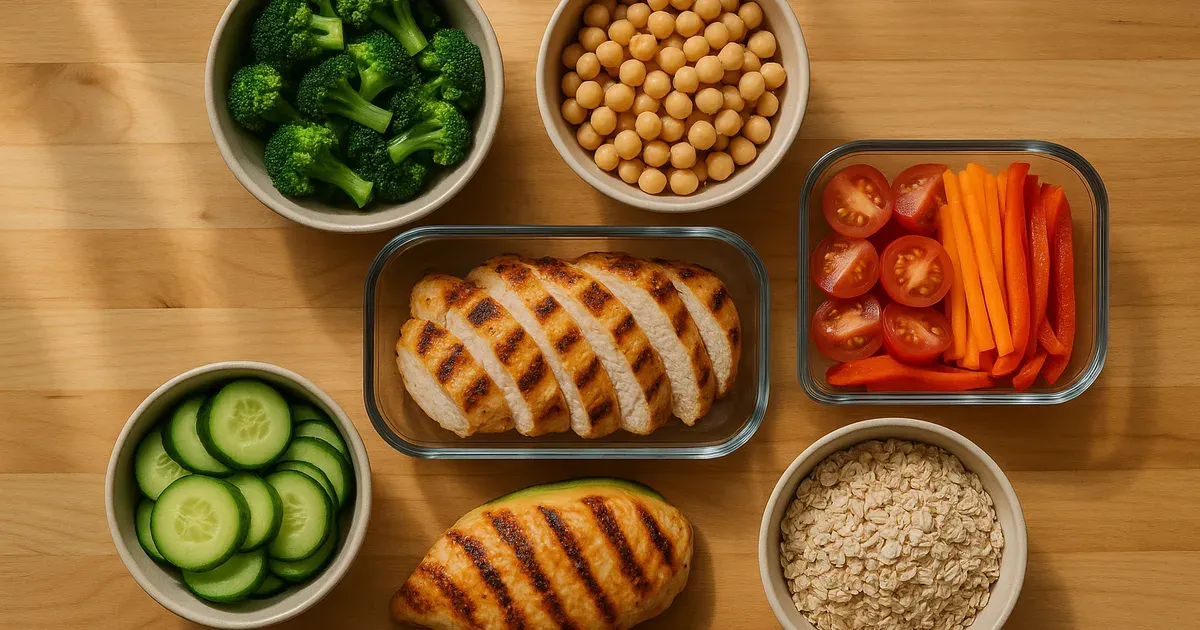
Insulin controls both hunger and fat storage — and most women over 50 are unknowingly keeping it elevated all day. Registered dietitian Kimberly Gomer points out that constant snacking and grazing prevents insulin from dropping between meals, keeping your body in fat-storage mode. Her fix is straightforward: shift to three balanced meals a day, ditch the grazing, and audit ingredient labels for hidden sugars like corn syrup, fructose, dextrose, and maltose. Cutting refined sugar from baked goods, soda, and packaged snacks compounds the effect quickly.
Worth knowing: Sleep deprivation increases ghrelin — your hunger hormone — which directly triggers late-night cravings and sugar binges. Women in menopause face compounded risk because hot flashes fragment sleep, and broken sleep is strongly linked to increased insulin resistance and weight gain.
5. Poor Sleep Is Sabotaging Your Results More Than Your Diet Is
If you're sleeping fewer than seven hours — or waking repeatedly due to hot flashes — your weight loss efforts are fighting an uphill battle. Sleep deprivation elevates ghrelin (the hunger hormone) while suppressing leptin (the satiety hormone), making overeating almost inevitable the following day. Dr. Hatipoglu recommends practical wind-down rituals: chamomile or lavender tea, Epsom salt baths, and a consistent pre-bed meditation practice. Tracking your sleep with a wearable device can also help you identify patterns and make targeted improvements.
6. Chronic Stress Locks Fat Around Your Abdomen
Elevated cortisol — your primary stress hormone — directly signals the body to store visceral fat, particularly around the belly. Stress also raises hunger hormones and can shift your body's metabolic set point upward, meaning your body starts defending a higher weight as its new normal. Dr. Weaver recommends building stress management into your weekly routine through mindfulness, journaling, yoga, or working with a therapist. These aren't soft add-ons — they're metabolic interventions with measurable impact on weight and inflammation.
7. An Undiagnosed Thyroid Problem Could Be the Real Culprit
Hypothyroidism is surprisingly common in women over 50, and it's one of the most frequently missed reasons for stubborn weight gain. When the thyroid doesn't produce enough hormone, your metabolism slows dramatically — and no amount of dieting or exercise will overcome that deficit until it's treated. Dr. Weaver flags rapid weight gain, persistent fatigue, constipation, and dry hair or nails as warning signs worth investigating. A simple blood workup from your GP can rule this out — or finally give you the answer you've been missing.

Losing weight in your 50s is genuinely harder — but it's not impossible. The women who succeed aren't working harder; they're working with their biology instead of against it. Prioritise muscle-building, regulate insulin through smarter eating habits, protect your sleep, and address stress as a medical priority — not an afterthought. Small, consistent changes compound faster than you think. Start with one tip this week and build from there.