7 Low FODMAP Snacks Hurting Your Gut Health
Discover 7 low FODMAP snack mistakes quietly harming your gut health and microbiome — plus simple fixes to eat smarter every day.

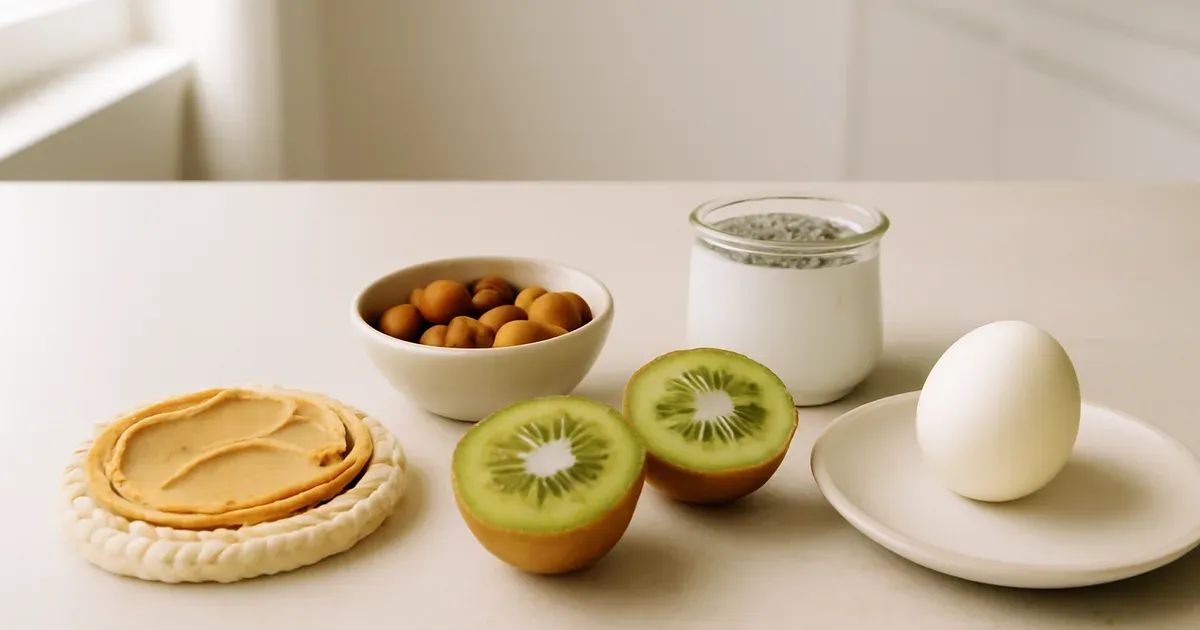
Snacking on a low FODMAP diet sounds simple — until your gut disagrees. Most people assume that avoiding high-FODMAP foods is enough, but the way you snack matters just as much as what you snack on. Poor snack choices can quietly disrupt your gut microbiome, spike inflammation, and leave you more bloated than before. If your symptoms aren't improving despite following the rules, your snack habits could be the missing piece.
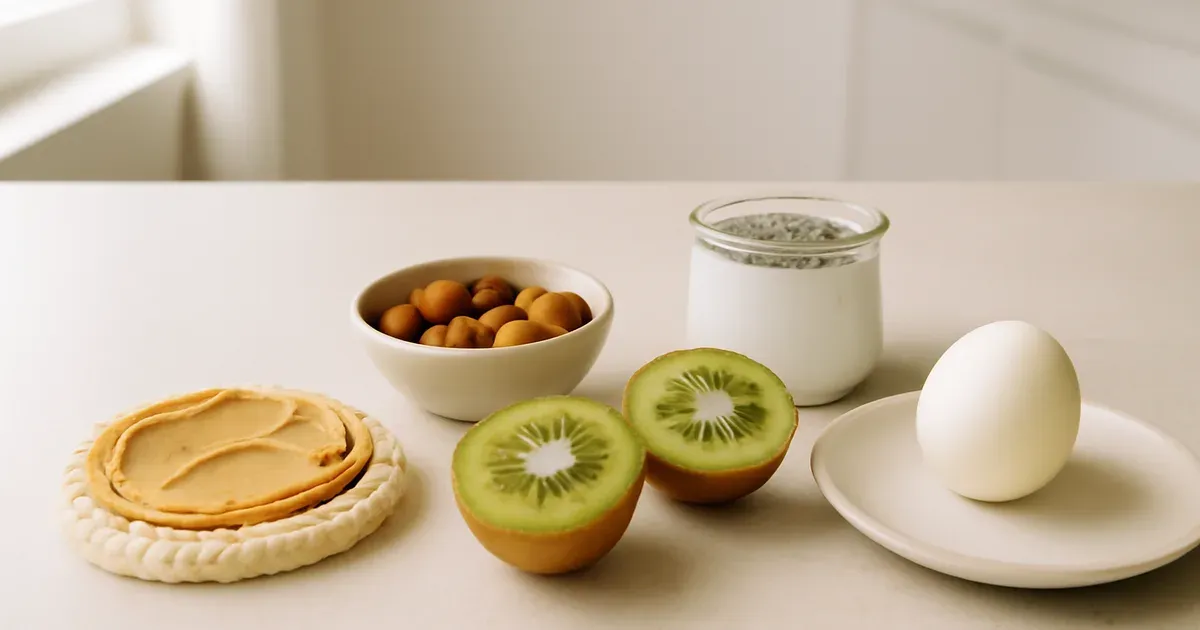
Research published in Cell Host & Microbe found that dietary fibre and fermented foods significantly alter gut microbiome diversity — meaning every snack is an opportunity to either support or undermine the trillions of bacteria working hard in your digestive tract.
1. Skipping Protein in Your Low FODMAP Snacks Stalls Gut Repair
Protein is the unsung hero of gut health snacking. When you snack on carbohydrates alone — think plain rice cakes or plain popcorn — your blood sugar spikes and crashes, leaving you hungry again within the hour. More critically, your gut lining relies on amino acids from protein to maintain its barrier function, reducing "leaky gut" risk. The fix: pair every snack with a protein source — peanut butter on rice cakes, a boiled egg with vegetables, or lactose-free yoghurt with low FODMAP fruit.
2. Ignoring Fibre in Low FODMAP Snacks Starves Your Microbiome
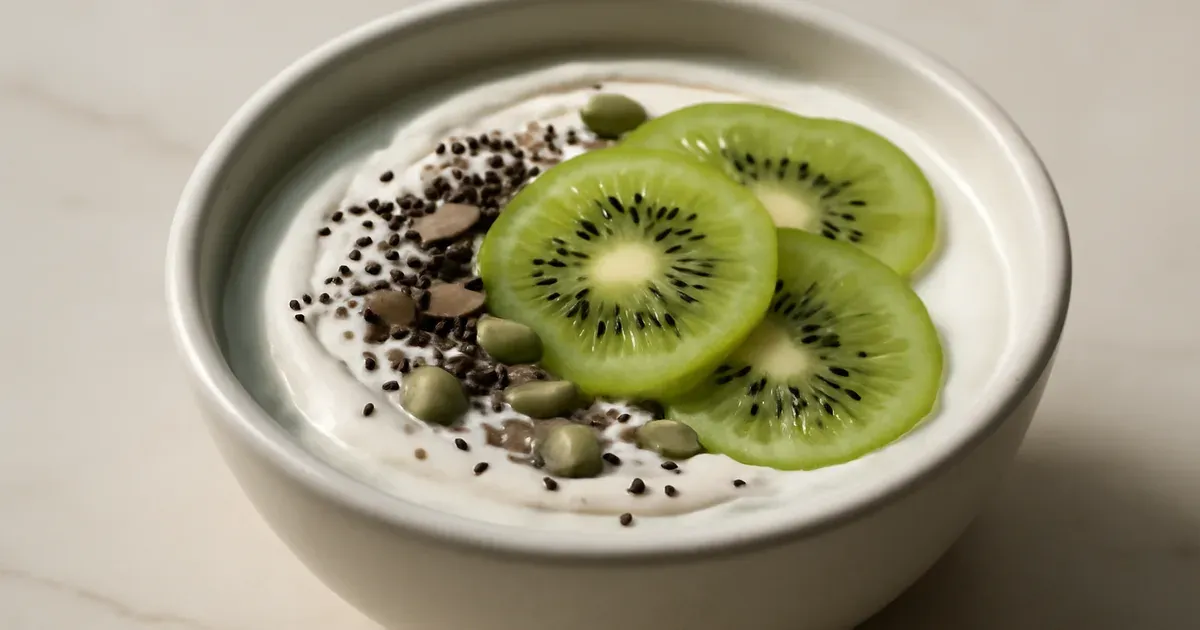
Your gut bacteria don't just survive on fibre — they thrive on it. The gut-brain axis, a two-way communication highway between your digestive system and your brain, is heavily influenced by the short-chain fatty acids (SCFAs) that gut bacteria produce when they ferment dietary fibre. On a low FODMAP diet, it's easy to accidentally strip out too much fibre alongside the problematic fermentable carbs. Actionable tip: keep the peel on low FODMAP fruits like kiwi and firm banana, sprinkle chia or pepita seeds on yoghurt, and choose wholegrain bread varieties where your FODMAP threshold allows.
3. Reaching for Packaged Snacks Too Often Disrupts Gut Diversity
Convenience foods are a lifeline on busy days, but leaning on them too heavily comes at a microbiome cost. Ultra-processed packaged snacks — even low FODMAP-certified ones like pretzels or plain sweet biscuits — tend to be low in the prebiotic compounds that feed beneficial gut bacteria. Over time, a low-diversity microbiome has been linked to heightened IBS symptoms, mood disruption via the gut-brain axis, and even increased intestinal permeability. The balance: keep one or two packaged options in your bag for genuine emergencies, but anchor your weekly snack plan around whole foods.
4. Not Meal-Prepping Snacks Leads to Poor Gut-Friendly Choices
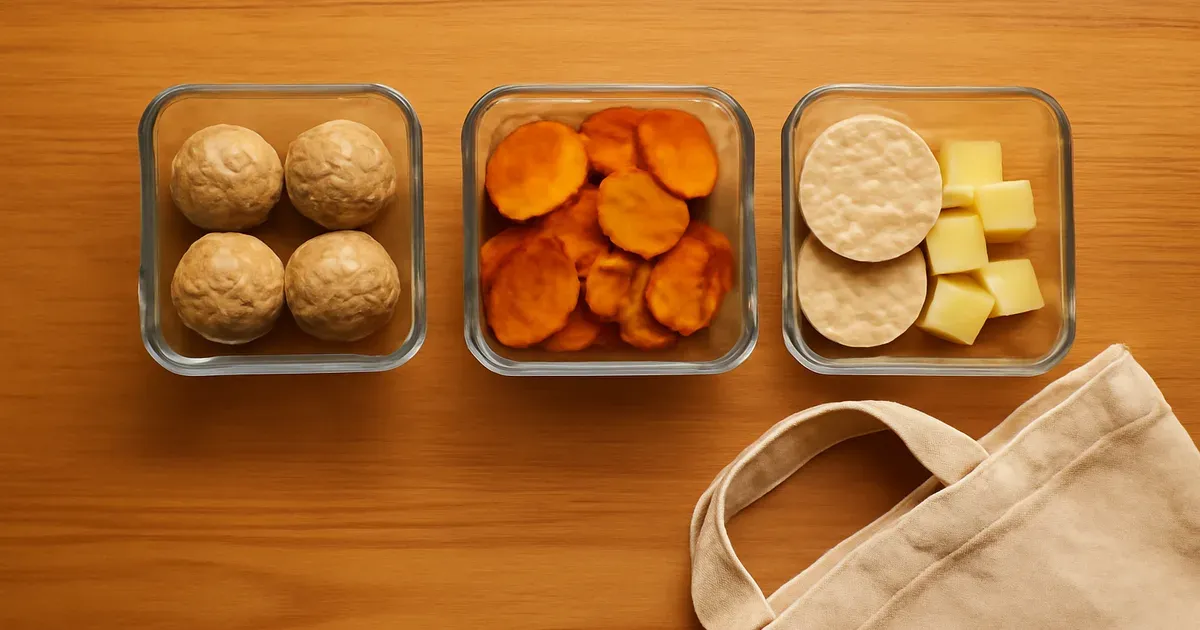
Hunger makes decision-making worse — and your gut pays the price. When you haven't prepared snacks in advance, you're far more likely to grab whatever is available, which is rarely the most gut-supportive option. Preparing snacks like peanut butter protein balls, oat and choc chip energy balls, or baked sweet potato chips at the start of the week removes the guesswork entirely. Gut-brain connection: stress and rushed eating also activate the sympathetic nervous system, which slows digestion and can worsen IBS symptoms — another reason calm, planned snacking supports the gut-brain axis.
"Every snack is a vote for the kind of gut microbiome you want to build. Small, consistent choices compound into significant changes in microbial diversity over weeks — not months." — Gut health principle supported by microbiome research at Monash University
Studies consistently show it takes as little as two to four weeks of dietary change to measurably shift gut microbiome composition.
5. Avoiding Dairy Entirely Weakens Bone Health and Gut Signalling
A low FODMAP diet is not a dairy-free diet — and ditching dairy unnecessarily is a common mistake. Lactose is the FODMAP culprit in dairy, not dairy itself, which means lactose-free yoghurt, hard cheeses, and lactose-free milk are all fair game. Fermented dairy products like yoghurt contain live cultures (probiotics) that directly seed your gut microbiome with beneficial bacteria. Practical move: keep on-the-go lactose-free yoghurt pouches or cheese and gluten-free crackers stocked — they deliver calcium, protein, and gut-friendly microbes in one portable hit.
6. Drinking the Wrong Beverages Alongside Low FODMAP Snacks Inflames the Gut
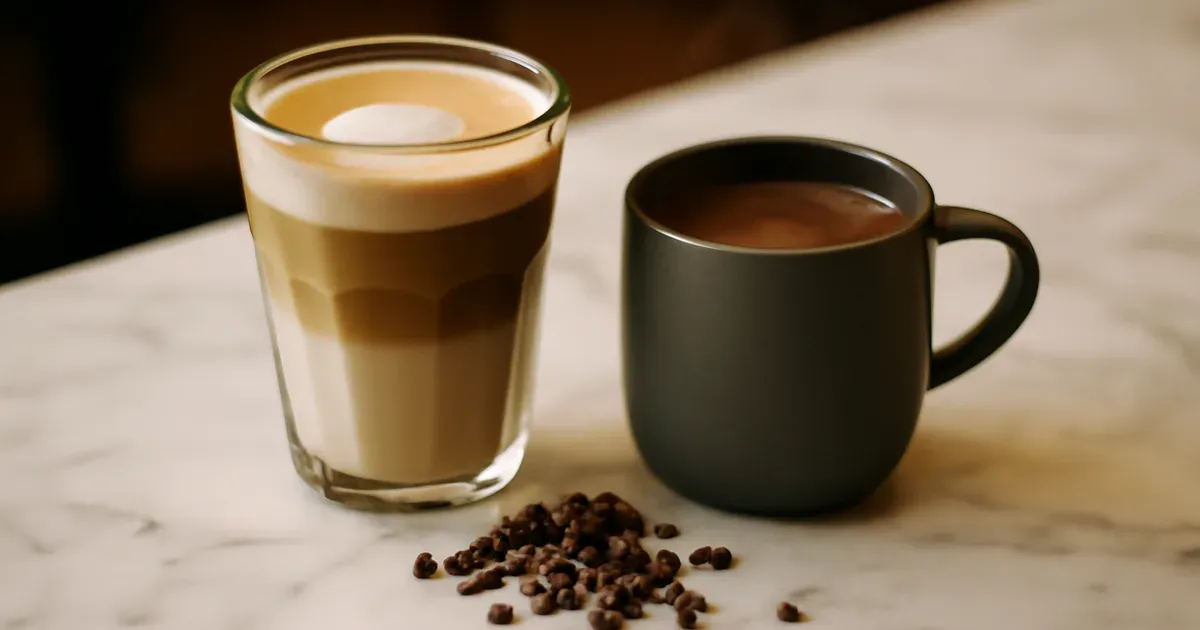
What you drink with your snack matters as much as the snack itself. Sugary drinks — even those that appear low FODMAP — can feed less desirable gut bacteria, promoting an imbalanced microbiome and triggering inflammation that worsens IBS symptoms. The gut-brain axis amplifies this: inflammatory signals from the gut travel to the brain, contributing to the anxiety and low mood that many IBS sufferers report. Better options: a latte made with lactose-free milk or soy milk (made from soy protein), a hot chocolate using low FODMAP drinking chocolate, or simply water with a slice of low FODMAP citrus.
7. Eating Low FODMAP Snacks Without Considering Portion Sizes Backfires
Even low FODMAP foods become high FODMAP in large servings — and your gut knows it. Many nuts, fruits, and grains have a "safe" threshold; push past it and the fermentable carbohydrate load tips into problematic territory, causing the bloating and discomfort you were trying to avoid. This is especially important with snacks like almonds (safe at 10 nuts), mixed nuts (safe at 20g), and fruits like canned peaches or dried mango where portions are easily misjudged. The discipline: use the Monash FODMAP app to verify current serving sizes, and measure portions until you know them by feel.
Frequently Asked Questions
What are the best quick low FODMAP snacks for gut health?
The best quick low FODMAP snacks combine protein, fibre, and minimal processing. Top choices include boiled eggs, lactose-free yoghurt with kiwi fruit, 10 almonds or 20g mixed nuts, rice cakes with peanut butter, or a small serve of cheese and gluten-free crackers. Each of these options feeds beneficial gut bacteria while keeping FODMAP loads within safe thresholds.
Can low FODMAP snacks actually improve gut microbiome diversity?
Yes — if you choose them strategically. Whole food low FODMAP snacks rich in fibre (such as seeds, low FODMAP fruits, and wholegrain crackers) provide the prebiotic substrate that gut bacteria ferment into SCFAs. These compounds strengthen the gut lining, support immune function, and communicate with the brain via the gut-brain axis. Processed low FODMAP snacks offer little of this benefit.
How many snacks per day should someone on a low FODMAP diet eat?
Most adults benefit from one to two planned snacks per day, timed to bridge the gap between main meals. Snacking more frequently than this can disrupt the migrating motor complex — the gut's natural "housekeeping" wave that clears bacteria and debris between meals. If you find yourself needing more than two snacks, it may indicate your main meals need a protein or fibre boost.
Are smoothies a good low FODMAP snack for gut health?
Smoothies can be excellent — but blending concentrates FODMAP loads, so portions matter. A green smoothie made with spinach, lactose-free yoghurt, firm banana, and a sprinkle of chia seeds can deliver fibre, protein, probiotics, and polyphenols in one hit. Avoid blending multiple FODMAP-containing fruits together, as cumulative servings can exceed safe thresholds even when each ingredient seems fine individually.
What low FODMAP snacks are best for managing anxiety linked to IBS?
The gut-brain axis means snacks that support microbial diversity may also ease anxiety. Fermented dairy (lactose-free yoghurt with live cultures), foods rich in tryptophan (like pumpkin seeds and oats in energy balls), and omega-3 sources (canned tuna, walnuts within safe portions) all influence serotonin pathways. Roughly 90% of the body's serotonin is produced in the gut, so nourishing your microbiome through smart snacking is directly relevant to mood regulation.