Low FODMAP Snacks: Plan Smart in 5 Steps
Plan satisfying low FODMAP snacks in 5 steps: audit your hunger windows, build a snack toolkit, batch prep weekly, and snack confidently on the go.

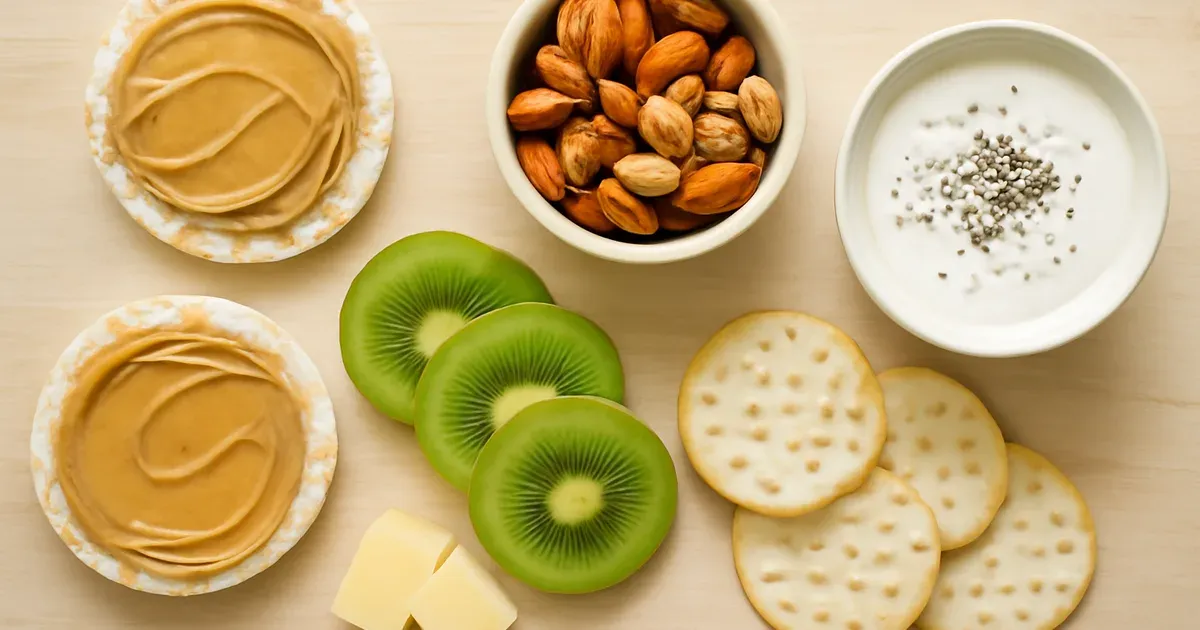
You know the feeling. It's 4 pm, dinner is still two hours away, and your stomach is already making its opinions known. For anyone managing IBS or a sensitive gut, reaching for whatever is nearest is not an option — not when the wrong snack can trigger hours of discomfort. You've probably tried skipping snacks altogether, only to arrive at dinner ravenous and regretful. Or you've grabbed something "safe" that left you unsatisfied and back in the kitchen twenty minutes later. This guide cuts through that cycle. Follow these five practical steps and you'll have reliable, satisfying low FODMAP snacks ready for any time of day — without overhauling your entire routine.
Why Low FODMAP Snacking Goes Wrong in the First Place
Most snacking problems on a low FODMAP diet come down to one thing: lack of preparation. When hunger hits unexpectedly, the path of least resistance — biscuits from the office tin, a handful of dried fruit, a flavoured yoghurt from the corner shop — is almost always a FODMAP minefield. Without a plan, even well-intentioned choices can backfire.
A second common trap is treating "low FODMAP" and "low dairy" as synonyms. They are not. Dairy is a rich source of calcium, protein, and essential vitamins. Many dairy foods — including hard cheeses and lactose-free yoghurts — are perfectly suitable on a low FODMAP diet. Cutting them out unnecessarily leaves a nutritional gap that is hard to fill.
Finally, most people forget that snacks are a legitimate nutritional tool, not just a treat. A well-chosen snack can top up your calcium intake for the day, sustain your energy between meals, and stop you from overeating at dinner. When you start thinking about snacks strategically, the whole diet becomes easier to manage.
Step 1: Audit Your Snack Triggers and Timing
Understanding when and why you snack is the foundation of a workable plan. Before you stock the fridge or batch-cook energy balls, spend five minutes mapping your day. Where are the hunger gaps? Is it mid-morning at your desk, mid-afternoon before the commute, or late evening in front of the television?
Different times of day call for different solutions. A mid-morning snack during a busy workday needs to be portable and require zero preparation on the spot. An evening snack at home can afford to be something you assemble fresh. Once you know your trigger windows, you can match the right snack format — packaged, prepped, or freshly made — to each slot.
Write down two or three snack moments in your typical day and note the constraints for each one. Is there a fridge available? Do you need something hand-held? Is there a ten-minute window or just two? This audit takes less time than it sounds and prevents the most common mistake people make: preparing snacks that are completely impractical for their actual life.
Pro tip: If you tend to forget to snack until you're already ravenous, set a gentle phone reminder for each identified window. Eating before you reach peak hunger makes choosing the right food dramatically easier.
Step 2: Build Your Low FODMAP Snack Toolkit
A reliable snack toolkit means having the right foods on hand before hunger arrives — not scrambling for options when willpower is at its lowest. Divide your toolkit into two categories: snacks that need no preparation and snacks you batch-prepare once a week.
For zero-prep low FODMAP snacks, stock these regularly:
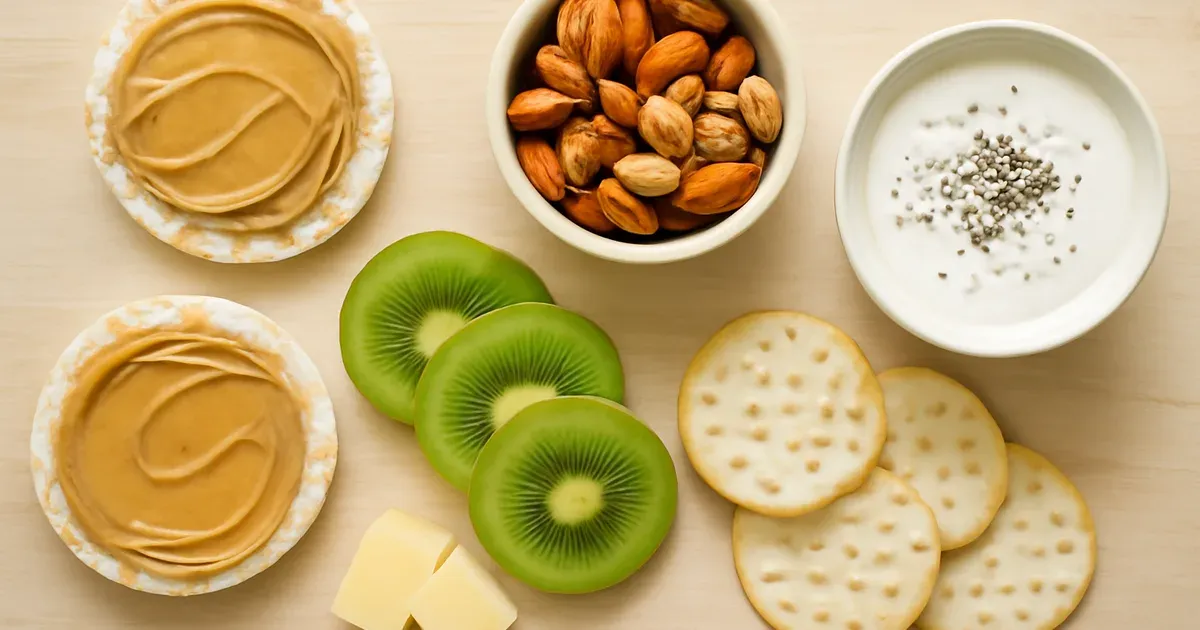
- Protein options: boiled eggs (pre-cooked in bulk), a small can of tuna, 20 g of mixed nuts, or 10 almonds
- Fruit: kiwi fruit, pineapple, mandarin, orange, firm banana, or rockmelon/cantaloupe
- Dairy and alternatives: lactose-free yoghurt, hard cheese with low FODMAP crackers, a latte made with lactose-free milk or soy milk made from soy protein
- Vegetables: pre-chopped cucumber, capsicum, or carrot with a suitable dip
- Packaged staples: plain popcorn, two plain sweet biscuits, pretzels
- Toast and crackers: gluten-free toast or rice crackers topped with peanut butter, cheese, or marmalade
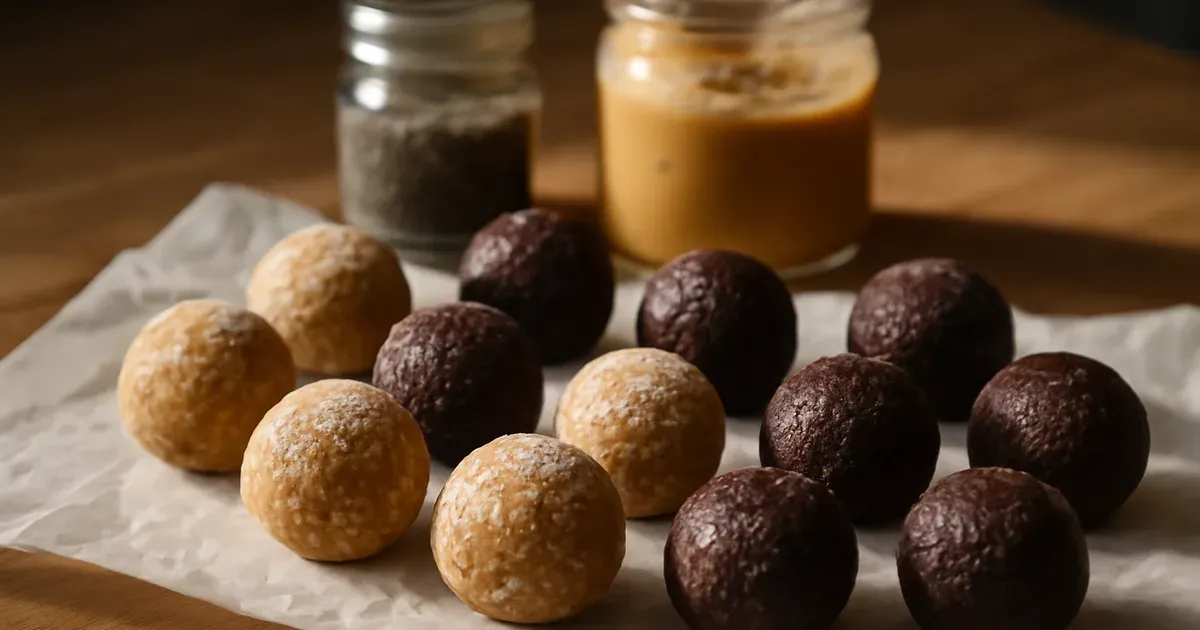
For prepped snacks, choose one or two items to make at the start of each week. Options include oat and choc chip energy balls, peanut butter protein balls, savoury vegetable muffins, muesli bars, smoothie packs portioned into freezer bags, or a zucchini and rice slice. The investment is two to three hours on a Sunday afternoon; the return is a full week of ready-to-grab snacks.
Always pair a carbohydrate with a protein source. Rice crackers with peanut butter. Fruit with lactose-free yoghurt. Vegetables with a protein-rich dip. This combination slows digestion, stabilises blood sugar, and keeps you fuller for longer — which means fewer unplanned raids on the pantry.
Step 3: Master the Weekly Prep Session
Batch preparation is the single biggest lever you can pull to make low FODMAP snacking sustainable long-term. It feels like extra effort on Sunday, but it eliminates dozens of small daily decisions — decisions that, when made under time pressure or hunger, rarely go well.
Choose a consistent time each week: Sunday evening, Saturday morning, or the night before your busiest day. Set a timer for 90 minutes. In that window you can hard-boil a batch of eggs, portion out mixed nuts into small containers, pre-chop a week's worth of snack vegetables, and bake one batch of energy balls or muffins.
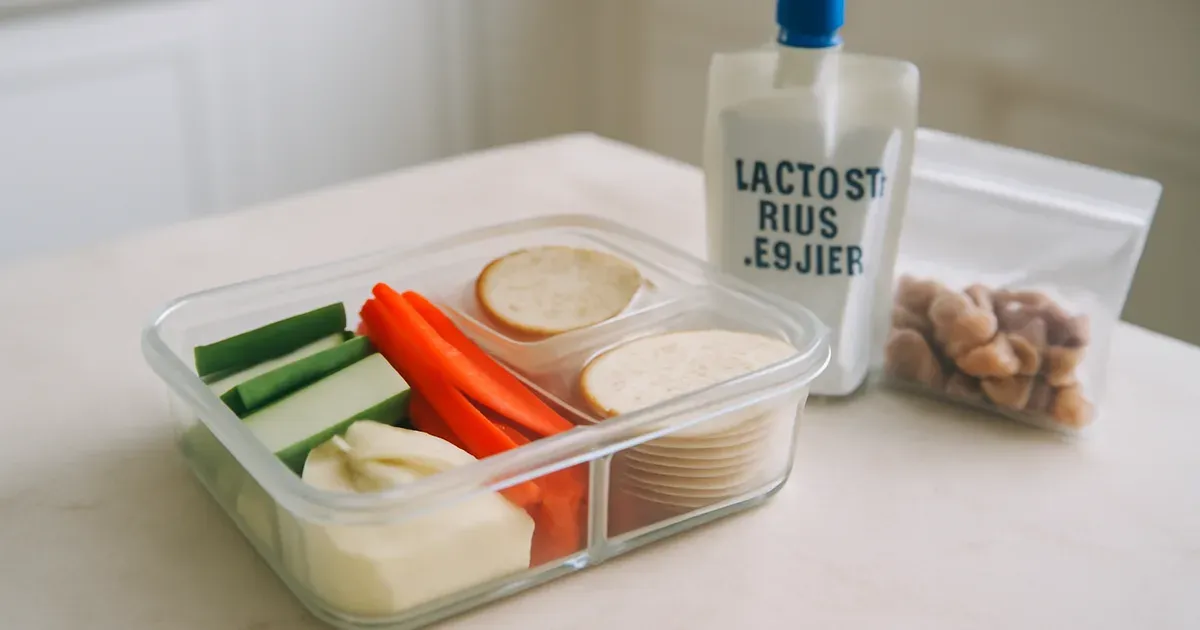
Use your food containers strategically. Compartmentalised containers are ideal for dip-and-vegetable combinations. Small squeeze pouches work well for yoghurt on the go. Zip-lock bags work for portioned nuts or popcorn. Label everything with the day it was made — this removes the daily guesswork about what's still fresh.
When planning your prep session, prioritise snacks that cover your most challenging snack window first. If 4 pm at the office is your danger zone, make sure you have something portable, satisfying, and ready to grab. A batch of peanut butter protein balls ticks every box and takes about 20 minutes to prepare.
Pro tip: Add fibre deliberately during prep. Keep peels on low FODMAP fruits and vegetables. Sprinkle chia seeds or pepita (pumpkin seeds) on portioned yoghurt pots before sealing them. Choose wholegrain versions of low FODMAP breads when topping rice cakes or toast. Fibre extends satiety and supports gut motility — both essential on a low FODMAP diet.
Step 4: Navigate On-the-Go Snacking with Confidence
Eating away from home is where even well-prepared low FODMAP snackers can come unstuck. Airports, staff rooms, petrol stations, and school canteens are not designed with FODMAP tolerances in mind. Having a portable snack kit that travels with you removes the need to rely on whatever happens to be available.
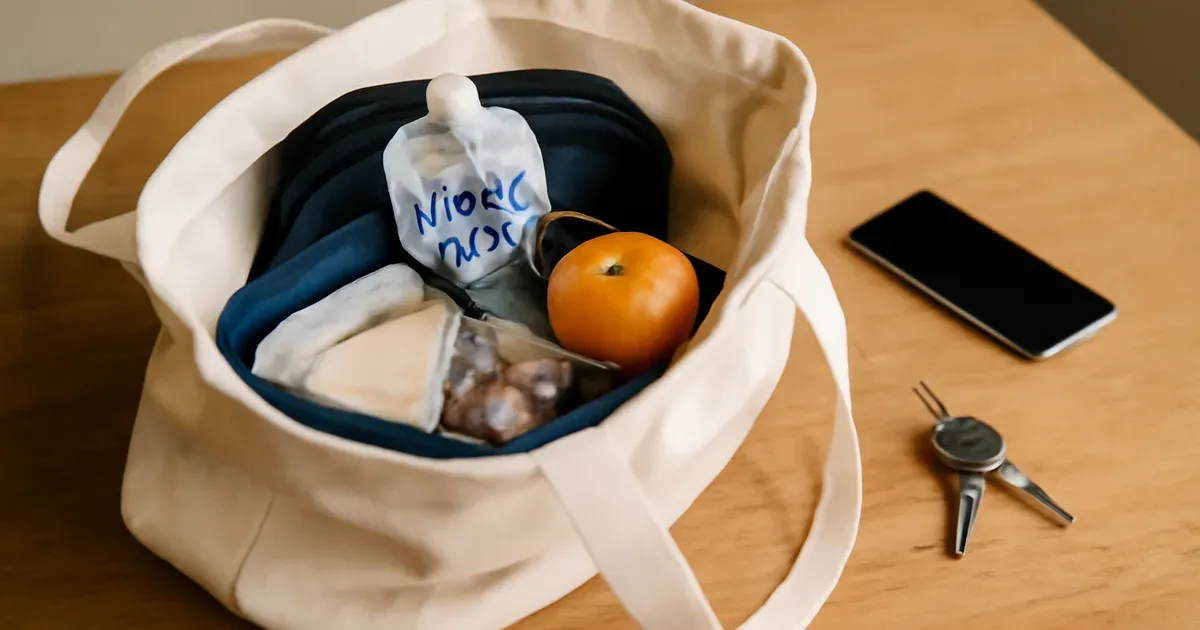
Keep a small pouch or zip compartment in your bag stocked at all times. Suitable permanent residents include a small packet of plain popcorn, a handful of brazil nuts or mixed nuts in a sealed container, and one or two individually wrapped rice crackers. These non-perishable options have a long shelf life and require zero refrigeration.
For snacks that need a cool chain, invest in a small insulated pouch. A lactose-free yoghurt pouch, a portion of cheese and crackers, or a container of pre-chopped fruit and a few nuts travels well with a small ice pack for up to four hours. On long days, this kind of preparation is the difference between staying on track and abandoning the diet entirely by 3 pm.
Dairy-based snacks are particularly valuable on the go because they deliver protein, calcium, and sustained energy in a compact, satisfying package. On-the-go pouch yoghurts and individual cheese portions are widely available and genuinely convenient. Do not skip dairy because of a mistaken assumption that all dairy is off-limits on a low FODMAP diet.
Step 5: Review, Rotate, and Prevent Snack Fatigue
Snack fatigue is real, and it's one of the main reasons people drift off a low FODMAP plan. Eating the same rice cracker and peanut butter combination every day for three weeks is technically compliant, but it creates a sense of deprivation that eventually leads to non-compliant choices. The solution is deliberate rotation.
Every two weeks, swap at least one item in each snack category. If you've been relying on peanut butter protein balls, try double choc bliss balls or a summer berry smoothie instead. Rotate your fruit choices across the low FODMAP-approved list. Introduce a new vegetable into your dip-and-crunch combination. Small changes prevent monotony without adding significant planning overhead.
Schedule a five-minute review at the end of each week. Ask yourself: which snacks did I actually eat? Which ones did I skip or substitute with something less suitable? What do I need more of next week? This brief check-in makes your planning progressively more accurate and your snack toolkit progressively more useful.
Consider seasonal produce as your rotation guide. Low FODMAP fruits like rockmelon, kiwi fruit, and firm banana vary in quality and price across the year. Aligning your snack fruit choices with what is fresh and in season naturally creates variety and often reduces cost.
What to Expect Week by Week
Week 1: Setup feels effortful. You're building the habit of prep, stocking new items, and identifying your snack windows. Expect some trial and error with portion sizes and timing.
Week 2: The prep session becomes faster as you have a template to follow. You start to notice which snacks genuinely satisfy you and which ones you're eating out of obligation.
Week 3: The toolkit is working. You're reaching for prepped snacks automatically, carrying portable options without thinking about it, and snacking less reactively.
Week 4 onwards: Rotation kicks in. You're adding new recipes, adjusting portion sizes, and refining the system to fit your actual lifestyle rather than an idealised version of it. At this point, low FODMAP snacking feels less like a dietary restriction and more like a well-organised habit.
Mistakes That Slow Your Progress
- Preparing snacks you don't actually enjoy. Compliance depends on satisfaction. If you don't like energy balls, make muffins instead.
- Ignoring dairy out of caution. Hard cheeses and lactose-free yoghurts are low FODMAP, nutritious, and convenient. Don't exclude them unnecessarily.
- Relying entirely on packaged foods. Popcorn and rice crackers are useful standbys, but a diet built primarily on packaged snacks will be low in fibre and nutrients. Balance packaged options with whole foods.
- Skipping the protein pairing. Carbohydrates alone — even low FODMAP ones — digest quickly and leave you hungry within the hour. Always add a protein source.
- Batch-cooking snacks you won't eat within their shelf life. Energy balls and muffins typically last four to five days in the fridge. Don't make a double batch if you won't get through it. Freeze half instead.
What Can Help You Get There Faster
Preparation tools make the difference between a system that sticks and one that collapses under the pressure of a busy week.
Food storage containers: Compartmentalised containers for dip and vegetables, small squeeze pouches for yoghurt, and labelled zip-lock bags for portioned nuts are the backbone of any practical low FODMAP snack system. Investing in a set that you actually like using removes friction from the prep process.
A reliable low FODMAP app or database: The Monash University FODMAP app is the gold standard for checking portion sizes and approved foods. When you're building your snack toolkit or trying a new recipe, having instant access to verified portion information prevents accidental FODMAP stacking — the hidden cause of many unexpected symptoms.
A structured meal plan that includes snacks: Many low FODMAP meal plans focus only on main meals, leaving snacks as an afterthought. A plan that allocates specific snack slots — with options listed for each — removes the daily decision-making burden entirely. The Monash FODMAP blog offers a free five-day low FODMAP meal plan that integrates snacks into the daily structure.
Your Low FODMAP Snack Plan: Quick Recap
- ✅ Step 1: Audit your snack triggers and identify your two or three daily hunger windows
- ✅ Step 2: Build a toolkit of zero-prep and batch-prep low FODMAP snacks across all food groups
- ✅ Step 3: Run a weekly 90-minute prep session to make batch snacks and portion staples
- ✅ Step 4: Assemble a portable snack kit for on-the-go eating that doesn't rely on local availability
- ✅ Step 5: Review and rotate your snack choices every two weeks to prevent fatigue and maintain compliance
Managing gut symptoms is hard enough without your snack strategy working against you. These five steps give you a repeatable, practical framework that works whether you're at home, at work, or navigating a busy travel day. Start with Step 1 this evening — it takes five minutes and sets everything else in motion.
Frequently Asked Questions
Are all dairy foods off-limits on a low FODMAP diet?
No — dairy and low FODMAP are not the same as dairy-free. Hard cheeses such as cheddar, brie, and camembert are naturally low in lactose and suitable for most people following a low FODMAP diet. Lactose-free yoghurts and lactose-free milk are also excellent options. The key is avoiding high-lactose dairy such as regular cow's milk in large amounts, soft fresh cheeses, and cream-based foods. If you are following a lactose-free diet specifically, soy milk made from soy protein (not whole soybeans) is a suitable alternative.
How many snacks per day are appropriate on a low FODMAP diet?
There is no fixed number — it depends on your meal spacing, energy needs, and health goals. Most people find one to two snacks per day useful: one mid-morning and one mid-afternoon. The goal is to prevent extreme hunger between meals, which makes it harder to choose compliant foods. If your main meals are nutritionally complete, snacks should be relatively small — enough to bridge the gap without replacing a meal's worth of calories.
Can I eat nuts as low FODMAP snacks?
Yes, but portion size matters significantly. A 20 g serving of mixed nuts or 10 whole almonds falls within low FODMAP guidelines. Larger portions push certain nuts — particularly cashews and pistachios — into high FODMAP territory. Brazil nuts, macadamia nuts, pecans, pine nuts, and walnuts are among the most FODMAP-friendly options. Always check the Monash FODMAP app for the most current serving size data, as thresholds vary by nut type.
What are the best low FODMAP snacks for work?
The best work snacks are portable, require no reheating, and are easy to eat at a desk. Top choices include portioned mixed nuts, plain popcorn, rice crackers with a pre-packed portion of peanut butter or hard cheese, a lactose-free yoghurt pouch, a firm banana or mandarin, and pre-boiled eggs stored in a sealed container. Batch-prepared energy balls or muffins stored in a lunchbox also travel well and provide a more substantial snack when needed.
How do I boost fibre intake while snacking on a low FODMAP diet?
Small additions make a meaningful difference without changing your snack dramatically. Keep the peel on low FODMAP fruits and vegetables where possible. Sprinkle chia seeds or pepita (pumpkin seeds) onto yoghurt before sealing your prep containers. Choose wholegrain varieties of low FODMAP breads and crackers when topping rice cakes or gluten-free toast. These steps increase fibre intake gradually, which supports gut motility and extends the feeling of fullness after each snack.