Meal Planning for Arthritis: Anti-Inflammatory Guide
Registered dietitian Cristina Montoya shares 5 practical meal prep steps and key anti-inflammatory foods to help people with arthritis eat well and reduce infla

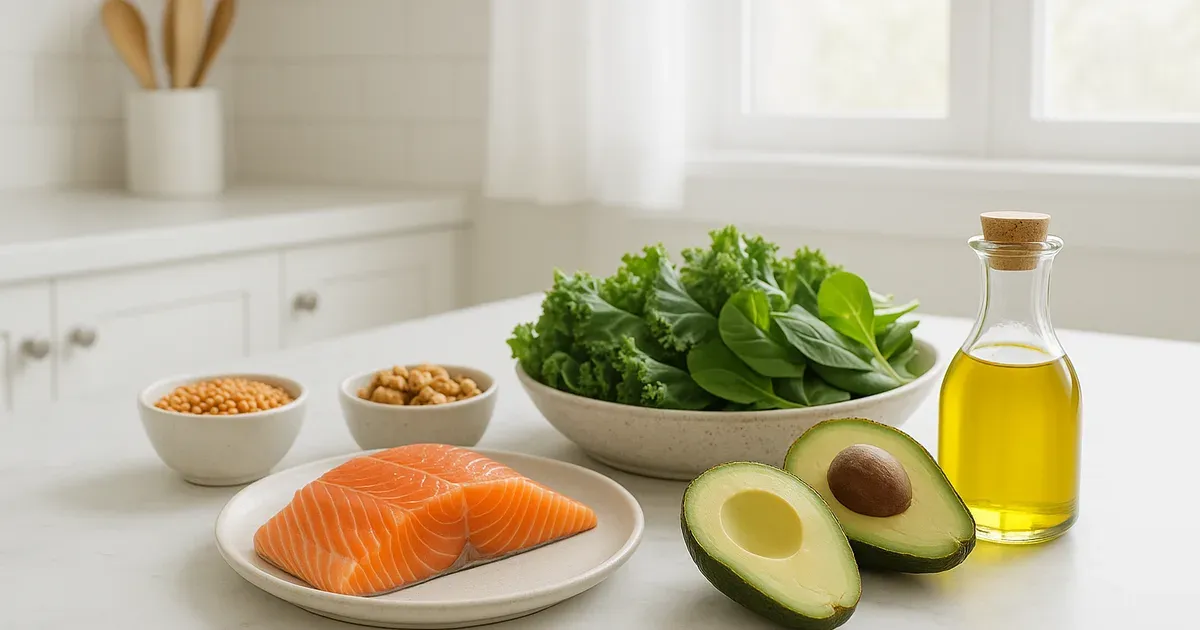
Living with arthritis means pain and fatigue can ambush even your best intentions — including your plan to eat well. When your joints ache and energy is low, grabbing pizza or processed convenience food feels far more realistic than cooking a balanced meal. But here's the problem: that typical Western diet, loaded with refined starches, processed meats, added sugars, and unhealthy fats, actively fuels chronic inflammation, making your symptoms worse over time.
Meal planning for arthritis doesn't have to be overwhelming. With the right strategy, you can stock your kitchen with anti-inflammatory foods, reduce stress around mealtimes, and give your body the nutrients it needs — without spending hours at the stove. Registered dietitian Cristina Montoya outlines a practical, flexible approach that works around your pain levels, not against them.
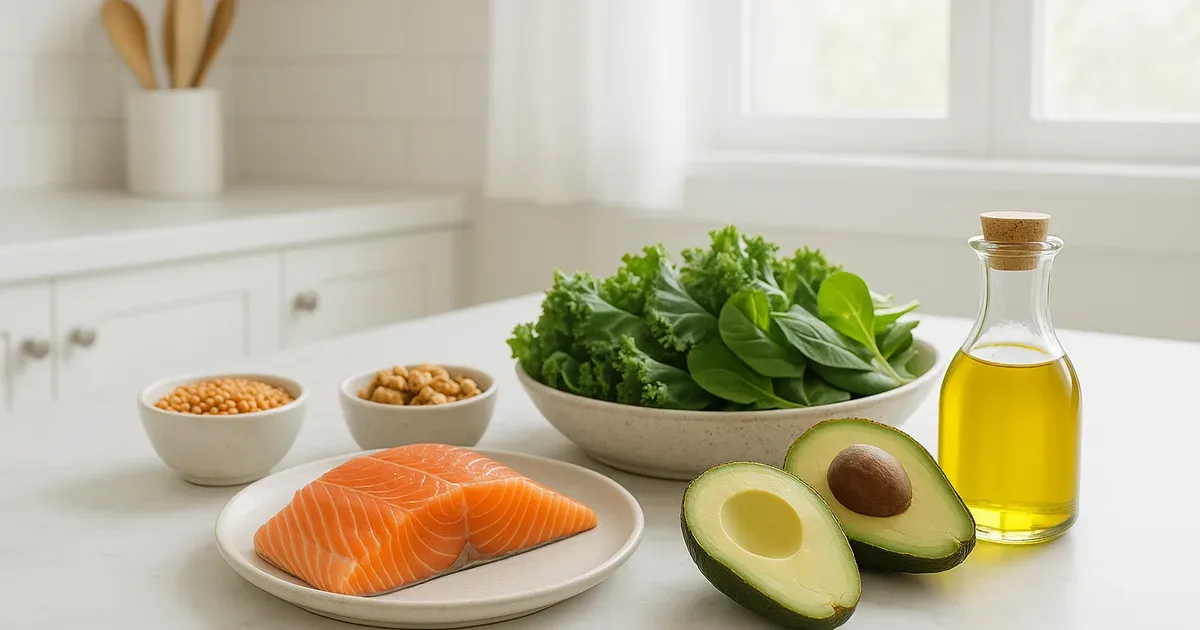
Why Meal Prep Is a Game-Changer for Arthritis
Meal prep — preparing and storing meals and snacks in advance — solves one of arthritis's cruelest traps. On low-pain days, you have the energy to cook. On high-pain days, you desperately need a ready meal. Batch cooking bridges that gap.
Beyond convenience, meal prepping for arthritis delivers real financial and health benefits. You spend less at the grocery store, rely less on processed food, and maintain better control of portion sizes and weight. Because excess body weight increases joint load and can disrupt hormones linked to inflammation, keeping weight in check is a genuine therapeutic goal — not just an aesthetic one.
Most importantly, meal prep lets you deliberately build anti-inflammatory ingredients into every meal: fibre, omega-3 fatty acids, vitamins, minerals, and phytochemicals that work together to calm your immune response.
5 Practical Steps to Start Meal Prepping With Arthritis
The biggest mistake people make is trying to overhaul everything at once. These five steps, adapted from Montoya's guidance, are designed to meet you where you are.
1. Keep Ingredients Simple
Choose recipes with five to ten main ingredients, not counting herbs and spices. Complex recipes demand more chopping, stirring, and standing — all of which strain inflamed joints. Use cooking tools and assistive devices designed to reduce joint stress, such as jar openers, ergonomic knives, or electric can openers.
2. Keep Convenience Foods on Hand
Stock your freezer and pantry with frozen fruits and vegetables, and low-sodium canned legumes. These are your backup plan for weeks when pain flares or a grocery run isn't possible. Pre-cut salad bags, pre-sliced vegetables, and ready-to-eat fruit reduce chopping time significantly.
3. Batch Cook at Least Once a Week
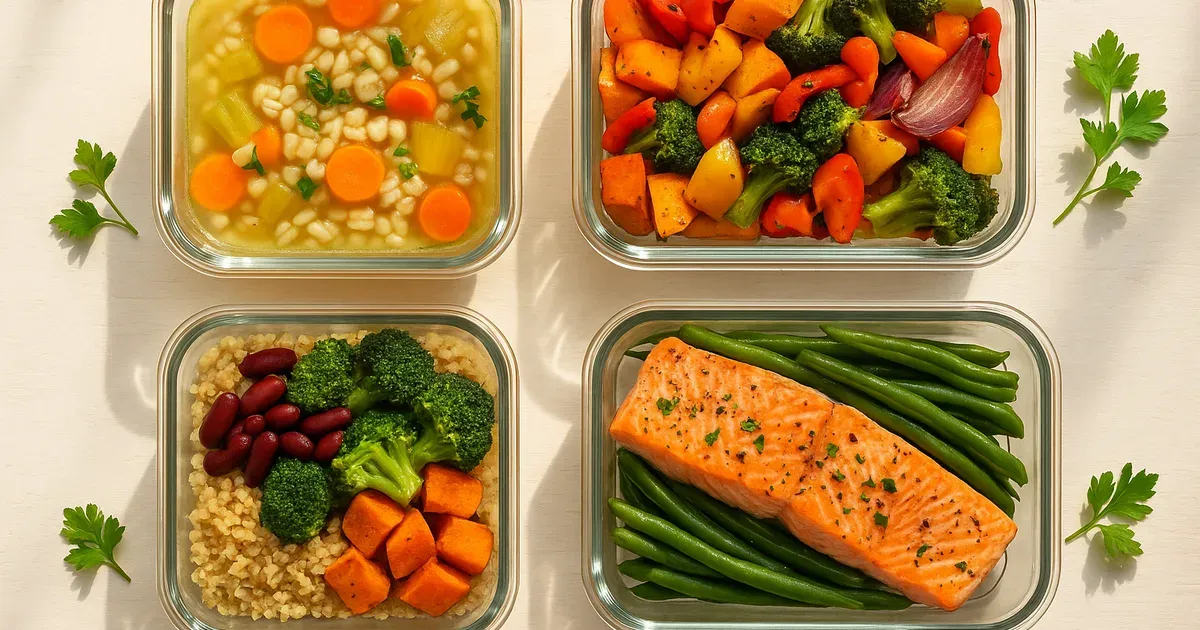
Double or triple a recipe on a good day, eat it for the first part of the week, and freeze the rest. A pot of turmeric-infused barley soup or a tray of flaxseed-crusted salmon goes a long way. This single habit can transform your week.
4. Prep Around Your Schedule — Not an Ideal Schedule
Take advantage of low-pain, high-energy days rather than committing to a fixed prep day. Some weeks you'll prepare five meals. Other weeks, just one. Both are wins. Flexibility is built into this approach because arthritis itself is unpredictable.
5. Focus on One Meal or Snack at a Time
Don't try to overhaul your entire diet overnight. Start with the meal that most needs improvement. Are your afternoon snacks full of processed options? Swap in Greek yogurt with walnuts. Is dinner consistently inflammation-promoting? Add a side of roasted vegetables. Small, consistent changes compound over time.
The Anti-Inflammatory Foods to Prioritise
An anti-inflammatory eating pattern is plant-forward but flexible — it includes lean animal products in moderation and focuses on abundance rather than restriction. Here's what to fill your plate with:
Fruits and Vegetables
Aim for about half your plate to be fruits or vegetables at every meal. These foods are rich in vitamins A, C, E, and K, as well as polyphenols — all of which actively reduce inflammatory markers. Target five servings daily: a serving equals 1 cup of raw leafy greens or ½ cup of cooked vegetables.
Pairing vegetables or fruit with a protein source — nut butter, cheese, Greek yogurt — at snack time keeps blood sugar stable and helps avoid the energy crashes that make pain feel worse.
Whole Grains
Don't fear carbohydrates — fear the wrong kind. Whole grains like oats, pot barley, wild rice, quinoa, and whole-grain bread supply B vitamins essential for energy metabolism, plus manganese and copper, which act as potent antioxidants. Aim for two to three servings daily: one slice of bread or ½ cup of cooked grains counts as a serving. Look for the whole grain symbol on packaging.
Beans, Legumes, Nuts, and Seeds
Beans, lentils, chickpeas, and edamame are outstanding sources of fibre and plant-based protein, and research links them to reduced insulin resistance and lower inflammatory markers. Hormones involved in metabolic regulation — like insulin — are sensitive to diet quality, making legumes a doubly valuable food for people with inflammatory conditions.
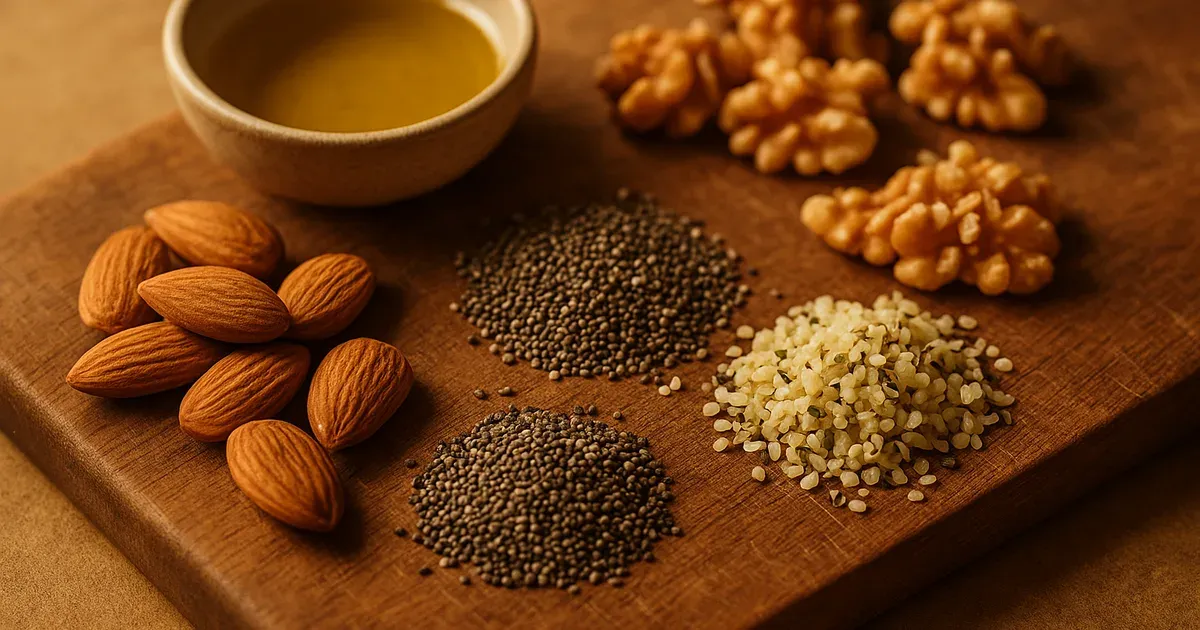
Nuts and seeds deserve equal attention. Almonds, walnuts, pistachios, hemp seeds, and chia seeds deliver fibre, antioxidants, and omega-3 fatty acids in one compact package. A small daily handful — about 7–8 walnuts or 12–15 almonds — helps lower your inflammatory response and keeps you fuller longer.
Healthy Fats and Fatty Fish
Olive oil is the cornerstone fat in an anti-inflammatory kitchen. Its monounsaturated fats and polyphenols carry both antioxidant and anti-inflammatory properties. Hemp, avocado, and grapeseed oils are good alternatives. Aim for four to six small servings daily — a teaspoon of olive oil, five olives, or half a Hass avocado all count.
Fatty fish is irreplaceable for omega-3s. Salmon, sardines, mackerel, albacore tuna, Atlantic herring, and mussels should appear on your plate at least once a week. These long-chain omega-3 fatty acids are among the most studied and potent anti-inflammatory nutrients available through food.
Fermented Dairy and Lean Proteins
Fermented dairy products — Greek yogurt, kefir, cottage cheese, paneer, feta — bring live bacteria that support gut health, which is closely tied to systemic inflammation. Choose low-fat options (2–3.5% MF) or plant-based alternatives, aiming for one to two servings daily.
Lean animal products — skinless chicken, lean beef, eggs, shellfish — can be included in moderation: roughly one to three servings per month rather than per day, with a portion the size of a deck of cards.
Spices, Sweeteners, and Hydration
Spices are a free anti-inflammatory upgrade to any dish. Turmeric, ginger, garlic, cinnamon, cayenne, oregano, rosemary, and thyme all contain phytochemicals shown to reduce inflammation. Use them generously.
For sweetening, opt for cane sugar, honey, or maple syrup over highly refined alternatives. Hydrate primarily with water throughout the day. Herbal teas, cocoa-infused beverages, coffee, and red wine — all high in polyphenols — can be included in moderation. Limit caffeinated beverages to one or two cups daily.
A Sample Two-Day Anti-Inflammatory Meal Plan
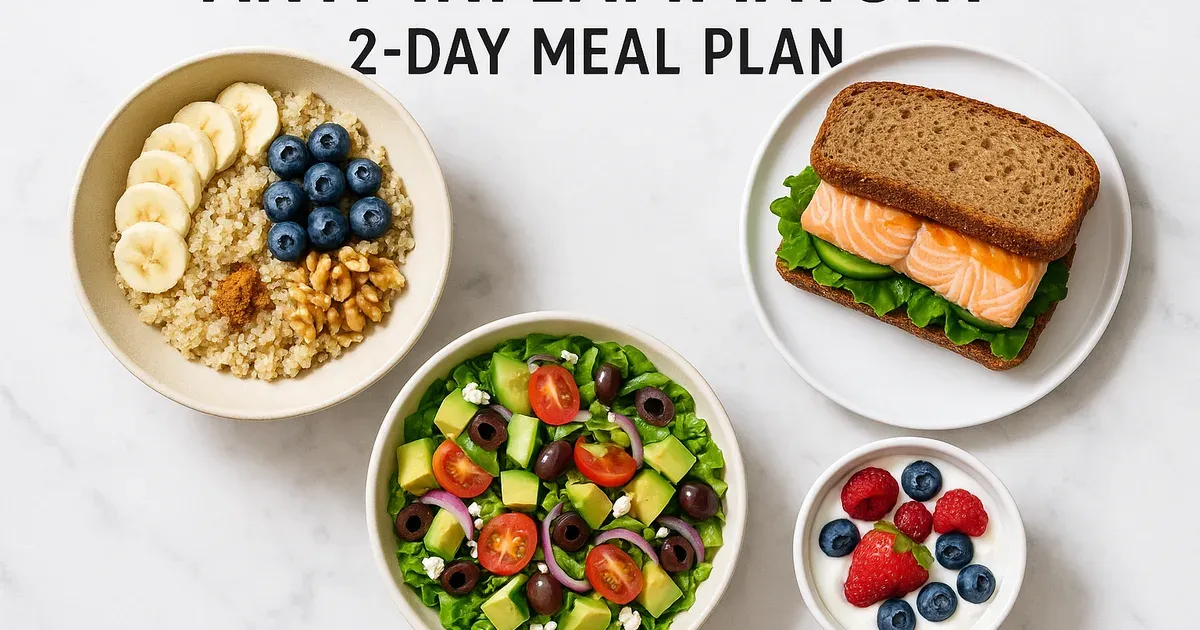
To make this practical, here's what two days of anti-inflammatory eating might look like for someone managing arthritis. This is a template, not a prescription — a registered dietitian can personalise it for your specific nutritional needs.
Day 1
- Breakfast: Edamame and avocado spread, ½ cup berries
- Morning snack (optional): Raspberry chocolate chia seed pudding
- Lunch: Plant-based pasta salad
- Afternoon snack: Celery with almond butter, ¼ cup mixed nuts
- Dinner: Flaxseed-crusted salmon with Mediterranean salad (cucumber, cherry tomatoes, avocado, kalamata olives)
- Dessert: Fresh fruit or plant-based arroz con leche
Day 2
- Breakfast: Crispy quinoa breakfast bowl, ½ cut-up fruit
- Morning snack (optional): Hemp and walnut energy bites
- Lunch: Leftover salmon sandwich on whole-grain bread with Greek yogurt, lemon juice, celery, and cayenne; leftover Mediterranean salad
- Afternoon snack: ½ cup Greek yogurt with 1 teaspoon maple syrup
- Dinner: Turmeric-infused beef and barley soup; tangy broccoli, grape, and walnut salad
- Dessert: Fresh fruit or plant-based arroz con leche
Notice how Day 2 uses leftovers from Day 1 — that's batch cooking in action. The salmon from dinner becomes a quick sandwich lunch the next day with minimal effort.
The Bottom Line
Meal planning for arthritis is less about dietary perfection and more about consistent, manageable steps that reduce inflammation over time. Start simple, lean on convenience foods when you need to, batch cook when you can, and build your meals around plants, healthy fats, omega-3-rich fish, legumes, whole grains, and flavourful spices.
The best dietary pattern is the one that makes you feel your best — and that looks different for everyone. What's consistent across the evidence is this: a diet rich in vegetables, fruit, whole grains, legumes, fermented foods, omega-3 fats, and anti-inflammatory herbs and spices is one of the most powerful tools you have for managing arthritis from the inside out. Always work with a registered dietitian to ensure your plan meets your individual nutritional needs.