Meal Planning for Arthritis: Anti-Inflammatory Guide
Dietitian Cristina Montoya shares a practical 5-step meal prep system and anti-inflammatory food guide tailored for people managing arthritis pain and fatigue.

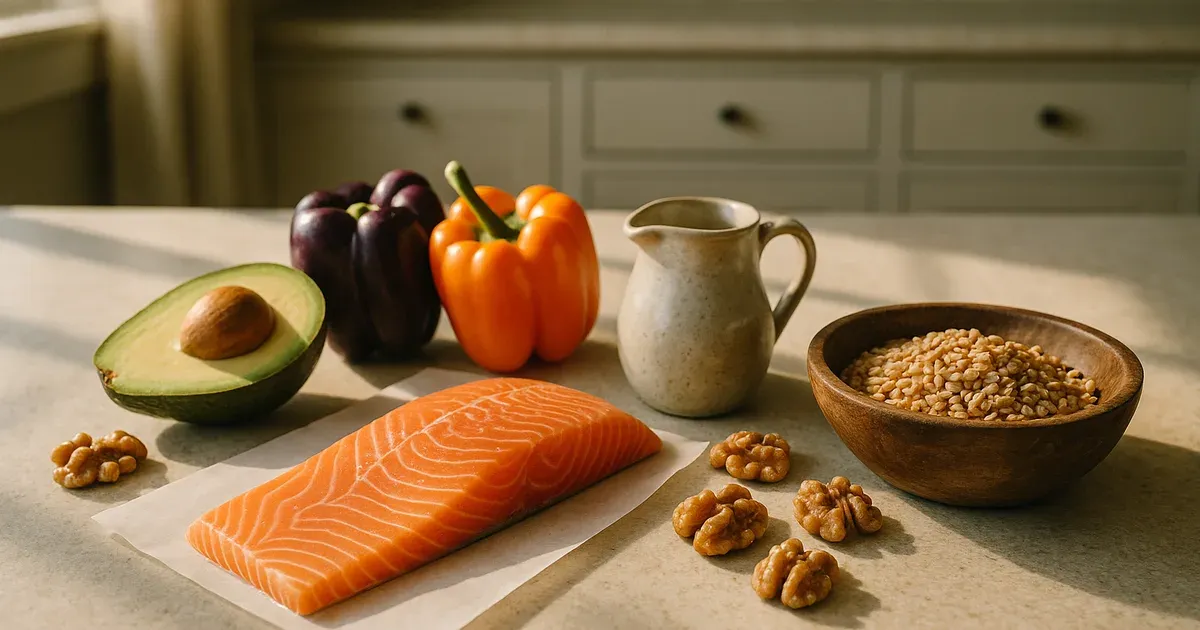
Meal planning for arthritis sounds ambitious when your joints ache and fatigue has already drained your energy before noon. Yet what you eat — and how consistently you prepare it — can meaningfully shift the inflammatory load your body carries every day. A Western diet packed with processed meats, refined starches, and added sugars actively fuels chronic inflammation. The good news: a few smart, repeatable habits in the kitchen can work in the opposite direction.
Registered dietitian Cristina Montoya has guided people with arthritis through this exact challenge. Her approach is practical, flexible, and built around one central idea — you do not need a perfect week to make progress. You just need a system that bends to fit your pain levels rather than breaking under them.
Why the Western Diet Makes Arthritis Worse
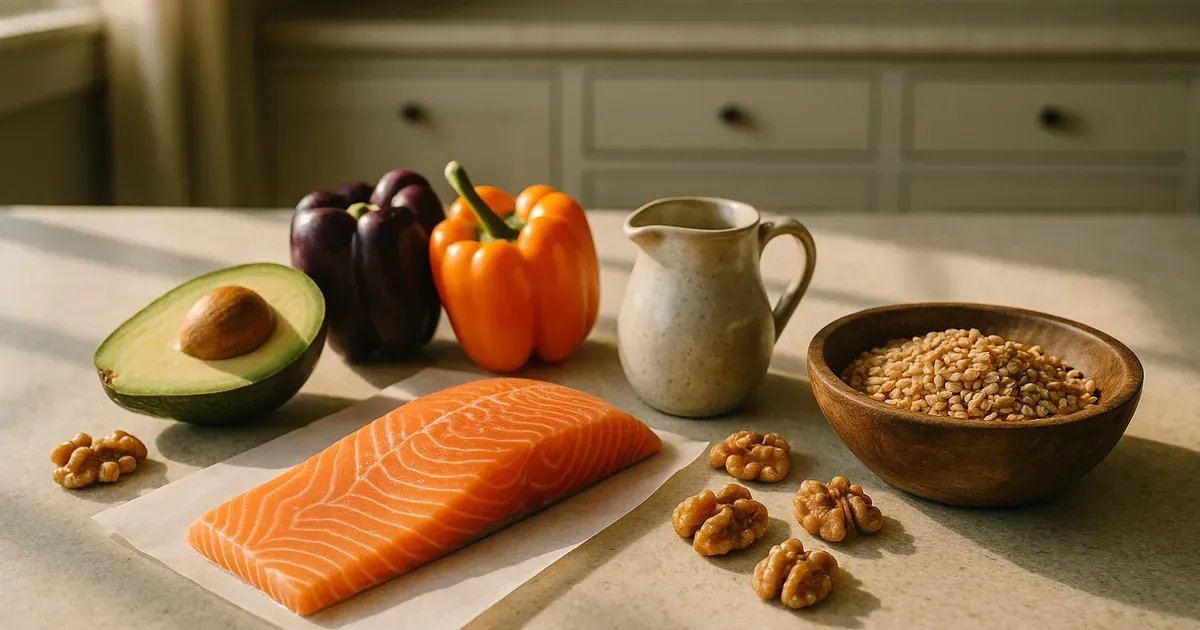
Chronic inflammation is the common thread linking arthritis pain to diet. Foods high in refined carbohydrates, unhealthy fats, and added sugars trigger inflammatory pathways in the body, worsening joint symptoms over time. Hormones that regulate hunger and stress — such as cortisol and insulin — are also disrupted by these dietary patterns, compounding fatigue and pain.
The alternative is not a rigid protocol. An anti-inflammatory eating pattern is a flexible framework centred on whole, plant-rich foods. It welcomes lean animal products in moderation and leaves room for real life. Most importantly, it is something you can build into a sustainable weekly routine through meal prep.
Meal prep means preparing and storing one or more meals and snacks in advance — not cooking everything from scratch every single day. Done well, it saves money, reduces decision fatigue, supports weight management, and puts more anti-inflammatory ingredients on your plate without requiring heroic effort on difficult days.
5 Practical Steps to Start Meal Prep With Arthritis
The biggest barrier is not motivation — it is logistics. Pain and fatigue make elaborate cooking routines impossible on bad days. These five steps, developed with arthritis in mind, help you build a sustainable practice.
1. Keep Ingredients Simple
Aim for recipes with five to ten main ingredients, not counting herbs and spices. Complex recipes multiply the time you spend standing, chopping, and lifting — all of which strain inflamed joints. Choose cooking methods and assistive devices that minimise joint stress, such as electric can openers, ergonomic knives, or a slow cooker that does the work while you rest.
2. Stock Convenience Foods Strategically
Frozen fruits and vegetables retain their nutrients and are a lifesaver during high-pain weeks when a grocery run is not possible. Keep low-sodium canned legumes, pre-cut salad mixes, and pre-chopped vegetables on hand at all times. These are not shortcuts — they are intelligent backup systems that keep your anti-inflammatory habits intact even when energy is low.
3. Batch Cook at Least Once a Week
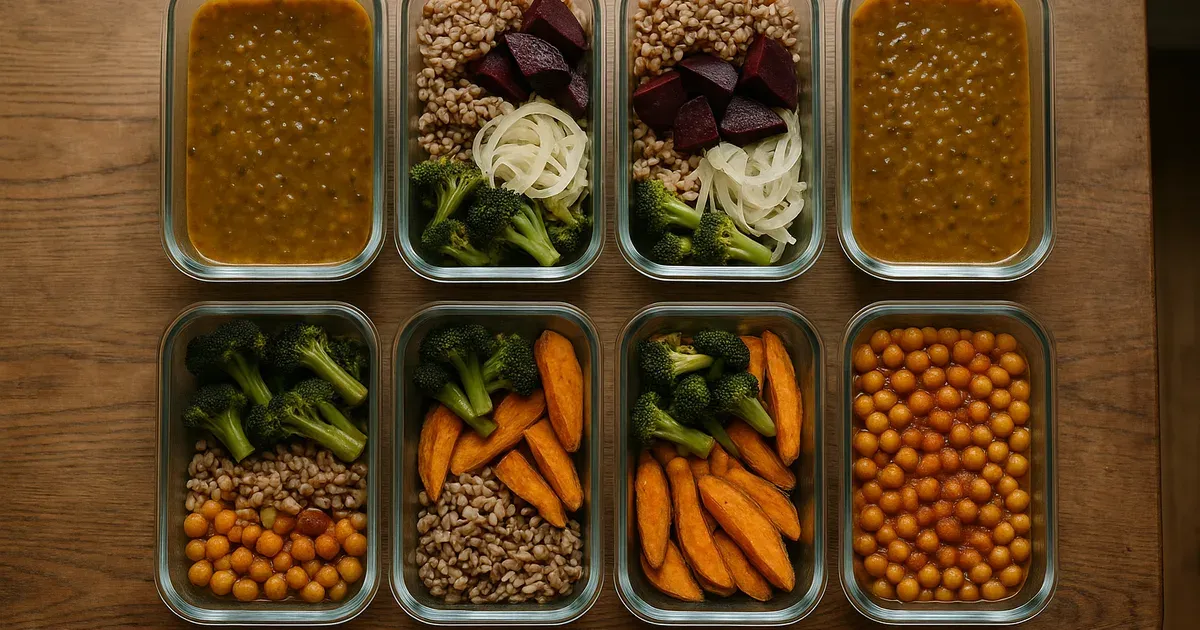
Double or triple a recipe on a good day so the first few days of the week are already covered. Freeze the surplus in portion-sized containers. A single batch-cooking session can produce lunches, dinners, and snacks that carry you through four or five days without turning on the stove again.
4. Work Within Your Schedule, Not Against It
Take advantage of lower-pain days to prepare more than usual. Some weeks you will manage full meal prep; others you will only manage washing and slicing a bag of vegetables. Both count. Flexibility is not a compromise — it is a core feature of a sustainable approach to meal planning for arthritis.
5. Focus on One Meal or Snack at a Time
You do not need to overhaul every meal at once. Pick the meal that causes you the most nutritional stress — maybe it is an afternoon snack that defaults to processed crackers — and improve just that one. Add an antioxidant-rich fruit or a handful of nuts. Small upgrades compound over time.
The Anti-Inflammatory Foods to Build Your Meals Around
Once you have a prep system in place, knowing which foods to prioritise makes shopping and cooking far more focused. Here is a category-by-category breakdown.
Fruits and Vegetables
Aim for half your plate at every meal. Fruits and vegetables are rich in vitamins A, C, E, and K, plus polyphenols — all of which reduce inflammatory markers. Target five servings per day: one serving equals one cup of raw leafy greens or half a cup of cooked vegetables or fruit.
Whole Grains
Whole-grain bread, oats, pot barley, wild rice, quinoa, and corn deliver B vitamins essential for energy metabolism — especially important when arthritis fatigue is a factor. They also provide manganese and copper, which act as antioxidants. Look for the whole grain symbol on packaging. Aim for two to three servings daily.
Beans and Legumes
Kidney beans, chickpeas, lentils, edamame, and fava beans are dual-purpose: they supply both fibre and plant protein, while research shows they reduce insulin resistance and systemic inflammation. One to two servings per day — roughly half a cup of cooked legumes — is a realistic and impactful target.
Nuts and Seeds
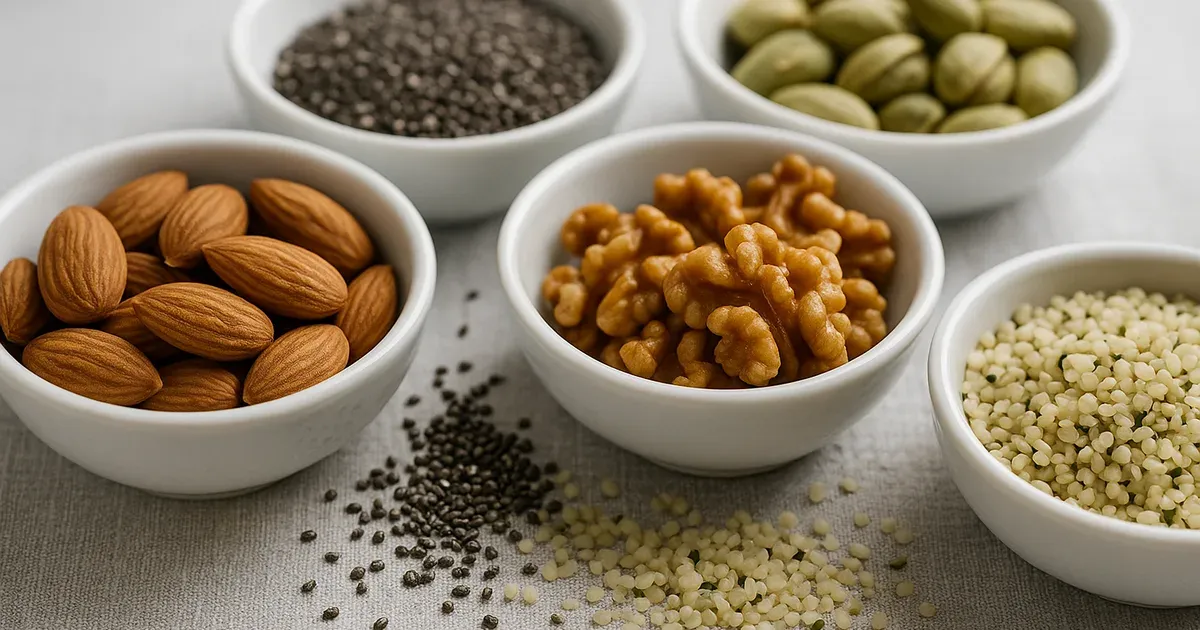
Almonds, walnuts, pistachios, hemp seeds, and chia seeds are concentrated sources of fibre, antioxidants, and omega-3 fatty acids. Omega-3s are particularly valuable for people with arthritis because they directly dampen inflammatory signalling. One to two servings daily — two tablespoons of seeds, a tablespoon or two of nut butter, or a small handful of nuts — also helps sustain fullness between meals.
Healthy Fats
Olive oil is the cornerstone fat in anti-inflammatory eating. Its monounsaturated fats and polyphenols carry measurable antioxidant and anti-inflammatory effects. Hemp oil, avocado oil, grapeseed oil, and coconut oil are viable alternatives. Target four to six small servings per day: one teaspoon of oil, five olives, or half a Hass avocado each count as a serving.
Fatty Fish
Salmon, sardines, mackerel, albacore tuna, Atlantic herring, and mussels are the richest dietary sources of long-chain omega-3 fatty acids. Including fatty fish at least once a week can measurably reduce joint inflammation. Hormones involved in inflammatory regulation — particularly prostaglandins — are directly influenced by omega-3 intake, making this category especially relevant for arthritis management.
Dairy and Fermented Foods
Low-fat fermented dairy products such as plain Greek yogurt, kefir, feta, cottage cheese, and paneer provide live bacteria that support gut health, which is increasingly linked to systemic inflammation. Plant-based alternatives fortified with calcium and vitamin D are equally valid. One to two servings daily covers the bases.
Lean Animal Products
Shellfish, skinless poultry, lean beef, eggs, and goat or lamb can remain part of an anti-inflammatory diet when consumed in moderation — roughly one to three servings per month rather than per day. A single serving is about three ounces (the size of a deck of cards) or two eggs.
Spices and Natural Sweeteners
Ginger, turmeric, garlic, cinnamon, cayenne, oregano, rosemary, basil, sage, and thyme all contain phytochemicals with documented antioxidant and anti-inflammatory properties. These are easy wins — adding them costs nothing in prep time and upgrades the nutritional profile of any dish. For sweetening, cane sugar, honey, or maple syrup are gentler on the gut than highly refined alternatives.
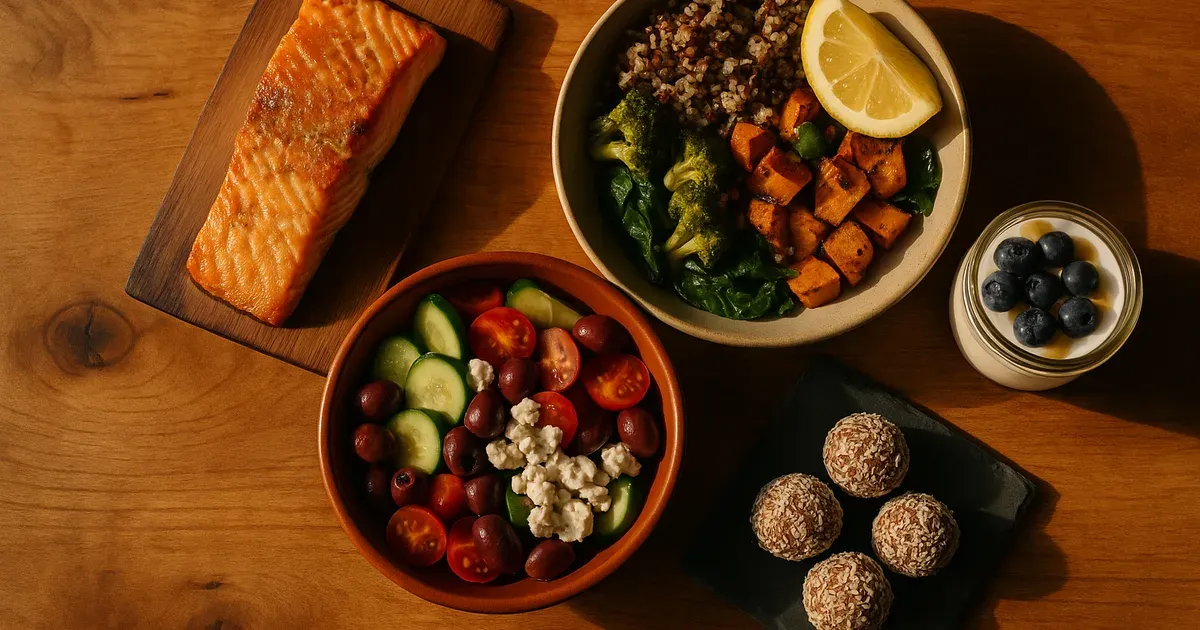
A Sample Two-Day Anti-Inflammatory Meal Plan
The following two-day plan illustrates how these food categories come together in practice. It is not prescriptive — treat it as a template you can adapt based on your energy, preferences, and what is already in your kitchen.
Day 1
Breakfast: Edamame and avocado spread on whole-grain toast with half a cup of mixed berries.
Morning snack (optional): Raspberry chocolate chia seed pudding — make a batch at the start of the week and portion it into jars.
Lunch: Plant-based pasta salad with legumes, roasted vegetables, and olive oil dressing.
Afternoon snack: Celery sticks with almond butter.
Dinner: Flaxseed-crusted salmon with a Mediterranean salad of cubed cucumbers, cherry tomatoes, avocado, and kalamata olives.
Dessert: Fresh fruit or half a cup of plant-based rice pudding.
Day 2
Breakfast: Crispy quinoa breakfast bowl with half a cup of cut fruit.
Morning snack (optional): Hemp and walnut energy bites — another batch-prep-friendly option.
Lunch: Salmon sandwich using leftover flaxseed-crusted salmon flaked with Greek yogurt, lemon juice, celery, and a dash of cayenne on whole-grain bread, plus leftover Mediterranean salad.
Afternoon snack: Quarter cup of mixed nuts with three-quarters of a cup of plain Greek yogurt drizzled with one teaspoon of maple syrup.
Dinner: Turmeric-infused beef and barley soup with a tangy broccoli, grape, and walnut salad.
Dessert: Fresh fruit or plant-based rice pudding.
Notice how Day 2 relies heavily on Day 1 leftovers. This is intentional — the salmon dinner becomes the next day's lunch with minimal effort. Batch cooking the soup means dinner is essentially reheating. This is meal planning for arthritis done right: effort concentrated on good days, coasting on systems on difficult ones.
The Bottom Line
The best dietary pattern is the one that makes you feel your best — and that genuinely differs between individuals. No single food will eliminate arthritis pain, and no single bad meal will derail your progress. What matters is the overall pattern: consistent servings of vegetables, fruit, whole grains, legumes, gut-supporting fermented foods, omega-3 fats, and anti-inflammatory herbs and spices.
Start small, stay flexible, and build on what works. If one change sticks this week — switching your afternoon snack, adding a handful of walnuts to your breakfast, or batch-cooking a pot of lentil soup — that is a genuine win. Over weeks and months, those wins accumulate into a way of eating that supports your joints rather than inflaming them.
A registered dietitian can personalise this framework to ensure you are meeting your full nutrient needs, accounting for any medications or conditions that affect absorption, and building a plan that fits your actual life — not an idealised version of it.