Megacolon: When Constipation Becomes Dangerous
Megacolon is a rare but dangerous bowel condition where the colon stretches so severely it loses function. Here's what UK adults need to know.

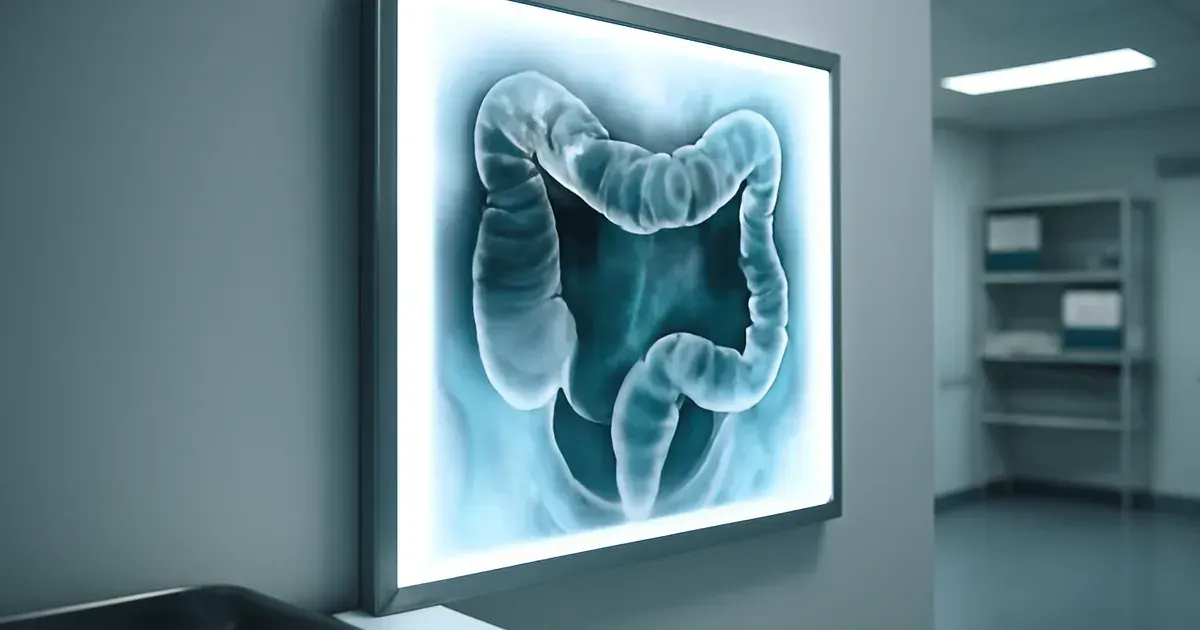
A rare but serious bowel condition called megacolon — in which the colon becomes severely and abnormally enlarged — can render constipation life-threatening, according to a report published via The Conversation by Mohsin Butt on 12 June 2026. The colon is approximately one and a half metres long and is essential for moving waste through the body. When it becomes so stretched that normal function breaks down, the consequences can be severe.
Why This Matters for Gut Health in the UK
Gut health in the UK is an increasingly prominent public health concern. Research from the British Gut Project and institutions such as King's College London has highlighted how disruptions to normal bowel function — including changes to the gut microbiome — can have far-reaching effects on overall health. While megacolon is rare, it sits at the extreme end of a spectrum of colonic motor disorders that affect many people in the UK, making awareness of warning signs critically important for both patients and NHS clinicians.
What Happens When the Colon Loses Its Function
According to the source report, the colon can become so distended that it begins to lose its ability to contract and propel waste effectively. A 2015 study in PMC examining clinical features of chronic megacolon found that among patients diagnosed with the condition, abnormal colonic motor function — including severely reduced compliance and tone — was a defining characteristic, distinguishing megacolon from other bowel disorders. Per the source, this functional breakdown is what makes megacolon particularly dangerous when constipation is severe or prolonged.
The Gut-Brain Connection and Colonic Motility
The gut-brain connection is central to understanding why megacolon develops. The colon's movement is regulated by an intricate network of nerves — sometimes called the enteric nervous system — that communicates continuously with the brain. Disruptions along this gut-brain axis can impair colonic motility, according to the report. This link between neurological signalling and bowel function underscores why megacolon is not simply a mechanical problem, but one rooted in the complex interplay between the nervous system and the gut microbiome environment.
What This Means for Patients and NHS Pathways
For health-conscious adults in the UK, the key practical takeaway is that persistent, worsening constipation — particularly when accompanied by abdominal distension or pain — warrants prompt medical assessment rather than self-management alone. Per the source report, megacolon can escalate rapidly if untreated. Anyone experiencing these symptoms is advised to consult their GP and seek an NHS referral to a gastroenterologist without delay.
Megacolon is rare, but it illustrates a broader truth that gut health in the UK deserves serious attention: the colon is not a passive tube, but an active, neurologically complex organ. Understanding the gut-brain connection — and recognising when symptoms cross from ordinary constipation into something more urgent — could be genuinely life-saving.
You might also like
- Gut Health Supplement SlimTide Targets Microbiome
- How to Improve Gut Health Naturally in 5 Steps
- Gut Health UK Explained: Your Biggest Questions Answered
96 Bacterial Strains. Two Shots a Day.
GOODIE is an award-winning fermented drink with 96 live bacterial strains — more than any yogurt or kombucha — never pasteurised, clinically tested, and 8 in 10 users felt less bloating within 14 days. Curious?