Menopausal Belly Fat: Your Biggest Questions Answered
Expert and evidence-backed answers to the most common questions about menopausal belly fat, covering causes, risks, exercise, diet, and daily habits.

If you have noticed your waistline expanding during or after menopause, you are not alone — and you are not imagining it. Hormonal shifts, a slowing metabolism, and changing fat distribution all conspire to deposit extra weight right around your middle. It can feel frustrating and confusing, especially when your usual strategies stop working. This guide addresses the most common questions about menopausal belly fat, drawing on expert advice and the latest research so you can take real, informed action.
Quick Navigation
Why do I gain belly fat during menopause?
Is menopausal belly fat actually dangerous?
What type of exercise best fights menopausal belly fat?
Does diet really make a difference for menopause belly?
Can tai chi really help shrink belly fat in menopause?
What small daily habits make the biggest difference against menopausal belly fat?
Why do I gain belly fat during menopause?
Menopausal belly fat accumulates primarily because of falling estrogen levels, which shift where your body stores fat. Before menopause, estrogen encourages fat to be stored in the hips and thighs. As estrogen wanes during the menopausal transition, fat storage migrates toward the abdomen instead.
Your metabolism also slows with age, meaning your body burns fewer calories at rest than it once did. Some research suggests metabolism can drop by a couple hundred calories per day during this life stage.
Pamela Peeke, MD, MPH, an integrative and preventive medicine physician and author of Body for Life for Women, has coined a term for this phenomenon: the "menopot" — the extra fat that collects specifically around the middle.
Key factors driving the change include:
- Declining estrogen redistributing fat to the abdomen
- A slower resting metabolism burning fewer calories each day
- Age-related muscle loss (sarcopenia), which further reduces calorie burn
- Lifestyle factors such as reduced activity and poor sleep
Understanding these drivers is the first step to addressing them with targeted strategies.
Is menopausal belly fat actually dangerous?
Menopausal belly fat is not merely a cosmetic concern — it carries genuine health risks, including an elevated risk of cardiovascular disease. A study published in the journal Menopause found that weight accumulation around the middle during the menopausal transition raises cardiovascular risk even in women who have not gained overall body weight.
Abdominal or "central" fat is predominantly visceral fat, which wraps around internal organs rather than sitting just under the skin. Visceral fat is metabolically active in ways that promote inflammation, insulin resistance, and elevated blood lipids — all precursors to heart disease and type 2 diabetes.
"It's a fact of life that both men and women gain weight as they age, but we can take action to combat it," says Stephanie Faubion, MD, medical director of the Menopause Society. "It can be hard, but it is possible to do it."
The bottom line on risk: treating menopausal belly fat as a health priority — not just an aesthetic one — gives you strong motivation to adopt the strategies below.

What type of exercise best fights menopausal belly fat?
A combination of high-intensity interval training (HIIT) and strength training is currently the most evidence-backed exercise approach for reducing menopausal belly fat. Aerobic work burns calories and improves cardiovascular health, while resistance training preserves and builds muscle mass — critical when metabolism is slowing.
"What you want to employ now is high-intensity interval training," says Dr. Peeke. "Moderate levels of exercise are interspersed with high-intensity intervals throughout the week."
The CDC recommends that all adults complete at least 150 minutes of moderate-intensity aerobic activity per week, plus two or more days of muscle-strengthening activities targeting all major muscle groups.
Practical exercise options to consider:
- Aerobic: brisk walking, swimming, cycling, running
- HIIT: alternating sprint intervals with walking or cycling
- Strength: weightlifting, resistance bands, bodyweight exercises
- Low-impact alternatives: tai chi, yoga with strength components
Exercise intensity is personal. Kathryn A. Boling, MD, a family medicine physician at Mercy Medical Center, notes that "what we did when we were 30 and what we do when we're 60 is very different." If you are returning to exercise after a break, start gradually and consider working with a personal trainer or physical therapist to avoid injury.
HIIT vs. Moderate Steady-State Cardio for Belly Fat
| Factor | HIIT | Moderate Steady-State |
|---|---|---|
| Calorie burn per session | Higher (shorter duration) | Moderate (longer duration) |
| After-burn effect | Significant | Minimal |
| Joint impact | Can be higher | Generally lower |
| Time required per week | Less | More |
| Best for | Those with some fitness base | Beginners or injury recovery |
Does diet really make a difference for menopause belly?
Diet plays a significant role in managing menopausal belly fat, with carbohydrate quality and portion control being two of the most impactful levers. Research published in the British Journal of Nutrition — considered the strongest study to date in a menopause-specific population — found that a reduced-carbohydrate diet may decrease the risk of postmenopausal weight gain.
"Carbs are the enemy of the middle-aged woman," says Dr. Boling. "If you are perimenopausal, look at how much sugar you are eating. Carbs turn into sugar in our bodies."
Beyond carbohydrate quality, meal timing and frequency matter too. Nutrition expert Christine Palumbo, RDN, explains that emerging research favours three structured meals per day over five or six smaller ones. She recommends a protein-rich breakfast, a substantial midday meal, and a lighter evening supper.
Practical dietary adjustments to try:
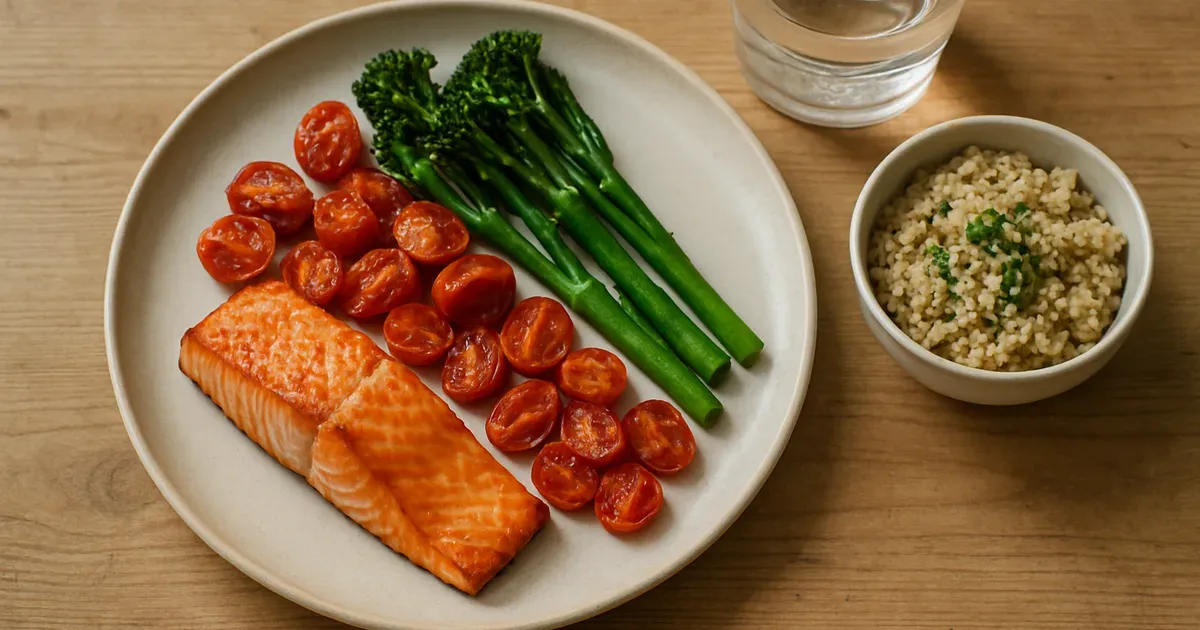
- Replace refined carbs (white bread, pasta) with fibre-rich whole grains or vegetables
- Start each day with a breakfast containing lean protein
- Make lunch your largest meal when possible
- Order appetisers as entrees when dining out to manage portions
- Be mindful of alcohol, which adds calories and disrupts sleep
- Ask for a to-go container when ordering restaurant meals to portion servings
Can tai chi really help shrink belly fat in menopause?
Yes — tai chi has demonstrated measurable results for reducing abdominal fat in middle-aged and older adults, according to a rigorous clinical study. Research published in the Annals of Internal Medicine found that adults aged 50 and older with central obesity who practised tai chi for 12 weeks reduced their waist circumference just as effectively as those who completed conventional aerobic exercise and strength training for the same period.
Tai chi is a Chinese discipline combining slow, low-impact meditative movements with controlled breathing. Its gentle nature makes it particularly accessible for people with joint pain, balance concerns, or limited prior exercise experience.
The study authors concluded that tai chi "provides an alternative and more amenable exercise modality for middle-aged and older adults to manage central obesity."
Why tai chi may work for menopausal belly fat:
- Promotes consistent, gentle movement that accumulates meaningful calorie burn
- Reduces cortisol (the stress hormone linked to abdominal fat storage)
- Improves sleep quality, which is closely tied to weight regulation
- Accessible and low-risk, encouraging long-term adherence
For women who find high-intensity exercise daunting or uncomfortable, tai chi represents a scientifically supported entry point.
What small daily habits make the biggest difference against menopausal belly fat?
Beyond formal exercise and diet, consistent low-effort daily habits can meaningfully reduce menopausal belly fat over time by cutting prolonged sedentary behaviour. A study published in the Journal of Sport Health and Science found that extended sitting is directly linked to higher levels of abdominal fat — independent of formal exercise.
"Stay as vertical as possible throughout the day," advises Dr. Peeke. Simple adjustments can add up significantly across a week.
High-impact micro-habits to build into your day:
- Stand and pace during phone calls instead of sitting
- Walk to speak with someone in your home rather than texting
- Park farther from building entrances to accumulate extra steps
- Use a sit-stand desk at work and take regular movement breaks
- Set an hourly reminder to stand, stretch, or walk for two minutes
- Use a fitness tracker to close daily movement goals — the visual feedback is a proven motivator
Sleep and stress should not be overlooked. Poor sleep elevates cortisol, which drives fat storage in the abdominal region. Prioritising seven to nine hours of quality sleep each night is a non-negotiable component of any belly fat reduction strategy.
Small, sustainable changes compounded daily are often more effective long-term than dramatic overhauls that are difficult to maintain.

Bottom Line
- Menopausal belly fat is driven by hormonal shifts, specifically falling estrogen, which redirects fat storage to the abdomen alongside a slowing metabolism.
- It is a genuine health risk, not just a cosmetic issue — central fat raises cardiovascular disease risk even without overall weight gain.
- HIIT combined with strength training is the most effective exercise approach, but low-impact alternatives like tai chi deliver comparable results and suit a wider range of fitness levels.
- Reducing refined carbohydrates and managing meal timing — favouring three structured meals with a protein-rich breakfast — supports weight management during menopause.
- Daily non-exercise movement matters: standing more, sitting less, and building micro-movement habits throughout the day all contribute to long-term belly fat reduction.