Menopause & Digestive Health: The Hidden Gut Crisis
A new study finds 94% of perimenopausal and menopausal women report digestive symptoms, yet most receive inadequate care. Here's what the research reveals.


If you've noticed your gut behaving differently since perimenopause began, you are far from alone. Bloating that won't quit, constipation that comes out of nowhere, stomach pain, and acid reflux — these are complaints millions of midlife women share quietly, often assuming nothing can be done. A major new study confirms what many women have long suspected: menopause digestive health problems are not a minor inconvenience. They are a widespread, underdiagnosed, and undertreated crisis hiding in plain sight.
Presented at the 2025 Annual Meeting of The Menopause Society in Orlando, the UK-based study surveyed nearly 600 women aged 44 to 73 and delivered a striking result: 94% reported experiencing digestive symptoms — and the majority said those symptoms either started or got worse during perimenopause or menopause.

Why Menopause Digestive Health Is Being Ignored
Digestive complaints have long been overshadowed by the more "famous" menopause symptoms. Hot flashes, night sweats, and mood swings dominate the public conversation. Gut symptoms rarely make the highlight reel.
"Symptoms like hot flashes, night sweats, and mood changes are more widely recognized as symptoms of menopause, so it can be easy to overlook or underestimate the significance of digestive issues that may be happening at the same time," says Dr. Stephanie Faubion, medical director for The Menopause Society.
The result is a profound gap in care. Women go to their doctors with bloating, pain, and reflux — and too often leave without answers. The study found that while 53% of participants had sought professional support for their gut symptoms, a sobering 58% of those women found the support they received to be inadequate. This is not a small or edge-case problem. It is systemic.
What the Research Actually Found
The numbers from this study demand attention. Among the nearly 600 perimenopausal and menopausal women surveyed, the most common digestive symptoms reported were:
- Bloating — experienced by 77% of participants
- Constipation — reported by 54%
- Stomach pain — affecting 50%
- Acid reflux — present in 49%
Only 33% had received a formal diagnosis of irritable bowel syndrome (IBS), despite the symptom profiles of many women being consistent with that condition. This suggests a significant diagnostic shortfall — women are living with clinically relevant gut dysfunction that is simply not being named, tracked, or treated.
Statistically significant associations were found between menopause stage and specific symptoms, particularly bloating and stomach pain, reinforcing the biological connection between reproductive hormonal shifts and gut function.
Over half of the women experienced symptoms daily or weekly. And 55% reported that those symptoms had a significant or regular impact on their quality of life — affecting work, social activities, sleep, and emotional wellbeing.
The Hormone-Gut Connection Explained
The gut does not operate in isolation from the rest of the body. During perimenopause and menopause, fluctuating hormones — particularly estrogen and progesterone — directly influence gastrointestinal function. Estrogen receptors exist throughout the gut lining, and as estrogen levels decline, gut motility, microbiome composition, and visceral sensitivity can all change.
Progesterone, which slows gut transit when levels are high during certain cycle phases, also fluctuates significantly during perimenopause. These hormonal shifts can explain why symptoms like constipation and bloating intensify or appear for the first time during this life stage.
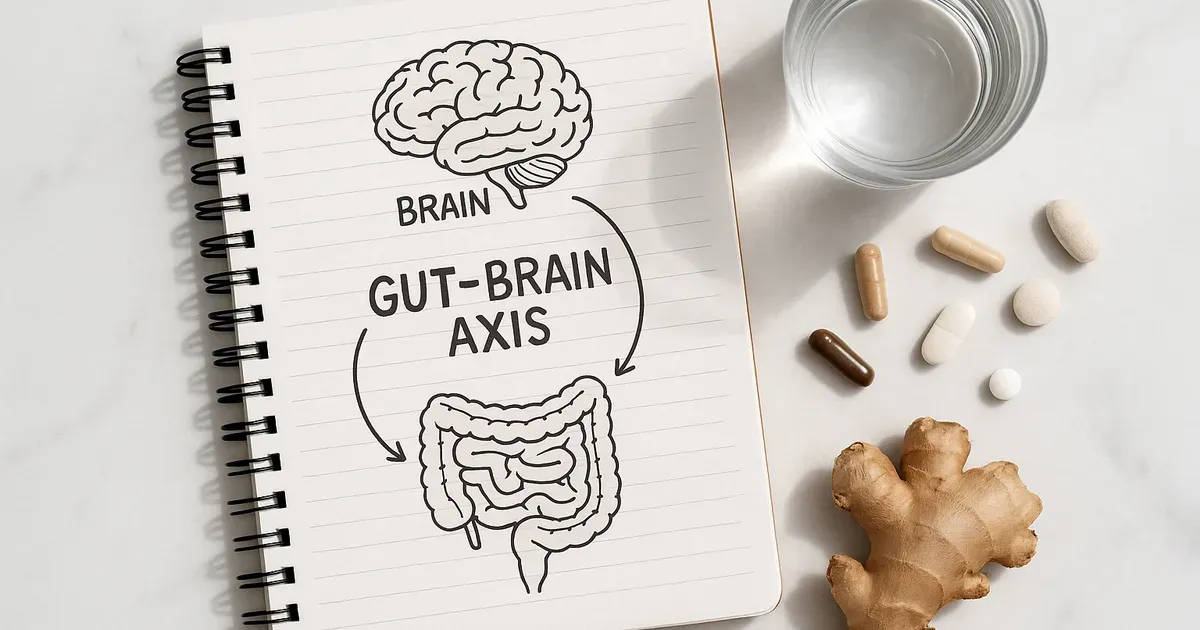
The gut-brain axis also plays a role. Serotonin — the neurotransmitter most associated with mood — is produced predominantly in the gut, and its regulation is influenced by estrogen. When estrogen drops, serotonin signalling in the gut can be disrupted, potentially contributing to increased pain sensitivity, irregular bowel function, and the kind of diffuse abdominal discomfort many women struggle to describe clearly to their doctors.
How Women Are Coping — And Why Self-Management Has Its Limits
Faced with inadequate clinical support, most women are improvising. The study found that 89% of participants had tried self-management strategies to address their gut symptoms. These included dietary changes, stress management techniques, and over-the-counter supplements.
This is not surprising. When formal healthcare fails to meet a need, people adapt. But self-management without professional guidance has real limitations. Without an accurate diagnosis, dietary changes may be misdirected. Without understanding the hormonal drivers of gut symptoms, stress management may address only part of the picture.
Nigel Denby, the study's lead author and a registered dietitian based in London, frames the problem clearly. "Digestive health problems at midlife are often brushed aside, yet our research shows they are both widespread and impactful for women. By raising awareness of this hidden burden, we hope to encourage healthcare professionals to ask the right questions, validate women's experiences, and work towards better support and treatment options during menopause."
The reliance on self-management also points to a knowledge gap on both sides of the consultation room. Many women don't know that their gut symptoms may be connected to menopause. Many healthcare professionals don't ask. The result is a cycle of unaddressed suffering that the research community is only beginning to quantify.

What Better Care Could Look Like
The study authors are calling for action on multiple fronts. Improved clinical awareness is the first priority — healthcare professionals need to understand that menopause digestive health is a legitimate and common concern, not a coincidence or an exaggeration.
Education for clinicians should include the physiological mechanisms linking hormonal change to gut dysfunction, as well as evidence-based approaches to diagnosis and management. Women presenting with new or worsening digestive symptoms in midlife should be routinely asked about their menopause stage as part of a holistic assessment.
Targeted support strategies are also needed. This means moving beyond generic dietary advice and developing menopause-specific gut health interventions — ideally ones that account for the microbiome changes, motility shifts, and visceral sensitivity increases that characterise this life stage.
Research investment is equally critical. The intersection of menopause and gut health remains relatively understudied. Larger longitudinal studies are needed to understand how gut symptoms evolve across the menopause transition, which women are most at risk, and which interventions produce the best outcomes. The 2025 Menopause Society presentation, titled "Menopause and the Gut: Uncovering a Hidden Health Burden," is a step in the right direction — but it is an early one.
Frequently Asked Questions About Menopause and Gut Symptoms
Can menopause really cause digestive problems? Yes. The hormonal changes of perimenopause and menopause directly affect gastrointestinal function. Estrogen and progesterone influence gut motility, the gut microbiome, and pain sensitivity. Declining levels of these hormones can trigger or worsen symptoms including bloating, constipation, stomach pain, and acid reflux.
Why has my bloating gotten so much worse since perimenopause started? Bloating is the most commonly reported gut symptom among perimenopausal and menopausal women, affecting 77% of participants in this new study. It is likely driven by changes in gut motility, microbiome composition, and increased visceral sensitivity — all of which are influenced by shifting hormone levels.
Should I see a doctor about my gut symptoms during menopause? Yes. While many women self-manage with dietary changes and supplements, professional support can help identify whether an underlying condition such as IBS is present and guide more targeted treatment. If you have sought support and found it inadequate, it is worth returning and specifically raising the connection between your symptoms and your menopause stage.
Is IBS more common during menopause? The study found that only 33% of women with significant gut symptoms had received a formal IBS diagnosis, suggesting many cases are going undetected. Menopause does not cause IBS, but the hormonal environment of this life stage can unmask or worsen IBS-like symptoms in susceptible women.
What dietary changes help with menopause-related gut symptoms? Evidence supports a high-fibre diet for constipation, reduced intake of gas-producing foods for bloating, and smaller, more frequent meals for acid reflux. However, individual responses vary significantly. Working with a registered dietitian who understands menopause can help tailor an approach to your specific symptom profile.

The Bottom Line
Menopause digestive health is a significant, real, and largely unmet clinical need. Nine in ten perimenopausal and menopausal women in this study reported gut symptoms. More than half said those symptoms affected their quality of life regularly. Yet fewer than a third had received a formal diagnosis, and most of those who sought help felt it fell short.
The research is clear: this is not a niche concern. It is a mainstream women's health issue that deserves the same clinical attention as hot flashes and mood changes. Hormones shape the gut in ways that are only beginning to be fully understood, and women at midlife deserve healthcare that reflects that understanding.
The path forward requires healthcare professionals to ask better questions, researchers to fund more targeted studies, and women themselves to feel empowered to raise gut symptoms in the consultation room — knowing that what they're experiencing is valid, common, and worth treating.