Menopause and the Gut Microbiome Explained
Menopause reduces gut microbiome diversity and shifts its composition — potentially driving chronic disease risk. Here's what the science says.


Most women know menopause reshapes their body — but few realise it may also reshape the trillions of microbes living in their gut. Research is beginning to illuminate a two-way relationship between the menopausal transition and the gut microbiome, one that could help explain why chronic disease risk climbs so sharply after the final menstrual period. Understanding menopause and the gut microbiome may open entirely new doors for protecting women's health across the three decades that, on average, follow menopause.

What Is the Gut Microbiome and Why Does It Matter?
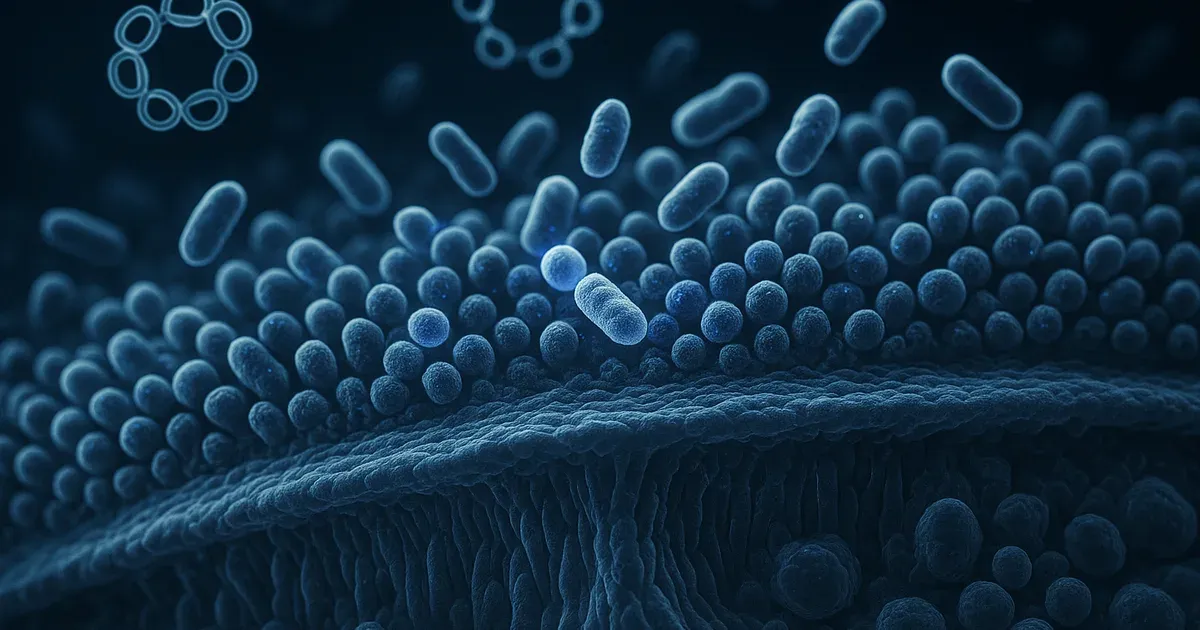
The gut microbiome is the vast community of bacteria, archaea, fungi, and viruses that colonise the digestive tract. Microbial cells exist in roughly a 1:1 ratio with human cells, yet the microbial gene pool outnumbers the human genome by at least 100 to 1 — a staggering reservoir of biological activity. These microorganisms are not passive passengers; they actively metabolise dietary fibre, amino acids, bile acids, hormones, and other compounds that shape health from the gut outward.
The reach of the gut microbiota extends well beyond digestion. Through the gut–brain axis — a bi-directional network of metabolic, neuroendocrine, and immune signals — the microbiome influences mood, cognition, and the central nervous system. Reduced microbiome diversity, often called dysbiosis, is consistently linked to conditions including obesity, cardiovascular disease, type 2 diabetes, inflammatory bowel disease, colorectal cancer, and depression. The gut microbiome is therefore both a potential biomarker of disease risk and a modifiable target for intervention.
How Sex Hormones Shape the Gut Microbiome
The gut microbiome is not the same across sexes, and sex hormones appear to be a primary reason why. Studies of dizygotic twins show that teenage male–female pairs have greater microbiome dissimilarity than same-sex pairs — a divergence not seen in infancy. In girls, the gut microbiome shifts toward an adult-like composition during pubertal progression, and animal data confirm that sex differences in gut microbiome composition emerge at puberty and peak in adulthood.
Estrogens influence the gut microbiome partly through a specialised subset of gut bacteria known as the estrobolome. These bacteria encode enzymes — principally beta-glucuronidase — that deconjugate oestrogens excreted in bile, making them available for reabsorption into circulation. This enterohepatic recycling means the gut microbiome directly modulates the pool of biologically active oestrogen the body can access. When estrobolome composition changes, circulating oestrogen levels can shift even without any change in ovarian output.
Progesterone and other ovarian hormones also interact with gut microbial communities, though the mechanisms are less well characterised than those for oestrogen. The overall picture is one of dynamic, reciprocal influence: hormones shape which microbes thrive, and the microbes in turn regulate how much active hormone circulates in the body.
What Happens to the Gut Microbiome During Menopause?
The menopausal transition involves a sustained and significant decline in ovarian production of estradiol and progesterone. Remaining ovarian follicles dwindle, menstrual cycles become irregular or anovulatory, and follicle-stimulating hormone (FSH) rises as the pituitary attempts to compensate. After the final menstrual period, ovarian oestrogen production effectively ceases, with peripheral tissues — chiefly adipose — becoming the main oestrogen source via conversion of adrenal androgens.
Current evidence suggests that menopause is associated with lower gut microbiome diversity. Diversity is a commonly used marker of microbiome health; a richer, more varied community is generally more resilient and more capable of performing its wide range of metabolic functions. A decline in diversity during and after menopause mirrors the pattern seen in other states of hormonal disruption and may contribute to the uptick in chronic disease risk that characterises this life stage.
Strikingly, the post-menopausal gut microbiome appears to shift toward a composition more similar to that of men. This convergence is consistent with the idea that oestrogen is a key driver of female-specific microbiome characteristics throughout adulthood, and that its loss effectively erases some of those distinctions. The specific bacterial taxa most affected by menopause remain an active area of investigation — replicable patterns across large study populations have yet to be firmly established, underscoring the need for more robust research.
The Gut Microbiome and Menopause-Related Disease Risk
The chronic diseases that become more common after menopause — cardiovascular disease, type 2 diabetes, osteoporosis, and certain cancers — are all conditions in which the gut microbiome has an established or emerging role. This raises a compelling hypothesis: some portion of the accelerated disease risk that follows menopause may be mediated through menopause-driven changes in the gut microbiome rather than, or in addition to, the direct loss of oestrogenic signalling.
Lipopolysaccharide (LPS), a pro-inflammatory cell wall component of gram-negative bacteria, is one plausible mechanism. When gut barrier function falters — a process called microbial translocation — LPS enters systemic circulation and drives chronic low-grade inflammation. Post-menopausal changes in microbiome composition and barrier integrity could amplify this inflammatory burden at exactly the time when oestrogenic anti-inflammatory protection has been withdrawn.
The estrobolome connection adds another layer. If menopause disrupts the estrobolome, the gut's capacity to recycle even the small amounts of peripheral oestrogen produced after menopause may be further impaired, compounding hormonal deficiency. Clarifying this loop is clinically important: it could reveal whether supporting the gut microbiome helps maintain oestrogen bioavailability in post-menopausal women.
Menopausal Hormone Therapy and the Gut Microbiome
Menopausal hormone therapy (HT) — typically estradiol-based — is the most effective treatment for vasomotor symptoms such as hot flushes, as well as genitourinary symptoms and bone loss. Given that exogenous oestrogen demonstrably influences gut microbiome composition, it is biologically plausible that HT could attenuate or reverse some of the menopause-related microbiome changes described above. Yet this remains one of the most significant knowledge gaps in the field.
Studies examining whether HT modifies menopause-related shifts in gut microbiome diversity and composition are limited and inconsistent. Without large, well-controlled trials, it is not yet possible to say whether HT restores a pre-menopausal microbiome profile, partially offsets diversity decline, or has effects that differ by hormone formulation, route of delivery, or duration of use. These are not trivial questions: the microbiome implications of HT could influence prescribing decisions and help personalise therapy.
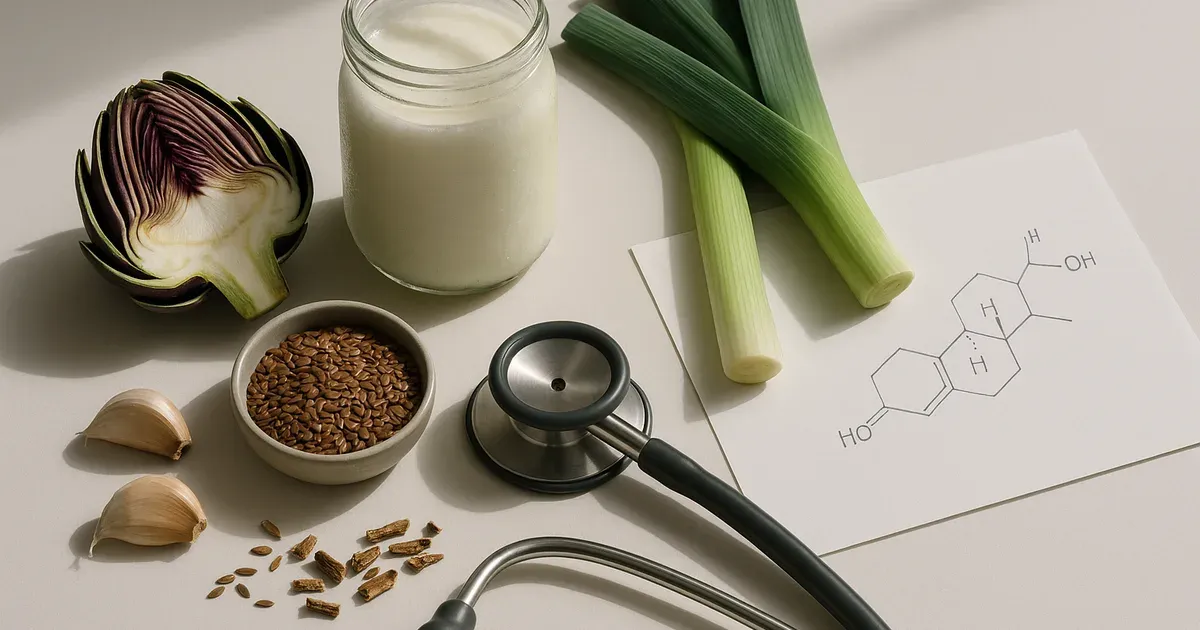
There is also a need to examine non-hormonal microbiome-targeted strategies in the context of menopause. Diet, prebiotic and probiotic supplementation, physical activity, and sleep all modulate the gut microbiome. Whether such interventions can meaningfully buffer the microbiome changes associated with the menopausal transition, or reduce associated disease risk, has not been rigorously studied.
The Gut Microbiome Across the Female Lifespan
Gut microbiome diversity increases gradually through adulthood, appearing to plateau around age 40. Beyond that plateau, the composition of each person's microbiome becomes increasingly individualised with advancing age. Centenarians and nonagenarians display gut microbiome characteristics distinct from younger adults, suggesting the microbiome may both reflect and contribute to exceptional longevity.
Menopause is not an isolated event but a pivotal inflection point within a longer arc of female reproductive ageing. Understanding how microbiome changes across the perimenopause relate to those driven by ageing alone — and how those two processes interact — will require studies that track women longitudinally from pre-menopause through the transition and into post-menopause. Most existing data come from cross-sectional comparisons, limiting causal interpretation.
The modifiable nature of the gut microbiome is ultimately what makes this research so promising. Unlike genetic risk or age itself, the microbiome can be changed. If specific microbiome signatures prove to predict menopause-related disease trajectories, they could serve as early biomarkers and targets for intervention at a life stage when preventive action has the greatest long-term impact.

Bottom Line
Menopause and the gut microbiome are intimately connected, though the full picture is still emerging. The decline in ovarian oestrogen appears to reduce gut microbiome diversity and nudge its composition toward a more male-like profile — changes that may partially explain the acceleration of chronic disease risk after menopause. The estrobolome, microbial translocation, and gut–brain axis signalling all represent plausible biological pathways through which these changes could translate into health consequences.
Critical questions remain unanswered: Does menopausal hormone therapy stabilise or restore microbiome health? Which specific bacterial communities are most consistently disrupted? Can diet or targeted supplementation compensate for hormone-driven microbiome shifts? Answering these questions through large, longitudinal studies will be essential to converting early scientific signals into practical strategies for improving peri- and post-menopausal health and wellbeing.