Menopause Weight Gain: A 5-Step Diet Plan
Menopause weight gain affects up to 70% of women. Discover 5 evidence-backed diet steps to reduce belly fat and improve health during menopause.


A popped button mid-conference. Hot flashes at 2 a.m. A waistband that no longer forgives. If any of this sounds familiar, you are not imagining things — and you are not alone. Menopause weight gain affects 60–70% of women going through the transition, and the belly fat that accumulates during this time carries real health risks beyond aesthetics. The good news: targeted dietary changes can make a meaningful difference, even if the results take longer than they did in your thirties.
This guide breaks down five evidence-backed diet steps to reduce menopause-related belly fat, explains why your body is changing, and includes a sample five-day meal plan to get you started.

Why Menopause Causes Weight Gain — Especially Around the Belly
The hormonal shifts of perimenopause and menopause directly alter how your body stores fat. Declining estrogen levels trigger a redistribution of fat toward the abdomen, while a simultaneous loss of muscle mass slows the metabolism. One study found that perimenopausal women doubled their fat mass in the years leading up to menopause — a striking figure that underlines just how significant these changes can be.
Abdominal fat is not merely a cosmetic concern. Research links increasing belly fat to impaired insulin sensitivity, hypertension, dyslipidemia, and elevated risk of heart disease, Type 2 diabetes, and certain cancers including breast, colon, and endometrial cancers. Understanding these risks is often the most powerful motivator for making lasting dietary changes — far more powerful than fitting back into a favourite pair of trousers.
Perimenopause can begin years before your final period. Once you go 12 consecutive months without a menstrual cycle, you are officially in menopause. The dietary strategies below apply throughout both stages.
Step 1: Choose Low-Glycaemic Foods That Slow Digestion
A low-glycaemic index (GI) diet is one of the most well-supported dietary approaches for managing menopause weight gain and blood sugar simultaneously. The glycaemic index rates foods on a scale of 1–100 based on how quickly they raise blood glucose. Foods scoring 70 or above are digested rapidly and spike insulin; foods below 55 digest slowly, keeping blood sugar stable and hunger in check.
The practical starting point is a low-GI Mediterranean-style approach:
- Lean proteins: fatty fish (salmon, sardines), poultry
- Healthy fats: avocado, nuts, seeds, extra-virgin olive oil
- Slow-digesting carbohydrates: intact grains, beans, lentils
- Low-GI produce: apples, pears, berries, stone fruits, leafy greens, cruciferous vegetables, tomatoes, cucumbers, carrots, celery, and green beans
Equally important is what you reduce. A recent study found that eliminating desserts and sweetened beverages was a key factor in keeping menopausal weight off long term. Moderating total carbohydrate intake — not just choosing lower-GI options — also appears to help. As an added bonus, a low-GI diet is associated with reduced cardiovascular disease and diabetes risk in postmenopausal women, and may even help reduce hot flash frequency.
Step 2: Add Isoflavones Through Soy Foods
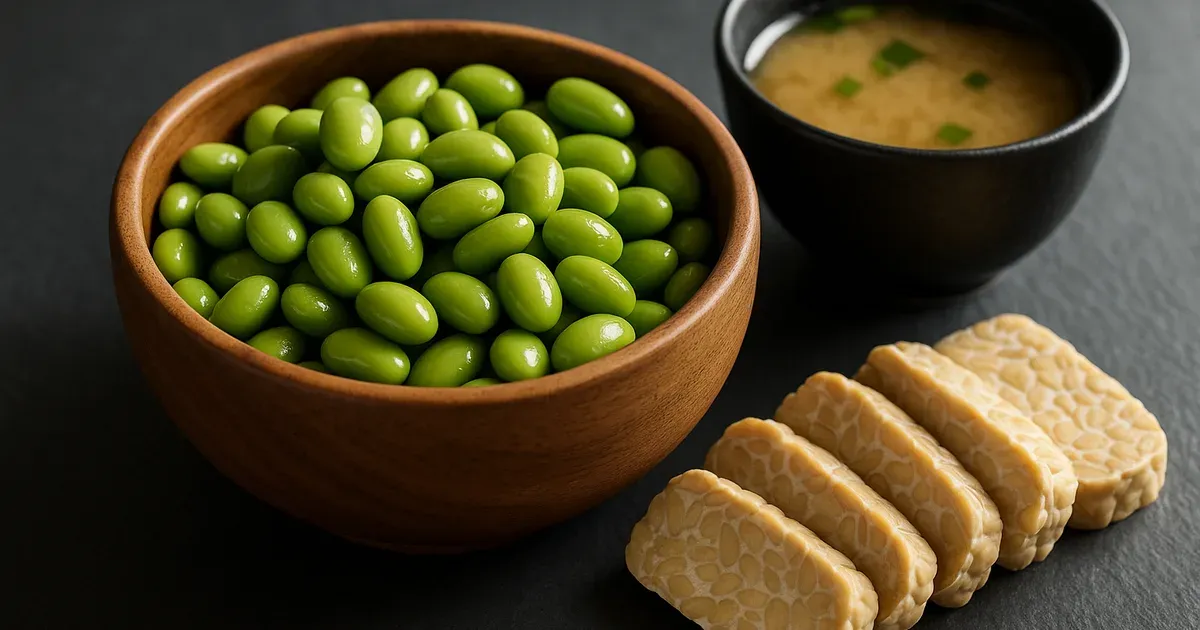
Soy is one of the few foods that works on multiple menopause symptoms at once. It is naturally low-GI and contains isoflavones — phytoestrogens that mimic estrogen activity in the body. Multiple studies associate isoflavone intake with a reduction in hot flashes, improved cardiac risk markers, and better bone health during menopause. Hormones are central to the menopausal experience, and isoflavones offer a dietary way to partially compensate for declining levels.
Practical ways to incorporate soy:
- Edamame as a mid-afternoon snack
- Tempeh sliced over salads as a protein source
- Miso soup as a starter before dinner
- Tofu stir-fried with vegetables as a main
The research on soy is broadly positive, though scientists continue to debate the magnitude of its benefits. It is worth adding to your diet as one tool among many rather than a standalone solution.
Step 3: Eat More Soluble Fibre Every Day
Soluble fibre is one of the most underrated tools for reducing menopause belly fat. It slows gastric emptying — meaning food stays in your digestive system longer, keeping you fuller and preventing blood sugar spikes. One study found that for every 10-gram daily increase in soluble fibre, belly fat decreased by 3.7%.
Ten grams of soluble fibre is more achievable than it sounds. A practical daily template:
- Breakfast: half an avocado on whole-grain toast
- Lunch: a bean-based soup or salad with added legumes
- Dinner: a protein paired with a serving of Brussels sprouts or broccoli
Top soluble fibre sources include oats, avocado, beans and lentils, cruciferous vegetables, nuts, seeds, and flaxseed. Many of these overlap with the low-GI Mediterranean foods in Step 1, which means your dietary changes compound rather than compete.
Step 4: Prioritise Protein Throughout the Day
Higher protein intake is consistently linked to greater lean body mass in postmenopausal women — a crucial finding given that muscle loss is a core driver of menopausal weight gain. Research on belly fat specifically suggests that a lower-carbohydrate, higher-protein dietary combination produces the most effective results for abdominal fat reduction.
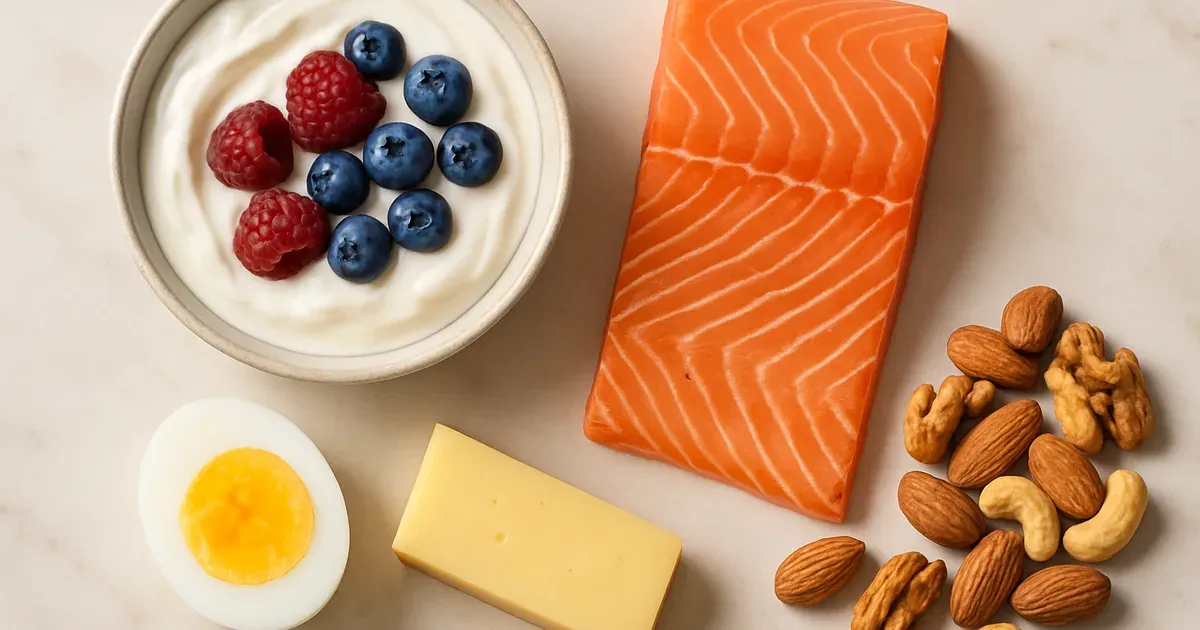
The key is distribution: spreading protein across all meals, rather than loading it at dinner, maximises muscle protein synthesis and satiety. A practical daily structure might look like:
- Breakfast: Greek yoghurt with nuts and mixed berries
- Lunch: bean-based soup or a high-protein cottage cheese wrap with turkey
- Snack: cheese and an apple, or a hard-boiled egg
- Dinner: wild salmon with greens, or ground chicken with roasted vegetables
Do not treat protein as optional. Women in midlife frequently under-eat protein while over-relying on carbohydrates — a combination that accelerates the muscle loss and fat gain that menopause already promotes.
Step 5: Limit Alcohol Intake
Reducing alcohol is one of the most impactful single changes many perimenopausal women can make — yet it is often overlooked in favour of more elaborate dietary interventions. Alcohol disrupts sleep quality (itself a documented risk factor for belly fat accumulation), adds excess calories with no nutritional value, and impairs liver function involved in hormone metabolism.
Many women are surprised to discover that what feels like moderate drinking — three or four drinks across a few evenings — can cross the clinical threshold for heavy drinking (more than seven to eight drinks per week). Heavy drinking poses compounding risks during menopause: worsened sleep, increased belly fat, elevated cancer risk, and disrupted hormones.
A practical target: limit alcohol to no more than a few days per week, with no more than 5 ounces (roughly one standard glass of wine) on any given day. Women who implement this single change frequently report noticeable improvements in sleep quality and weight within weeks.

Sample 5-Day Menopause Meal Plan
The following plan incorporates all five dietary steps — low-GI foods, soy, soluble fibre, protein, and minimal alcohol — into a practical week of eating.
Monday
- Breakfast: Baked eggs with avocado and a side of blackberries
- Lunch: Arugula salad with olive oil, lemon, parmesan, and turkey meatballs
- Dinner: Baked chicken thighs with a side of cauliflower rice
Tuesday
- Breakfast: Apple protein pancakes
- Lunch: Salmon burger on a whole-grain bun with steamed broccoli
- Dinner: Zucchini boats filled with ground turkey and tomato sauce
Wednesday
- Breakfast: Overnight oats with strawberries and flaxseed
- Lunch: Turkey in a high-protein cottage cheese wrap with sprouts
- Dinner: Spaghetti squash with tomato sauce and crumbled ground chicken
Thursday
- Breakfast: Scrambled eggs with mushrooms and asparagus, sprouted grain toast and avocado
- Lunch: Chopped kale salad with pistachios, pears and balsamic dressing, topped with grilled salmon
- Dinner: Tempeh and vegetable stir-fry with miso broth
Friday
- Breakfast: Edamame and spinach omelette
- Lunch: Lentil and vegetable soup with whole-grain bread
- Dinner: Baked cod with roasted Brussels sprouts and a side salad
Beyond Diet: Other Lifestyle Factors That Matter
Diet alone will not fully counter menopause weight gain — lifestyle factors interact powerfully with what you eat. Managing chronic stress lowers cortisol, which directly reduces abdominal fat storage. Improving sleep quality — through alcohol reduction, consistent bedtimes, and a cool bedroom — supports healthy hormone function and reduces hunger-driving hormones like ghrelin.
Aerobic exercise (walking, cycling, swimming) combined with resistance training has strong evidence for reducing menopausal belly fat and preserving lean muscle mass. Hormone replacement therapy (HRT) is another option worth discussing with your doctor, particularly if symptoms are severe or quality of life is significantly impacted.
The most effective approach combines all of the above — consistent dietary improvements, better sleep, regular movement, stress management, and, where appropriate, medical support.
The Bottom Line
Menopause weight gain is real, it is common, and it is not a personal failure. The hormonal changes of perimenopause and menopause create genuine biological pressure toward fat accumulation — particularly around the abdomen. But the five dietary steps outlined here (choosing low-GI foods, incorporating soy isoflavones, increasing soluble fibre, prioritising protein, and reducing alcohol) have solid research backing and are practical to implement starting today.
Results will not appear overnight. The transformation is slower than it was in your twenties. But with consistent effort across diet and lifestyle, meaningful changes in body composition — and in long-term metabolic health — are absolutely achievable.