Metabolism After 40: Foods & Habits That Work
Metabolism after 40 slows due to hormonal shifts and muscle loss — but the right foods, strength training, and daily habits can reverse the decline sustainably.

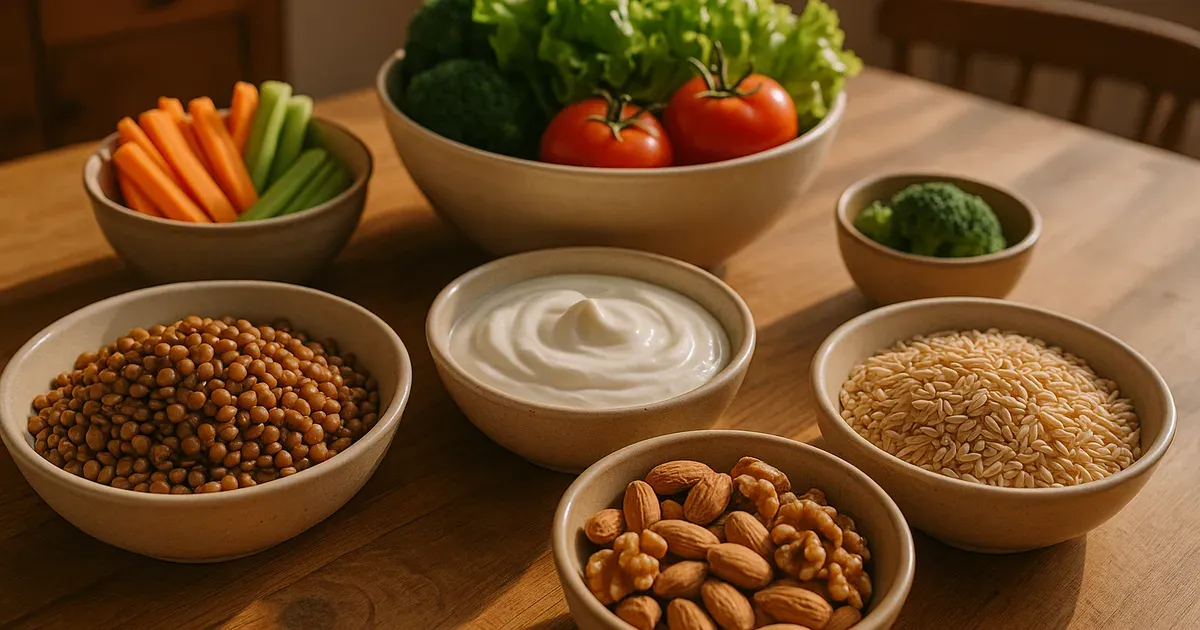
You are eating the same way you always have — but your body is responding differently. Metabolism after 40 shifts in ways that catch many people off guard, driven by hormonal changes, gradual muscle loss, and slower digestion. The good news is that age is only one piece of the puzzle. Diet, daily habits, and a few targeted strategies can make a meaningful difference.
Why Metabolism After 40 Changes — And What You Can Actually Do
After 40, several biological shifts work against easy weight management. Hormones like oestrogen, testosterone, and insulin become less stable, affecting how your body stores fat and uses energy. Muscle mass declines steadily, and since muscle burns more calories than fat, even a small loss has a measurable impact on your resting metabolic rate.
Slower gastric motility means food moves through your digestive system more gradually, which can contribute to bloating and sluggishness. But none of these changes are irreversible. Strategic food choices and consistent lifestyle habits can offset most of these shifts — without extreme diets or punishing exercise regimes.
5 Dietary Strategies to Support Your Metabolism After 40
1. Prioritise Protein at Every Meal
Protein does more than build muscle — it actively supports metabolism by increasing the thermic effect of food, meaning your body burns more calories digesting it. It also reduces cravings and keeps you fuller for longer, making portion control easier.
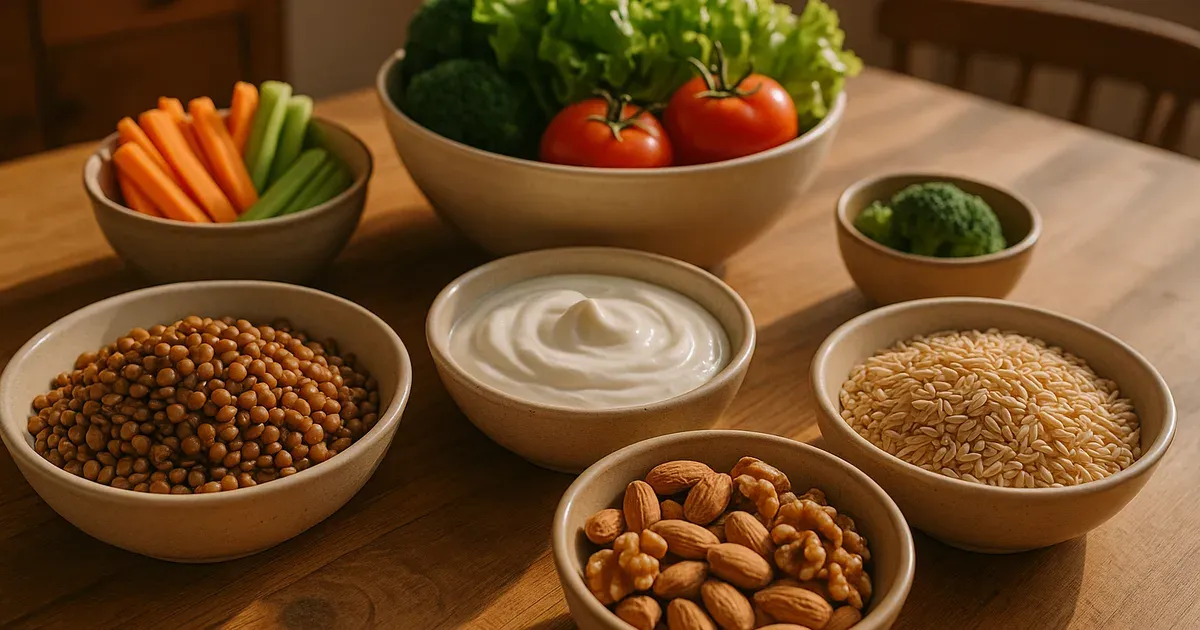
Strong protein sources include lentils, chickpeas, and moong dal for plant-based options. Tofu, paneer, Greek yogurt, almonds, chia seeds, and flaxseeds are also excellent choices. If your diet includes animal products, eggs, fish, and lean poultry provide complete amino acid profiles.
Aim to include a quality protein source in every meal — not just dinner. Spreading protein intake across the day keeps your metabolic engine running steadily.

2. Balance Your Macronutrients Intentionally
A common mistake after 40 is cutting carbohydrates entirely — but the type of carbohydrate matters far more than the amount. Complex carbohydrates from millets, quinoa, brown rice, and whole wheat digest slowly, supporting stable blood sugar and sustained energy.
Healthy fats from avocados, olive oil, nuts, and seeds play a crucial role in hormonal balance and help the body absorb fat-soluble vitamins. Refined carbohydrates — white rice, sugar, and processed flour — are the ones worth reducing, as they promote insulin resistance and fat storage.
A practical target is 40% complex carbohydrates, 30% protein, and 30% healthy fats per meal. This ratio supports both metabolic function and sustained satiety.
3. Feed Your Gut Microbiome
A healthy gut is one of the most underestimated factors in weight management after 40. Poor gut health leads to inflammation, bloating, and reduced fat-burning efficiency — all of which become more common as we age.
Prebiotics — found in garlic, onions, bananas, oats, and flaxseeds — feed beneficial gut bacteria. Probiotics from yogurt, fermented foods like idli, dosa, kimchi, kefir, and kanji (fermented beetroot drink) help restore microbial balance. Fibre from whole grains, vegetables, and psyllium husk supports regular digestion and reduces bloating.
Starting your morning with warm water and lemon, or a small glass of kanji, is a simple habit that primes your gut and digestive system for the day ahead.

4. Control Portions Without Counting Every Calorie
As metabolism slows, the margin for excess calories narrows — but rigid calorie counting is neither sustainable nor necessary. Simple portion strategies work just as well.
Use a smaller plate to naturally reduce serving sizes. Fill half the plate with vegetables, one quarter with protein, and one quarter with complex carbohydrates. Eat without distractions — phones and television disconnect you from your body's natural fullness signals, making overeating easy.
Mindful eating is not a trend; it is a practical tool. Slowing down and paying attention to hunger and fullness cues helps prevent the habitual overeating that often creeps in after 40.
5. Stay Well Hydrated
Water is one of the simplest and most effective metabolism boosters available. Even mild dehydration slows digestion, reduces energy levels, and is frequently mistaken for hunger.
Aim for 2–3 litres of water daily. Herbal teas — ginger, mint, and fennel — support digestion and add variety without added sugar. Avoid sugary sodas, packaged juices, and excessive caffeine, all of which can blunt metabolic efficiency over time.
A useful morning ritual: warm water with soaked fenugreek seeds. This combination supports digestion and helps manage cravings before the day begins.
Lifestyle Habits That Make the Biggest Difference

Strength Training: The Non-Negotiable After 40
Muscle is metabolically active tissue — it burns calories even at rest. Preserving and building lean muscle mass is the single most effective long-term strategy for maintaining metabolism after 40.
You do not need a gym membership. Bodyweight exercises like squats, lunges, and push-ups are highly effective. Resistance bands and light weights offer progressive challenge without joint strain. Pilates is another strong option for building functional strength.
Two to three strength training sessions per week is enough to preserve muscle mass and keep resting metabolic rate from declining.
Prioritise Sleep — It Affects More Than Energy
Poor sleep disrupts ghrelin and leptin, the hormones that regulate hunger and fullness. When these are out of balance, cravings increase, willpower decreases, and fat storage accelerates — particularly around the abdomen.
Aim for 7–8 hours of consistent sleep per night. Keep screens and caffeine out of the hour before bed. Relaxation practices like deep breathing, gentle stretching, or meditation signal to the nervous system that it is safe to wind down.
Manage Stress to Reduce Belly Fat
Chronic stress elevates cortisol, a hormone that drives fat storage — especially visceral fat around the belly. This is one of the most direct hormonal mechanisms linking stress to weight gain after 40.
Yoga, daily walks in nature, journaling, and breathwork are all evidence-supported approaches to cortisol management. The goal is not to eliminate stress but to prevent it from becoming chronic. Even ten minutes of intentional stillness each day creates a meaningful buffer.
Align Meals With Your Body's Natural Rhythm
Late-night eating is one of the most common and correctable contributors to weight gain after 40. Digestion slows significantly in the evening, meaning food eaten late is more likely to be stored as fat.
Eat breakfast within one to two hours of waking. Finish dinner by 7–8 PM where possible. A 12-hour overnight fasting window — for example, 7 PM to 7 AM — gives your digestive system time to rest and reset.
Light evening meals like soups, khichdi, or sautéed vegetables are easy to digest and support better sleep and morning energy.

Mistakes That Quietly Undermine Your Metabolism
Skipping meals is one of the most counterproductive habits for anyone trying to manage weight after 40. It triggers muscle breakdown and sends the body into conservation mode, slowing metabolism further.
Liquid calories are another overlooked culprit. Fruit juices, alcohol, and sweetened coffee drinks add significant calories without triggering meaningful satiety. Over-reliance on fad diets often leads to nutrient deficiencies, metabolic adaptation, and rebound weight gain — the opposite of the desired outcome.
Consistency with balanced eating habits outperforms any short-term trend. Small, sustainable changes compound significantly over months and years.
The Bottom Line
Metabolism after 40 does slow — but it does not have to derail your health goals. The most effective approach combines adequate protein, gut-friendly foods, mindful eating, and lifestyle habits like strength training, quality sleep, and stress management.
No single change will transform your metabolism overnight. But prioritising protein at every meal, staying hydrated, building muscle, sleeping well, and eating in alignment with your body's natural rhythms adds up to a genuinely different metabolic environment — one that supports sustainable weight management well into your 40s, 50s, and beyond.
Key takeaways:
- Prioritise protein, fibre, and fermented foods at every meal
- Strength train 2–3 times per week to preserve muscle mass
- Sleep 7–8 hours and manage chronic stress proactively
- Finish eating by 7–8 PM and allow a 12-hour overnight fast
- Avoid skipping meals, liquid calories, and fad diet cycles