6 Metabolism Myths You Should Stop Believing
Six common metabolism myths examined and debunked — find out what the science actually says about burning calories and managing your weight.

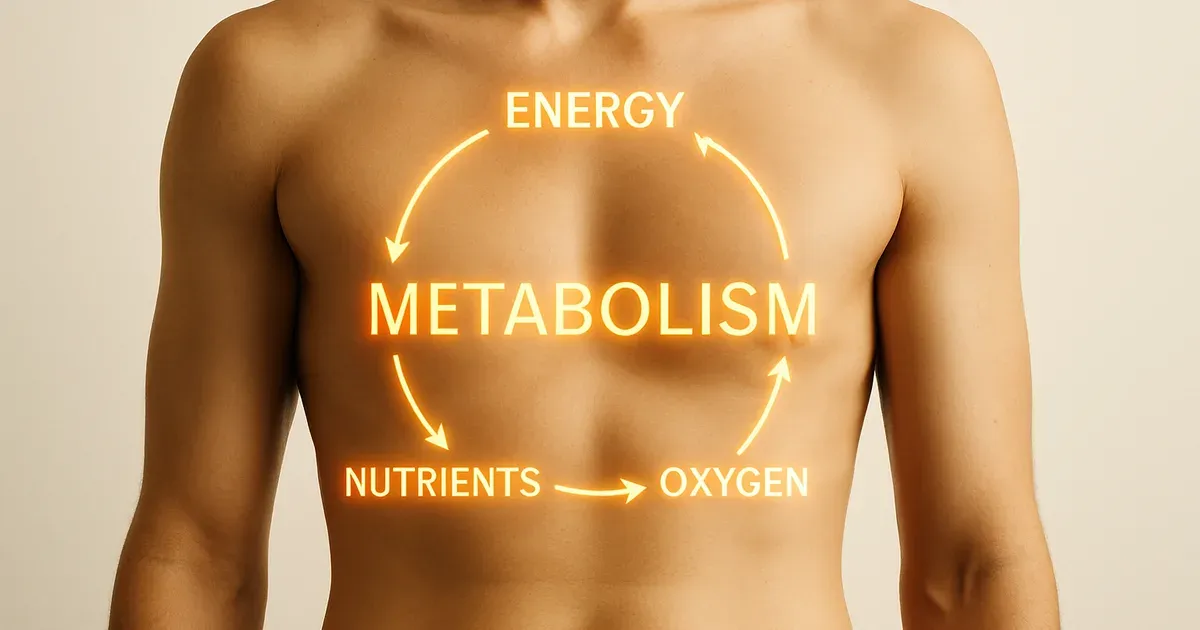
You have probably heard at least one of these claims before — eat more often to burn more calories, build muscle to melt fat, or drink green tea to speed things up. Metabolism myths are everywhere, and many of them quietly sabotage your health goals. Believing the wrong things about how your body burns energy can lead you to eat more than you need, skip the habits that actually work, or feel frustrated when results never come.
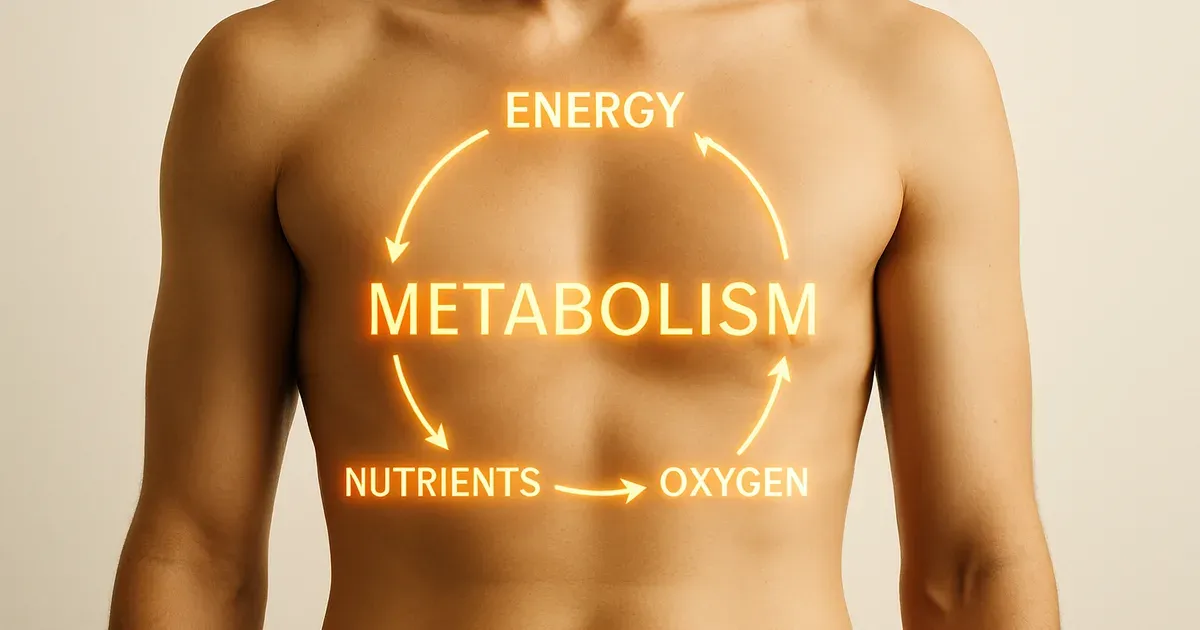
Your metabolism is the engine behind everything your body does — breathing, thinking, digesting, circulating blood, and regulating temperature. It is not a switch you can easily flip to high. Here is what the science actually says about the six most persistent metabolism myths.
Myth #1: Exercise Keeps Burning Calories Long After You Stop
Exercise absolutely burns calories — nobody disputes that. When you get your heart rate up through activities like cycling, swimming, or running, your body works harder and uses more energy. The myth is in what happens after you stop.
That elevated calorie burn lasts roughly as long as your workout itself, with perhaps an hour of modest afterburn. Once your body returns to rest, your metabolic rate goes back to its baseline. It does not stay elevated for hours or through the rest of your day.
The real danger of this myth is that it gives people permission to overeat. If you believe your body is still torching calories well after your gym session, you may reach for a large post-workout meal or high-calorie drink — and end up consuming far more than you burned. Exercise for your health, and refuel with modest, nutritious food rather than using a workout as a reason to indulge.

Myth #2: Building Muscle Dramatically Boosts Your Metabolism
Muscle does burn more calories than fat — this part is true. The leap in logic is assuming that building a few extra pounds of muscle will meaningfully change how many calories you burn each day. For most people who exercise regularly, muscle gain is modest, and its metabolic impact is similarly modest.
When muscles are not actively being used, they burn very few calories. The organs that truly drive your resting metabolism are your brain, heart, kidneys, liver, and lungs. These account for the large majority of your daily calorie burn regardless of how muscular you are.
Strength training is still worth doing — it builds stronger bones, improves functional movement, and supports long-term health. Just do not expect a few extra pounds of muscle to offset a poor diet. Combine weight training with cardiovascular activity, appropriate portions, and a balanced diet to manage your weight effectively.
Myth #3: Certain Foods Can Speed Up Your Metabolism
Green tea, caffeine, chili peppers, and various "metabolism-boosting" foods are popular subjects of health headlines. Some of these do produce a small, temporary uptick in metabolic rate. The problem is that the effect is far too minor to translate into meaningful weight loss.
No single food or beverage rewires how your body uses energy at a meaningful scale. Chasing these shortcuts can distract you from eating patterns that genuinely support your health — variety, balance, adequate protein, fibre, and hydration.
Choose food for its nutritional value and how it makes you feel. A diet rich in whole foods, lean proteins, vegetables, and complex carbohydrates will serve your body far better than any so-called metabolic superfood.

Myth #4: Eating Small, Frequent Meals Raises Your Metabolism
The idea that grazing throughout the day keeps your metabolic furnace burning is one of the most widely repeated pieces of nutrition advice — and one of the least supported by evidence. There is little scientific basis for the claim that meal frequency itself boosts metabolism.
What frequent smaller meals can do is help some people avoid getting so hungry that they overeat at their next sitting. Athletes, in particular, often perform better with more frequent, smaller portions distributed across the day. But for others — especially those who find it hard to stop eating once they start — three structured meals may make it easier to control overall intake.
The right meal frequency is the one that works for you. Pay attention to your genuine hunger cues rather than eating on a rigid schedule. Keep high-sugar and high-fat snacks in check regardless of how many times a day you eat.
Myth #5: Sleeping Well Actively Boosts Your Metabolism
A full night of quality sleep will not fire up your metabolism in any direct sense. This one is more of a half-myth: the claim gets the relationship between sleep and weight backwards. Sleep does not boost your calorie burn — but losing sleep can absolutely cause weight gain.
When people are sleep-deprived, they tend to eat more calories than they need. Fatigue disrupts appetite-regulating hormones, increases cravings for calorie-dense foods, and reduces the mental bandwidth needed to make good food decisions. The result is excess calorie intake, not a metabolic slowdown.
Prioritising sleep is still one of the best things you can do for your health and weight. Build a consistent sleep schedule, create a wind-down routine before bed, and make your sleep environment as comfortable as possible. If self-care strategies are not helping, speak with a healthcare provider.

Myth #6: Ageing Automatically Slows Your Metabolism and Causes Weight Gain
Yes, metabolism does slow somewhat as we age — but the degree to which this explains mid-life weight gain is commonly overstated. A large part of what drives weight gain in your 40s and 50s is a reduction in physical activity, not an unstoppable biological slowdown.
Life gets busier. Jobs, family responsibilities, and fatigue push exercise to the margins. When activity drops, muscle mass tends to decrease and body fat increases. Separately, older adults often lose some of the natural appetite regulation that younger people rely on. After a large meal, younger people instinctively eat less until their calorie balance corrects. That feedback mechanism weakens with age, making it easier for large meals to add up unnoticed.
Staying active and eating appropriate portions are the two most reliable tools against age-related weight gain. Regular movement — even daily walking — helps preserve muscle, support mood, and keep your metabolism as efficient as possible through every decade of life.
What Actually Works for Managing Your Metabolism
The honest answer is that your resting metabolic rate is largely determined by factors outside your control — genetics, age, sex, and organ function chief among them. What you can control is the input and output side of the equation: how much you move, what you eat, how much you sleep, and how consistently you maintain healthy habits.
Here is a practical summary of evidence-backed habits:
- Move consistently. Regular cardiovascular and strength exercise supports both calorie burn and muscle preservation.
- Eat for nutrition, not metabolic hacks. Whole foods, adequate protein, and balanced portions beat any single superfood.
- Sleep enough. Seven to nine hours supports hormone balance and reduces the risk of overeating driven by fatigue.
- Watch portions as you age. Natural appetite regulation weakens over time, so more deliberate attention to portion size becomes important.
- Stop chasing shortcuts. No pill, tea, or eating schedule will meaningfully rewrite your metabolic rate.

The Bottom Line on Metabolism Myths
Metabolism myths persist because they offer appealing shortcuts — the promise that one food, one trick, or one timing strategy will unlock effortless calorie burning. The reality is more straightforward and, ultimately, more empowering: consistent movement, balanced eating, adequate sleep, and realistic expectations are the foundation of a healthy weight and a well-functioning metabolism.
Understanding what your metabolism actually does — and does not — respond to means you can stop wasting energy on ineffective strategies and invest it in habits that genuinely serve your long-term health.
Reviewed with reference to DeGroot's Endocrinology (8th ed.) and Williams Textbook of Endocrinology (14th ed.). Updated by Stefania Manetti, RDN, CDCES; reviewed by David C. Dugdale, MD.