Natural Constipation Remedies That Actually Work
Discover 6 science-backed natural constipation remedies — from hydration and fiber to probiotics and senna — that you can start at home today.

Constipation affects roughly 1 in 5 people in the United States — that's millions of uncomfortable days and around 8 million doctor visits every year. Before reaching for a prescription, there are well-supported natural constipation remedies you can try at home, starting today.
Constipation is defined as fewer than three bowel movements per week, along with hard or lumpy stools, straining, or a nagging sense of incomplete emptying. The cause is often tied to what you eat, how much you move, or medications you take. When no clear cause is found, doctors call it chronic idiopathic constipation. Whatever the root, the remedies below are grounded in science and accessible to almost everyone.
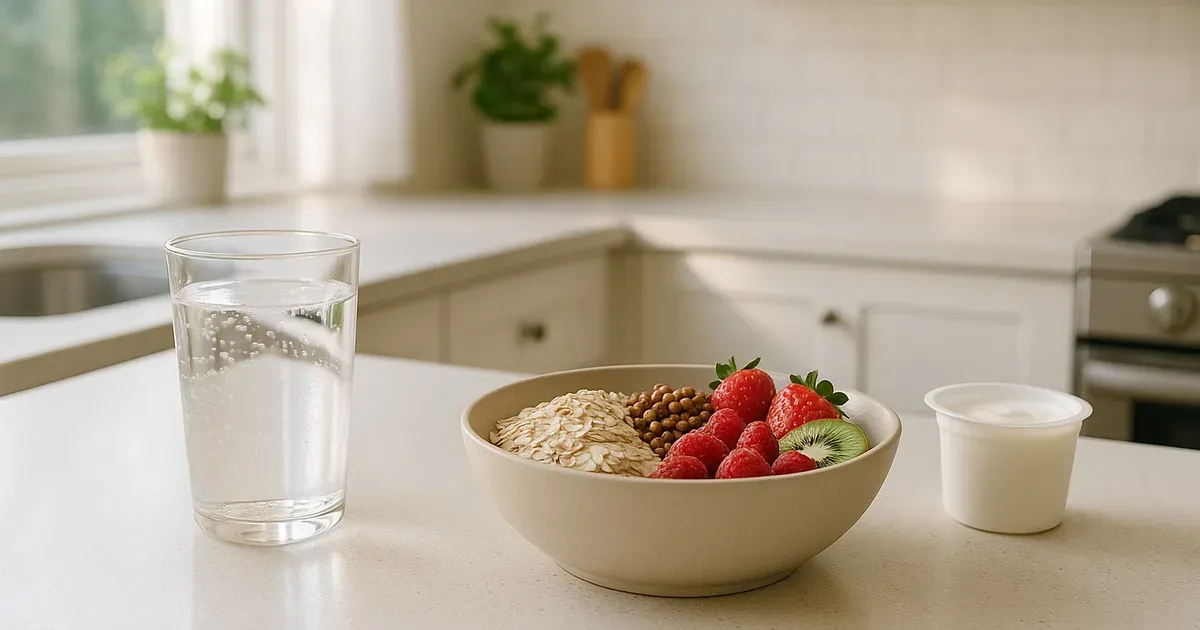
1. Drink More Water — Especially Sparkling Water
Dehydration is one of the most overlooked drivers of constipation. When your body doesn't get enough fluid, your colon absorbs water from stool, making it hard and difficult to pass. Staying consistently hydrated is one of the simplest natural constipation remedies available.
Sparkling water may offer an extra edge. Studies have found it more effective than tap water at relieving constipation, particularly in people with chronic idiopathic constipation or indigestion. The carbonation appears to help stimulate bowel movement without harsh side effects.
One important caveat: sugary sodas do not count. They can worsen constipation and carry broader health risks. People with IBS should also be cautious, as carbonated drinks can aggravate symptoms for some.
2. Increase Your Fiber Intake — But Choose Wisely
Fiber adds bulk and consistency to stools, making them easier to pass and helping them move through the digestive system faster. A 2016 review found that 77% of people with chronic constipation benefited from fiber supplementation — a compelling figure.
Not all fiber is equal, though. There are two main types:
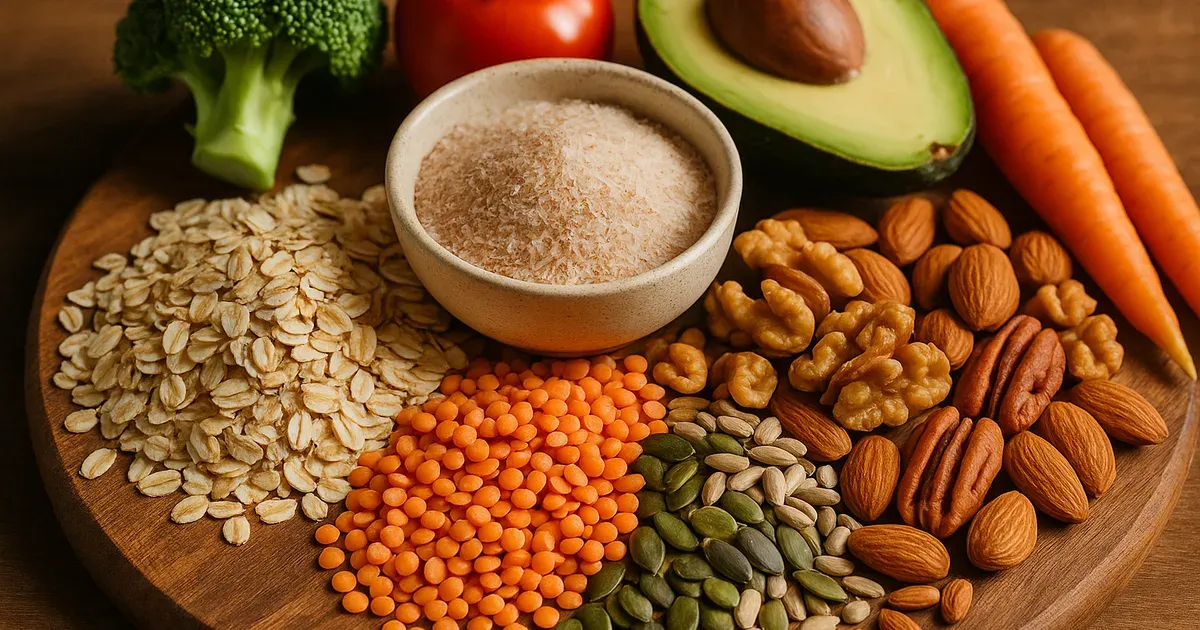
- Insoluble fiber (wheat bran, whole grains, vegetables) adds bulk and speeds transit time.
- Soluble fiber (oats, nuts, seeds, lentils, some fruits) absorbs water to form a gel that softens stool.
Psyllium — a non-fermentable soluble fiber — is the standout option. A 2020 review found psyllium to be 3.4 times more effective than insoluble wheat bran for constipation. Fermentable soluble fibers, by contrast, can lose their water-holding ability once gut bacteria break them down, reducing their benefit.
Aim for 25 g of fiber daily if you're female, or 38 g if you're male. A mix of both fiber types supports overall digestive health, but if you're specifically targeting constipation, prioritise non-fermentable soluble fiber like psyllium.
3. Move Your Body Regularly
Exercise and bowel regularity are more connected than most people realise. Research links sedentary lifestyles with a significantly higher risk of constipation. Getting up and moving is one of the most practical natural constipation remedies — and it costs nothing.
The evidence isn't uniform: some studies show exercise improves stool frequency, while others show it primarily reduces symptoms and improves quality of life without dramatically changing how often you go. For people with IBS, the intensity matters. Moderate exercise like brisk walking has been shown to improve digestive symptoms, while vigorous exercise like jogging may worsen them for some.
Good options to try include walking, swimming, cycling, or light jogging. Aim for consistency over intensity, especially if your gut is sensitive.
4. Try Coffee (in Moderation)
Coffee stimulates contractions in the muscles of the digestive tract, which is why many people feel the urge to use the bathroom shortly after their morning cup. A 1998 study found that caffeinated coffee stimulated the gut 60% more effectively than water, and 23% more than decaffeinated coffee.
Coffee may also contain small amounts of soluble fiber that support a healthier gut microbiome — an added bonus for digestive health. However, caffeine can aggravate symptoms in people with IBS. If you have a sensitive gut, try removing caffeine temporarily to see whether your symptoms improve.

5. Use Senna as a Short-Term Herbal Laxative
Senna is one of the most widely used herbal natural constipation remedies and is available over the counter in both oral and rectal forms. It works by stimulating the nerves in the gut via plant compounds called glycosides, accelerating bowel movements.
Doctors consider senna safe for adults for short periods. It is not typically recommended for pregnant or breastfeeding women, or for people with inflammatory bowel disease. If symptoms persist beyond a few days after taking senna, consult a healthcare professional.
Senna is not a long-term fix. Think of it as a bridge while you make broader dietary and lifestyle changes.
6. Eat More Probiotic Foods
An imbalance of gut bacteria — dysbiosis — is increasingly linked to chronic constipation. Probiotics are live beneficial bacteria, mainly Bifidobacteria and Lactobacillus, that help restore this balance. Consuming more probiotic-rich foods is a gentle, low-risk natural constipation remedy worth building into your daily routine.
A 2019 review found that taking probiotics for just two weeks can increase stool frequency and improve stool consistency. Probiotics may also help by producing short-chain fatty acids, which support gut motility — the coordinated muscle movements that push stool through your system.
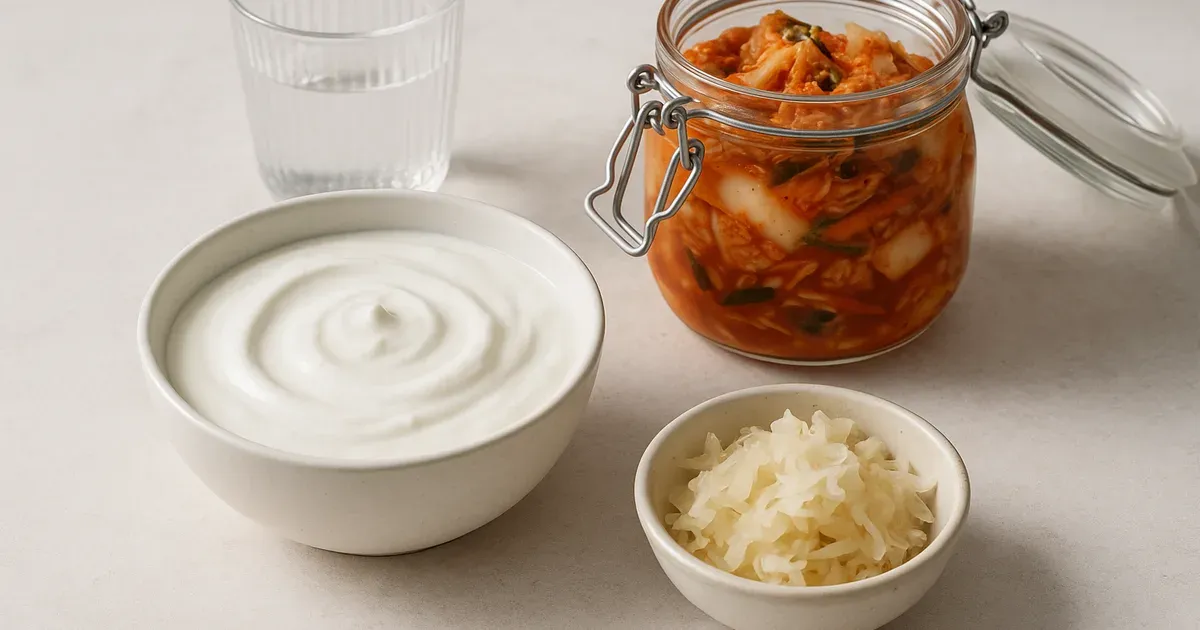
Probiotic-rich foods to add to your diet include:
- Yogurt (look for live cultures on the label)
- Sauerkraut
- Kimchi
If dietary sources aren't enough, probiotic supplements are widely available. Some studies suggest people begin to notice benefits after around four weeks of consistent use.
Practical Tips for Combining These Remedies
Most people get the best results by combining several of these approaches rather than relying on a single fix. Here's how to build a practical daily routine:
- Morning: Drink a glass of water (sparkling if preferred) before coffee.
- Breakfast: Choose high-fiber options like oats, seeds, or whole grain toast. Add yogurt with live cultures.
- Throughout the day: Hit your fluid targets — aim for 6–8 glasses of water.
- Movement: Include at least 20–30 minutes of moderate exercise.
- Evening: Consider a psyllium supplement if dietary fiber alone isn't sufficient.
Give any new approach at least two to four weeks before evaluating its effectiveness. Gut changes take time.
When to See a Doctor
Natural remedies work well for most cases of occasional or mild constipation, but some situations warrant professional advice. Speak to a doctor if:
- Constipation has lasted more than three weeks without improvement
- You notice blood in your stool
- You experience severe abdominal pain
- You have unexplained weight loss alongside constipation
- Over-the-counter remedies including senna have not helped
Chronic constipation can sometimes indicate an underlying condition that needs proper diagnosis and treatment.
The Bottom Line
Natural constipation remedies — from hydration and fiber to exercise, coffee, senna, and probiotics — are effective for the vast majority of people. The evidence is strongest for psyllium fiber and probiotic supplementation, but a combination of lifestyle adjustments tends to produce the most lasting relief.
Start with the simplest changes: drink more water, eat more fiber, and move more. Layer in probiotics and, if needed, a short course of senna. Your gut will likely respond within a few days to a few weeks. If it doesn't, that's your signal to seek medical guidance.