7 Natural Ways to Relieve Constipation
A gastroenterologist-informed guide to 7 natural ways to relieve constipation at home, plus what to avoid and when to see a specialist.

Constipation is miserable — and when you're backed up, the urge to reach for a laxative is completely understandable. But gastroenterologists often caution against jumping straight to over-the-counter options. Laxatives can cause cramping, bloating, and diarrhea, interfere with how your body absorbs other medications, and even mask the signs of an underlying digestive problem. The good news: there are proven natural ways to relieve constipation that can get things moving — and keep them moving long-term.
Why Natural Remedies Come First
Most cases of constipation respond well to lifestyle adjustments before any medication is needed. That's not just folk wisdom — it's the approach many digestive specialists recommend because it targets the root cause rather than bypassing it.
Over-the-counter laxatives work, but they come with trade-offs. Frequent use can create dependence, and stimulant laxatives in particular may cause your bowel to become reliant on them to function. Gentle, consistent habits are far less likely to cause problems and far more likely to produce lasting results.
Here's what actually works, backed by gastroenterology.
1. Eat More Fiber — Gradually
Dietary fiber is the cornerstone of natural constipation relief. It adds bulk and moisture to your stool, making bowel movements smoother and easier to pass. The recommended intake is 22 to 34 grams per day — yet only about 3% of people actually hit that target.
The key word here is gradually. Jumping from a low-fiber diet to a high-fiber one overnight can cause gas and bloating. Aim to add 5 to 10 grams per meal and build from there.
Best high-fiber foods to include:
- Fruits (especially apples, pears, and prunes)
- Vegetables
- Beans and lentils
- Whole-wheat bread and pasta
- Oatmeal
- Nuts and seeds
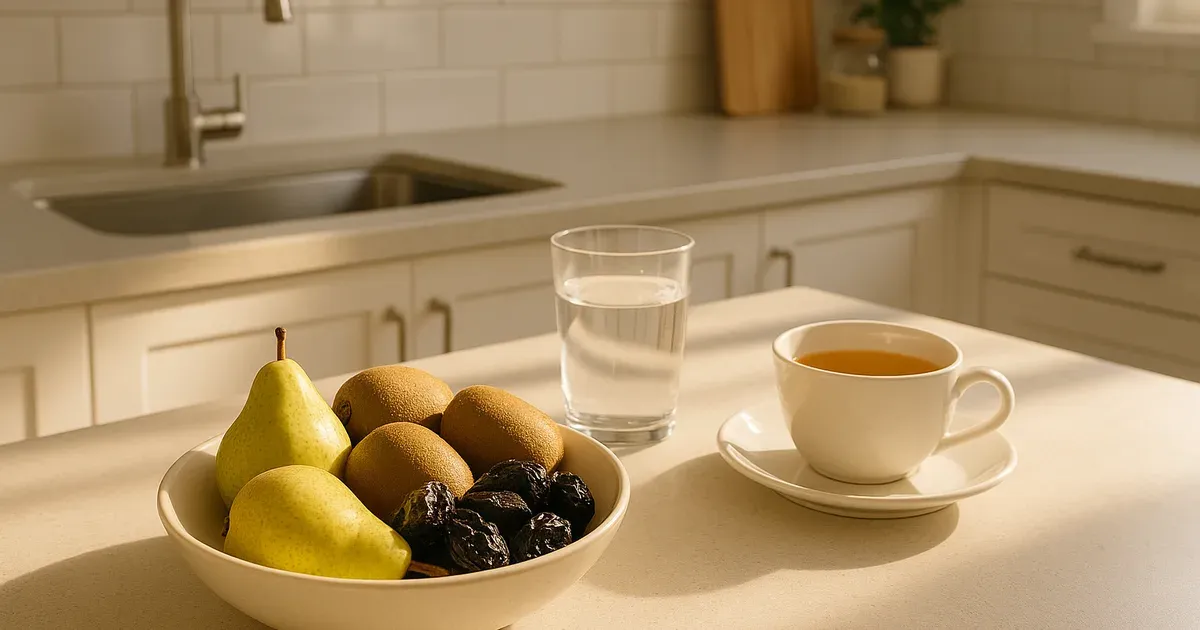
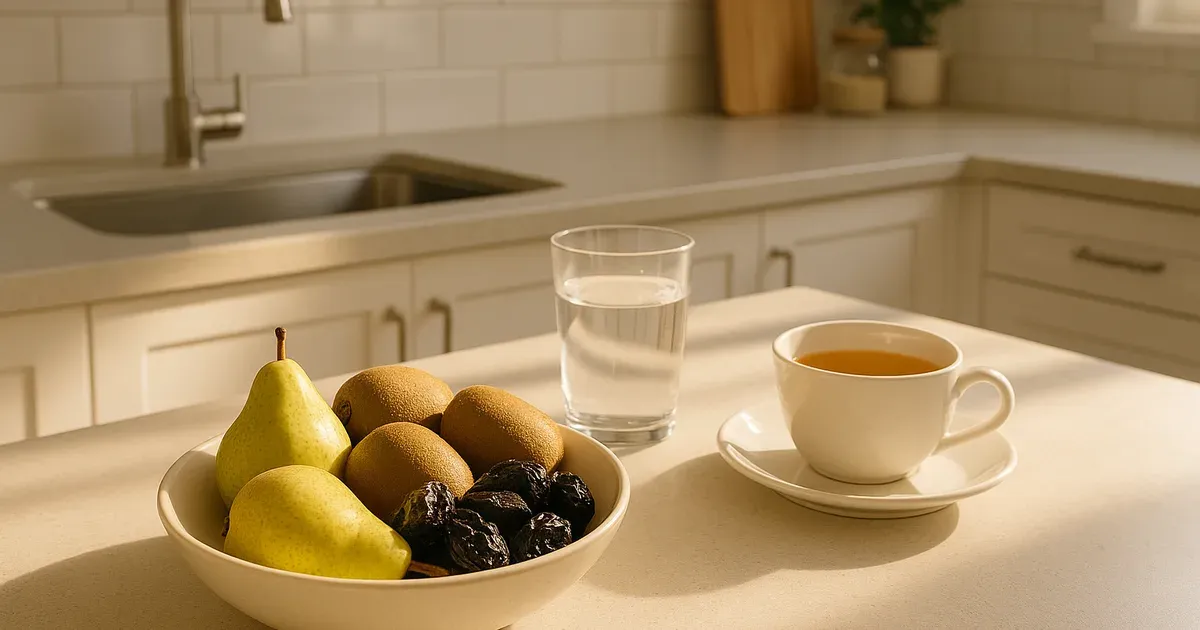
Certain fruits offer a bonus. Apples, pears, and prunes contain natural sugars that directly stimulate bowel movements. Kiwis contain an enzyme that activates the upper digestive tract — making them a surprisingly effective constipation fighter.
2. Drink Enough Fluids
Fiber without fluid is a recipe for more constipation. The two work together: fiber absorbs water in your gut to form soft, bulky stools that pass easily. Without adequate hydration, fiber can actually make things worse.
Aim for at least 64 ounces (about 8 cups) of liquid per day. Plain water is ideal, but coffee, tea, juice, and water-rich foods like cucumbers and watermelon all count toward your daily total.
Warm fluids deserve a special mention. A warm cup of water or herbal tea in the morning can stimulate digestion and help trigger a bowel movement — which leads neatly to the next tip.
3. Try Natural Laxative Teas
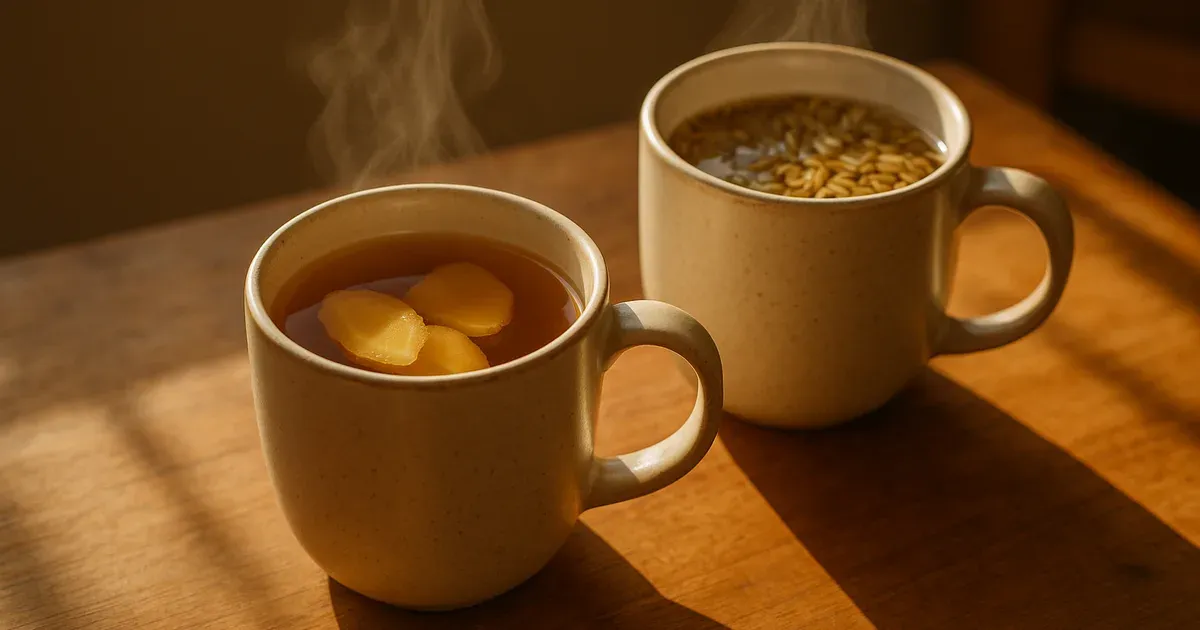
Two herbs stand out for their gentle digestive effects: ginger and fennel. Ginger reduces pressure on the lower intestines and can ease cramping, bloating, and nausea. Fennel increases gastric enzymes, helping stool move more smoothly through the GI tract. Both are widely available as teas.
Senna tea is another popular option — but it's worth understanding what it actually is. Senna is a stimulant laxative derived from a plant. It works faster than ginger or fennel teas and can cause side effects similar to OTC laxatives if used frequently. It's better used occasionally rather than as a daily habit.
Ginger and fennel teas are generally gentler and can be enjoyed daily without the same concerns. Drinking them warm also amplifies their digestion-stimulating effect.
4. Move Your Body Every Day
Exercise is one of the most underrated natural ways to relieve constipation. Physical movement stimulates the muscles in your gastrointestinal tract, helping waste move through your system more efficiently.
You don't need an intense workout to see the benefit. A brisk 30-minute walk each day can make a meaningful difference. The key is consistency — making movement a daily habit rather than an occasional activity.
Sedentary behavior has the opposite effect. Long periods of sitting slow the rate at which food and waste travel through your GI tract. If your job keeps you at a desk, short walks throughout the day can help.
5. Train Your Bowels With a Routine
Your digestive system responds well to predictability. Using the bathroom at the same time each day — ideally 15 to 45 minutes after a meal — helps condition your body to expect a bowel movement at a regular time. Eating naturally stimulates the GI tract, so using that window gives your body the best chance to respond.
When you sit down, try to relax rather than strain. Tensing up or forcing it can make things harder and, over time, contribute to other issues like hemorrhoids.
Don't ignore the urge to go. Holding it in because the timing isn't convenient is a common habit that worsens constipation. When your body signals it's ready, responding promptly is better for your gut.
6. Use a Toilet Stool
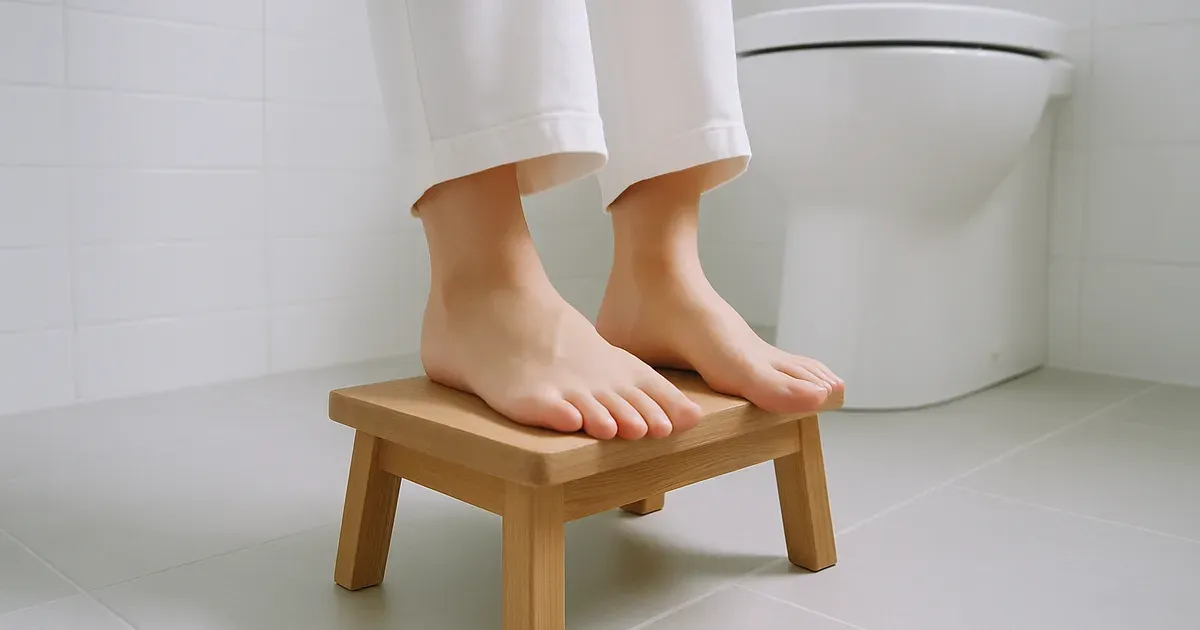
The position you sit in on the toilet matters more than most people realise. Standard toilet height means your knees are below your hips, which keeps a muscle called the puborectalis partially contracted — making it harder to fully empty your bowels.
Placing a small step stool under your feet so your knees rise above your hips mimics a natural squatting position. This relaxes the muscles around the anus and straightens the angle of the rectum, allowing stool to pass with less effort.
This is a simple, low-cost change with a meaningful impact, especially for people who regularly feel like they haven't fully emptied after a bowel movement.
7. Massage Your Abdomen
Abdominal massage is a technique gastroenterologists sometimes recommend for people dealing with persistent or long-term constipation. It works by stimulating muscle contractions in the bowel and easing tension that can slow things down.
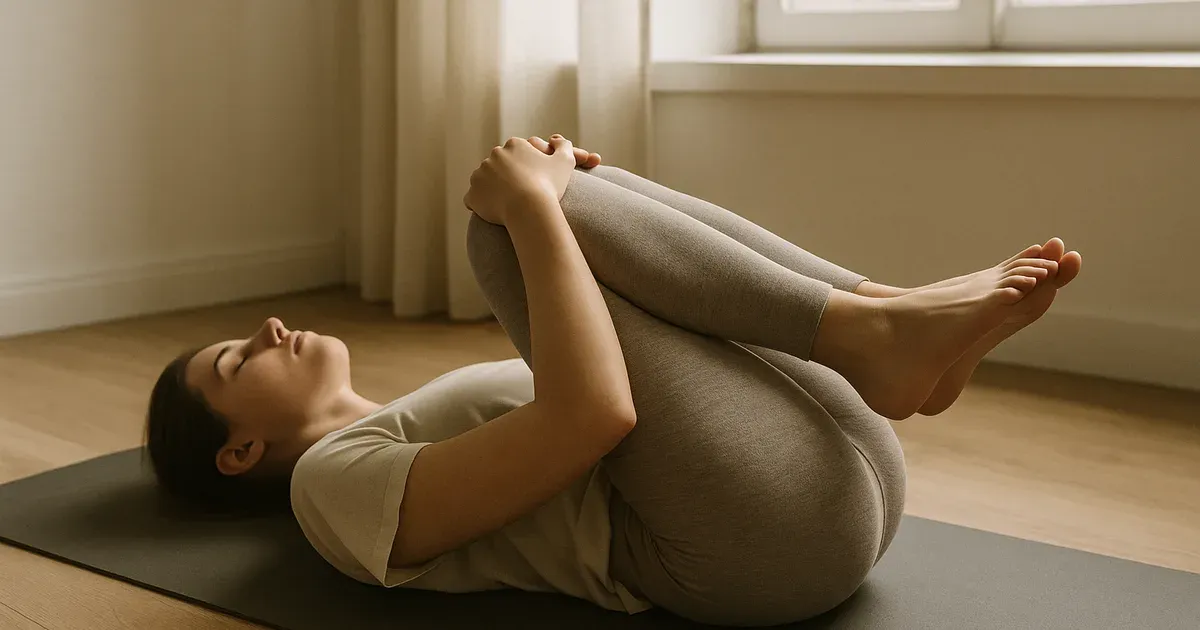
For a basic technique, try bringing your knees to your chest while lying down and holding the position gently for about two minutes. This relieves tension across the abdomen.
For a more targeted massage, use both hands or a loose fist to rub your abdomen in a circular motion — moving across your lower stomach toward your hip bones, up toward your ribs, and back down to your lower belly. Doing this 30 to 60 minutes after eating tends to produce the best results.
Important note: Abdominal massage isn't appropriate for everyone. Pregnant individuals and those with certain medical conditions should check with their doctor before trying this method.
What to Avoid When You're Constipated
Some habits actively work against you when you're trying to get things moving. Being aware of these triggers is just as important as adding helpful habits.
Limit or avoid the following:
- Highly processed foods — packaged snacks, fast food, and fried items are low in fiber and contribute to sluggish digestion
- Extended sitting — long periods of inactivity slow GI transit time
- Holding in the urge — delaying a bowel movement signals your body to reabsorb water from the stool, making it harder to pass later
- Certain medications and supplements — some, including iron supplements, certain pain relievers, and antidepressants, are known to cause constipation; your doctor can help you review your regimen
When to See a Doctor About Constipation
Occasional constipation is common and usually not a cause for alarm. But symptoms that persist for more than three weeks, occur frequently, or are accompanied by other warning signs deserve medical attention.
A gastroenterologist can identify whether there's an underlying condition — such as irritable bowel syndrome, thyroid dysfunction, or a structural issue — driving your symptoms.
Seek medical advice promptly if you experience any of the following:
- Significant pain or discomfort during or between bowel movements
- Noticeably thinner stools than usual
- Unintentional weight loss
- Black stools or visible blood in your stool
- Anaemia (low iron levels)
- Constipation so disruptive it affects your daily activities
- Persistent worry about your symptoms — trust your instincts
These signs can indicate conditions that need diagnosis and treatment beyond home remedies.
The Bottom Line
The most effective natural ways to relieve constipation work together rather than in isolation. Increasing fiber intake, staying well-hydrated, moving daily, sticking to a bathroom routine, adjusting your toilet posture, sipping digestive teas, and using gentle abdominal massage are all evidence-informed strategies that gastroenterologists recommend as first-line approaches.
None of these require a pharmacy visit. Most require only small, consistent changes to your daily routine. Start with one or two — adequate fiber and hydration are the highest-impact place to begin — and build from there.
If natural methods don't resolve your constipation within a few weeks, or if you notice any of the warning signs listed above, it's worth speaking with a gastroenterologist to rule out anything more serious.