Nervous System & Weight Loss: The Missing Link
Your nervous system controls metabolism, hormones, and digestion. Learn how nervous system dysfunction undermines weight loss — and how chiropractic care helps.

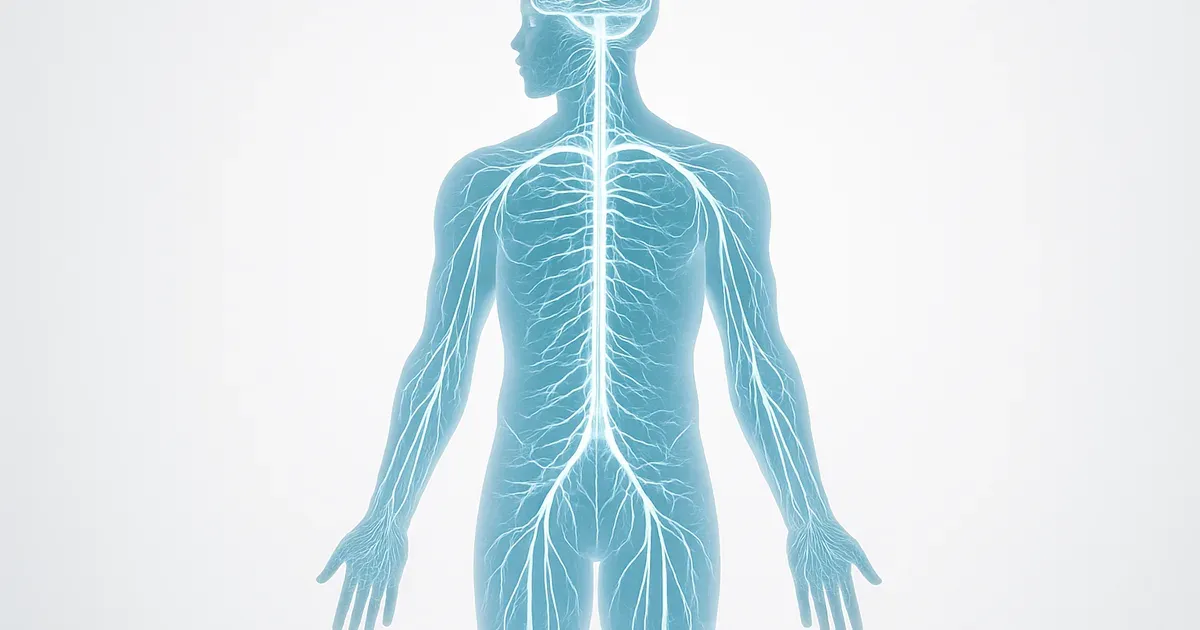
You're eating well. You're exercising consistently. Yet the scale won't budge — and you can't figure out why. The answer may not be in your diet or your workout plan at all. It may be in your nervous system.
The connection between nervous system function and weight loss is one of the most overlooked factors in metabolic health. When your nervous system is dysregulated, it can quietly undermine every effort you make to lose weight — disrupting hormones, slowing metabolism, impairing digestion, and wrecking your sleep. Understanding this relationship could be the breakthrough you've been missing.
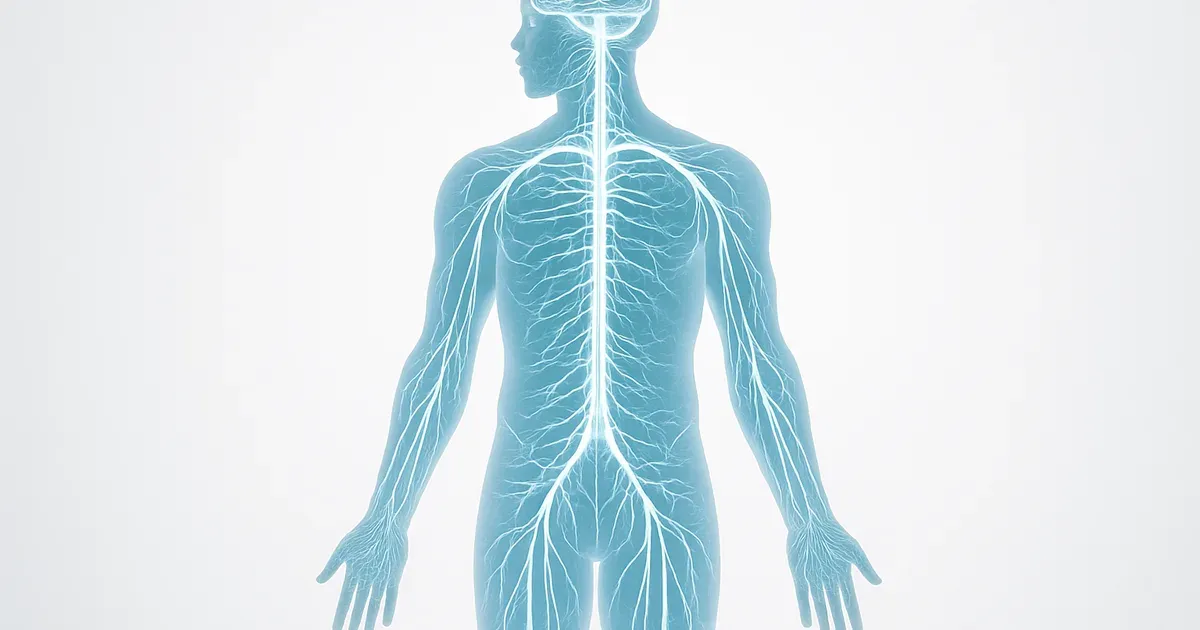
Why Your Nervous System Controls More Than You Think
Your nervous system is the body's master control center. It coordinates digestion, hormone production, metabolism, immune response, and even your body's ability to recover from physical stress. Nothing happens in your body without nervous system involvement.
It operates through two key branches:
- The Sympathetic Nervous System — the "fight or flight" branch. It activates under stress, elevating heart rate, redirecting blood flow, and preparing the body for perceived threat.
- The Parasympathetic Nervous System — the "rest and digest" branch. It governs recovery, digestion, nutrient absorption, and cellular repair.
Optimal health — and optimal weight management — requires both branches working in balance. When one dominates chronically, the body pays a steep metabolic price.
Most people living with high stress, poor sleep, or chronic pain are stuck in sympathetic overdrive. The body treats this as a survival emergency, and in survival mode, burning fat efficiently is not a priority.
How Nervous System Dysfunction Sabotages Weight Loss
When nervous system communication breaks down, weight loss stalls — often for reasons that have nothing to do with willpower or effort. Here are the key mechanisms at work:
Cortisol and Chronic Stress
A nervous system locked in sympathetic overdrive keeps cortisol chronically elevated. Cortisol is your primary stress hormone, and while it's essential in short bursts, sustained high levels are metabolically damaging. Elevated cortisol increases appetite — particularly for calorie-dense foods — promotes fat storage in the abdominal region, and actively breaks down lean muscle tissue.
This creates a frustrating paradox: the more stressed your system is, the harder your body fights to hold onto fat.
Metabolic Slowdown
Your metabolic rate is not fixed — it's regulated, in large part, by your nervous system. When nerve communication between the brain and metabolic organs is disrupted, the body may down-regulate energy expenditure as a protective response. This means fewer calories burned at rest and a reduced capacity to efficiently convert food into fuel.
This type of metabolic suppression won't show up on a standard blood panel, which is why it often goes undetected.

Digestive Dysfunction
Digestion is almost entirely governed by the parasympathetic nervous system. When this branch is underactive — as it often is in chronically stressed individuals — digestive efficiency suffers. The consequences include poor nutrient absorption, bloating, slowed gut motility, and irregular bowel function.
Nutrient deficiencies that result from poor absorption can further impair metabolism. You may be eating a nutritious diet and still not extracting the fuel your body needs to function optimally.
Sleep Disruption and Hunger Hormones
Sleep is regulated by the nervous system, and poor sleep is one of the most powerful drivers of weight gain. When sleep quality is compromised, two key hormones fall out of balance: leptin (which signals satiety) drops, and ghrelin (which drives hunger) rises. The result is increased cravings, reduced impulse control around food, and a body that is biologically primed to overeat.
Chronic nervous system imbalance is a leading — and frequently ignored — cause of disrupted sleep architecture.
Insulin Resistance
The nervous system plays a direct role in blood sugar regulation. Sympathetic overdrive impairs insulin sensitivity, making it easier for the body to store incoming glucose as fat rather than burn it for energy. Over time, this pattern can contribute to insulin resistance — a condition that makes fat loss increasingly difficult and sets the stage for metabolic disease.
The Chiropractic Connection: Restoring Nervous System Function
Chiropractic care works directly with the nervous system — and this is precisely why it can be a meaningful tool in a weight loss strategy. The spine houses and protects the spinal cord, which serves as the primary communication highway between the brain and every organ, tissue, and system in the body.
Misalignments in the spine — known as subluxations — can compress or irritate nerves, disrupting that communication. Chiropractic adjustments correct these misalignments, removing interference and restoring the nervous system's ability to coordinate the body's functions effectively.

Here's how this translates to weight-related benefits:
Autonomic balance is restored. Regular chiropractic care has been shown to shift the autonomic nervous system away from sympathetic dominance and toward parasympathetic activation. This means better stress resilience, improved digestion, and more effective sleep and recovery.
Inflammation is reduced. Spinal adjustments have measurable anti-inflammatory effects. Since chronic low-grade inflammation is closely associated with both weight gain and insulin resistance, reducing it creates a more favorable metabolic environment.
Hormonal regulation improves. By optimizing nerve communication throughout the body, chiropractic care supports the endocrine system's ability to regulate appetite hormones, metabolic hormones, and stress hormones more effectively.
Energy and consistency increase. When pain is reduced, sleep improves, and the nervous system is better regulated, patients consistently report higher energy levels and improved mood — both of which make it far easier to maintain healthy habits over time.
The Holistic Case: Why Nervous System Health Is the Foundation
You can have the most well-designed nutrition plan and training program in the world — and still fail to lose weight if your nervous system isn't supporting the process. Think of it as the body's electrical system. Premium fuel and perfect tires don't help a car with faulty wiring. The system needs to communicate correctly for any of the individual components to work as intended.
This is the foundational argument for integrative care. Chiropractic treatment doesn't replace good nutrition or regular movement — it creates the physiological conditions in which those efforts can actually succeed.

At a practical level, this means that two people following identical diet and exercise protocols can have dramatically different results depending on the state of their nervous systems. Addressing nervous system dysfunction isn't a shortcut — it's removing a barrier that may be making the standard approach ineffective.
Reducing cortisol, improving sleep quality, optimizing digestion, and enhancing insulin sensitivity are not minor adjustments. They are foundational metabolic shifts that change the entire landscape of weight loss.
Who Should Consider This Approach
If you've been diligent with your diet and exercise and still aren't seeing results, your nervous system deserves a serious look. This is especially relevant if you experience any of the following:
- Chronic stress or anxiety that feels difficult to switch off
- Poor sleep quality or difficulty falling and staying asleep
- Digestive issues including bloating, constipation, or irregular bowel movements
- Persistent fatigue that doesn't improve with rest
- Unexplained weight gain around the midsection
- A history of chronic pain or spinal issues
None of these symptoms is trivial, and none should be accepted as simply "normal." Each one is a signal that the nervous system may not be functioning at its best — and each one has a direct line to metabolic health.
Chiropractic care offers a non-invasive, drug-free pathway to nervous system optimization. Combined with appropriate nutritional support and movement, it forms a genuinely integrative approach to weight management that addresses root causes rather than surface symptoms.
The Bottom Line
Nervous system health and weight loss are inseparably linked — and ignoring that connection means leaving one of the most powerful levers in metabolic health untouched. Chronic sympathetic overdrive, cortisol dysregulation, impaired digestion, disrupted sleep, and insulin resistance are not separate problems; they are a cascade that begins with nervous system dysfunction.
Chiropractic care, by restoring spinal alignment and improving nerve communication, addresses this cascade at the source. The result is a body that is better equipped to respond to the lifestyle choices you're already making — and more capable of achieving the lasting health you're working toward.
Supporting your nervous system isn't a workaround. It's the foundation everything else is built on.