The Oral Microbiome: Your Mouth's Hidden World
The oral microbiome hosts 700+ bacterial species and shapes both oral and systemic health. Discover how it develops, what it does, and why it matters.

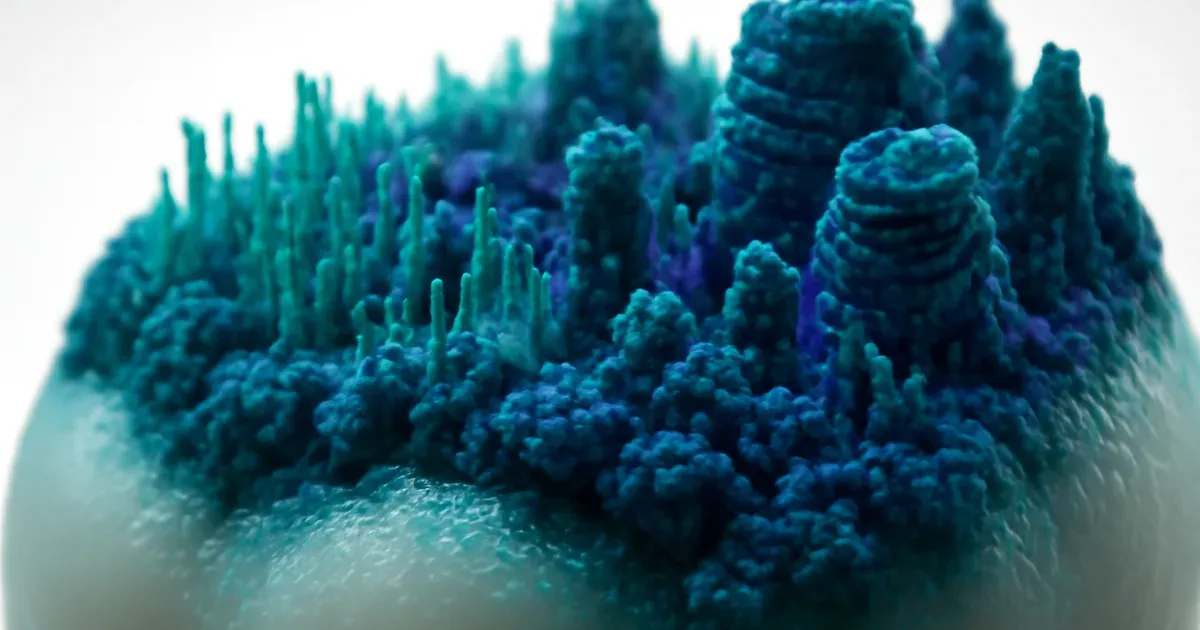
Your mouth is teeming with life — and most of it is working hard to keep you healthy. The oral microbiome hosts over 700 species of bacteria, making it the second most diverse microbial community in the human body after the gut. Yet most people only think about their mouth when something goes wrong: a cavity, bleeding gums, or persistent bad breath.
Understanding what lives in your mouth — and why it matters — is one of the most important frontiers in modern health science. From digestion to systemic disease, the community of microorganisms in your oral cavity plays a far bigger role than anyone previously imagined.
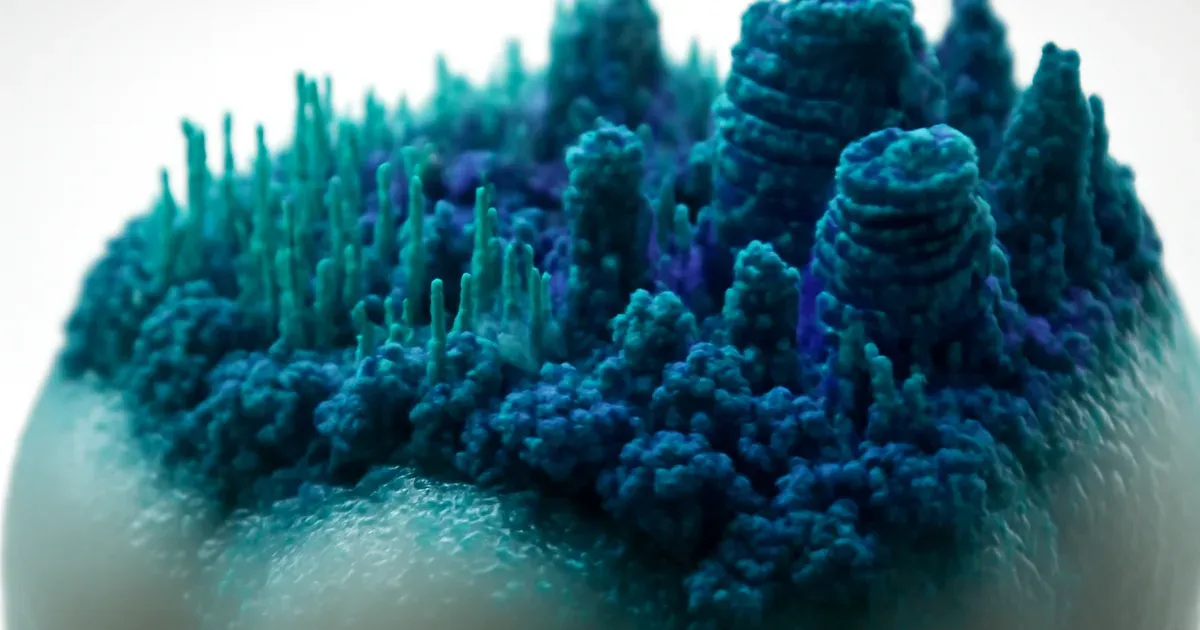
What Exactly Is the Oral Microbiome?
The oral microbiome refers to the collective genome of all microorganisms residing in the human oral cavity. The term "microbiome" itself was coined by Nobel Prize laureate Joshua Lederberg to describe the ecological community of symbiotic, commensal, and pathogenic microorganisms that share our body space.
Your mouth is not a single environment — it is a collection of distinct niches. The teeth, tongue, cheeks, gingival sulcus, tonsils, hard palate, and soft palate each provide a unique habitat where different microbial populations thrive.
Beyond bacteria, the oral microbiome also includes fungi, viruses, archaea, and protozoa. Most scientific research to date has focused on the bacteriome, but interest in the fungal component — the mycobiome — is growing rapidly.
A Brief History: Who First Discovered It?
The first person to observe oral microorganisms was the Dutch scientist Antony van Leeuwenhoek, widely regarded as the father of microbiology. Using a microscope he constructed himself, he examined his own dental plaque in 1674 and famously described what he saw as "little living animalcules prettily moving."
That moment marked the beginning of our understanding of oral microbiology. Centuries later, the advent of next-generation sequencing and bioinformatics has transformed that early observation into a detailed map of hundreds of microbial species and their complex interactions.
Today, the Human Oral Microbiome Database catalogues 392 taxa with at least one reference genome, with total genomes across the oral cavity approaching 1,500.

How the Oral Microbiome Develops From Birth
The womb is generally considered sterile, but recent research has challenged that assumption. Studies suggest that up to 70% of pregnant women show colonisation of the amniotic fluid by oral microorganisms, hinting at a connection between maternal oral health and the intrauterine environment.
At birth, the process of oral microbial colonisation begins almost immediately. The first microorganisms to establish themselves are called pioneer species — Streptococcus salivarius is among the most well-known examples. Within the first year of life, the oral cavity is colonised predominantly by aerobic bacteria including Streptococcus, Lactobacillus, Actinomyces, Neisseria, and Veillonella.
The timeline of tooth eruption is a critical driver of oral microbial diversity. As teeth emerge, they create non-shedding hard surfaces that allow new species to colonise and form stable biofilms. Gingival crevices develop alongside erupting teeth, providing a sheltered niche for periodontal microbes. By adulthood, plaque accumulates in pits, fissures, and smooth surfaces — each site hosting its own distinct microbial community. When all teeth are eventually lost in old age, the oral flora reverts to a composition similar to that seen in edentulous infants.
The Structure of the Oral Microbiome: Core vs. Variable
Every person's oral microbiome has two layers. The core microbiome consists of predominant species common to all healthy individuals across different oral sites. The variable microbiome, by contrast, is shaped by individual lifestyle choices, genetics, and physiological differences — making it unique to each person.
This distinction matters clinically. Disruptions to the core microbiome are more likely to signal or drive disease, while changes in the variable microbiome may reflect personal habits like diet, smoking, or medication use.
Different bacterial species colonise different oral surfaces using specific proteins called adhesins, which bind to complementary receptors on tissue surfaces. This molecular specificity is why the microbiome of your tongue looks nothing like the microbiome of your gum line.
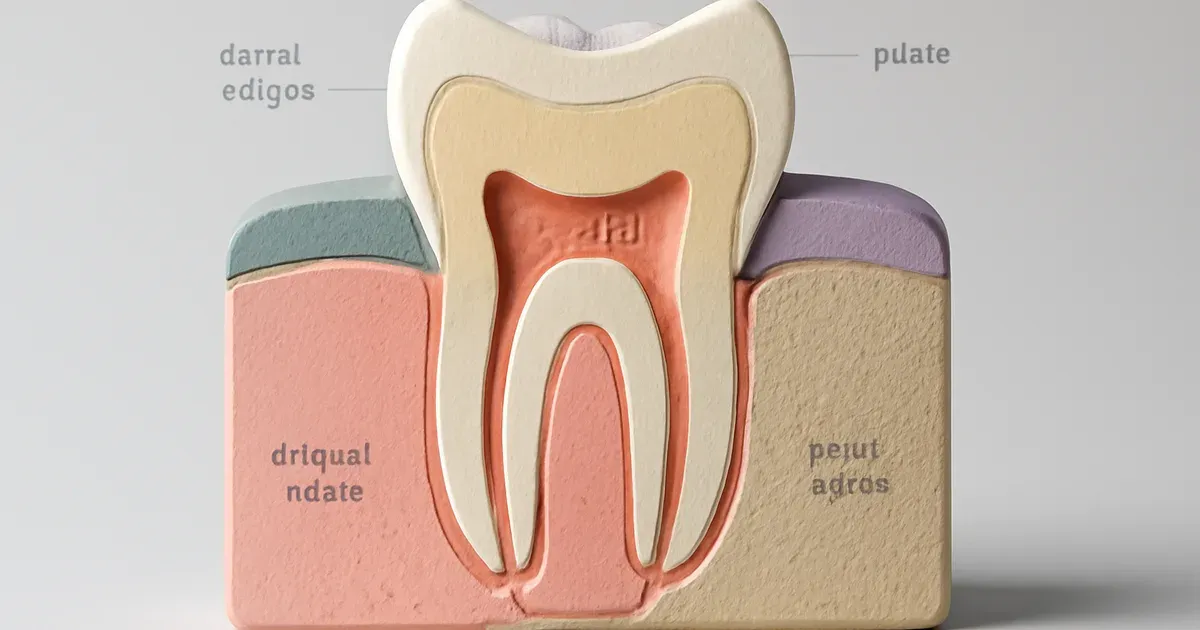
Why the Oral Microbiome Matters for Systemic Health
The mouth is the entry point for everything that enters your body — food, air, and the microorganisms that travel with them. It is also the starting point of digestion, and the microbial activity that begins there has downstream effects throughout the gastrointestinal tract and beyond.
Research has linked imbalances in the oral microbiome — a state called dysbiosis — to conditions far outside the mouth itself. These include cardiovascular disease, diabetes, adverse pregnancy outcomes, and even neurodegenerative conditions. The mechanisms are still being explored, but the leading hypotheses involve the translocation of oral bacteria into the bloodstream and systemic inflammatory responses triggered by oral pathogens.
The oral microbiome also interacts with the gut microbiome in ways scientists are only beginning to understand. Swallowed saliva delivers billions of oral microorganisms to the gut daily. In healthy individuals, gastric acid eliminates most of them — but in people with low stomach acid or compromised gut barriers, oral bacteria can establish themselves in the intestine, potentially contributing to conditions like inflammatory bowel disease.
How Scientists Study the Oral Microbiome Today
For most of microbiology's history, studying the oral microbiome meant growing bacteria in a laboratory. The problem: the vast majority of oral microorganisms cannot be cultured using conventional techniques. This left enormous gaps in our understanding of who lives in the mouth and what they do.
The emergence of next-generation sequencing (NGS) changed everything. By sequencing the 16S rRNA gene — a segment of bacterial DNA that varies enough between species to serve as a molecular fingerprint — researchers can identify and catalogue microbial communities without ever needing to grow them in a lab. Paired with advances in bioinformatics, this approach has revealed the true complexity of the oral microbiome in unprecedented detail.
Because saliva and dental plaque are easy to collect non-invasively, the oral cavity has become one of the most well-studied microbiome sites in the entire human body. This accessibility makes it an attractive target for biomarker discovery — identifying molecular signatures in oral samples that could signal disease elsewhere in the body.

The Oral Environment: Why It Is Ideal for Microbial Life
Bacteria thrive in stable, nutrient-rich conditions — and the mouth provides exactly that. The average oral temperature sits at a consistent 37°C. Saliva maintains a stable pH between 6.5 and 7, well within the comfort zone for most bacterial species. It also keeps the oral surfaces hydrated and acts as a continuous delivery system for nutrients.
Oral bacteria do not simply live side by side in isolation. They form sophisticated multi-species communities called biofilms — what most people know as dental plaque. Within these biofilms, bacteria communicate chemically, share resources, and protect one another from external threats including antibiotics and immune responses. These partner relationships between species shape the composition and long-term stability of the entire community.
Understanding what drives healthy biofilm formation — versus the dysbiotic biofilms associated with periodontitis or caries — is central to developing new targeted therapies for oral disease.
The Road Ahead: Precision Medicine and the Oral Microbiome
The oral microbiome is not just a curiosity — it is a clinically actionable system. As researchers continue to map the functional and metabolic activities of oral microbial communities, they are identifying specific molecular signatures associated with disease states. These signatures hold promise as diagnostic biomarkers and as targets for drug development.
The vision emerging from this research is one of personalised, precision oral care — treatments tailored not just to a patient's symptoms or genetics, but to the specific microbial profile of their mouth. This could mean probiotic interventions to restore healthy core species, targeted antimicrobials that eliminate pathogens without disrupting beneficial bacteria, or early diagnostic saliva tests for systemic conditions.
The mouth, it turns out, may be one of the most accessible windows into the health of the entire body.
The Bottom Line
The oral microbiome is a dynamic, complex ecosystem shaped by birth, diet, genetics, and ageing. Its 700-plus bacterial species — alongside fungi, viruses, and archaea — perform essential roles in digestion, immune regulation, and protection against pathogens. Disruptions to this community are linked to both oral diseases and systemic conditions.
Thanks to next-generation sequencing and the 16S rRNA approach, scientists now have the tools to study this ecosystem in full. The next decade of oral microbiome research will likely yield new diagnostics, targeted therapies, and a much clearer picture of how the health of your mouth shapes the health of your whole body.
Frequently Asked Questions
What is the oral microbiome?
The oral microbiome is the collective community of microorganisms — including bacteria, fungi, viruses, archaea, and protozoa — that live in the human mouth. It encompasses over 700 bacterial species and is the second most diverse microbial community in the human body after the gut.
How does the oral microbiome affect overall health?
The oral microbiome influences systemic health by acting as a gateway to the body. Imbalances in oral microbial communities have been linked to cardiovascular disease, diabetes, inflammatory bowel disease, and adverse pregnancy outcomes, among other conditions. Oral bacteria can enter the bloodstream and trigger inflammatory responses throughout the body.
How do scientists study the oral microbiome?
Modern oral microbiome research relies on next-generation sequencing, particularly 16S rRNA gene sequencing, combined with bioinformatics analysis. This approach identifies microbial species from saliva or dental plaque samples without needing to culture bacteria in a laboratory — overcoming a major limitation of traditional methods.
When does the oral microbiome develop?
Oral microbial colonisation begins at or shortly after birth. Pioneer species such as Streptococcus salivarius are among the first to establish themselves. The diversity of the oral microbiome increases significantly as teeth erupt, creating new surfaces for microbial colonisation, and continues to evolve throughout life.
Can you improve your oral microbiome?
Research suggests that diet, hygiene habits, and lifestyle factors all influence the composition of the oral microbiome. Diets low in sugar reduce the growth of cariogenic bacteria. Avoiding smoking, staying hydrated, and maintaining consistent oral hygiene support a balanced microbial community. Probiotic interventions targeting oral health are an active area of clinical research.