Ozempic and Gut Health: What GLP-1 Drugs Do to Your Microbiome and Mood
GLP-1 receptor agonists (semaglutide, tirzepatide) alter gut microbiome composition — increasing Akkermansia muciniphila, reducing inflammatory taxa — and interact with the gut-brain axis via vagal GLP-1 receptors.…

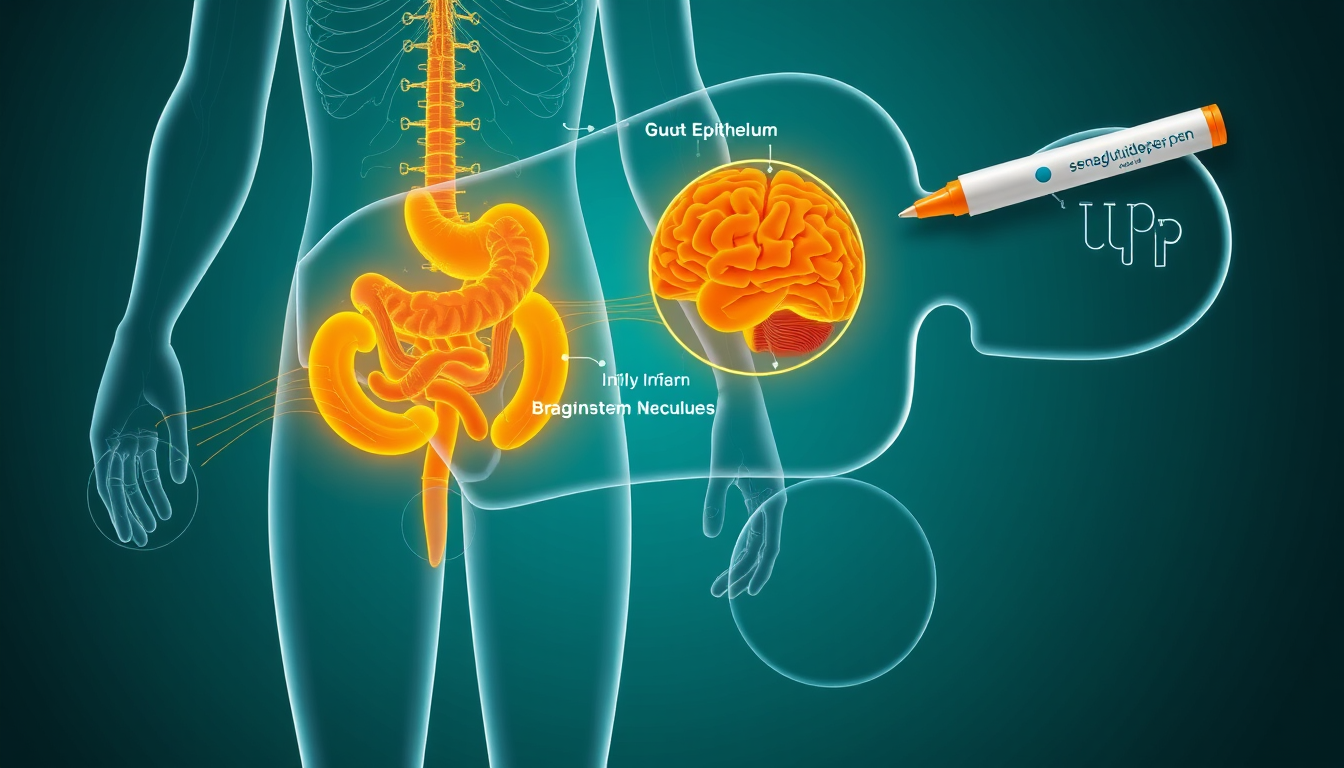
GLP-1 receptor agonists (semaglutide/Ozempic, tirzepatide) alter gut microbiome composition, reduce systemic inflammation, and interact with the gut-brain axis through mechanisms that may have independent mental health effects beyond weight loss. Early research shows GLP-1 drugs increase *Akkermansia muciniphila* abundance, reduce LPS-driven neuroinflammation, and modulate vagal signalling. However, post-marketing surveillance has identified an FDA investigation into depression and suicidal ideation signals, and the mechanisms behind GLP-1's psychiatric effects remain incompletely understood.
GLP-1 receptor agonists — semaglutide (Ozempic, Wegovy), tirzepatide (Mounjaro, Zepbound), and liraglutide (Victoza, Saxenda) — are the most-prescribed drug class of the current decade. Their primary mechanisms involve slowing gastric emptying, suppressing appetite via hypothalamic GLP-1 receptors, and modulating insulin secretion. But GLP-1 receptors are not located only in the pancreas and hypothalamus: they are expressed throughout the gastrointestinal tract, on vagal afferent neurons, in the brainstem, and across limbic brain regions governing mood, motivation, and reward. This distribution means GLP-1 drugs interact extensively with the gut-brain axis — in ways that are only beginning to be understood.
What GLP-1 Drugs Do to the Gut Microbiome
The gut microbiome changes observed with GLP-1 receptor agonist use are significant and mechanistically relevant to mental health, independent of weight loss.
Akkermansia muciniphila increases. Several studies — including a 2023 paper in Cell Metabolism examining microbiome changes with semaglutide — found significant increases in Akkermansia muciniphila abundance. Akkermansia is a keystone species associated with gut barrier integrity: it thickens the mucus layer, reduces intestinal permeability, and decreases LPS translocation into systemic circulation. Higher Akkermansia abundance is therefore protective against the neuroinflammatory cascade linking leaky gut to depression.
Reduced inflammatory bacterial taxa. GLP-1 agonists appear to reduce the relative abundance of inflammatory bacterial species including Ruminococcus gnavus and certain Proteobacteria — taxa associated with elevated LPS production and gut barrier disruption. This shift would be expected to reduce circulating LPS and its downstream neuroinflammatory effects on microglial activation and hippocampal function.
Altered short-chain fatty acid production. Changes in microbiome composition under GLP-1 therapy alter SCFA output — the butyrate, propionate, and acetate produced by bacterial fermentation that cross the blood-brain barrier and exert neuroprotective effects. Whether net SCFA production increases or decreases appears to depend on the baseline microbiome and the specific drug, and this remains an active research area.
The reduced caloric intake that accompanies GLP-1 treatment also independently affects the microbiome — dietary restriction affects microbial composition regardless of drug mechanism — making it difficult to isolate drug-specific microbiome effects from diet-mediated ones.
The Gut-Brain Axis Mechanisms
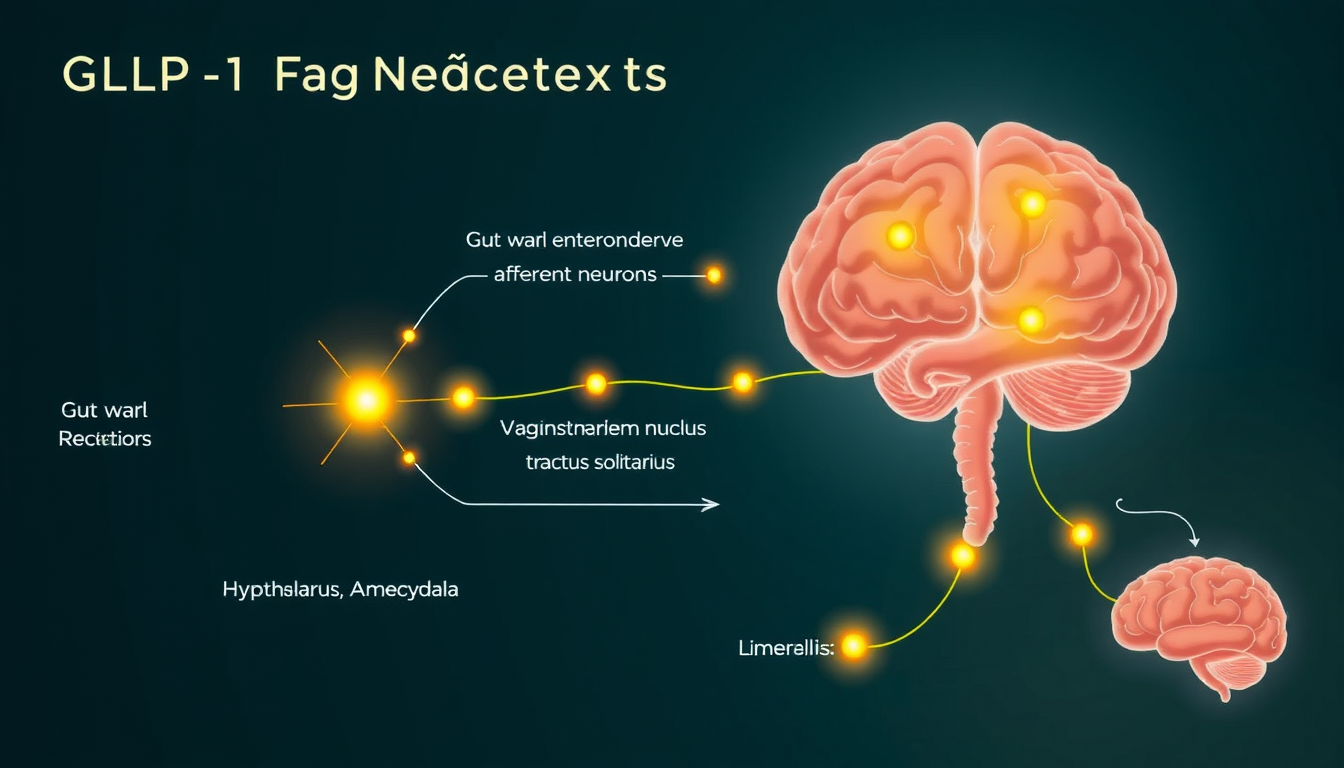
GLP-1 receptors are expressed on vagal afferent neurons lining the gut. When GLP-1 agonists bind these receptors, they enhance vagal signalling to the brainstem — the same pathway through which the microbiome communicates with the limbic system under normal conditions. This means GLP-1 drugs can directly modulate the gut-to-brain information channel that governs mood and stress reactivity.
Additionally, the anti-inflammatory effects of GLP-1 drugs — reduced circulating cytokines (particularly TNF-alpha and IL-6) documented in multiple trials — would be expected to reduce neuroinflammation through the blood-brain barrier. Since microglial activation driven by circulating cytokines is a core mechanism in depression and anxiety pathophysiology, anti-inflammatory GLP-1 effects may have mood-relevant consequences independent of weight or metabolic effects.
The Mental Health Data: What We Know
The psychiatric signal around GLP-1 drugs is genuinely mixed — which reflects both the complexity of gut-brain axis interactions and the confounding effects of rapid weight change on mood and self-perception.
Potential benefits. Observational studies have reported reductions in depression scores and anxiety symptoms among GLP-1 users, particularly those with obesity-related comorbidities where metabolic improvement and weight loss themselves improve mood. A 2023 study in JAMA Network Open found lower rates of new-onset depression diagnoses in GLP-1 users compared to matched non-users over two years.
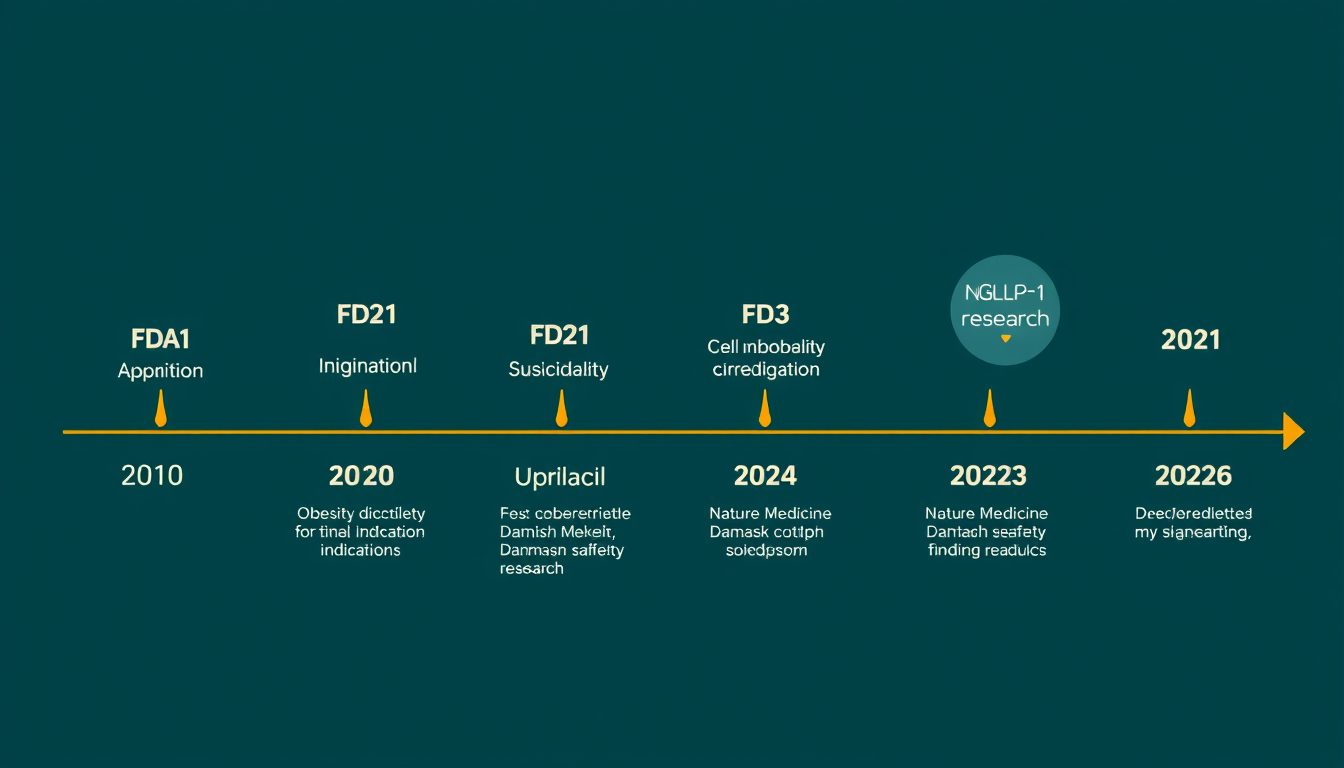
The FDA safety investigation. In 2023, the FDA opened an investigation into reports of suicidal ideation, suicidal behaviour, and self-harm associated with GLP-1 and GIP receptor agonists, based on post-marketing surveillance signals from the EU and US pharmacovigilance databases. Subsequent analysis — including a large Danish cohort study published in Nature Medicine in 2024 — found no statistically significant increase in suicide-related outcomes in GLP-1 users versus comparators. The FDA ultimately found insufficient evidence to mandate a label change for suicidality, though monitoring continues.
Rapid weight loss as confounder. Very rapid caloric restriction and weight loss — regardless of mechanism — can independently affect serotonin and dopamine signalling, energy regulation, and mood stability. Patients experiencing significant side effects (nausea, vomiting, gastroparesis) may have mood effects attributable to symptom burden rather than direct drug mechanism. Disentangling these confounders from direct gut-brain axis effects of GLP-1 drugs is an active methodological challenge.
What This Means For the Gut-Brain Axis Understanding
GLP-1 drugs are not the primary route to gut health for the vast majority of people. But they offer an unusual pharmacological window into gut-brain axis biology: because they simultaneously alter gut motility, microbiome composition, vagal signalling, inflammatory markers, and hypothalamic function, observing their mental health effects helps clarify which mechanisms in the gut-brain axis are most clinically consequential.
The increase in Akkermansia muciniphila, the reduction in circulating inflammatory cytokines, and the enhancement of vagal gut-to-brain signalling seen with GLP-1 use mirror — through pharmacological means — the outcomes that fermented food diets, prebiotic supplementation, and exercise pursue through dietary and lifestyle routes. The convergence of mechanisms suggests these pathways are genuinely causal, not merely correlational.
For the foundational science connecting gut health to mood and anxiety, see The Gut-Brain Axis: How Your Microbiome Controls Your Mood. For the dietary approaches that modulate similar pathways, see Best Foods for Gut Health and Mental Wellbeing. For the broader picture on gut health and mental wellbeing, see the Gut Health & Mental Wellbeing hub.
Frequently Asked Questions
Q: Does Ozempic affect mood? GLP-1 drugs affect mood through multiple pathways: direct GLP-1 receptor activity in limbic brain regions, reduced systemic inflammation, altered gut microbiome composition, and indirect effects of weight change and symptom burden. Observational studies suggest net mood improvements in many users, though individual responses vary considerably and the FDA investigated suicidality signals (finding insufficient evidence for a causal link in subsequent large-cohort analysis).
Q: Can GLP-1 drugs improve depression? There is emerging evidence that GLP-1 drugs may reduce depression risk in some populations — particularly those with obesity and metabolic syndrome, where inflammation-driven depression is more prevalent. The mechanisms (anti-inflammatory effects, microbiome changes, vagal modulation) are biologically plausible. However, GLP-1 agonists are not approved for depression treatment, and robust RCT evidence specifically targeting depression as a primary endpoint is not yet available.
Q: Does Ozempic change gut bacteria? Yes — semaglutide and other GLP-1 receptor agonists alter gut microbiome composition, including increases in Akkermansia muciniphila (associated with gut barrier integrity) and reductions in inflammatory bacterial taxa. Whether these changes are primarily drug-mediated or diet-mediated (via reduced caloric intake) is difficult to fully separate, but GLP-1 receptor expression on gut epithelial cells suggests a direct drug-microbiome interaction pathway.