Perimenopause and Gut Health: What's Changing
Perimenopause disrupts gut health through microbiome changes, slower motility, and a weaker gut barrier. Learn what's happening and how to respond.


Bloating that won't quit, constipation that came out of nowhere, foods you've eaten for years suddenly causing trouble — if any of this sounds familiar and you're in your 40s, your gut may be responding to perimenopause. This hormonal transition, which can begin years before your final period, reaches well beyond your cycle and mood. It reshapes the way your entire digestive system works.
Understanding the connection between perimenopause and gut health is one of the most practical things you can do for your wellbeing during midlife. This article breaks down what's happening inside your body, which symptoms to watch for, and the evidence-based strategies that can genuinely help.

How Hormones Reshape Your Gut During Perimenopause
Estrogen and progesterone don't just regulate your cycle — they actively support your digestive system at every level. When these hormones begin to fluctuate and decline during perimenopause, the effects on digestion can be immediate and wide-ranging.
There are three key mechanisms at work:
1. Your Gut Microbiome Loses Diversity
The gut microbiome — the trillions of bacteria living in your intestines — depends on estrogen to maintain its balance and diversity. Research shows that as estrogen levels fall, microbiome composition shifts toward patterns more commonly seen in men, with lower overall diversity (Bharwani et al., 2020).
Lower microbial diversity is directly linked to increased bloating, slower digestion, and reduced nutrient absorption. The microbiome also plays a role in hormone metabolism itself, meaning the relationship between hormones and gut bacteria runs in both directions.
2. Food Moves Through Your Gut More Slowly
Gut motility — the muscular contractions that push food through your intestines — is regulated in part by estrogen and progesterone. As these hormones decline, this movement slows. The result is often constipation, a feeling of incomplete emptying after a bowel movement, and persistent heaviness or discomfort (Kim & Kim, 2021).
This can happen even when nothing in your diet has changed, which is why many women are caught off guard.
3. The Gut Barrier Becomes More Permeable
Your intestinal lining acts as a selective barrier, controlling what passes from your gut into your bloodstream. Estrogen and progesterone help keep this barrier strong. As these levels drop, intestinal permeability can increase — sometimes called "leaky gut" — allowing particles or bacteria to cross that barrier and trigger low-grade inflammation or discomfort (Chen & Brar, 2022).
Why Symptoms Often Feel Worse Than Expected
Hormonal shifts initiate the changes, but they don't act in isolation. The gut is part of a broader network that includes the brain, the nervous system, sleep patterns, and daily habits. During perimenopause, all of these systems become more sensitive at the same time.
Here is how the ripple effect works:
- Sleep disruption: Up to 60% of women report significant sleep problems during perimenopause. Poor sleep alters gut–brain communication, changes appetite-regulating hormones, and can slow motility further.
- Heightened stress response: Hormonal variability changes how the body perceives and reacts to stress. Even minor stressors can trigger bloating, urgency, or abdominal cramping.
- Shifts in eating patterns: Fatigue and mood changes often lead to skipped meals, late-night eating, or reduced fibre intake — each of which disrupts microbial balance and bowel regularity.
The full picture of perimenopause and gut health is always multi-factorial. Addressing sleep, stress, and diet alongside hormonal changes gives you the most complete approach to feeling better.
Signs Your Gut Is Responding to Hormonal Change
Not every digestive symptom in your 40s is a standalone problem. When gut changes appear alongside other perimenopause signs, they are often part of the same hormonal story.
Digestive symptoms to watch for include:
- Increased bloating or gas, particularly after meals
- Constipation or newly irregular bowel movements
- A persistent sense of incomplete emptying
- New or unpredictable food sensitivities
- Abdominal cramping or discomfort without an obvious cause
Accompanying signs that point toward perimenopause include irregular periods, mood fluctuations, night sweats, disrupted sleep, and brain fog. When digestive changes appear alongside these, your gut is likely signalling a hormonal shift rather than an isolated condition.
How to Support Gut Health During Perimenopause
Small, consistent changes to daily habits can make a meaningful difference in how your gut feels through this transition. The following strategies are grounded in current evidence and practical to implement.
Start With Your Doctor
Before making significant changes to your diet or supplement routine, speak with your healthcare provider. Thyroid dysfunction, medication side effects, and other conditions can mimic perimenopause-related gut symptoms and deserve proper evaluation.
If you are over 45 and experiencing new changes in bowel habits, discuss the timing of colorectal cancer screening — particularly if you have a family history. Review any current medications together, since some commonly used in midlife (iron, calcium, certain antidepressants) can slow motility or irritate the gut lining.
Give Your Gut a Daily Routine
Consistency in meal timing is one of the most underrated tools for gut health. Aim for three to four evenly spaced meals per day, and avoid long gaps without eating that can disrupt motility.
Building a morning routine that includes hydration, light movement, and a fibre-rich breakfast within one to two hours of waking is particularly helpful for women struggling with constipation or morning bloating.
Prioritise Sleep and Stress Management
Targeting seven to eight hours of sleep per night supports the gut–brain axis in ways that dietary changes alone cannot replicate. A consistent wind-down routine before bed — away from screens and stimulation — helps regulate both cortisol and gut function.
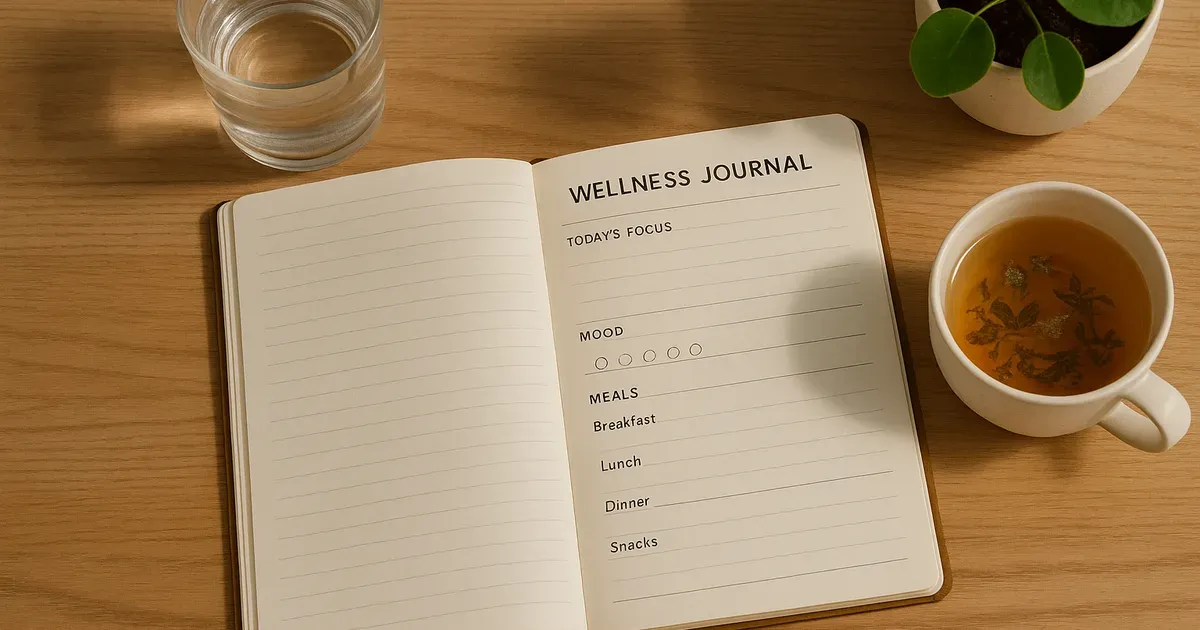
For stress, practical tools include slow breathing exercises, brief walks, journalling, or regular social connection. Daily movement, even five to ten minute walks spread through the day, can meaningfully improve both mood and motility.

Choose the Right Type of Fibre
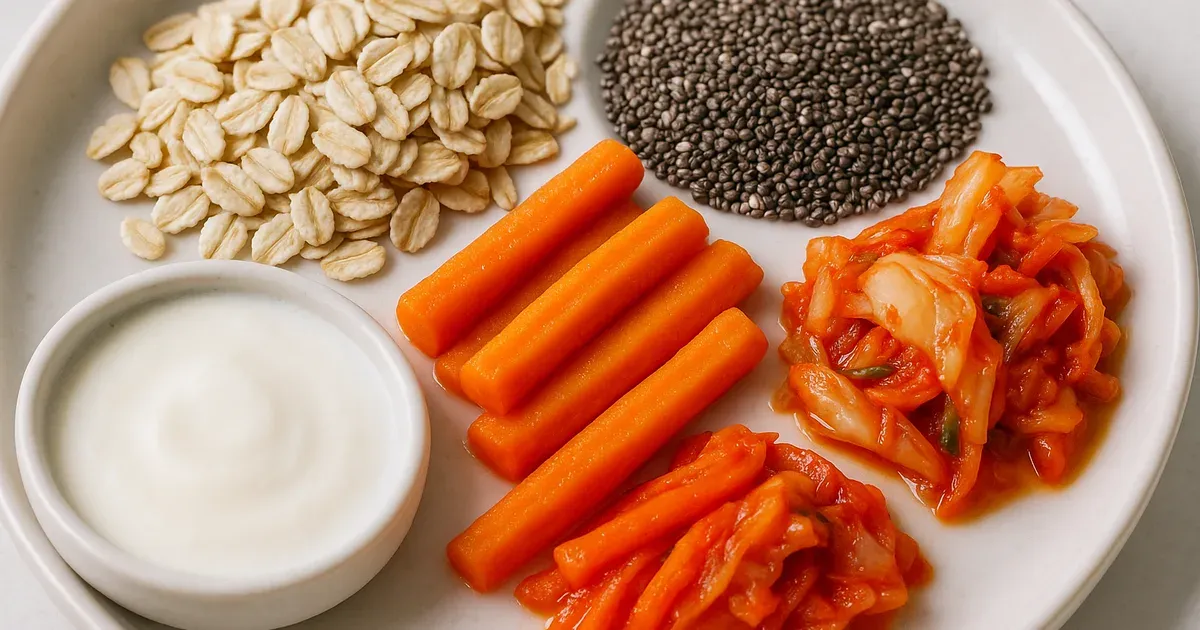
The goal is not simply more fibre — it is the right kind of fibre for your current gut. Soluble fibre sources such as oats, chia seeds, and well-cooked vegetables (carrots, zucchini, green beans) are gentler on a sensitive gut and support regular bowel movements without excess gas.
If digestive symptoms are prominent, consider temporarily reducing insoluble fibre — raw salads, raw vegetables, and large amounts of nuts or seeds — which can worsen discomfort in an inflamed or slow-moving gut. Also be cautious with added prebiotic fibres (inulin, chicory root, FOS) commonly found in packaged foods, as these can intensify bloating in sensitive individuals.
Increase fibre intake gradually if your current intake is low, and stay well hydrated throughout the day.
Nurture Your Microbiome Daily
Diversity in plant-based foods is the single most evidence-supported strategy for improving microbial diversity. Aim for a wide variety of colours and types of vegetables, fruits, legumes, and whole grains across the week.
Fermented foods — such as natural yogurt, kefir, kimchi, or sauerkraut — can support beneficial bacteria when tolerated. Limiting ultra-processed foods and added sugars protects the microbial balance that estrogen once helped maintain.
The Bottom Line
Perimenopause and gut health are more tightly linked than most women are told. Declining estrogen and progesterone alter the microbiome, slow gut motility, and weaken the intestinal barrier — and these changes interact with sleep, stress, and daily habits to make symptoms feel unpredictable and frustrating.
The good news is that targeted, consistent changes to routine can significantly improve how your gut functions during this transition. Regular meals, quality sleep, movement, and a fibre-diverse diet are not generic wellness advice — for perimenopausal women, they are specific responses to documented physiological changes.
If your symptoms are new, worsening, or persistent, raise them with your healthcare provider. Ruling out other causes first gives you a solid foundation from which to address the gut changes that perimenopause and shifting hormones bring.
References: Bharwani et al. (2020); Kim & Kim (2021); Chen & Brar (2022); Zhao H et al. FEBS Letters. 2019; Peters BA et al. International Journal of Women's Health. 2022.