Probiotics and Diet May Protect Aging Brain Health
A 2026 review finds probiotics, prebiotics, dietary changes, and fecal transplants may support gut health and protect brain function in aging adults.

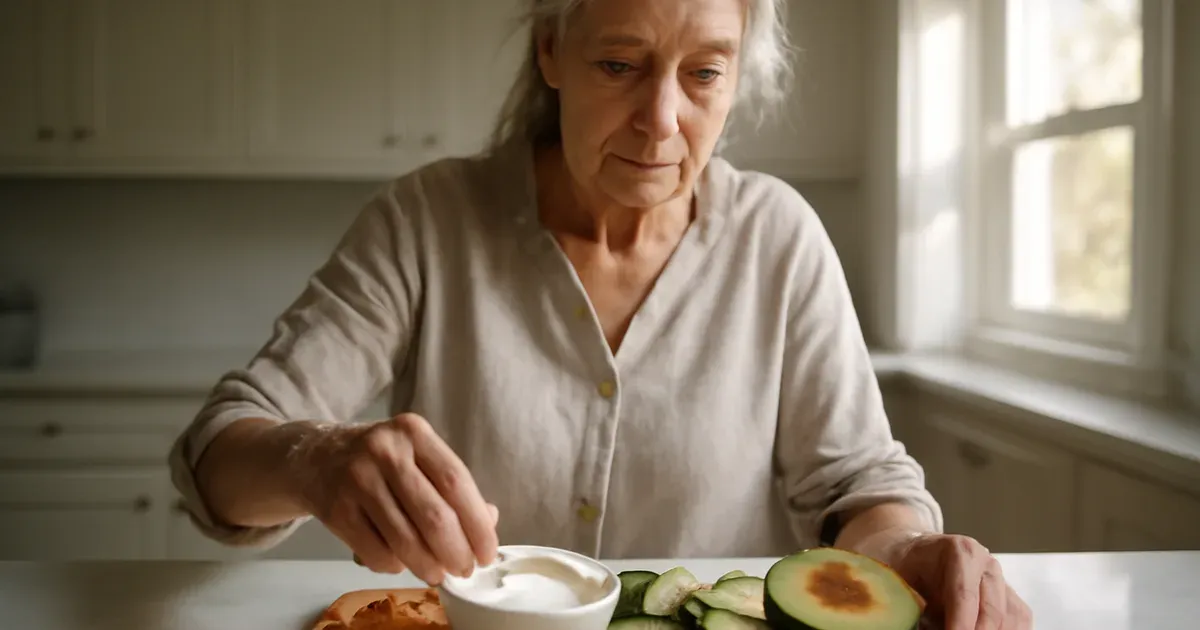
A new scientific review published in early April 2026 examines whether targeted interventions — including probiotics, prebiotics, dietary modifications, and fecal microbiota transplants — can support gut microbiome health and help preserve brain function as people age, according to Medical News Today. The review highlights a growing body of evidence linking the composition of gut bacteria to cognitive outcomes in older adults.
Why This Matters
The relationship between gut health and brain function, often described as the gut-brain axis, has become a significant area of scientific interest. As populations in many countries grow older, age-related cognitive decline and neurodegenerative conditions represent a mounting public health challenge. Per Medical News Today, researchers are increasingly focused on whether the gut microbiome — the vast community of microorganisms living in the digestive tract — plays a measurable role in maintaining or eroding brain health over time. Earlier research has suggested that microbial diversity tends to decline with age, potentially affecting neurological wellbeing.
Review Finds Multiple Gut Interventions Show Promise
The review, as reported by Medical News Today, focuses on four key approaches to modifying the gut microbiome: probiotics, prebiotics, broader dietary changes, and fecal microbiota transplants. The findings suggest that each of these interventions may offer a distinct pathway for influencing the gut-brain connection in aging individuals. According to the review, dietary changes in particular represent an accessible and low-risk strategy for supporting both gut and cognitive health. Fecal microbiota transplants, while more experimental, are also considered as a potential avenue for restoring healthier microbial balance in older adults.
What This Means for Older Adults and Caregivers
For adults concerned about age-related cognitive decline, the review points toward practical lifestyle strategies — particularly dietary adjustments and probiotic supplementation — as potentially beneficial, according to Medical News Today. While the research does not yet establish definitive clinical recommendations, it suggests that gut health interventions deserve serious consideration as part of broader strategies to support brain health in aging populations. Further clinical trials are expected to clarify dosing, timing, and which specific interventions are most effective.
The review underscores a compelling and emerging picture: what happens in the gut may have meaningful consequences for the aging brain. As reported by Medical News Today, scientists believe that understanding and influencing the gut microbiome could become an important tool in the effort to protect cognitive function in older adults.