7 Reasons Protein & Fiber Transform Your Gut Health
Discover 7 science-backed reasons why combining protein and fiber transforms your gut health, microbiome diversity, and gut-brain axis.


You track your protein. You occasionally remember fiber exists. And somehow your energy crashes, digestion stalls, and your gut never quite feels right. Sound familiar? Most people are unknowingly optimising for one nutrient while starving the other — and their gut microbiome pays the price. These two nutrients are not rivals; they are the most powerful nutritional partnership your body has. Here is exactly why getting both on your plate every day is the fastest route to lasting gut health.
Registered dietitians and gut health researchers agree: most Americans consistently fall short on fiber — the very nutrient that feeds the beneficial bacteria controlling digestion, immunity, and even mood.
1. Protein Repairs Your Gut Lining From the Inside Out
Your intestinal wall is made of protein. The tight junctions that prevent undigested food particles and toxins from leaking into your bloodstream depend on a steady supply of amino acids to stay intact. When protein intake drops, gut barrier integrity can weaken — a process increasingly linked to systemic inflammation and gut-brain axis disruption.
Registered dietitian Erin Palinski-Wade explains that protein "builds and repairs muscle and other tissues" — and that repair function extends directly to the gastrointestinal tract. Aim for 1 to 1.2 grams of protein per kilogram of body weight daily and distribute it across meals rather than loading it all at dinner.
2. Soluble Fiber Feeds the Gut Bacteria That Regulate Your Brain
The gut-brain axis is only as strong as the microbiome supporting it. Soluble fiber — found in oats, legumes, apples, and flaxseed — dissolves in water to form a gel that beneficial gut bacteria ferment into short-chain fatty acids (SCFAs). SCFAs like butyrate are the primary fuel source for colonocytes and have been shown to reduce intestinal inflammation and signal the vagus nerve, directly influencing mood and cognition.
When you skip fiber, you are essentially starving the microbial community that produces neurotransmitter precursors including serotonin — roughly 90% of which is made in the gut. Add one soluble fiber source to every meal to keep your microbiome well-fed and your gut-brain communication sharp.
3. Insoluble Fiber Keeps Your Digestive Transit Moving
High-protein diets without adequate fiber are a recipe for constipation. Insoluble fiber — the kind found in whole grains, vegetables, and wheat bran — does not dissolve; it adds bulk and pushes food efficiently through your intestinal tract. As dietitian Frances Largeman-Roth puts it, "loading up on protein means you'll need to eat even more fiber to move the protein-rich foods through your digestive tract."
A sluggish transit time allows waste and potentially harmful compounds to linger in the colon longer, increasing exposure to carcinogens and disrupting the microbial balance that governs your gut-brain health. Target 25 to 38 grams of total fiber daily — a mix of soluble and insoluble — to keep things moving and your microbiome thriving.
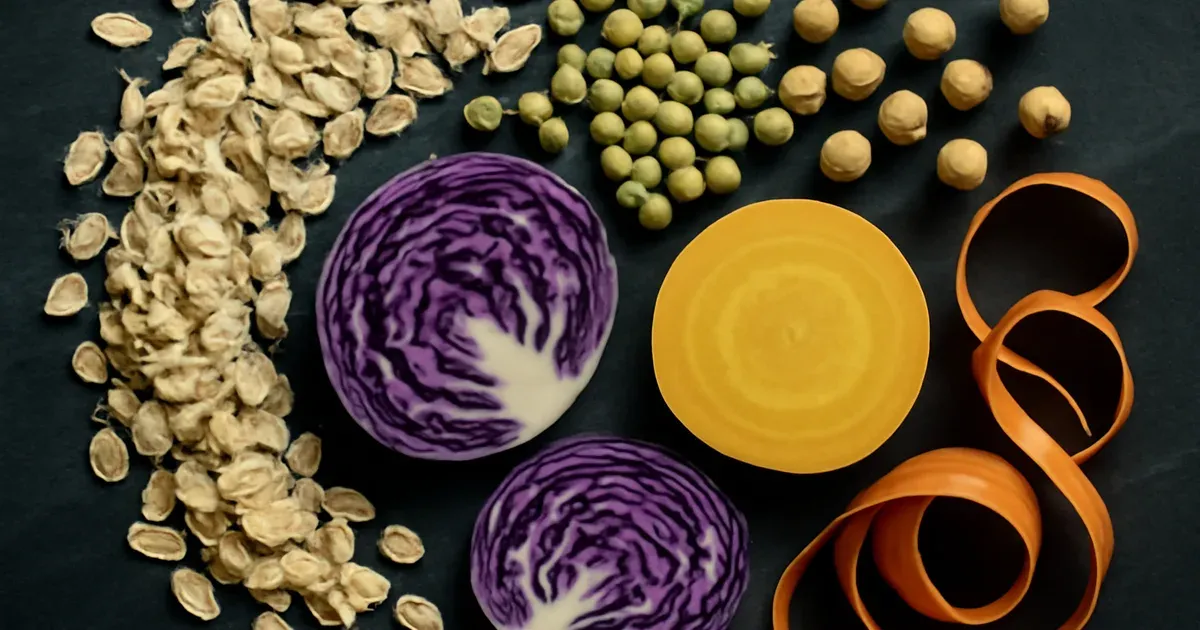
4. Together, They Flatten Blood Sugar Spikes That Harm Your Microbiome
Repeated blood sugar spikes do more than drain your energy — they damage your gut ecosystem. Rapid glucose surges promote the growth of opportunistic, sugar-feeding bacteria at the expense of beneficial strains, tipping microbial diversity in the wrong direction. Both protein and fiber slow gastric emptying independently; combined, their effect on post-meal glucose is significantly stronger.
Palinski-Wade notes that when protein and fiber work together they produce "better blood sugar control, improved satiety and fewer energy crashes." This glycaemic stability creates a more hospitable environment for diverse, health-promoting gut bacteria. Build every meal around a protein anchor — chicken, fish, tofu, legumes — then layer on fiber-rich vegetables or whole grains to blunt the glucose response.
Quick Stat: Research suggests adults eating adequate fiber (25–38g/day) have measurably greater gut microbiome diversity — a key marker of long-term metabolic and mental health. Most Americans consume fewer than 15g daily.
5. Prebiotic Fiber Amplifies the Gut-Brain Signals Protein Alone Cannot Send
Not all fiber is created equal — prebiotic fiber is the microbiome's most direct tool for influencing brain health. Prebiotic fibers such as inulin, fructooligosaccharides, and resistant starch selectively feed Bifidobacterium and Lactobacillus strains that produce GABA precursors and reduce cortisol signalling via the vagus nerve. Protein supports the structural side of gut health; prebiotic fiber handles the communication side.
Dietitian Grace Derocha describes fiber as foundational for "a healthy gut microbiome" — but prebiotic varieties specifically drive the gut-brain conversation. Foods like garlic, leeks, Jerusalem artichokes, slightly underripe bananas, and cooled cooked potatoes are excellent prebiotic sources. Pair a prebiotic fiber source with a high-quality protein at least once daily to simultaneously nourish your gut lining and your microbial messengers.
6. Protein Preserves the Muscle Mass That Indirectly Protects Your Gut
Sarcopenia — age-related muscle loss — has a lesser-known consequence: declining gut motility. The muscular contractions that push food through your digestive system depend on overall muscle health, including the smooth muscle of your gastrointestinal tract. Adequate protein intake helps preserve lean mass, which in turn supports the mechanical function of digestion as you age.
Derocha highlights that protein is "especially important for older folks and those entering menopause who are looking to preserve lean muscle mass." Reduced motility from muscle loss creates longer transit times, increased bloating, and an environment where dysbiotic bacteria can gain a foothold. Older adults should prioritise protein at every meal — targeting the upper end of 1.2g per kilogram of body weight — and pair it consistently with fiber to support both muscle and microbiome longevity.
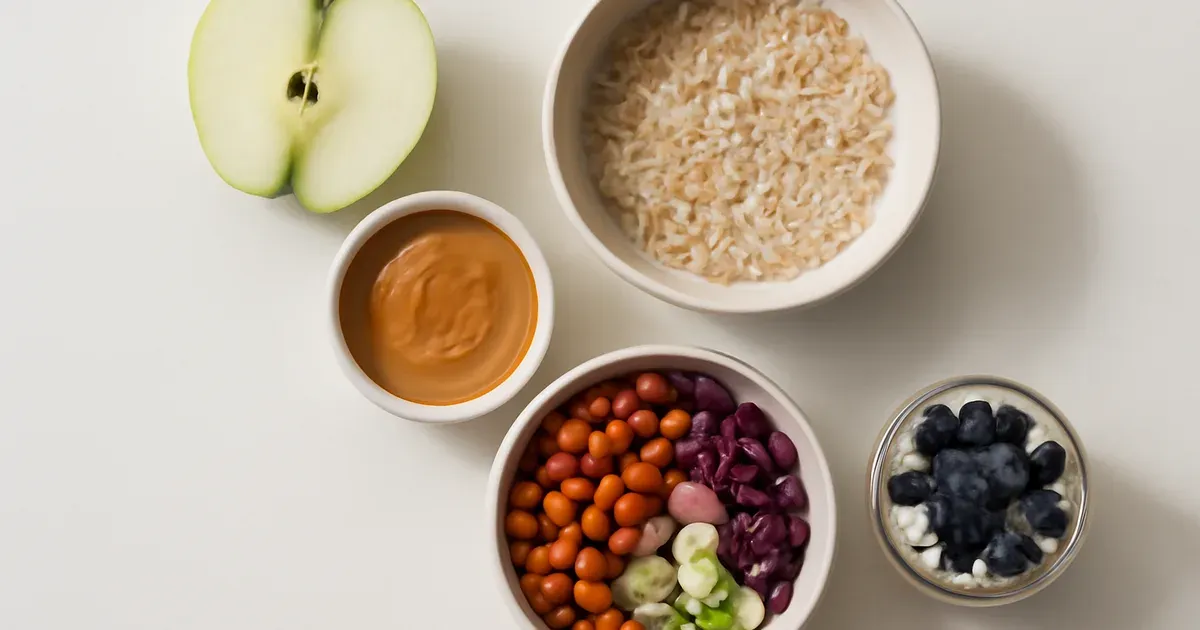
7. A Protein-and-Fiber Plate Pattern Is the Most Sustainable Gut Health Strategy
The gut microbiome responds to dietary patterns over days and weeks, not single meals. Consistency matters more than perfection. Palinski-Wade advises thinking of protein as "the anchor" of your meal and then building around it with fiber-rich foods — a practical framework that naturally produces the balanced, diverse diet your gut bacteria need to maintain a stable, resilient community.
Simple combinations require no special planning: grilled salmon with a lentil-and-leafy-green salad, a quinoa bowl with roasted vegetables and tofu, Greek yogurt with berries and pumpkin seeds, or even whole grain cereal with milk. "A balanced plate with protein, high-fiber plants and enough total calories is usually more sustainable and better for long-term health," Palinski-Wade says. Commit to the pattern for four to six weeks and let your gut microbiome — and your energy levels — confirm the results.
Getting enough protein and fiber gut health outcomes are inextricably linked. These two nutrients repair your gut lining, feed your microbiome, regulate blood sugar, support the gut-brain axis, and keep digestion moving efficiently. You do not have to choose between them. Start with one simple upgrade — add a fiber-rich side to your next protein-centred meal — and build from there.
Frequently Asked Questions
How much protein and fiber do I need each day for good gut health?
Most adults need 1 to 1.2 grams of protein per kilogram of body weight and between 25 and 38 grams of fiber daily, according to current Dietary Guidelines. For a 150-pound person that means roughly 81–109 grams of protein per day. Spreading both across three meals rather than concentrating them in one sitting improves absorption and provides a steadier fuel supply for your gut microbiome throughout the day.
Can eating too much protein harm your gut microbiome?
High protein intake without sufficient fiber can negatively shift your gut bacterial balance. Protein fermentation by colonic bacteria produces beneficial SCFAs but also ammonia and hydrogen sulphide, which at elevated levels may promote inflammation. The fix is straightforward: match increased protein with increased fiber to ensure beneficial bacteria have adequate substrate and transit time stays healthy.
Which foods give you both protein and fiber in one?
Legumes are the standout dual-nutrient food. Lentils, black beans, chickpeas, and edamame all deliver meaningful amounts of both protein and dietary fiber in a single serving. Quinoa, hemp seeds, and pumpkin seeds also provide useful quantities of both. Structuring one meal per day around legumes is one of the most efficient ways to close the fiber gap while supporting protein targets.
How does fiber influence the gut-brain axis specifically?
Fiber is fermented by gut bacteria into short-chain fatty acids that signal the vagus nerve and regulate neurotransmitter production. Butyrate, produced primarily from the fermentation of prebiotic and soluble fibers, reduces intestinal permeability and dampens neuroinflammation. Approximately 90% of the body's serotonin is produced in the gut — a process that depends on a well-nourished, diverse microbiome maintained largely through consistent fiber intake.
Should I prioritise protein or fiber if I can only focus on one right now?
If you are already meeting protein targets, fiber is almost certainly the more urgent gap to close. Most Americans consume less than half the recommended daily fiber intake, while protein shortfalls are comparatively rare outside specific populations such as older adults or those recovering from illness. Focus on fiber first, then fine-tune protein. Better yet, use the meal-anchoring strategy — protein first, fiber-rich foods built around it — to address both simultaneously without overthinking the balance.