Science-Backed Weight Loss Tips That Actually Work
Discover 5 science-backed weight loss tips — from high-protein diets to intermittent fasting — that research confirms actually work.


More than half of Americans want to lose weight — yet the sheer volume of diet plans, detox programs, and miracle supplements makes it nearly impossible to know where to start. Most of what you see online is marketing dressed up as advice. What actually moves the needle is the small set of strategies that researchers have tested, measured, and confirmed to work. This article cuts through the noise and presents only science-backed weight loss tips grounded in real evidence.

Why Most Diet Plans Fail Before They Start
The problem is rarely willpower — it is the plan itself. Fad diets tend to be restrictive, unsustainable, and disconnected from how the human body actually processes food and energy. When a programme does not fit your lifestyle, biology, or personality, you abandon it. That is not a personal failing; it is a design flaw.
Successful, lasting weight loss requires three things working together: a dietary approach your body responds to, habits you can realistically maintain, and an understanding of why each change is worth making. The five strategies below satisfy all three criteria. Each one has a meaningful body of research behind it, and each one can be adapted to suit different people and different lives.
1. Ditch Processed Foods First
Processed food is engineered to be convenient and persuasive, not nutritious. The calorie counts printed on packaging can create a misleading sense of control — you count the calories, assume that is the whole picture, and move on. But the added sugars, sodium, and preservatives in processed products do more than add empty calories. They can promote water retention, disrupt gut bacteria, and leave you feeling sluggish rather than energised.
Swapping processed items for fresh produce and whole grains does not have to mean hours in the kitchen. A grain bowl with roasted vegetables, or eggs with leafy greens, can come together in less time than a ready meal takes to heat. The nutritional return on that small effort is enormous, and the absence of artificial additives means your body is not working against itself while you try to lose weight.
This single change — removing ultra-processed foods — is one of the most consistently supported interventions in obesity research. Studies repeatedly show that people who eat predominantly whole foods consume fewer total calories, even without actively tracking or restricting intake.
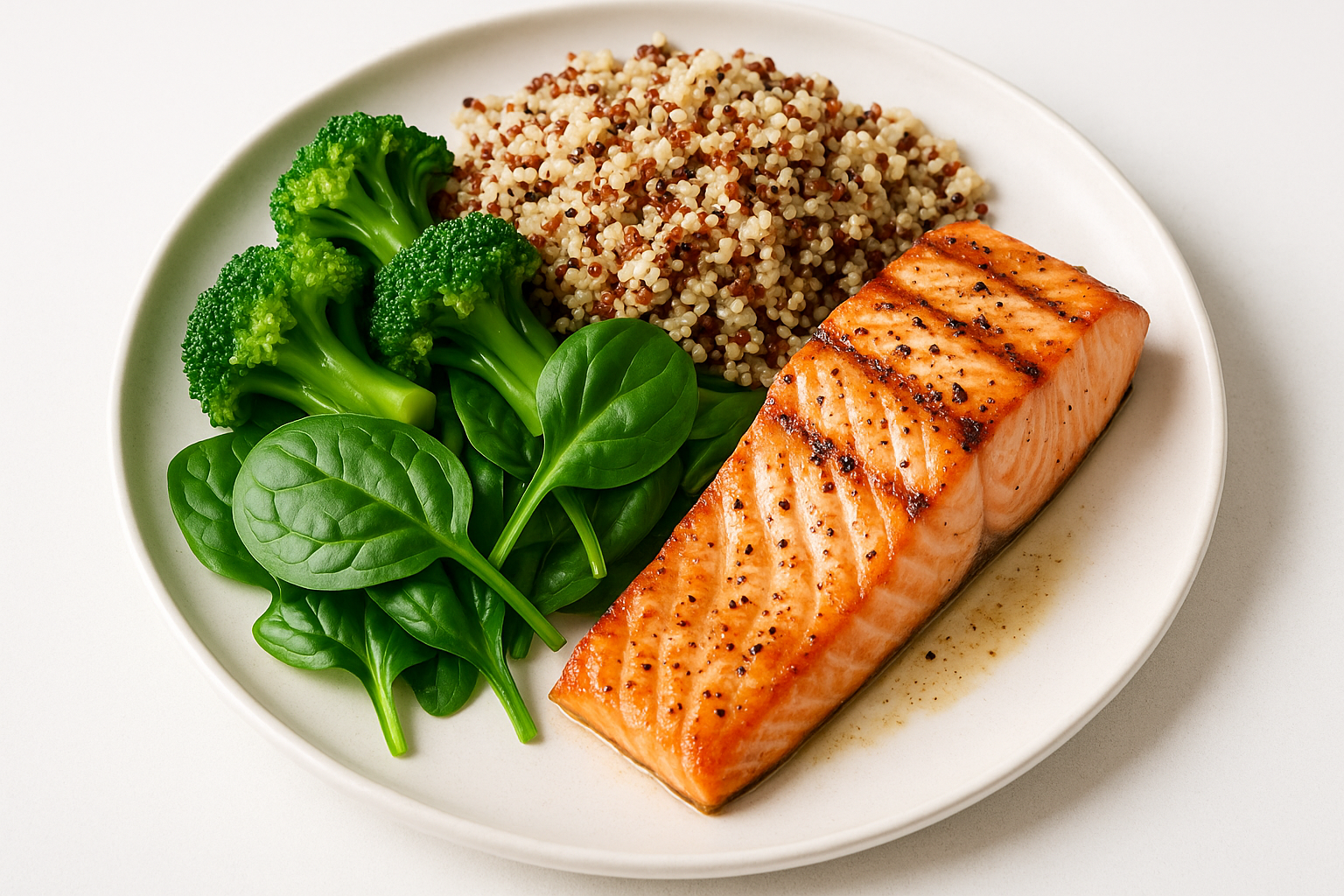
2. Shift Your Diet Toward Protein
A high-protein diet is one of the most reliable science-backed weight loss tips in the literature. Protein changes how your body uses energy. Unlike carbohydrates, which are broken down quickly and converted into glucose — and potentially stored as fat when consumed in excess — protein requires significantly more energy to digest and metabolise. This process, called the thermic effect of food, means your body is burning more calories simply by processing what you eat.
Protein also keeps you fuller for longer. It suppresses hunger hormones and sustains satiety in a way that carbohydrate-heavy meals rarely do. People eating a protein-focused diet typically report lower overall calorie consumption without feeling deprived — which is the key to making any dietary change sustainable.
The goal is not to eliminate carbohydrates entirely. Cutting out whole food groups is rarely a good idea, because every macronutrient plays a role in health. The aim is to rebalance your plate so protein takes the lead, with vegetables, healthy fats, and quality carbohydrates supporting it.
3. Drink More Water — and Think Carefully About Everything Else
What you drink is just as important as what you eat, but it is far too easy to overlook. Many people make genuine improvements to their food choices while continuing to consume sugary drinks, sodas, and alcohol daily. These beverages can add hundreds of calories with almost no nutritional benefit, and many actively work against weight loss by spiking insulin levels or stimulating appetite.
Water, on the other hand, actively supports fat metabolism. Research has shown that drinking approximately 500ml (around 17oz) of water can increase the body's calorie-burning rate by up to 25% for the following hour. That is a meaningful boost from something that costs nothing and has zero downsides.
Black coffee also has a legitimate place in a science-backed weight loss approach. Caffeine is one of the few substances shown to measurably increase metabolic rate, and regular coffee consumption has been linked to a reduced risk of type 2 diabetes. The crucial word is black — adding sugar, syrups, or large amounts of cream neutralises the benefits quickly.

4. Consider Supplements That Have Actual Evidence Behind Them
The supplement market is saturated with products that make dramatic promises and deliver very little. Most weight loss supplements have not been through rigorous clinical testing, and the claims on their labels are often not required to meet the same standards as pharmaceutical products. Scepticism is the right default position.
That said, a small number of supplements do have credible evidence supporting their use. Glucomannan is one of the most studied. It is a soluble dietary fibre derived from the konjac root that expands in the stomach, promoting feelings of fullness and slowing digestion. Research supports its role in reducing calorie intake and improving gut health markers, including the balance of beneficial gut bacteria.
If you are evaluating any supplement, look for natural ingredients with published research and transparency about formulation. Avoid anything making sweeping claims without citations, and treat supplements as exactly what the word implies — a support layer on top of solid dietary and lifestyle habits, never a replacement for them.
5. Build Intermittent Fasting Into Your Routine
Intermittent fasting has moved from niche biohacking territory into one of the most studied dietary strategies of the past decade. The core principle is straightforward: designate specific windows for eating and specific windows for not eating. This structured approach to meal timing gives the body regular periods of rest from digestion, during which it shifts toward burning stored fat for energy.
Multiple formats of intermittent fasting have been studied and shown to work. The 5:2 method — eating normally five days a week and restricting intake to around 600 calories on the other two — has a solid evidence base. Time-restricted eating, where all meals occur within an eight-hour window each day (for example, between noon and 8pm), is another well-researched approach that many people find easier to sustain.
Beyond weight loss, research shows that intermittent fasting can increase energy levels, improve insulin sensitivity, and support cognitive function. Many people who try it find that their appetite naturally recalibrates over several weeks, making the fasting windows easier over time. Once weight goals are reached, the structure often becomes a permanent lifestyle habit rather than a temporary restriction.

What These Five Strategies Have in Common
Every tip on this list works through the same underlying mechanisms: reducing unnecessary calorie consumption, improving the quality of nutrients the body receives, and supporting the metabolic processes that govern how efficiently your body burns energy. None of them require you to buy expensive equipment, follow a celebrity plan, or deprive yourself to the point of misery.
They also all interact positively with each other. Eating more protein makes intermittent fasting easier because you feel fuller during eating windows. Drinking more water supports every metabolic process on the list. Removing processed foods automatically reduces hidden sugars that undermine fasting and protein goals.
The real power of these science-backed weight loss tips lies in combining them progressively. You do not need to implement all five at once. Start with whichever one feels most accessible, build the habit over two to three weeks, and then layer in the next. Slow, structured change is far more likely to produce lasting results than an aggressive overhaul that collapses within a fortnight.
The Bottom Line
Losing weight sustainably is not about finding the one perfect diet — it is about applying a small set of proven principles consistently over time. Cutting processed foods, prioritising protein, staying well hydrated, choosing evidence-based supplements carefully, and incorporating intermittent fasting are each supported by genuine research. Together, they create a coherent, flexible framework that can be adapted to your body, your schedule, and your goals.
Ignore the fads. Follow the evidence. Your body will respond to strategies that work with its biology rather than against it.