The Science of Losing Weight: What Really Works
Discover the real science of losing weight, why metabolism fights back, and when bariatric surgery is the right solution, with expert insight from MCW.


Nearly one-third of Wisconsinites are obese — and the struggle to lose weight and keep it off is a challenge shared by millions across the country. If you've ever lost weight only to regain it months later, you're not failing at willpower. You're running up against some deeply embedded biology.
Tammy Kindel, MD, PhD, bariatric surgeon and associate professor at Froedtert and the Medical College of Wisconsin (MCW), breaks down the real science of losing weight: why it's so hard, what keeps the pounds coming back, and when bariatric surgery becomes the right tool for the job.

Why Obesity Is a Serious Health Threat
In Wisconsin alone, 65% of residents are either overweight or obese. Overweight is defined as a body mass index (BMI) between 25 and 30, while obesity is a BMI over 30. These aren't just numbers — they carry real consequences for your body.
Obesity is a documented risk factor for a wide range of serious conditions, including:
- Type 2 diabetes
- Heart disease and stroke
- High blood pressure and high cholesterol
- Breast, colon, and endometrial cancers
- Sleep apnea and other breathing problems
- Fatty liver disease and gallbladder disease
- Infertility
- Arthritis and chronic lower back pain
Not everyone faces equal risk. Dr. Kindel points out that individuals growing up in areas with high community stress, low socioeconomic status, and limited access to food resources or nutrition education are significantly more at risk for weight gain and its associated medical complications.
The good news: even modest weight loss makes a measurable difference. According to the Centers for Disease Control and Prevention, reducing body weight by just 5 to 10% can improve blood pressure, blood cholesterol, and blood sugar levels.
The Real Science Behind Losing Weight
At its core, the science of losing weight comes down to a calorie deficit — expending more calories than you consume. When that deficit exists, your body draws on stored fat for energy, and weight comes off. Simple in theory. Much harder in practice.
Dr. Kindel explains: "There are multiple mechanisms that control food intake through signals, in our brain and our periphery, that give us signs for hunger and satiety… Our body also regulates the burn (the output), and it does that through our metabolic rate and how it's controlled by hormones, medical conditions, and medications."
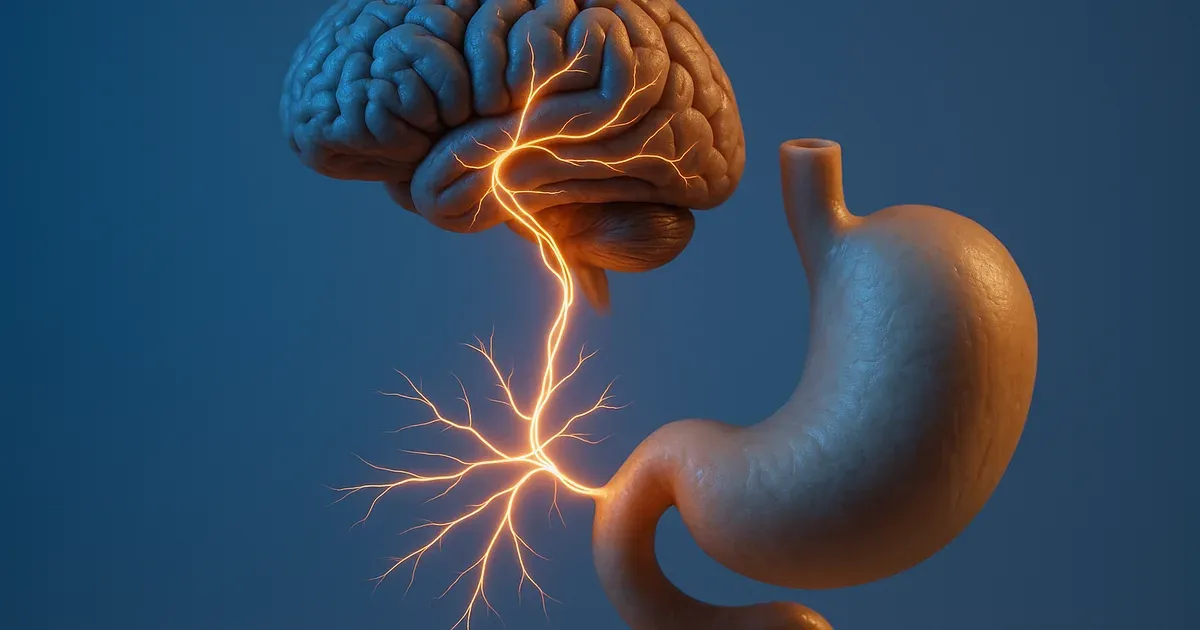
Your brain and gut are in constant conversation about how hungry you are, how full you feel, and how fast your body burns energy. Cravings aren't random — they're driven by hormonal signals that your conscious mind has limited control over. This gut-brain axis is central to understanding why "just eat less and move more" advice so often falls short.
Beyond calories, sustainable weight loss depends on diet quality. Adding whole fruits, vegetables, and fibre while cutting sugary drinks and trans fats supports both weight loss and long-term metabolic health. Regular moderate aerobic activity compounds those benefits.
Why Keeping Weight Off Is Harder Than Losing It
This is where the science of losing weight gets genuinely surprising. Most people who lose a significant amount of weight regain it within two to three years — and the reason isn't lack of effort or discipline.
Dr. Kindel points to a landmark study involving contestants from the reality television show The Biggest Loser. Researchers followed participants years after the competition ended and found something striking: even those who successfully maintained their weight loss had not returned to a normal metabolic rate. Their bodies had undergone a significant metabolic adaptation, burning fewer calories at rest than would be expected for their size.
What kept them from regaining the weight wasn't a reset metabolism — it was continuing the same diet and exercise habits they had used to lose the weight in the first place. The behaviours that got them there were the same behaviours keeping them there.
Dr. Kindel's clinical takeaway is direct: "Significant weight loss is not necessarily driven by just the cerebral cortex by willpower. There are a lot of signals at play. We can't necessarily control our metabolic rate, so the guiding principle I took away as a clinician from the study is that what gets you there keeps you there."
This also helps explain why cravings and hunger often intensify after weight loss — the body's hormonal signals are actively working to restore lost weight, making long-term maintenance a genuine physiological challenge, not a personal failure.

What Is Bariatric Surgery — and Is It Right for You?
Bariatric surgery is a proven medical intervention for patients who have not achieved sufficient weight loss through diet and lifestyle changes alone. It works by reducing the size of the stomach, limiting food intake, and — critically — altering the body's hunger and satiety signals.
Dr. Kindel outlines eligibility clearly: "You could be considered a candidate if your body mass index is 30–35 if you have an obesity-associated medical condition… If your body mass index is 35 or higher, there's a cardiovascular risk reduction, even if you haven't developed one of those medical problems yet, where we feel the risk of surgery is less than long-term untreated obesity."
The two most common procedures at Froedtert and MCW are:
- Sleeve Gastrectomy — removes a large portion of the stomach, creating a sleeve-shaped pouch that restricts food volume and reduces hunger hormones.
- Roux-en-Y Gastric Bypass — reroutes the digestive tract, creating a small stomach pouch and bypassing part of the small intestine, affecting both intake and nutrient absorption.
The right procedure depends on a patient's BMI, existing medical conditions, and personal preferences. Both alter the gut-brain signalling system, reducing hunger hormones and changing how quickly a person feels full.
Addressing barriers to care is also part of the programme. A survey by Froedtert and MCW's Medical Weight Loss and Bariatric Surgery Program found that 38% of bariatric patients — regardless of insurance status — experience food insecurity. In response, the programme introduced food insecurity screening for all patients and launched a protein shake food bank, allowing patients to donate and access the protein powders required for the mandatory pre-surgery two-week diet.
Practical Principles for Losing and Maintaining Weight
Whatever approach you choose, certain habits consistently support the science of losing weight. Dr. Kindel offers three evidence-backed principles that apply across all weight management strategies:
- Avoid drinking your calories. Juice, sugary coffee drinks, and alcohol contribute significant caloric load with little satiety benefit. Liquid calories largely bypass the fullness signals that solid food triggers.
- Track your diet and habits. Accountability is a proven tool. People who monitor their food intake are more likely to identify patterns — including cravings and emotional eating — and make adjustments before small slips become large ones.
- Combine aerobic activity with strength training. Cardio supports cardiovascular health and caloric burn. Strength training builds and preserves muscle mass, which is metabolically active tissue that helps sustain your resting metabolic rate over time.
The most successful weight loss plan is one you can actually sustain. Being realistic about your lifestyle, preferences, and available resources matters more than following a theoretically optimal programme you can't maintain.

The Bottom Line
The science of losing weight is more complex than a simple calories-in, calories-out equation. Your metabolic rate, hormones, gut-brain signalling, and even your zip code all play roles in how easy or difficult it is to lose weight and keep it off.
The key insights from the research are clear: metabolic adaptation is real, which means the habits that produce weight loss must be maintained to preserve it. Cravings and hunger signals are physiological, not moral failures. And for patients with significant obesity and related health conditions, bariatric surgery can produce life-changing outcomes that diet and exercise alone cannot reliably achieve.
Understanding the biology behind weight regulation doesn't make the journey easier overnight — but it does make it more navigable, and far less about blame.