The Science of Losing Weight: What Really Works
Discover the real science of losing weight — why metabolism, hormones, and biology make it hard, and what strategies including bariatric surgery actually work.


Nearly one-third of Wisconsinites are obese — and that statistic mirrors a national struggle millions of people face every day. You've tried the diets. You've tracked the calories. You've committed to the gym. And still, the weight comes back. The problem isn't your willpower. The problem is that most people don't understand the actual science of losing weight — and without that understanding, even the best intentions fall short.
Bariatric surgeon and researcher Dr. Tammy Kindel, MD, PhD, of Froedtert and the Medical College of Wisconsin (MCW), breaks down why weight loss is so biologically complex, why keeping it off is even harder, and what strategies — including bariatric surgery — can genuinely help people live healthier lives.

What Obesity Really Is — and Why It's So Dangerous
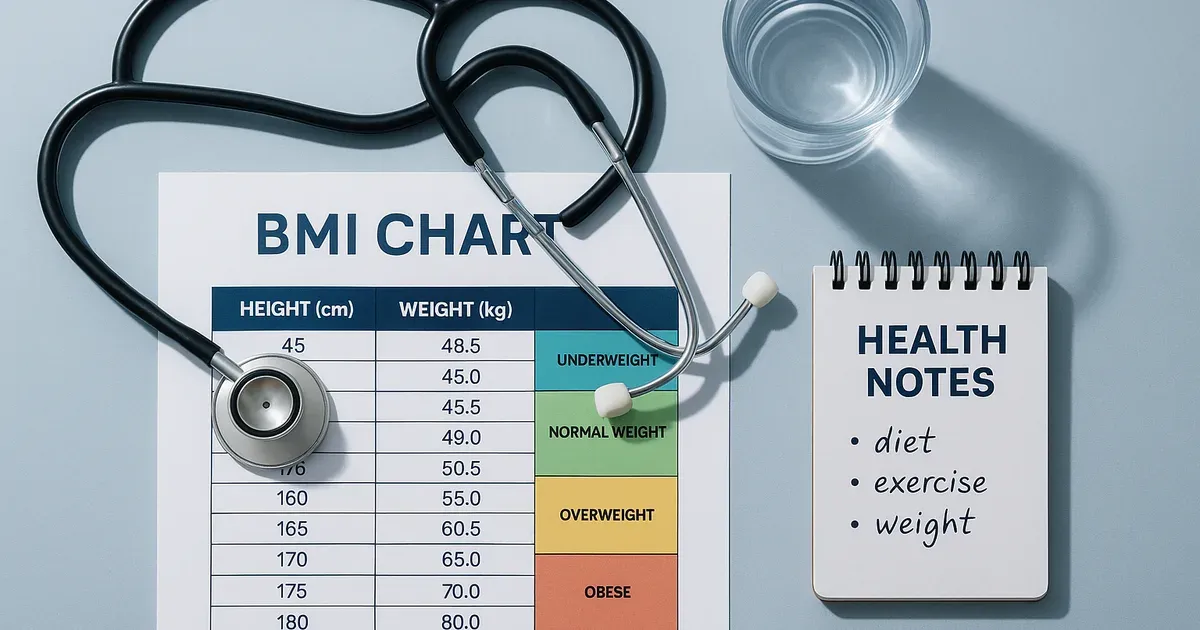
Obesity is not simply a lifestyle choice. In Wisconsin alone, 65% of residents are either overweight (BMI 25–30) or obese (BMI over 30). While consuming more calories than you burn is the basic mechanism, genetics, environmental factors, and socioeconomic conditions all play significant roles.
Certain populations carry a heavier burden. "Individuals who are growing up in areas with high community stress, low socioeconomic status, and not a lot of access to food resources and nutrition education are certainly more at risk," said Dr. Kindel. This means obesity is as much a public health and equity issue as it is a personal one.
The health consequences of untreated obesity are serious and wide-ranging. Carrying excess weight significantly raises the risk of:
- Type 2 diabetes
- Heart disease and stroke
- High blood pressure and high cholesterol
- Breast, colon, and endometrial cancers
- Sleep apnea and breathing problems
- Fatty liver disease and gallbladder disease
- Arthritis and chronic lower back pain
- Infertility
The encouraging news: according to the Centers for Disease Control and Prevention, reducing body weight by just 5 to 10% can meaningfully improve blood pressure, blood cholesterol, and blood sugar levels. Small changes create real, measurable health gains.
The Science of Losing Weight: It's More Than Calories In vs. Calories Out
The basic equation of weight loss is a calorie deficit — burning more energy than you consume. But reducing the science of losing weight to simple arithmetic misses critical biological complexity that determines whether your efforts succeed or fail.
Dr. Kindel explains it this way: "There are multiple mechanisms that control food intake through signals, in our brain and our periphery, that give us signs for hunger and satiety… Our body also regulates the burn (the output), and it does that through our metabolic rate and how it's controlled by hormones, medical conditions, and medications."
Your brain and gut are constantly communicating about how hungry you are, how full you feel, and how many calories your body decides to burn at rest. Hormones like ghrelin (the hunger hormone) and leptin (the satiety signal) are powerful biological forces — not abstract concepts. They actively fight against restriction.
This is why a balanced, sustainable approach matters more than aggressive calorie slashing. Prioritising whole fruits, vegetables, and lean proteins while reducing sugary drinks and trans fats — combined with regular moderate physical activity — creates conditions where the body can lose weight and sustain that loss over time.

Why Maintaining Weight Loss Is So Hard — The Metabolic Adaptation Problem
Losing weight is one challenge. Keeping it off is another entirely. Research shows that many people who lose a significant amount of weight regain it within two to three years. This isn't a failure of character — it's a documented biological phenomenon called metabolic adaptation.
Dr. Kindel referenced a landmark study involving contestants from the reality television show The Biggest Loser. Researchers tracked participants years after the competition and found something striking: contestants who maintained their weight loss had not returned to a normal metabolic rate. Their bodies were still burning calories at a reduced rate compared to people who had never lost that weight.
What kept them from regaining? They continued the same diet and exercise habits they used during the competition. The study suggests that the behaviours that produce weight loss must become permanent lifestyle features — not temporary interventions.
Dr. Kindel distilled the clinical takeaway: "Significant weight loss is not necessarily driven by just cerebral cortex by willpower. There are a lot of signals at play… what gets you there (in a diet) keeps you there."
This reframes the entire conversation around weight maintenance. It's not about finding the motivation to keep going — it's about building systems and habits that make the healthy behaviours your default, indefinitely.

What Is Bariatric Surgery and Who Should Consider It?
For some patients, lifestyle changes alone are not enough to overcome the biological forces driving obesity. Bariatric surgery offers a clinically proven pathway to long-term weight loss by physically altering the digestive system to reduce food intake and change hunger signalling.
The two most common procedures performed at Froedtert and MCW are:
- Sleeve Gastrectomy: Removes a large portion of the stomach, creating a sleeve-shaped pouch that holds significantly less food and reduces hunger hormone production.
- Roux-en-Y Gastric Bypass: Reroutes the digestive tract to a smaller stomach pouch, limiting food intake and altering how nutrients are absorbed.
Both procedures work by adjusting the body's signals around hunger, fullness, and food intake — directly targeting the biological mechanisms that make weight loss so difficult.
Eligibility for bariatric surgery is based on BMI and health status. Dr. Kindel outlined the criteria: "You could be considered a candidate if your body mass index is 30–35 if you have an obesity-associated medical condition… If your body mass index is 35 or higher, there's a cardiovascular risk reduction, even if you haven't developed one of those medical problems yet, where we feel the risk of surgery is less than long-term untreated obesity."
The right procedure depends on the individual's medical history, BMI, and personal preferences — and is determined in collaboration with the surgical team.
Making Bariatric Care Accessible: Addressing Food Insecurity
Bariatric surgery doesn't exist in a vacuum. The MCW Medical Weight Loss and Bariatric Surgery Program has taken concrete steps to ensure that socioeconomic barriers don't prevent patients from getting the care — and the results — they deserve.
A program survey found that 38% of bariatric surgery patients experience food insecurity, regardless of insurance status. In response, the program introduced food insecurity screening for all patients to ensure no one slips through the cracks.
Before surgery, patients must complete a two-week protein shake diet to shrink the liver and reduce surgical risk. Recognising that this requirement creates a financial barrier for many, the program launched a protein shake food bank — allowing patients to donate unused protein powders and take home what they need at no cost.
These initiatives reflect a broader truth: sustainable weight loss requires systemic support, not just individual effort.

Practical Weight Loss Principles That Actually Hold Up
The science of losing weight points toward a few consistent, evidence-backed principles that Dr. Kindel recommends regardless of which weight loss path you choose:
- Avoid drinking your calories. Juice, sugary coffee drinks, and alcohol add significant caloric load without triggering proper satiety signals. Eliminating liquid calories is one of the highest-leverage changes most people can make.
- Track your diet and habits. Accountability drives behaviour change. Logging what you eat — even imperfectly — increases awareness and helps identify patterns that undermine progress.
- Find aerobic activity you genuinely enjoy. Cardiovascular exercise supports heart health and caloric expenditure, but only if you'll actually do it consistently. Enjoyment is a prerequisite for sustainability.
- Add strength training. Muscle mass increases resting metabolic rate, which means your body burns more calories even at rest. Strength training is one of the most underused tools in long-term weight management.
- Be realistic about your lifestyle. The best weight loss plan is the one you can maintain. Extreme restriction and punishing exercise regimens produce short-term results and long-term rebound.
The Bottom Line: Weight Loss Is Biology, Not Willpower
The science of losing weight reveals something most diet culture ignores: your body has powerful, deeply ingrained systems designed to resist weight loss and defend stored fat. Hormones, metabolic rate, hunger signals, and socioeconomic factors all influence the outcome — often more than conscious choices do.
Understanding this doesn't mean giving up. It means approaching weight loss with the right tools: sustainable dietary changes, consistent physical activity, professional medical support when needed, and — for eligible patients — bariatric surgery as a legitimate, evidence-based intervention.
Weight loss is hard because biology is hard. But with the right framework, lasting change is achievable.