Smart Weight Loss Tips That Actually Work
Evidence-backed weight loss tips covering S.M.A.R.T. goals, whole foods, HIIT, protein, metabolism, and meal prep for lasting results.

Losing weight is rarely about willpower alone. The real barriers are vague goals, ultraprocessed convenience foods, a slowing metabolism, and habits that quietly work against you. These evidence-backed weight loss tips cut through the noise and give you a clear, actionable path forward.
Set S.M.A.R.T. Weight Loss Goals
Research consistently shows that the structure of your goals predicts whether you'll meet them. Vague intentions like "eat better" or "exercise more" fade fast. S.M.A.R.T. goals give your brain a concrete target to aim for.
Here's how each element works in practice:
- Specific: Instead of "eat more vegetables," commit to five servings of fruit and vegetables every day.
- Measurable: Log 10,000 steps per day on an activity tracker rather than guessing.
- Attainable: Start with three gym sessions a week, not seven. Consistency beats ambition.
- Realistic: Curb your soda habit by choosing sparkling water four out of five times — not cold turkey.
- Time-bound: Mark the start date of your new eating plan on your calendar to create accountability.
Applying this framework to every behaviour change — not just exercise — dramatically increases follow-through. Pick one habit at a time, define it using all five criteria, and build from there.
Cut Ultraprocessed Foods From Your Diet
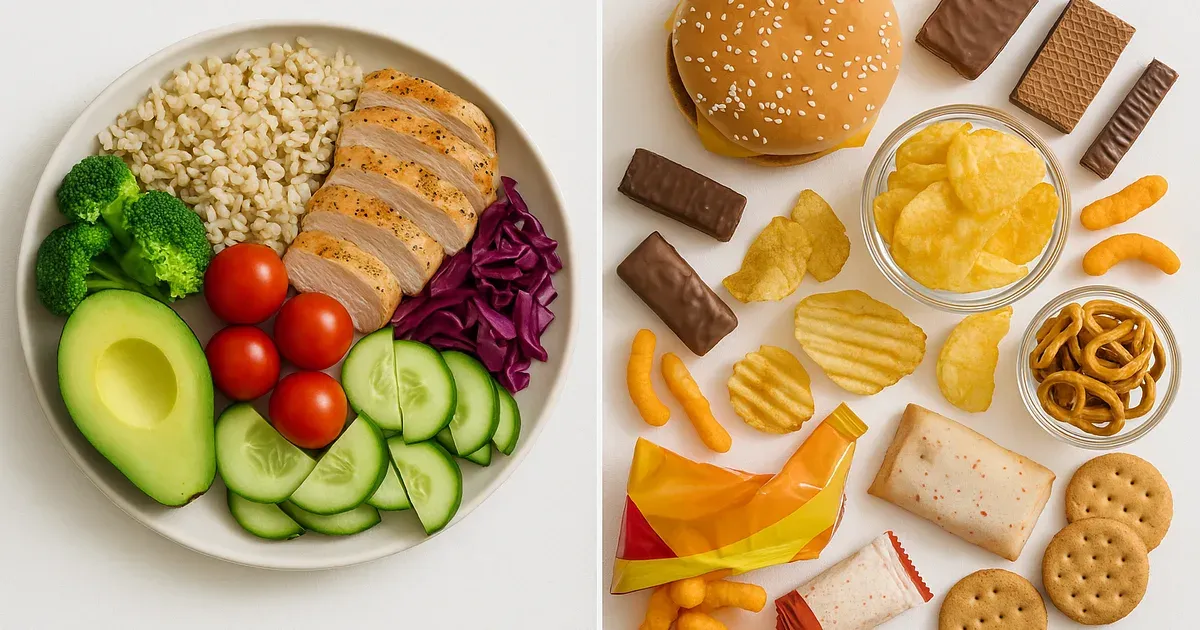
Cured meats, packaged baked goods, and snack aisle staples are engineered to be overeaten — and the data backs that up. In a controlled study, participants placed on an ultraprocessed diet consumed 500 more calories per day on average compared to when they ate whole, unprocessed foods — even though both diets offered the same calorie counts and macronutrient ratios.
The ultraprocessed group gained weight. The whole-food group lost it. Same calories on paper; very different outcomes in the body.
Applying a S.M.A.R.T. goal here works well: instead of swearing off all processed food overnight, commit to replacing one ultraprocessed meal per day with a whole-food alternative for the next two weeks.
Build an Exercise Routine You Can't Quit
Excuses are inevitable — the fix is removing them before they appear. Choose a gym close to home, schedule workouts as non-negotiable calendar appointments, and consider enlisting a workout partner or personal trainer for accountability.
High-intensity interval training (HIIT) is worth adding if you want a metabolic edge. Alternating between low- and high-intensity effort delivers a greater boost to metabolism than moderate-intensity cardio alone. Research suggests doing HIIT in the morning maximises the metabolism boost for the rest of the day.
Don't underestimate lower-intensity movement either. A study in the journal Nutrients found that slow walkers (around 3.5 mph) who were overweight initially lost more total body fat than faster walkers. All movement counts. Wear an accelerometer to track your actual daily activity — most people significantly overestimate how much they move.
Eat More Whole Grains and Protein
Whole grains such as oats, quinoa, and brown rice require more energy to digest than their refined counterparts. When study participants swapped refined white flour and rice for whole grains while keeping calories constant, they burned nearly 100 extra calories per day. Over weeks and months, that adds up.
Protein is equally important, especially as you age. Inadequate protein intake — not just low physical activity — contributes to muscle mass loss, which directly lowers your resting metabolic rate. High-quality sources include eggs, low-fat meats, and evidence-based nutritional supplements.
A 2020 study in The American Journal of Clinical Nutrition found that higher protein diets were associated with less muscle loss over three years in women aged 70–79. A separate study found that spreading protein evenly across three meals boosted muscle strength and metabolism in adults over 67.

Put Meal Prep on Autopilot
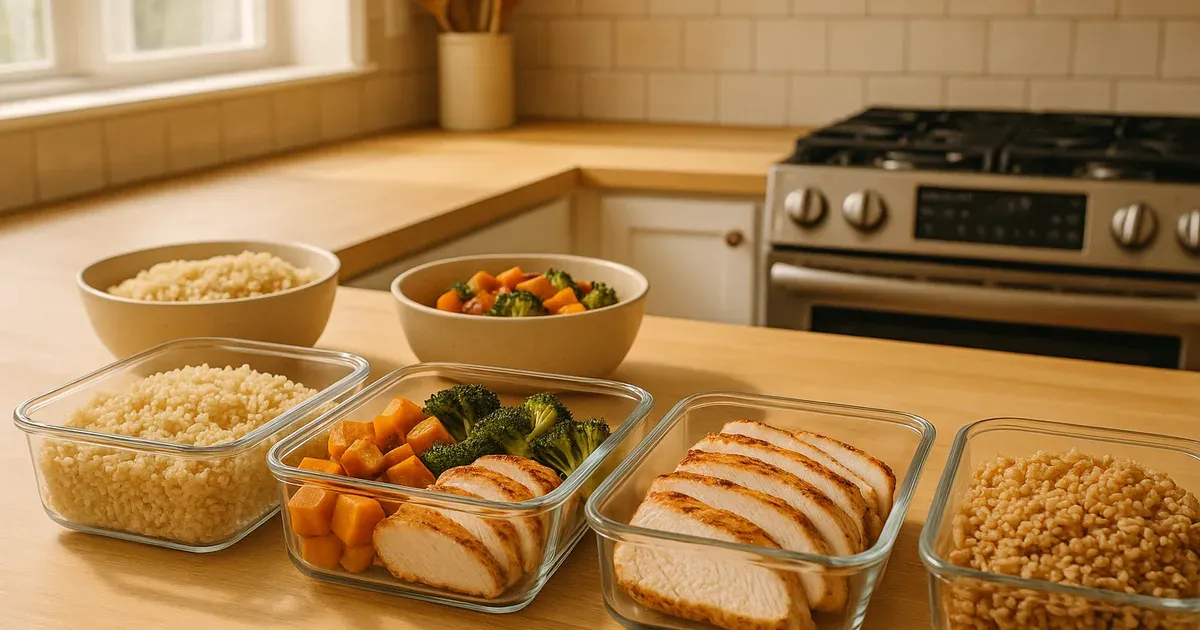
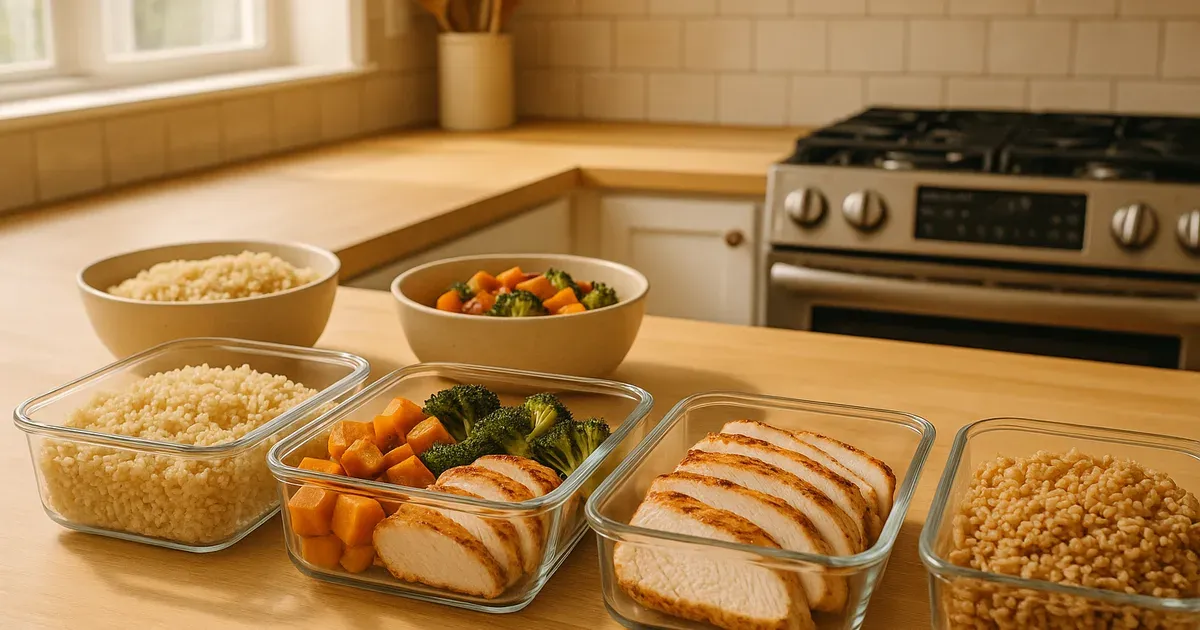
Advance meal preparation is one of the most underrated weight loss tips because it removes the daily decision of what to eat — which is often where healthy intentions collapse. Set aside a few hours on the weekend to batch-cook staples.
Useful items to prep in advance:
- Grains: Quinoa or brown rice stores well in the fridge for 4–5 days.
- Legumes: Cooked beans or lentils add protein and fibre to any meal.
- Vegetables: Roasted vegetables reheat quickly and pair with almost anything.
- Protein: Grilled chicken breasts can be sliced and used across multiple meals.
The goal is to make the healthy choice the easy choice. When a nutritious meal takes two minutes to assemble from the fridge, you're far less likely to reach for something ultraprocessed.
Understand Your Metabolism — and Protect It
Conventional wisdom says metabolism slows steadily with age. The reality is more nuanced. A 2021 study published in Science found that metabolism holds steady from ages 20 to 60 — provided muscle mass stays constant — then declines by approximately 0.7% per year after 60.
That fraction-of-a-percent annual decline compounds over time. More critically, if muscle mass decreases as you age and you don't adjust your eating or exercise habits, the metabolic gap widens and weight creeps up.
Protecting muscle mass through adequate protein intake and resistance exercise is the most direct lever you have over your resting metabolic rate. Sitting less is also meaningful — older adults spend 60–80% of waking hours sedentary, according to a study in the Journal of Geriatric Physical Therapy.

Rethink Alcohol and Eating Cues
Alcohol isn't just empty calories. Research shows that booze triggers hunger signals in the brain, leading to an increased urge to eat — often at the exact moment your inhibitions around food choices are lowest. One glass of wine at happy hour can set off a cascade that undermines an otherwise strong day of eating.
Eat until you're satisfied, not full. The Japanese concept of hara hachi bu — eating until you're 80% full — is practised in Okinawa, one of the world's Blue Zones with exceptional longevity. The Cleveland Clinic recommends this as a practical guide: aim to feel satisfied and no longer hungry, rather than stuffed.
These two habits — moderating alcohol and stopping at 80% full — are quiet but powerful weight loss tools that require no special equipment, no meal plan, and no gym membership.
The Bottom Line
Effective weight loss isn't a single intervention — it's the compounding effect of several well-chosen habits applied consistently. Set S.M.A.R.T. goals so your intentions are concrete. Remove ultraprocessed foods so your calorie intake isn't being quietly inflated. Protect your muscle mass through protein and resistance training. Move more throughout the day, not just during formal workouts.
Small, structured changes — backed by evidence and built into your environment through meal prep and accountability systems — outperform extreme diets every time. Start with two or three of these weight loss tips, apply the S.M.A.R.T. framework to each, and add more once the first habits are locked in.