7 Worst Mistakes Slowing Your Digestion After Eating
Discover 7 key mistakes slowing your digestion after eating — from skipping fermented foods to poor sleep — and how to fix them fast.

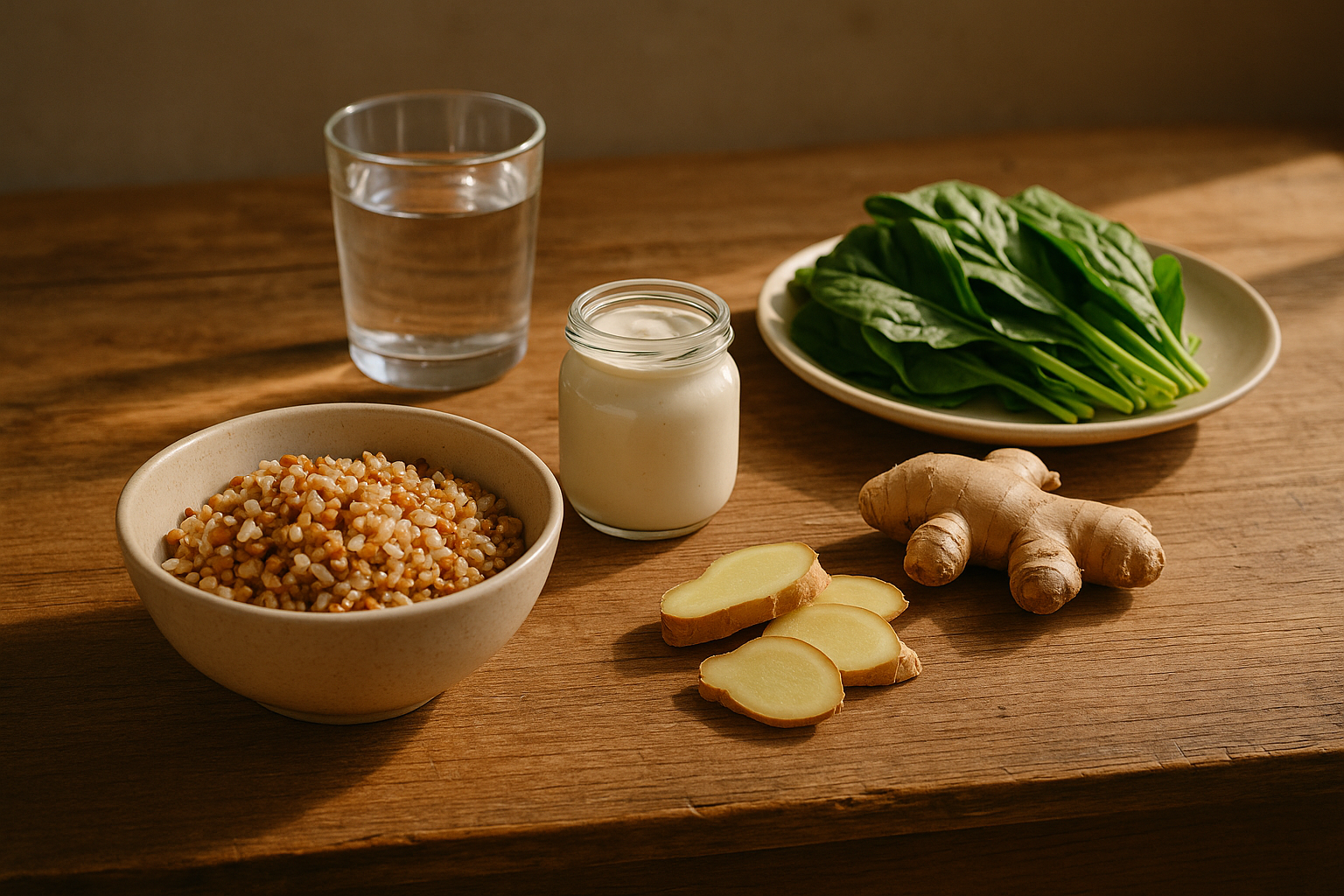
Bloating, gas, and that sluggish, heavy feeling after meals — most people accept these as normal. They are not. Your digestive system is a precision machine, and small, repeated mistakes can bring it grinding to a halt. If you have ever wondered how to speed up digestion after eating, the answer often starts with stopping what is quietly working against you. The fixes are simpler than you think — and the payoff reaches far beyond your gut.
Research from the American Gut Project, one of the largest citizen-science microbiome studies ever conducted, found that people who consumed more than 30 different plant and fermented foods per week had significantly more diverse gut microbiomes — a key marker of digestive resilience.
1. You Are Not Eating Enough Fiber — and Your Gut Bacteria Are Starving
Fiber is the single most important nutrient for keeping food moving through your digestive tract at a healthy pace. Without adequate fiber, transit time slows, stool hardens, and bloating builds. The target is at least 25 grams per day, yet most adults consume fewer than 15 grams. Whole grains like brown rice and quinoa, along with apples, bananas, and vegetables with skins such as potatoes and legumes, are your most reliable sources. Start by adding one fiber-rich food to each meal and build from there.
2. You Are Skipping Fermented Foods That Rebuild Your Gut Lining
Fermented foods are among the most powerful, and most overlooked, tools to speed up digestion after eating. Yogurt, kefir, kimchi, sauerkraut, miso, and kombucha all contain live bacteria and yeasts — probiotics — that replenish and diversify your gut microbiome. A 2021 Stanford University study published in Cell found that a diet high in fermented foods increased microbiome diversity and reduced inflammatory markers in just ten weeks. Add one serving of a fermented food daily — even a small pot of live-culture yogurt counts — and your digestive system will begin responding within days.
3. You Are Chronically Dehydrated and Do Not Realise It
Low fluid intake is one of the most direct causes of constipation and slowed digestion in both adults and children. Water softens stool, helps dissolve nutrients so they can be absorbed, and keeps the mucosal lining of the intestines functioning properly. The U.S. National Academies of Sciences, Engineering, and Medicine recommends 3.7 litres (15.5 cups) daily for men and 2.7 litres (11.5 cups) for women. A practical rule: drink a full glass of water 30 minutes before each meal and sip consistently throughout the day rather than gulping large amounts infrequently.
4. You Are Ignoring the Gut-Healing Power of Ginger and Leafy Greens
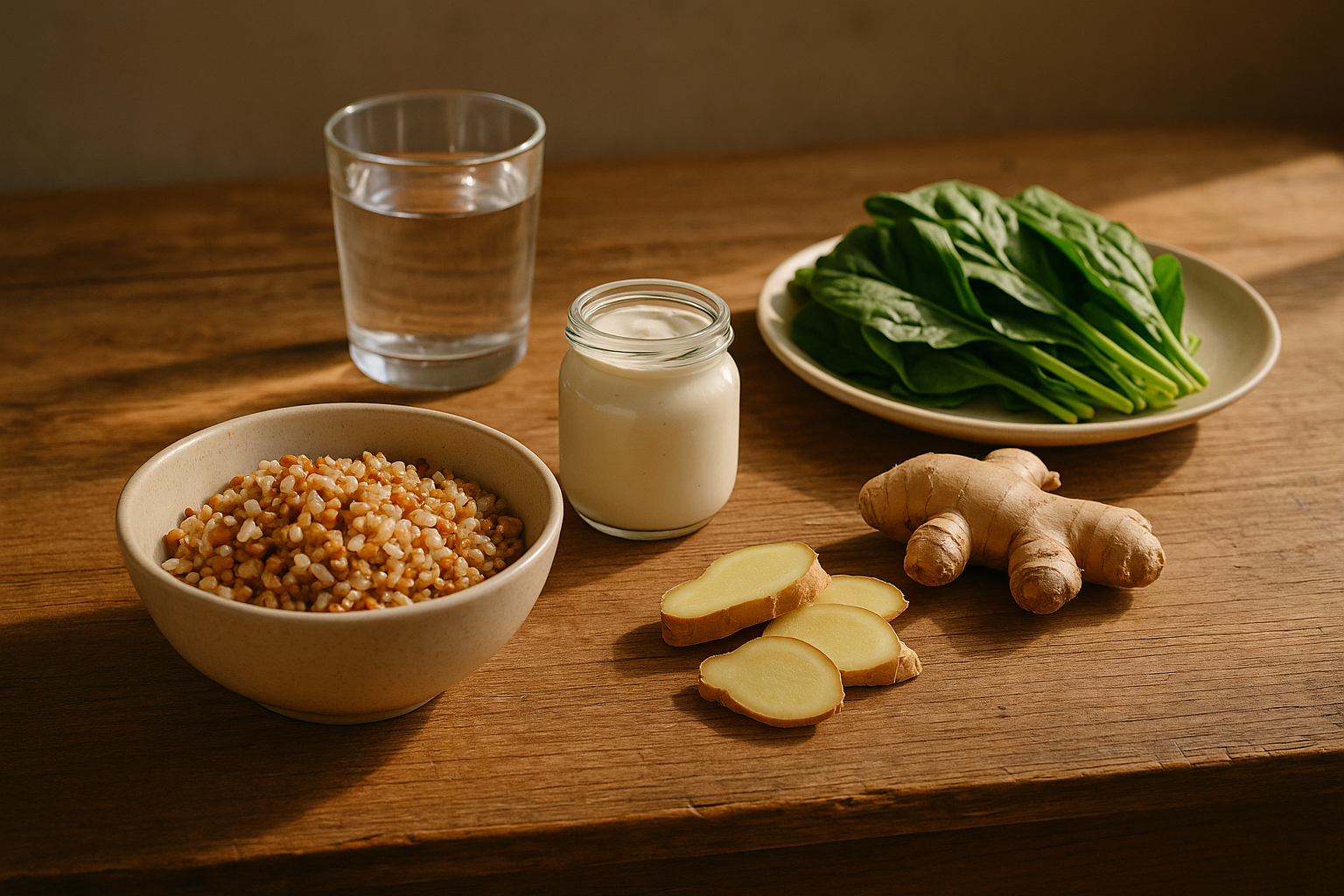
Certain whole foods work like natural digestive accelerators. Ginger — whether used as a dried powder in cooking or steeped fresh in tea — has well-documented anti-inflammatory properties that reduce bloating and ease gastric emptying. Leafy greens such as spinach, kale, and chard are packed with magnesium, a mineral that relaxes intestinal muscles and keeps bowel movements regular. Unsaturated fats found in olive oil also play a supporting role by stimulating bile production, which is essential for breaking down fats and absorbing fat-soluble vitamins. Rotate these foods into your weekly routine rather than eating the same meals on repeat.
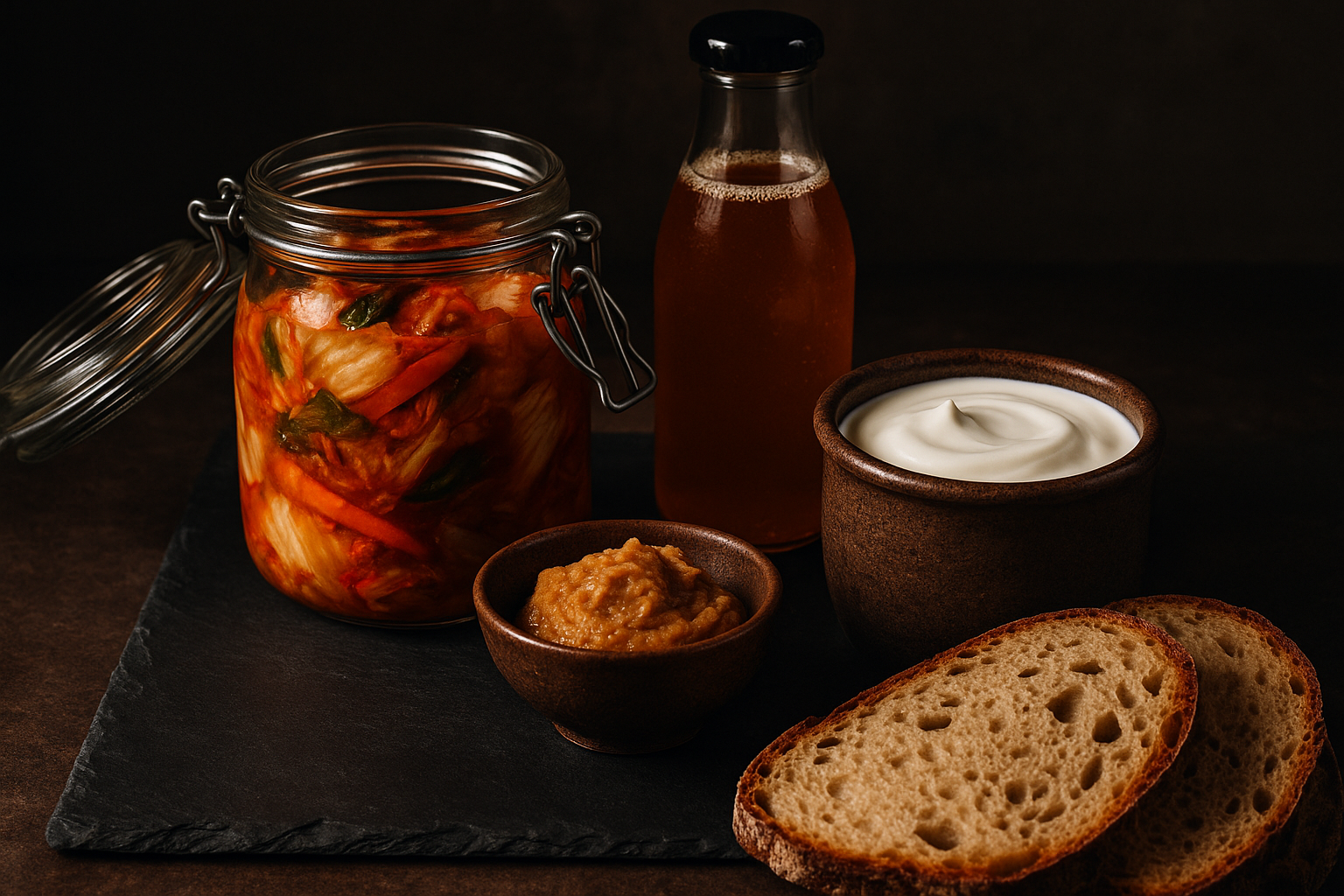
Gut health spotlight: A Stanford study found that eating fermented food daily for just 10 weeks measurably improved microbiome diversity — more than a high-fibre diet alone achieved over the same period.
5. You Are Sitting Still When Your Body Needs to Move
Exercise is a legitimate prescription for digestive health. Physical activity stimulates peristalsis — the wave-like muscle contractions that push food through your intestines. Even a 15-minute walk after eating has been shown to significantly reduce postprandial blood sugar spikes and speed intestinal transit time. You do not need a gym membership or a structured workout plan. A brisk post-meal walk, light cycling, or gentle yoga targeting the abdomen are all effective. The key is consistency: movement every day does more for your gut than an intense workout once a week.
6. You Are Underestimating How Much Stress Wrecks Your Gut
Chronic stress is a direct gut disruptor — and it works through a mechanism most people never consider. The gut-brain axis, a two-way communication network between your central nervous system and enteric nervous system, means that psychological stress can physically alter gut motility, increase intestinal permeability, and shift the composition of your microbiome. The result is a familiar cluster of symptoms: bloating, constipation, stomach cramps, and unpredictable bowel habits. Reducing stress through breathwork, mindfulness, or even 10 minutes of quiet daily walks can produce measurable improvements in gut function within weeks. Fermented foods also play a role here — emerging research links a diverse microbiome to reduced anxiety and better stress regulation.

7. You Are Sacrificing Sleep — and Your Gut Is Paying the Price
Poor sleep and poor digestion are locked in a vicious cycle. Research has linked insufficient sleep to increased risk of gastrointestinal diseases including irritable bowel syndrome (IBS), acid reflux, and inflammatory bowel conditions. Sleep is the window during which your gut repairs its mucosal lining, regulates gut hormones like ghrelin and leptin, and resets the circadian rhythms that govern digestive timing. Aim for 7–9 hours of consistent, quality sleep each night. Supporting your gut microbiome with fermented foods rich in tryptophan precursors — such as kefir and miso — may also improve sleep quality by boosting serotonin and melatonin production naturally.
The fastest way to speed up digestion after eating is not a single magic food or supplement — it is the combination of what you eat, how you move, how well you sleep, and how effectively you manage stress. Prioritise fiber, add fermented foods daily, stay hydrated, walk after meals, and protect your sleep. These seven levers, pulled together, can transform your digestive health and positively ripple into your immune function, mental clarity, and overall well-being.