Streptococcus mutans Vesicles Fuel Oral Cancer Growth
A new study finds Streptococcus mutans vesicles drive oral cancer progression via β-catenin signaling, linking the oral microbiome to OSCC.

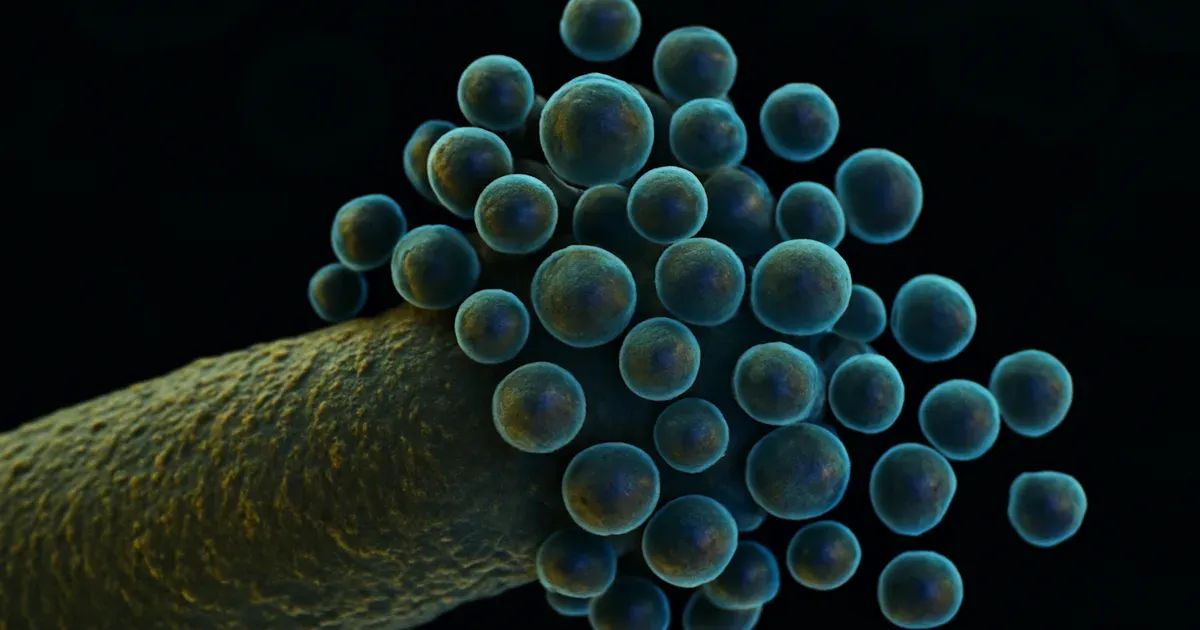
Bacterial extracellular vesicles released by Streptococcus mutans — the microbe best known for causing tooth decay — can drive the progression of oral squamous cell carcinoma (OSCC) through β-catenin signaling, according to a study published in Scientific Reports by Cao, Jiang, Li, and colleagues on April 17, 2026. The findings add a significant new dimension to how the oral microbiome may influence cancer development.
Why This Matters
The oral microbiome is a dense, dynamic ecosystem, and its relationship to systemic and local disease is an area of growing scientific attention. Researchers have long studied the gut microbiome's role in cancer and immune signalling, but the oral microbiome — which shares close anatomical and microbial ties with the gut — has received comparatively less focus in oncology. OSCC accounts for the vast majority of oral cancers and carries a five-year survival rate of roughly 50%, making new insights into its biological drivers urgently relevant, according to researchers in the field.
Bacterial Vesicles Activate a Key Cancer Pathway
The study found that extracellular vesicles shed by S. mutans activate β-catenin signaling in oral tissue, a pathway well established in the promotion of cell proliferation and tumour progression. Researchers report that this mechanism suggests bacteria in the oral microbiome are not passive bystanders but active contributors to the tumour microenvironment. The finding draws a direct mechanistic line between a common oral bacterium and oncogenic cellular behaviour, according to the study's authors.
Connecting Oral and Gut Microbiome Research
The implications extend beyond the mouth. Scientists increasingly recognise that the oral microbiome seeds the gut — bacteria swallowed daily from the oral cavity can colonise the gastrointestinal tract and alter gut microbial balance. Dysbiosis in the gut microbiome has itself been linked to colorectal and other cancers via β-catenin and related signalling cascades. The new research suggests that oral bacterial vesicles, capable of carrying molecular cargo across tissue barriers, may represent a previously underappreciated bridge between oral and gut microbiome-driven disease processes.
What This Means for Patients and Microbiome Science
For patients and clinicians, the research highlights oral hygiene as more than a dental concern — it positions the oral microbiome as a modifiable risk factor with potential implications for cancer prevention. For microbiome scientists, the study opens new questions about whether targeting S. mutans colonisation or its vesicle production could serve as a therapeutic strategy. Further research is needed to determine how these findings translate from laboratory models to clinical outcomes, the authors note.
A study from researchers including Cao, Jiang, and Li identifies a concrete molecular mechanism by which a common oral bacterium may accelerate oral cancer, reinforcing the broader scientific case that microbial communities — from mouth to gut — play active roles in human disease. The work underscores the importance of integrating oral microbiome research into the wider gut-brain and microbiome health conversation.