8 Surprising Things Weight Loss Does to Your Body
Discover 8 science-backed ways your body fights weight loss — from hormones and metabolism to genetics and emotional health.

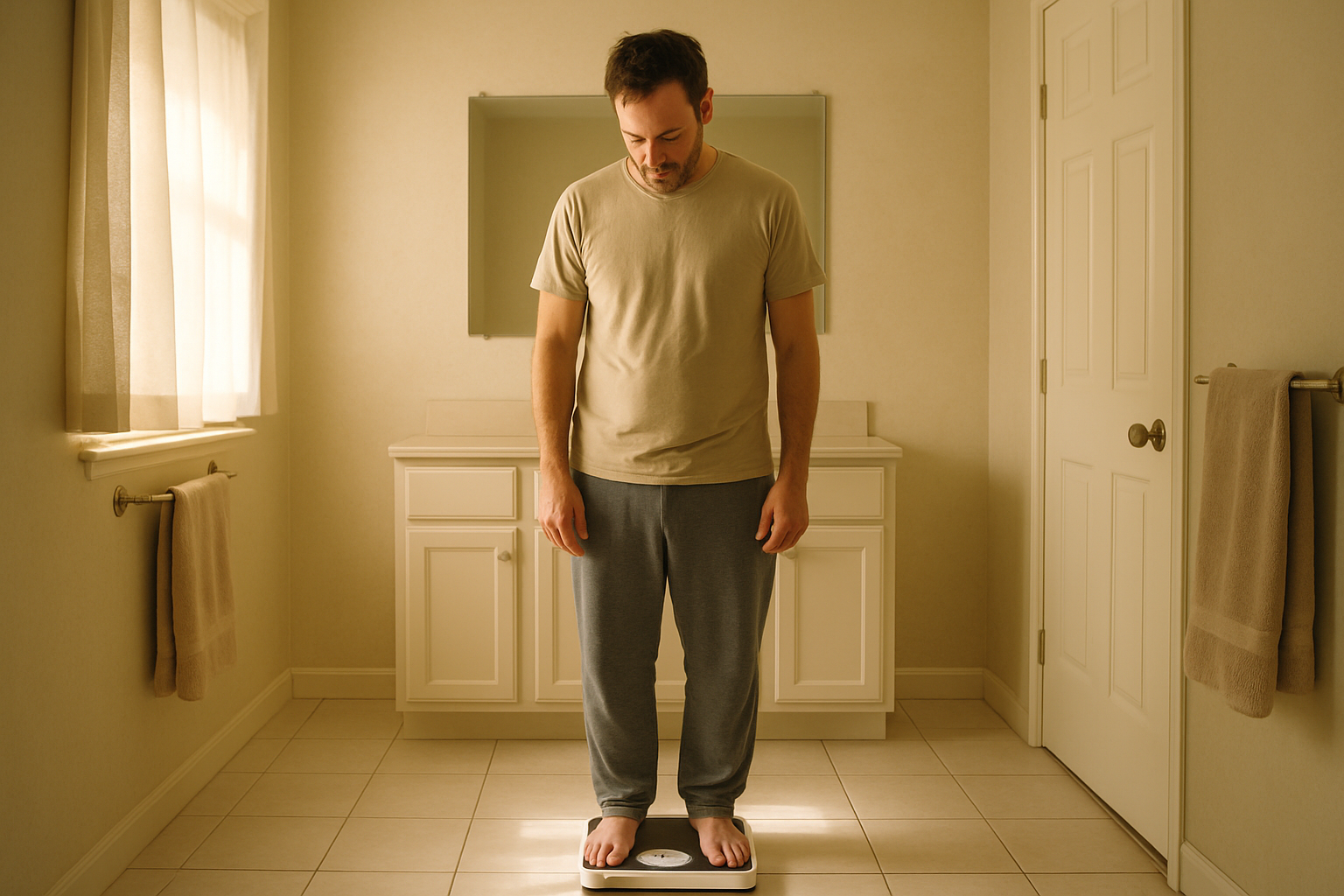
You cut calories. You hit the gym. The scale moves — then it stops, or worse, reverses. Weight loss is one of the most frustrating health goals precisely because your own body works against you, using hormones, metabolism, and even your brain to undo your progress. Understanding what is actually happening inside you can change everything about how you approach the journey. These eight facts could be the turning point you've been missing.
According to the CDC, 73.6% of U.S. adults are overweight or living with obesity — and research suggests that up to 90% of people who lose a significant amount of weight will eventually regain it.
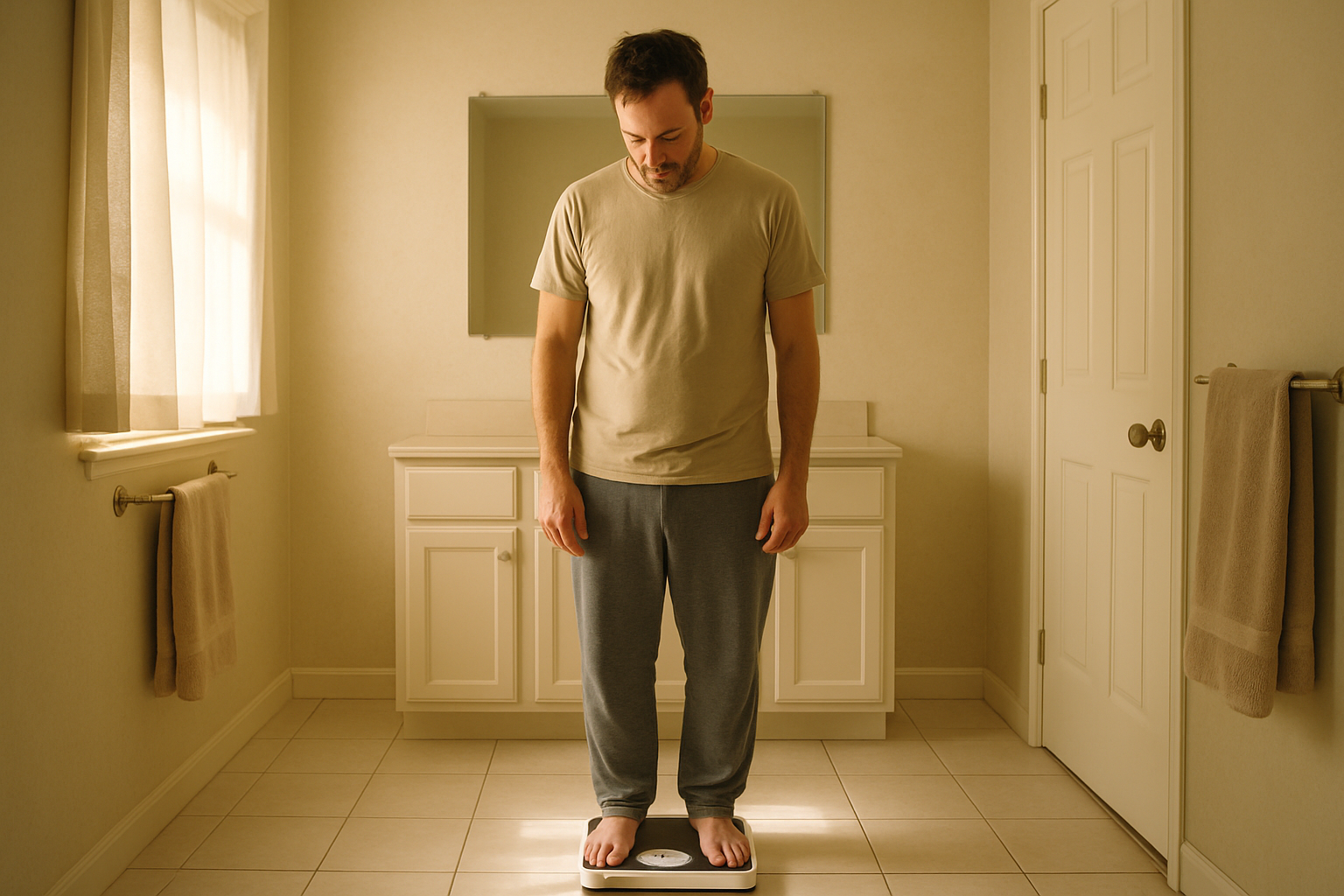
1. Your Metabolism Deliberately Slows Down to Store Fat
The harder you work to lose weight, the harder your body fights back. This phenomenon is called metabolic compensation — your metabolism intentionally downshifts to preserve stored fat as a survival mechanism. Human bodies evolved to interpret a calorie deficit as a sign of famine or distress, not a fitness goal. Actionable takeaway: Avoid extreme calorie restriction; gradual, moderate deficits are less likely to trigger a sharp metabolic slowdown.
2. Your Hormones Hijack Your Hunger Signals
Two powerful hormones — leptin and ghrelin — turn against your weight loss goals as soon as fat cells shrink. Leptin, produced by fat cells, signals fullness to your brain; when those cells shrink, leptin drops and you feel hungry sooner. At the same time, ghrelin — the stomach's "refuel" hormone — rises during weight loss, amplifying cravings and making the urge to eat feel urgent and constant. Actionable takeaway: Eating high-protein meals helps blunt ghrelin spikes and keeps you feeling satisfied longer between meals.
3. Weight Loss Actually Changes How Your Brain Works
The region of your brain responsible for food restraint becomes less active when you lose weight. This means that at the exact moment your hormones are driving you to eat more, your brain's ability to apply the brakes is also reduced. You eat more to feel full, and you're simultaneously less aware of how much you're consuming. Actionable takeaway: Pre-planning meals and using portion-controlled containers can act as external guardrails when your brain's internal restraint system is running low.
4. Your Genes May Be Working Against You
More than 400 genes have been linked to obesity and weight gain, influencing everything from appetite and metabolism to cravings and how your body distributes fat. Some genetic variants are specifically associated with difficulty losing weight even with increased physical activity or a low-calorie diet. If you have a family history of obesity, a proactive, preventive approach to weight management is significantly more effective than trying to reverse weight gain after it occurs. Actionable takeaway: A genetic predisposition is not a life sentence — it is a signal to act earlier and with more support.

5. Your Body Remembers Every Previous Diet
If you have lost weight before and regained it, your second attempt will be harder — your body has already learned the playbook. Hormones and metabolism adapt after the first round of weight loss to prevent what they interpret as damage, meaning the same exercise or dietary strategies that worked previously yield fewer results the next time. This adaptation is well-documented and is one reason yo-yo dieting becomes progressively less effective. Actionable takeaway: Varying your approach — such as starting with cardio before transitioning to resistance training — may help override some of your body's learned adaptations.
"Committing fully to the behavioral and lifestyle changes required is essential for long-term weight loss success." — Matthew R. Pittman, MD, Director of Bariatric Surgery, Northwestern Medicine Regional Medical Group
6. Your Body Has a Weight It Prefers to Stay At
Scientists call it a "set point" — a weight your metabolism, hormones, and brain conspire to maintain. This set point is shaped by genetics, aging, hormonal changes, and your history of weight loss. Critically, the theory suggests that your set point can drift upward over time but rarely decreases on its own. This is why maintaining a lower weight after weight loss requires ongoing, active effort rather than a return to old habits. Actionable takeaway: Working with a lifestyle medicine professional can help you develop the long-term strategies needed to sustain a new, lower set point.
7. Your Body After Weight Loss May Look Different Than You Imagined
Significant weight loss almost always produces physical changes that people don't anticipate. Loose skin, stretch marks, and uneven fat loss in different areas of the body are common outcomes, and many people are unprepared for the emotional response these changes trigger. Body image dissatisfaction can persist even after successful weight loss, making psychological support as important as nutritional or exercise guidance. Actionable takeaway: Setting expectations around body composition early — and seeking support from a counselor or community group — can help you navigate this adjustment.

8. Your Emotional Health Is Separate From the Number on the Scale
One of the most overlooked risks of a weight loss journey is what happens emotionally after you reach your goal. Many people attach happiness and life satisfaction to losing weight, and when those feelings don't materialise automatically, guilt and disappointment can fuel a cycle of emotional eating and weight regain. Cravings in this context are often emotionally driven, not physiological — and are just as real and powerful as hormone-triggered hunger. Actionable takeaway: Focus on small, achievable lifestyle milestones — like feeling comfortable joining a fitness class or playing a sport — rather than tying your emotional wellbeing exclusively to a target weight.
Weight loss is genuinely complex, shaped by your metabolism, hormones, genes, brain chemistry, and emotional landscape all at once. The 90% regain statistic is not a reflection of weak willpower — it is evidence of how powerfully the body resists change. Setting realistic expectations, building sustainable habits, and working with qualified professionals — including a lifestyle medicine specialist or nutritionist — gives you the best chance of lasting success. Small, consistent steps beat short-term extremes every time.