Tryptophan Pathway Shapes Gut-Brain Mental Health
Masdiag analysis reveals how tryptophan's metabolic split between serotonin and kynurenine pathways is regulated by the gut microbiome, shaping mental health an

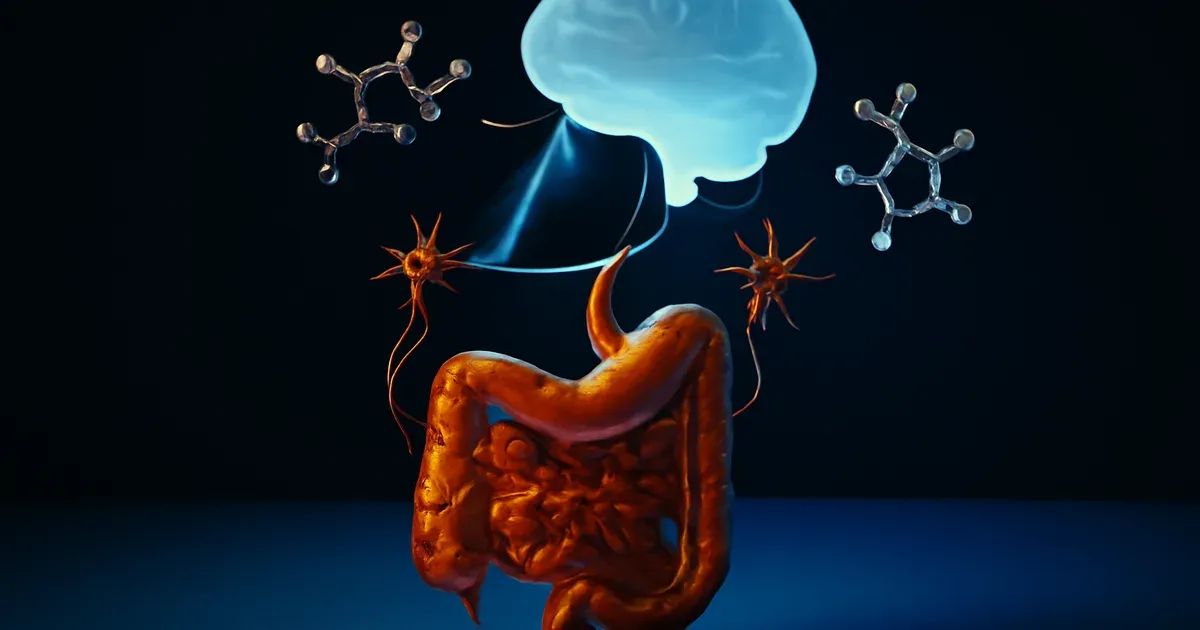
New clinical analysis published by Masdiag.com highlights how tryptophan metabolism sits at the intersection of gut-brain signalling, serotonin production, and systemic inflammation — with direct implications for the treatment of depression, autoimmune disease, and mental health disorders. The report, published 2 April 2026, details the competing metabolic pathways that determine whether tryptophan supports mood or fuels inflammatory disease.
Why This Matters
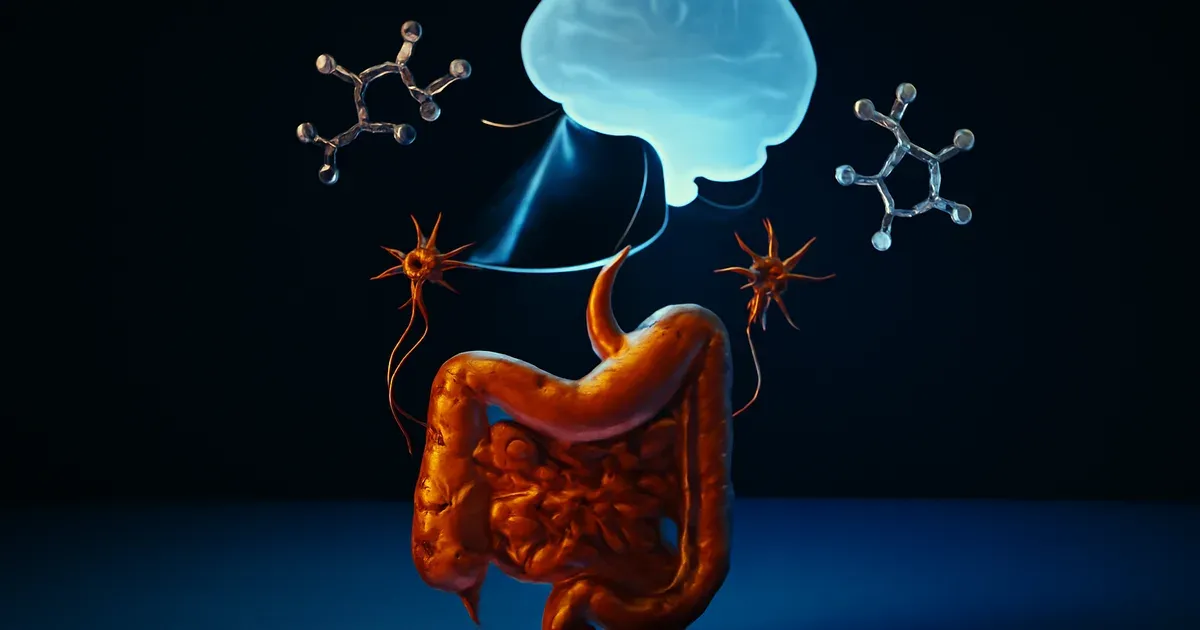
Tryptophan is an essential amino acid, and according to Masdiag, only roughly 5% of dietary tryptophan is converted into serotonin — the neurotransmitter closely associated with mood regulation and gut motility. The vast majority is instead funnelled into the kynurenine pathway, which produces metabolites with wide-ranging effects on immunity and neurological function. Critically, the gut microbiome plays a central regulatory role in this split, influencing which pathway dominates and therefore shaping both mental health outcomes and inflammatory responses throughout the body.
The Kynurenine-Serotonin Split Explained
Per the Masdiag report, the serotonin route relies on tryptophan hydroxylase and aromatic amino acid decarboxylase — enzymes whose activity is significantly modulated by gut bacterial populations. The kynurenine pathway, by contrast, is activated under conditions of chronic inflammation and immune stress, diverting tryptophan away from serotonin synthesis. Researchers note this diversion has been associated with depressive symptoms, neuroinflammation, and disrupted gut-brain communication. The balance between these two pathways is now considered a meaningful clinical marker, according to the source.
What This Means for Gut-Brain Health
For clinicians and patients focused on gut-brain health, the Masdiag analysis suggests that microbiome composition is not simply a digestive concern — it is a direct upstream regulator of mood chemistry. Disruptions to the gut microbiome, through diet, antibiotics, or chronic stress, may tip tryptophan metabolism toward pro-inflammatory kynurenine metabolites. This emerging understanding positions gut health interventions — including dietary tryptophan optimisation and microbiome support — as potentially meaningful adjuncts in managing depression and autoimmune conditions, per the report.
The Masdiag report reinforces a growing body of evidence that the gut-brain axis is a viable therapeutic target. By understanding how tryptophan metabolism is governed by gut microbial activity and inflammatory signals, clinicians may gain a more precise framework for addressing both mood disorders and inflammatory disease through integrated gut-brain strategies.