Tummy-Friendly Diet: Your Biggest Questions Answered
Discover practical, evidence-based answers to the most common questions about eating a tummy-friendly diet for better gut health and digestion.

Figuring out what to eat when your gut is playing up can feel overwhelming. Between conflicting advice on fibre, probiotics, spicy food, and fermented foods, it is easy to make choices that make things worse rather than better. Whether you are dealing with constipation, heartburn, bloating, or irritable bowel syndrome (IBS), this guide cuts through the noise and answers the questions people actually search for — clearly, practically, and without jargon.
Jump to Your Question
- How much fibre do I need for a healthy gut?
- What should I drink to help my digestion?
- Does eating fatty food really cause stomach problems?
- Can spicy food trigger heartburn or IBS?
- Which foods are common gut symptom triggers?
- Are probiotics and fermented foods actually good for digestion?
- Is caffeine bad for your gut?
- What does a tummy-friendly daily diet actually look like?
How much fibre do I need for a healthy gut?
Adults need 30g of fibre per day for good digestive health, yet most people in the UK fall well short of this target. Fibre keeps food moving efficiently through the digestive system, softens stools, and helps prevent constipation.
Getting enough fibre means eating from a variety of sources, not just one or two foods. A diverse fibre intake also feeds the wide range of beneficial bacteria living in your gut.
Good sources of dietary fibre include:
- Wholemeal bread and brown rice — simple swaps from their white equivalents
- Fruit and vegetables — aim to vary the types you eat throughout the week
- Beans and legumes — chickpeas, lentils, and kidney beans are especially fibre-dense
- Oats — a soluble fibre source that is also gentle on the stomach
Some people find that cereals and grains trigger bloating or IBS symptoms. If that applies to you, prioritise fruit and vegetables as your main fibre sources rather than cutting fibre out altogether. Removing fibre entirely tends to make constipation significantly worse.
What should I drink to help my digestion?
Water is the single most important drink for healthy digestion, and most adults need around six to eight glasses a day. Fluid allows fibre to do its job properly — without adequate water intake, fibre absorbs what little moisture exists in the gut and can actually worsen constipation rather than relieve it.
A simple habit that works well for many people is drinking a full glass of water with every meal. This supports digestion and makes it easier to hit your daily fluid target without having to think about it too much.
Beyond water, herbal teas and milk are both good, gut-friendly choices. They are non-carbonated and caffeine-free, which matters because fizzy drinks can cause bloating and caffeinated drinks can boost stomach acid, triggering heartburn in susceptible people.

Avoid relying on fruit juices and smoothies as your primary fluid source. While they do count towards hydration, their acidity can trigger heartburn, and they lack the fibre present in whole fruit.
Does eating fatty food really cause stomach problems?
Yes — fatty and greasy foods are significantly harder for the stomach to digest, and they commonly cause stomach pain, bloating, and heartburn. Foods like chips, burgers, and deep-fried items place extra demand on the digestive system and slow down gastric emptying.
The good news is that relatively small dietary changes can reduce these effects considerably. Grilling or baking instead of frying, switching to leaner cuts of meat, and choosing skimmed or semi-skimmed milk over full-fat versions all help reduce the digestive burden.
Fish is an excellent alternative to fattier meats. It is typically lower in saturated fat, easier to digest, and provides omega-3 fatty acids that may support gut health. Oily fish like salmon and mackerel are particularly nutritious choices.
| Food Type | Digestive Impact | Better Alternative |
|---|---|---|
| Deep-fried chips | High — slows digestion, triggers heartburn | Baked potato wedges |
| Fatty burgers | High — heavy fat load on stomach | Grilled lean beef or turkey burger |
| Full-fat cream sauces | Moderate-high — rich, hard to break down | Tomato-based or yoghurt-based sauces |
| Fried eggs | Moderate | Poached or boiled eggs |
Can spicy food trigger heartburn or IBS?
Spicy food triggers digestive discomfort in some people but not others, and the threshold varies enormously between individuals. If you regularly experience heartburn, stomach pain, or diarrhoea after eating spicy meals, reducing your intake is a straightforward step that often brings quick relief.
It is not only fiery chillies that cause problems. Milder flavourful ingredients — garlic and onion in particular — are common IBS triggers and can cause heartburn in people who are sensitive to them. This surprises many people who assume they only need to avoid obviously hot foods.
If you already have an existing condition like heartburn or IBS, it is worth avoiding problematic spices entirely rather than just cutting back. For everyone else, moderation and observation are the best approach: pay attention to how your body responds and adjust accordingly.
Keeping a food diary is one of the most effective practical tools for identifying your personal spice threshold and pinpointing exactly which ingredients cause problems.

Which foods are common gut symptom triggers?
Several specific foods and drinks are well-established digestive triggers, and identifying your personal set of problem foods is key to managing gut symptoms long-term. What triggers symptoms in one person may be completely fine for another, which is why individual tracking matters.
Common trigger categories include:
- Acidic foods — tomatoes, citrus fruits, vinegar-based salad dressings, and fizzy drinks frequently cause heartburn
- Wheat and onions — both are associated with IBS symptoms including bloating and cramping
- Dairy products — people with lactose intolerance will experience wind and diarrhoea after consuming milk, cheese, yoghurt, cream, and chocolate
- Caffeine — boosts stomach acid and can worsen heartburn
- Carbonated drinks — the gas introduced directly into the stomach promotes bloating
Lactose intolerance is more common than many people realise. If you regularly feel unwell after dairy, speak to your GP about testing, as it is a manageable condition once diagnosed.
A food and symptom diary kept for two to four weeks gives you clear, personalised data. Note what you eat, when symptoms appear, and how severe they are. Patterns usually emerge within a few weeks.
Are probiotics and fermented foods actually good for digestion?
Probiotics — live beneficial bacteria — have genuine evidence supporting their use for certain digestive conditions, particularly IBS, though the strength of that evidence varies depending on the specific claim being made. They are not a cure-all, but for many people they provide meaningful symptom relief.
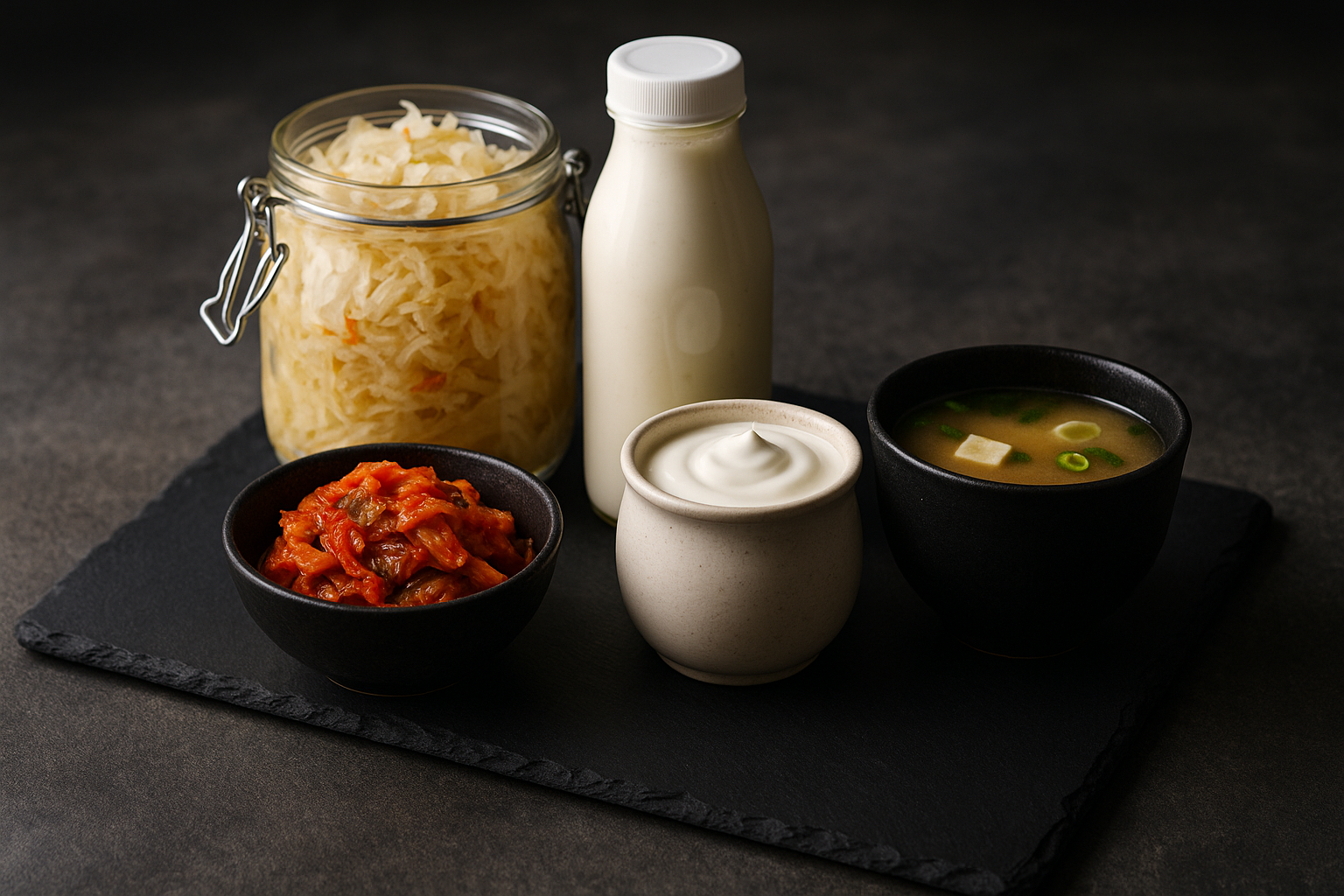
Fermented foods are a natural and accessible way to increase your intake of live bacteria without relying on supplements. Foods like live yoghurt, kefir, sauerkraut, kimchi, miso, and kombucha all contain active cultures that can contribute to a more diverse and balanced gut microbiome.
The growing interest in fermented food is well-founded: research consistently links greater gut microbiome diversity with better digestive health, stronger immune function, and even improved mood. Adding one or two fermented foods to your daily diet is a low-risk, practical step.
If you prefer supplements, look for products with clearly stated bacterial strains and colony counts. Take them every day for at least four weeks before judging whether they are working. People with weakened immune systems or existing health conditions should speak to a doctor before starting probiotic supplements.
Is caffeine bad for your gut?
Caffeine stimulates the production of stomach acid, which makes it a genuine concern for anyone prone to heartburn or acid reflux. Coffee, cola, tea, and many energy drinks all contain caffeine and can worsen symptoms if consumed in large quantities.
Carbonated caffeinated drinks are a double problem for the gut: the caffeine raises acid levels while the carbonation adds gas and promotes bloating. Switching away from these drinks is one of the faster ways to reduce digestive discomfort.
If giving up coffee entirely feels unrealistic, limiting intake to one or two cups a day is a sensible compromise for most people. Drinking coffee with food rather than on an empty stomach also reduces its irritant effect on the stomach lining.
Herbal teas such as peppermint, ginger, and chamomile are popular caffeine-free alternatives that many people find actively soothing for digestion. Plain water remains the gold standard for gut-friendly hydration.
What does a tummy-friendly daily diet actually look like?
A tummy-friendly diet is built around fibre-rich whole foods, adequate hydration, lean proteins, and minimal processed or fried foods. It does not have to be complicated or restrictive — small, consistent changes make a significant cumulative difference.
A practical daily framework might look like this:
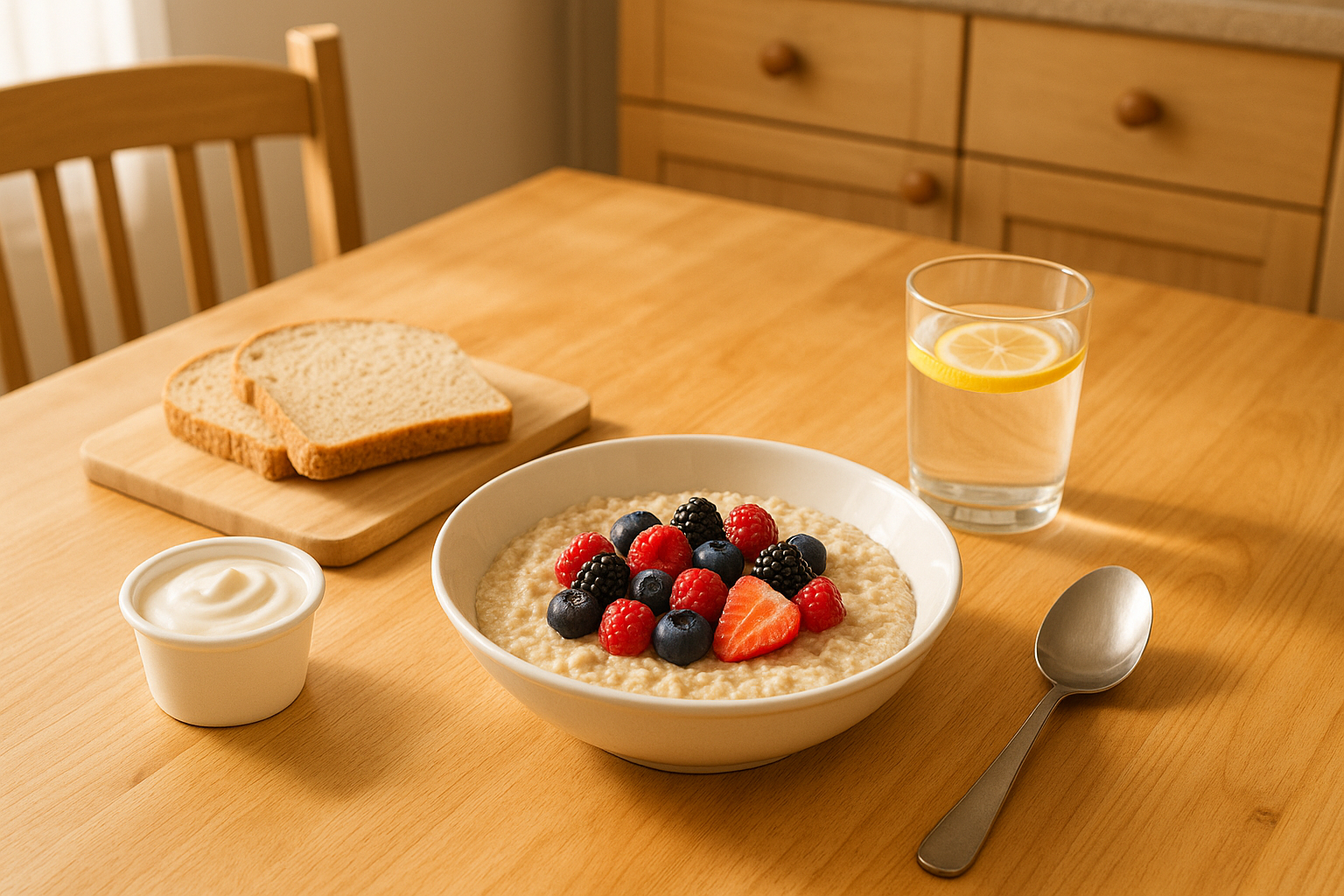
- Breakfast: Porridge made with oats and topped with fruit — hits fibre and probiotic goals if made with live yoghurt
- Mid-morning: A glass of water and a small handful of nuts or a piece of fruit
- Lunch: Brown rice or wholemeal bread with grilled chicken or fish and plenty of vegetables
- Afternoon: Herbal tea and a fermented food such as a small portion of kefir or live yoghurt
- Dinner: Lean protein, plenty of vegetables, beans or legumes for additional fibre
- Throughout the day: Six to eight glasses of water; limit caffeine to one or two cups
Eating slowly and chewing food thoroughly also supports digestion significantly — it reduces the volume of air swallowed and allows digestive enzymes in saliva to begin breaking down food before it reaches the stomach.
Consistency matters more than perfection. A tummy-friendly diet is not about eliminating every possible trigger forever. It is about understanding your individual gut, building good baseline habits, and making informed adjustments when symptoms flare.
The Bottom Line
- Aim for 30g of fibre per day from varied sources including fruit, vegetables, beans, oats, and wholegrains — switch to fruit and vegetables if grains aggravate your symptoms
- Stay well hydrated, especially with plain water; fibre cannot work properly without adequate fluid intake
- Reduce fatty, fried, and spicy foods if you experience heartburn or stomach pain, and identify your personal trigger foods using a food diary
- Caffeine and fizzy drinks increase stomach acid and bloating — herbal teas and water are better daily choices
- Probiotics and fermented foods such as live yoghurt, kefir, and kimchi can support gut health, particularly for IBS — give them at least four weeks to show results