Vitamin D May Calm IBD's Misdirected Gut Immune Response
New research finds vitamin D may reduce pro-inflammatory immune cells and antibodies in IBD patients, helping rebalance gut immune responses.

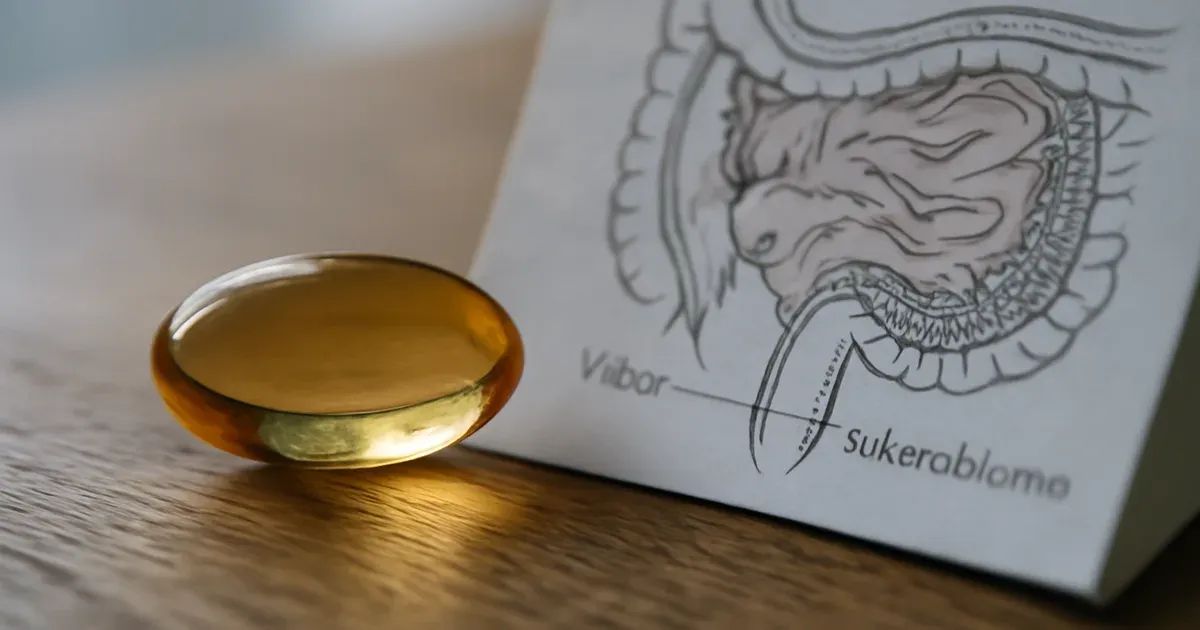
New research suggests that vitamin D supplementation may help rebalance a misfiring immune response in people with Inflammatory Bowel Disease (IBD), according to findings reported by Naturalnews.com. The study indicates vitamin D can reduce pro-inflammatory immune cells and antibodies directed at gut bacteria — a key driver of the chronic intestinal inflammation that defines IBD. The findings add to growing evidence linking vitamin D status to gut microbiome health.
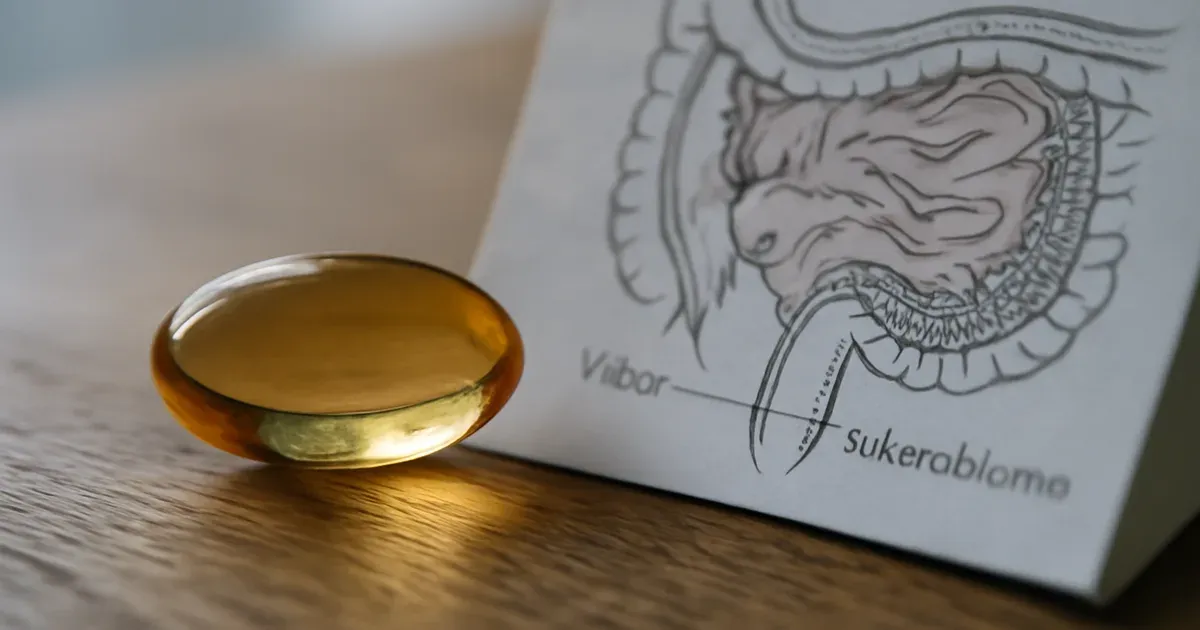
Why This Matters for Gut and Microbiome Health
IBD, which includes Crohn's disease and ulcerative colitis, affects millions of people worldwide and is characterised by the immune system attacking the gut's own microbial environment. Researchers have increasingly recognised that the gut microbiome — the vast community of bacteria residing in the intestinal tract — plays a central role in regulating immune tolerance. When that balance breaks down, chronic inflammation follows. Per Naturalnews.com, vitamin D appears to act as a moderating signal within this gut-immune-microbiome axis.
Reduced Inflammation Markers Linked to Vitamin D
Studies indicate vitamin D supplementation can lower both pro-inflammatory immune cells and the antibodies the immune system mistakenly produces against gut bacteria in IBD patients. According to researchers cited by Naturalnews.com, vitamin D also appears to boost components of the immune system associated with tolerance and restraint, rather than attack. This dual action — dampening aggression while supporting regulatory pathways — positions vitamin D as a potentially meaningful adjunct in managing gut immune dysregulation.
What This Means for People with IBD and Gut Conditions
For individuals living with IBD or related gut conditions, these findings highlight the potential relevance of vitamin D status as part of a broader gut health strategy. According to the source, the research supports further investigation into vitamin D as a complementary approach alongside existing IBD treatments. Patients are advised to consult healthcare providers before making any supplementation changes, as optimal dosing and individual responses vary.
The emerging picture from this research positions vitamin D not merely as a bone-health nutrient but as a genuine participant in gut-immune-microbiome communication. As scientists continue to map the connections between microbiome balance and systemic immunity, per Naturalnews.com, vitamin D's role in calming a misdirected immune system warrants serious clinical attention.