7 Surprising Truths About Water and Digestion
Does drinking water hurt digestion or help appetite? 7 evidence-based truths from Mayo Clinic research, covering hydration, gut health, and weight.

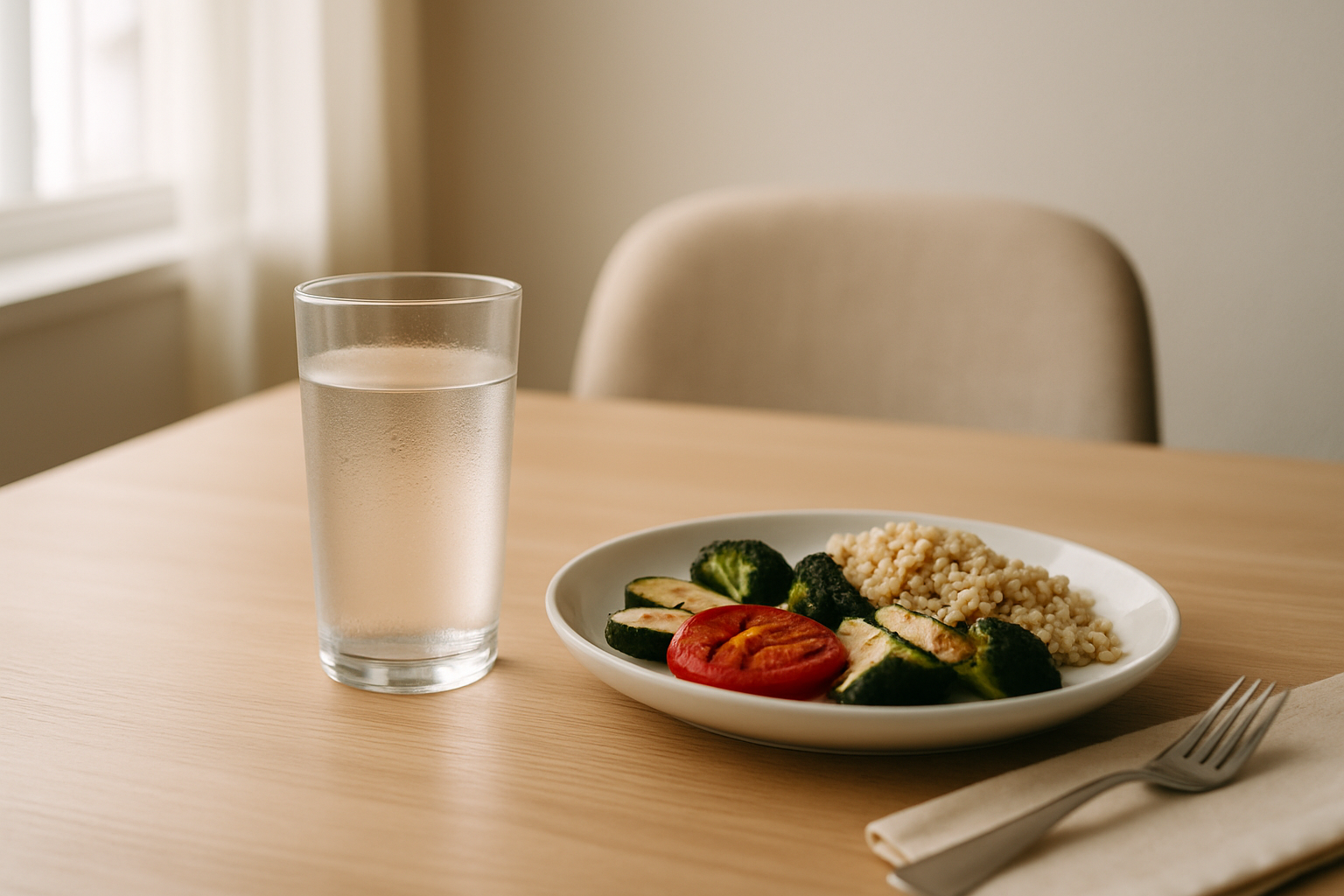
7 Surprising Truths About Water, Appetite, and Digestion You Didn't Know
You've probably been told not to drink water with meals — that it drowns your stomach acid or "dilutes" digestion. Others insist a glass before eating kills appetite and melts weight. Both claims are everywhere, and almost nobody agrees. The truth about water and digestion is more nuanced, more useful, and more actionable than the myths suggest — and your appetite is directly caught in the middle.
According to Mayo Clinic, water doesn't harm digestion or thin your digestive fluids — but how and when you drink it can meaningfully shift how hungry you feel, how well your gut functions, and how effectively your body absorbs nutrients.
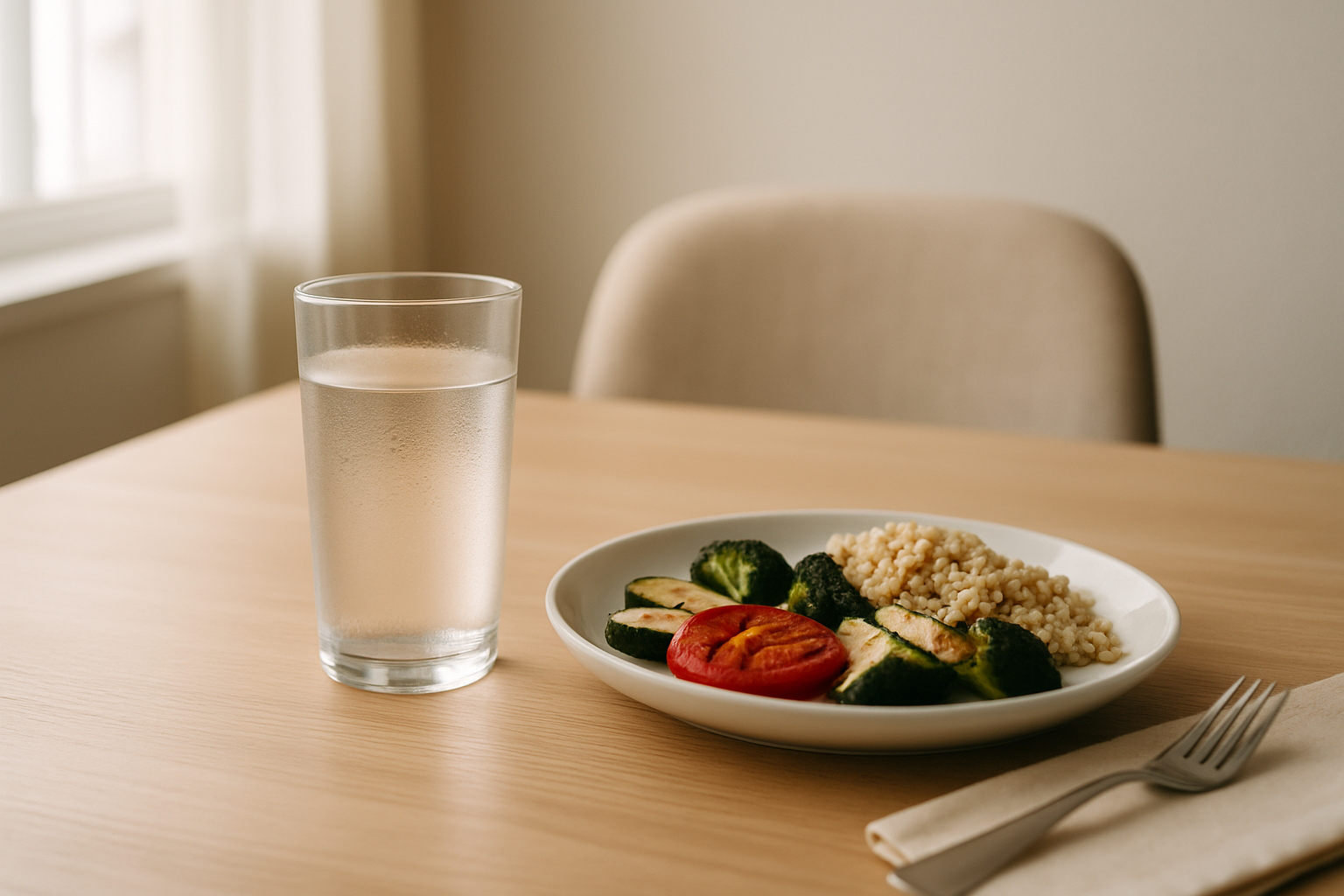
1. Drinking Water With Meals Does Not Wreck Your Stomach Acid
One of the most persistent myths in nutrition is that water dilutes stomach acid and sabotages digestion. This is not supported by evidence. Water is actually a component of stomach acid itself, and your body tightly regulates digestive fluid concentrations regardless of what you sip. The gut is not a passive container — it actively adjusts.
Why it happens: People confuse the sensation of fullness from water with sluggish digestion. They feel slower after a watery meal, but that's satiety signalling, not impaired acid function.
Takeaway: Drink water comfortably during meals without fear. Focus instead on pace — eating slowly gives your stomach time to signal fullness accurately.
2. Water Before a Meal Is One of the Cheapest Appetite Suppressants Available
Appetite researchers have long noted that gastric volume — how full your stomach feels — is a key short-term signal that tells your brain to stop eating. Water takes up space. A glass of water 20–30 minutes before a meal can reduce the volume of food you eat in that sitting without reducing satisfaction or nutrition. It's a zero-calorie lever with real impact.
Why it happens: Stretch receptors in the stomach wall detect volume, not calories. Water triggers those receptors just as food does, briefly dampening appetite signals before the meal even begins.
Takeaway: If appetite control is a goal, make pre-meal water a non-negotiable habit. It costs nothing and requires no willpower at the table.
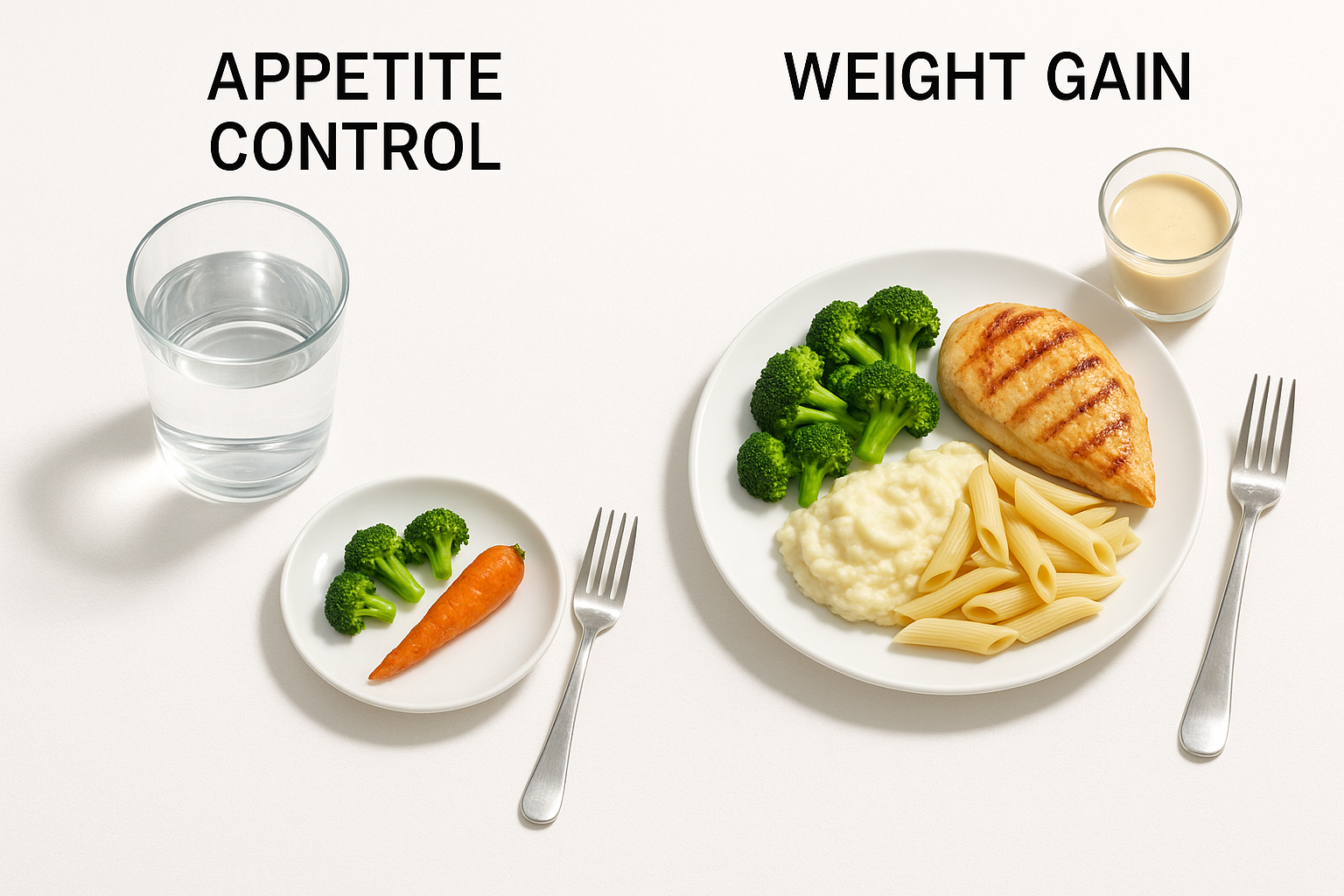
3. Water at Mealtimes Supports Weight Management — But Undermines Weight Gain
Drinking water with meals is a well-established strategy for people managing their weight or trying to eat less. It adds volume without adding calories, helping you feel full faster and longer. Mayo Clinic explicitly recommends this approach for those maintaining or losing weight.
The flip side is just as important. If you're trying to gain weight — whether recovering from illness, building muscle, or addressing underweight — drinking heavily at mealtimes can blunt your appetite before you've consumed enough food. Water has no calories, no protein, no fat. Feeling full on it leaves less room for the energy your body needs.
Takeaway: Match your water-at-meals strategy to your goal. Weight loss? Drink up. Weight gain? Sip lightly, eat first, hydrate between meals.
4. Hydration Is the Overlooked Engine Behind Nutrient Absorption
Water and digestion are inseparable at a biochemical level. Water helps break down food into particles small enough for the gut to process. It facilitates the production of saliva, which starts digestion before food even reaches your stomach. It's woven into bile, pancreatic juice, and intestinal secretions — all the fluids that dismantle what you eat into usable nutrients.
Why it happens: Without adequate hydration, these processes slow. Digestive enzymes become less effective, transit time increases, and the gut lining struggles to absorb micronutrients efficiently. Dehydration doesn't just make you thirsty — it quietly degrades every step of digestion.
Takeaway: Think of water as a digestive co-factor, not a passive beverage. Meeting your daily fluid needs is as important to gut function as the food on your plate.
Quick Stat: Studies suggest that drinking approximately 500ml of water before meals can reduce calorie intake by 13% in adults — a meaningful shift for appetite management over time. (Source: Obesity journal, 2010)
5. Low Water Intake Is a Primary Driver of Constipation and Appetite Disruption
Constipation doesn't just cause discomfort — it distorts appetite signals in ways most people don't recognise. When stool moves slowly through the colon, it creates a sense of bloating and fullness that suppresses appetite inappropriately. You may feel full without having eaten enough, or feel generally sluggish and uninterested in food. Hydration is the most modifiable factor in stool consistency.
Why it happens: The colon draws water from waste to maintain fluid balance. When you're chronically under-hydrated, stool becomes hard, dry, and slow-moving. Adequate water intake softens stool and speeds transit — directly improving both gut comfort and natural appetite rhythms.
Takeaway: If your appetite feels erratic or suppressed without clear reason, assess your water intake first. It's a foundational fix before exploring more complex interventions. For deeper support, explore gut-targeted hydration guidance at gutbrain.news.
6. Stress at Mealtimes Overrides Both Water's Benefits and Appetite Regulation
You can drink perfectly and still eat badly if your nervous system is in overdrive at the table. Stress activates the sympathetic nervous system — the "fight or flight" state — which actively suppresses digestive function. Stomach acid production drops, gut motility slows, and appetite signals become unreliable. Water helps digestion, but stress can undo those benefits in real time.
Why it happens: The gut-brain axis links emotional state directly to digestive performance. Chronic stress rewires appetite hormones like ghrelin and leptin, making hunger cues harder to read accurately. Eating while distracted or anxious compounds this disruption.
Takeaway: Build a mealtime environment that supports the parasympathetic — "rest and digest" — state. Sit down, slow down, and separate screens from eating. Water is one piece; calm is the other.
7. Certain Medical Conditions Change the Rules on Water Intake Entirely
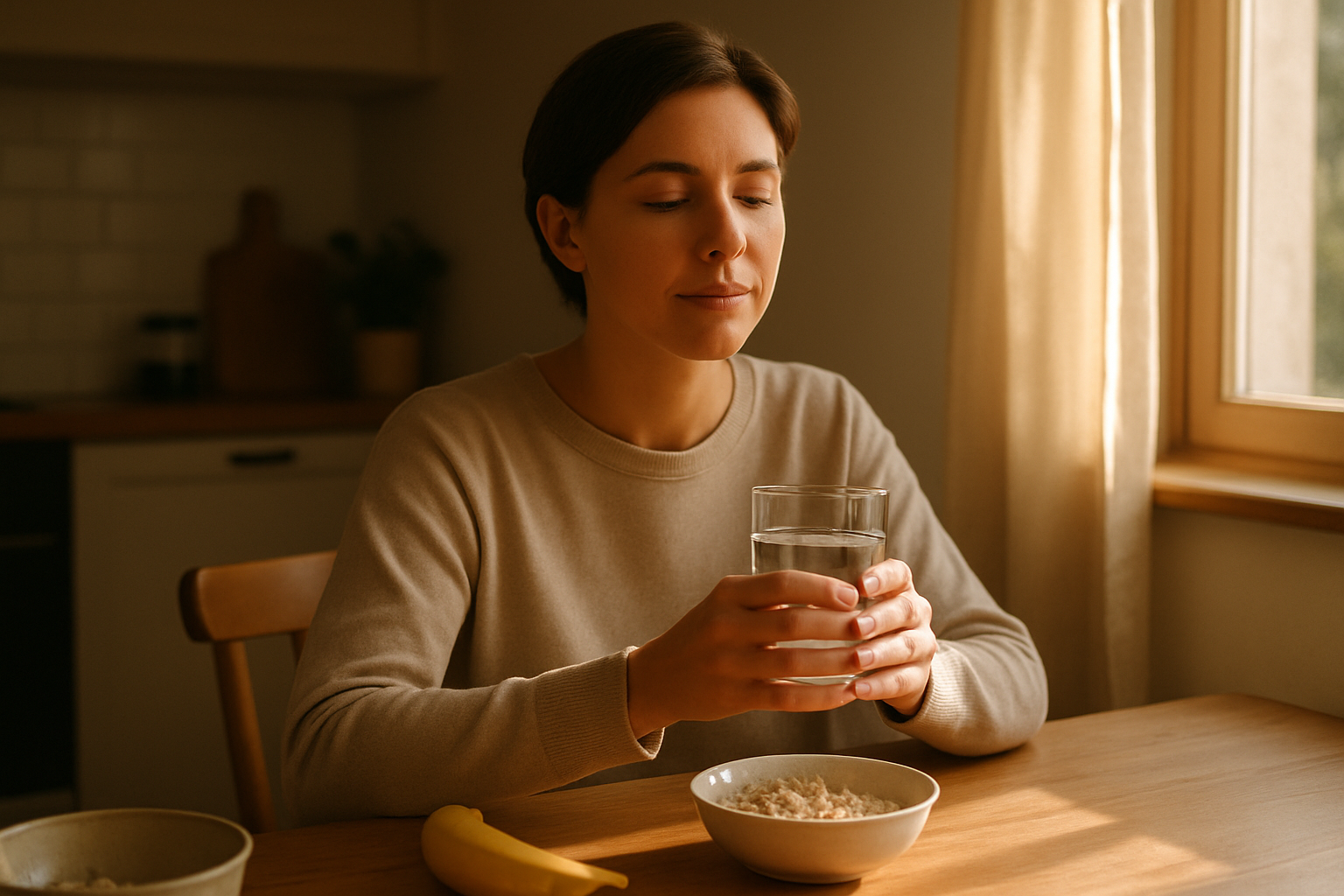
For most healthy adults, drinking water freely with and around meals is beneficial and safe. But this changes significantly for people managing heart disease, kidney disease, or liver disease. In these conditions, fluid balance is medically significant. Excess water can strain the heart, overwhelm compromised kidneys, or worsen fluid retention in liver failure.
Why it happens: These conditions impair the body's ability to excrete excess fluid. What the healthy gut handles easily becomes a burden on already-stressed organs. Appetite is also frequently affected in these conditions — fluid retention can create false fullness, and appetite suppression is common.
Takeaway: If you're managing heart, kidney, or liver disease, don't apply general hydration advice without consulting your healthcare team. Fluid targets are individual and medically specific — get personalised guidance.
Closing
Water and digestion are more intertwined than most people realise — and appetite sits squarely at that intersection. Water doesn't wreck your stomach acid. It does influence how full you feel, how well your gut absorbs nutrients, how regularly you move your bowels, and how reliably your appetite signals fire. Your strategy should match your health goal, your medical context, and your meal environment. Small, consistent hydration habits compound into meaningful digestive health over time.