8 Ways to Boost Your Metabolism Naturally
Discover 8 evidence-backed strategies to boost your metabolism naturally — from eating more protein to better sleep and HIIT training.

Your body is burning calories right now — even as you read this. But if losing weight feels harder than it should, or fatigue keeps dragging you down, your metabolism may not be working as efficiently as it could. The good news is that several evidence-backed strategies can help you boost your metabolism without drastic measures.
Your metabolism is the engine behind everything your body does — converting food into fuel to power basic functions like breathing, circulation, and cell repair. Age, body composition, sex, activity level, health status, and medications all influence how fast or slow that engine runs. The strategies below address the levers you can actually control.
1. Eat More Protein to Trigger the Thermic Effect of Food
Every time you eat, your metabolism temporarily rises. This is called the thermic effect of food (TEF) — the extra energy your body burns to digest, absorb, and process nutrients. Not all foods are equal here.
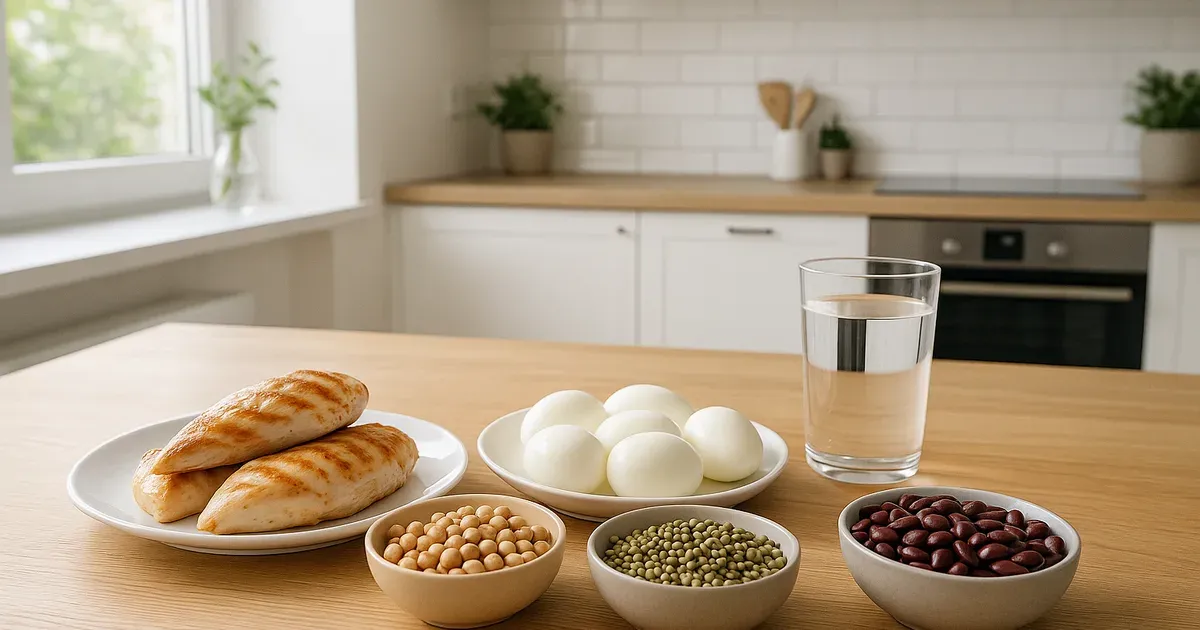
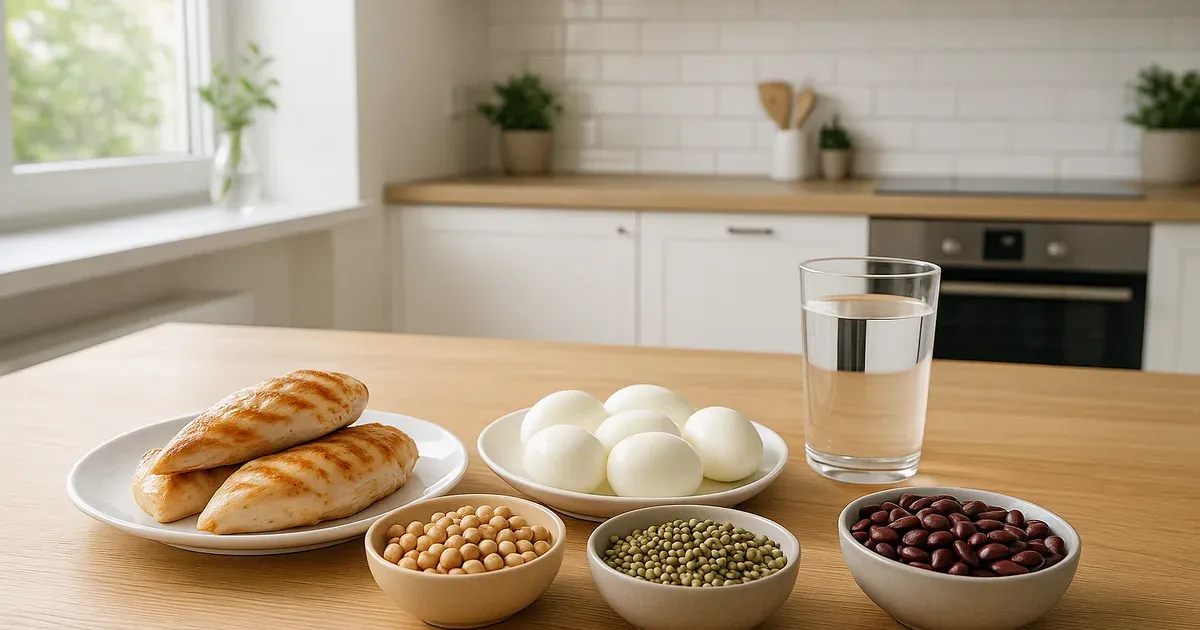
Protein produces the largest TEF by far. Your body must spend 20–30% of a protein meal's usable energy just to metabolise it, compared to 5–10% for carbohydrates and a negligible 0–3% for fats. Prioritising protein at each meal — through meat, fish, dairy, eggs, or legumes — gives your metabolism a measurable bump several times a day.
Protein also supports muscle retention, which matters because muscle tissue is more metabolically active than fat (more on that below). Swapping refined carbs for a protein-rich option at even one meal per day is a simple starting point.
2. Add High-Intensity Interval Training (HIIT) to Your Routine
HIIT workouts boost your metabolism both during and after exercise, making them one of the most time-efficient tools available. Short bursts of intense effort followed by recovery periods push your body to burn energy at an elevated rate — an effect that continues even after the session ends.
Research suggests this post-exercise calorie burn is greater for HIIT than for steady-state cardio. To get started safely, choose a familiar modality — cycling, running, rowing — and alternate between hard efforts and easier recovery intervals. Even two HIIT sessions per week can produce meaningful metabolic benefits.
Mixing up your exercise routine prevents adaptation, which can stall progress. Varying intensity and modality keeps your body responding.

3. Lift Weights to Build Metabolically Active Muscle
Muscle burns more calories at rest than fat does. This means the more lean muscle mass you carry, the higher your baseline calorie burn — even on days you don't exercise. Resistance training is the most direct way to build and preserve that muscle.
This matters especially as you age. Muscle mass naturally declines with age, which is a key reason metabolism tends to slow over time. Incorporating two to four strength training sessions per week — focusing on compound movements like squats, deadlifts, and rows — helps counter that decline.
Higher muscle mass means a higher resting metabolism. Over months and years, this compounds into a significant metabolic advantage.
4. Sit Less and Move More Throughout the Day
Prolonged sitting is one of the quietest drags on your metabolism. Long periods of physical inactivity burn very few calories and are independently associated with weight gain, elevated blood sugar, and increased insulin resistance — even in people who exercise regularly.
Breaking up sitting time with short walks or standing periods has measurable benefits. A 2020 study found that replacing sitting with stepping reduced blood insulin and sugar levels. Stepping — rather than simply standing — also produced greater improvements in systolic blood pressure and insulin resistance.
Practical changes add up quickly. Walking during phone calls, setting a timer to stand every 45 minutes, or using a standing desk for part of the day all reduce the metabolic cost of a sedentary lifestyle.

5. Drink Green Tea or Oolong Tea
Green tea and oolong tea may support fat metabolism through their influence on the gut microbiome — the community of microorganisms in your digestive tract that plays a role in how your body processes and stores energy. These teas appear to affect how the body breaks down fats and converts excess energy into stored fat.
The evidence is mixed. Some research supports a modest metabolic benefit; older studies found no significant effect. Any impact is likely small and may only apply to certain individuals. Still, both teas are low-risk, widely available, and offer antioxidant benefits independent of metabolism.
If you already drink tea regularly, swapping to green or oolong is an easy, zero-downside switch.
6. Add Spice to Your Meals
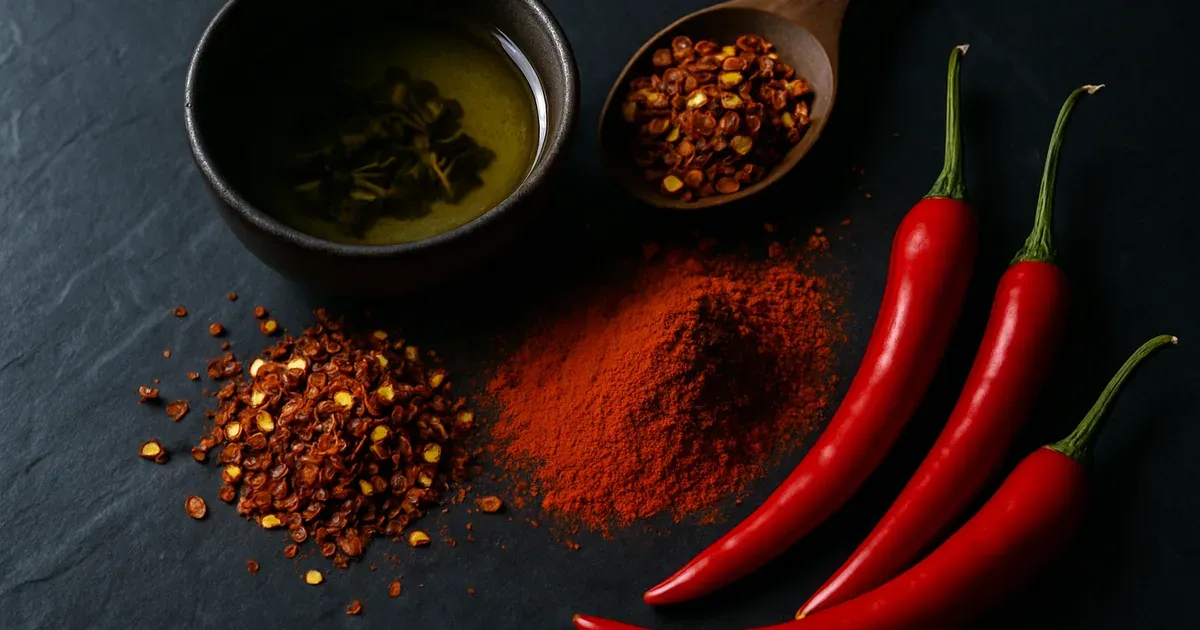
Capsaicin — the compound that makes chillies hot — can modestly raise calorie burn. One 2016 review estimated that eating peppers burns around 10 extra calories per meal. Over years, that accumulates, but it won't transform your metabolism on its own.
The realistic picture is that spicy food offers a small metabolic nudge, not a major shift. Tolerance also varies widely; many people cannot comfortably consume capsaicin at doses large enough to produce a meaningful effect. Combined with other strategies, however, even a small consistent advantage is worth having.
Adding chilli flakes, cayenne, or fresh peppers to meals you already enjoy is a painless way to capture whatever benefit exists.
7. Prioritise Sleep
Sleep deprivation disrupts the hormones that regulate hunger and fat storage. When you don't get enough sleep, levels of ghrelin (the hunger hormone) rise while leptin (the satiety hormone) falls — a combination that drives appetite and makes overeating more likely.
A 2019 study found that four or more consecutive nights of poor sleep slightly reduced how efficiently the body metabolised fat. The effect was small and reversed after a single night of good sleep — but chronic sleep debt keeps that metabolic drag in place. Most adults need 7–9 hours per night to support healthy hormonal function and energy metabolism.
Sleep is often the first thing sacrificed when life gets busy, yet it underpins almost every other health strategy on this list.
8. Drink Coffee Strategically
Caffeine triggers the release of epinephrine, a neurotransmitter that signals your body to mobilise fat stores for energy. This is why coffee has a well-documented effect on fat burning and metabolic rate. Research consistently shows that caffeine can significantly increase metabolism in the short term.
The effect is not uniform. One study found caffeine was more effective at boosting fat burning in sedentary individuals than in trained athletes, suggesting that as your fitness improves, your body adapts. Timing matters too — caffeine before exercise may amplify fat burning during the session.
Avoid relying on caffeine to compensate for poor sleep, as the two interact in ways that can undermine both strategies.

Frequently Asked Questions About Metabolism
What are the signs of a slow metabolism?
Signs of a slow metabolism vary between individuals but may include persistent fatigue, digestive issues, difficulty losing weight despite consistent effort, and a tendency to gain weight easily. These symptoms overlap with many conditions, so a healthcare professional is the right starting point for an accurate assessment.
Does dieting affect metabolism?
Restrictive dieting can slow your metabolism as the body adapts to a lower calorie intake by reducing energy expenditure. Rather than eating as little as possible, focusing on nutrient-dense whole foods and increasing physical activity is a more sustainable approach. Your body still needs adequate fuel to run its basic functions efficiently.
What foods help boost your metabolism?
Protein-rich foods have the strongest metabolic effect because of their high thermic effect. Meat, fish, eggs, dairy, and legumes are all good choices. Beyond that, it's your overall eating pattern — adequate calories, minimal ultra-processed foods, and sufficient micronutrients — that determines metabolic health.
How can you lose weight with a slow metabolism?
Creating a calorie deficit remains the foundation — burning more calories than you consume. But the strategies above (building muscle, improving sleep, moving more throughout the day, eating more protein) raise your calorie burn over time, making that deficit easier to sustain without aggressive restriction. Reducing processed foods, alcohol, added sugar, and saturated fat supports the process.
How do you fix a slow metabolism?
Start with a healthcare professional who can rule out underlying causes such as hypothyroidism, which directly suppresses metabolic rate. Managing any medical condition driving a slow metabolism makes lifestyle interventions far more effective. From there, the eight strategies above provide a practical, evidence-grounded roadmap.
The Bottom Line
Boosting your metabolism is less about one dramatic change and more about stacking small, consistent habits. Eating more protein, building muscle through resistance training, adding HIIT sessions, breaking up sitting time, improving sleep, and staying well-hydrated all contribute. No single strategy will transform your metabolic rate overnight — but applied together, they create a meaningful and lasting shift.
A higher metabolism supports weight management, improves energy levels, and reduces the effort required to maintain a healthy body composition. Start with the two or three strategies that fit most easily into your current routine, then build from there.