7 Ways to Increase GLP-1 Naturally
Discover 7 evidence-backed ways to increase GLP-1 naturally through diet, exercise, and lifestyle — no medication required.

Struggling with appetite control and weight management — but not ready to commit to expensive medication with a long list of side effects? You're not alone. Most people don't realise their own body already produces GLP-1, a powerful hormone that regulates hunger and blood sugar. The good news: specific diet and lifestyle changes can boost your natural levels starting today.
According to registered dietitian Gianna Masi, RDN, regular physical activity — including both aerobic and resistance training — increases GLP-1 levels, improves insulin sensitivity, and enhances post-meal GLP-1 response. Research backs this up across multiple meta-analyses spanning decades.
1. Eat More Protein at Every Meal
High-protein meals are among the most reliable triggers for natural GLP-1 release. When your intestinal L-cells detect protein flowing through your digestive tract, they respond by secreting GLP-1 into the bloodstream. This then signals your brain to reduce appetite and your pancreas to release insulin. Aim for 25–30 grams of complete protein per meal from sources like lean meats, fish, eggs, tofu, tempeh, or whey — both animal and plant proteins appear effective.
2. Load Up on Soluble Fibre
Soluble fibre directly stimulates the L-cells lining your small intestine — the very cells responsible for producing GLP-1. One study found that 20 grams per day of oligofructose, a prebiotic fibre found in plants, significantly elevated post-meal GLP-1 levels. Fill your plate with oats, legumes, and vegetables daily to consistently feed those L-cells and support a stronger hormonal appetite response over time.
3. Prioritise Aerobic Exercise
Cardio exercise is one of the most evidence-backed strategies to increase GLP-1 naturally. A 2021 review and a 2025 meta-analysis both confirmed that aerobic activity boosts GLP-1 levels — even from a single workout session. The mechanism works in two directions: exercise stimulates GLP-1 release directly and also improves how efficiently your body uses glucose, which mirrors GLP-1's own blood sugar benefits. Aim for at least 150 minutes of moderate aerobic activity per week for meaningful, sustained effects.
4. Add Resistance Training to Your Routine
Lifting weights doesn't just build muscle — it also supports your body's natural GLP-1 production. Resistance training improves insulin sensitivity and enhances the post-meal GLP-1 response, according to dietitian Gianna Masi, RDN. Muscle tissue acts as a glucose sink, helping regulate blood sugar levels in a way that complements GLP-1 activity. Try two to three sessions of resistance training per week, focusing on compound movements like squats, deadlifts, and rows.

Did you know? People with better glucose tolerance tend to have naturally higher GLP-1 levels — meaning every healthy habit you build compounds over time.
5. Swap in Healthy Fats
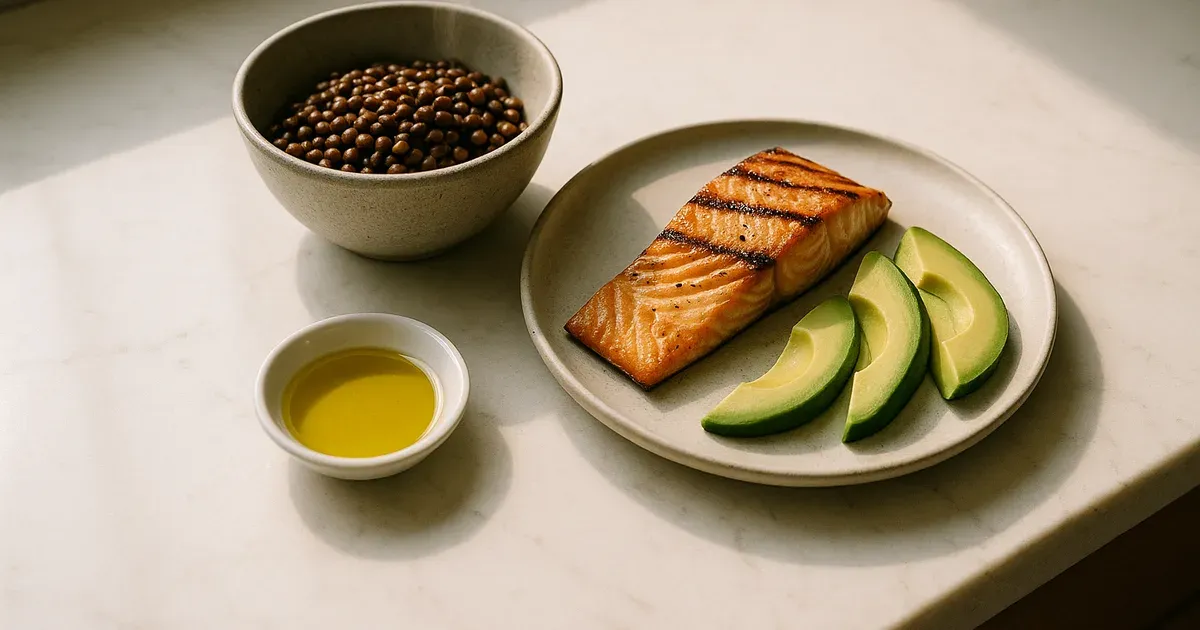
Monounsaturated fats and omega-3 fatty acids stimulate GLP-1 release by activating fatty acid receptors on the enteroendocrine cells in your gut lining. Early research on olive oil, avocados, nuts, and oily fish is promising, though scientists are still working to quantify the exact threshold needed to produce meaningful GLP-1 increases. Replace refined seed oils and saturated fats where possible with extra-virgin olive oil, avocado, or a small handful of walnuts — your gut microbiome will also benefit from the shift.
6. Eat Fermented Foods Daily
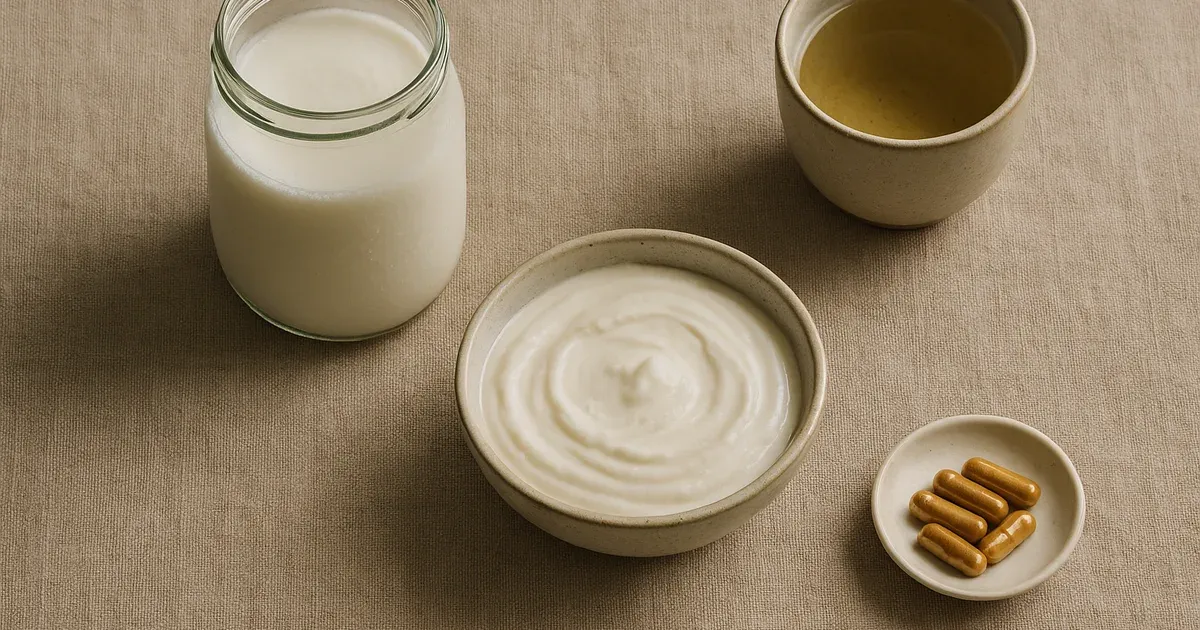
Fermented foods like yogurt, kefir, and fermented vegetables improve gut microbiome diversity, which in turn supports GLP-1 production through enhanced metabolite signalling. One study showed that eating one cup of yogurt with live cultures daily increased fasting GLP-1 levels compared to calorie restriction alone. The effects are modest rather than medication-level, but they compound alongside other dietary changes. Look for products labelled "live and active cultures" and rotate between different fermented sources to maximise microbial diversity.
7. Consider Evidence-Backed Supplements
Emerging research points to two natural compounds — berberine and certain tea polyphenols — as potential influencers of your body's GLP-1 levels. Berberine, a plant-derived compound used in traditional medicine, has shown GLP-1-stimulating effects in early studies. Green and oolong teas contain catechins that may support similar pathways. Speak to a registered dietitian or your GP before adding supplements, as dosing, interactions, and individual responses vary considerably and the research is still developing.
Putting It All Together
Natural GLP-1 boosting isn't about one magic food — it's the combination of protein, fibre, healthy fats, fermented foods, and consistent exercise that moves the needle. These strategies support your metabolic health far beyond GLP-1 alone, offering sustainable results without the cost or side effects of medication. Start with one or two changes this week, build gradually, and let the habits stack.
Frequently Asked Questions
How quickly can diet and exercise increase GLP-1 naturally?
Research suggests that even a single bout of aerobic exercise can produce a measurable short-term rise in GLP-1 levels. Dietary changes — particularly increasing protein and soluble fibre intake — typically show effects within a few weeks of consistent adherence. Long-term lifestyle changes produce the most meaningful and sustained improvements to your baseline GLP-1 response.
Can you increase GLP-1 naturally as much as medication does?
Natural methods cannot replicate the scale of increase achieved by GLP-1 receptor agonist medications like Ozempic or Mounjaro. Medications are pharmacologically engineered to produce far higher and longer-lasting GLP-1 activity than any food or exercise routine can match. However, natural strategies can meaningfully support appetite regulation, blood sugar control, and weight management — especially when combined consistently over time.
Which single food has the biggest impact on GLP-1 levels?
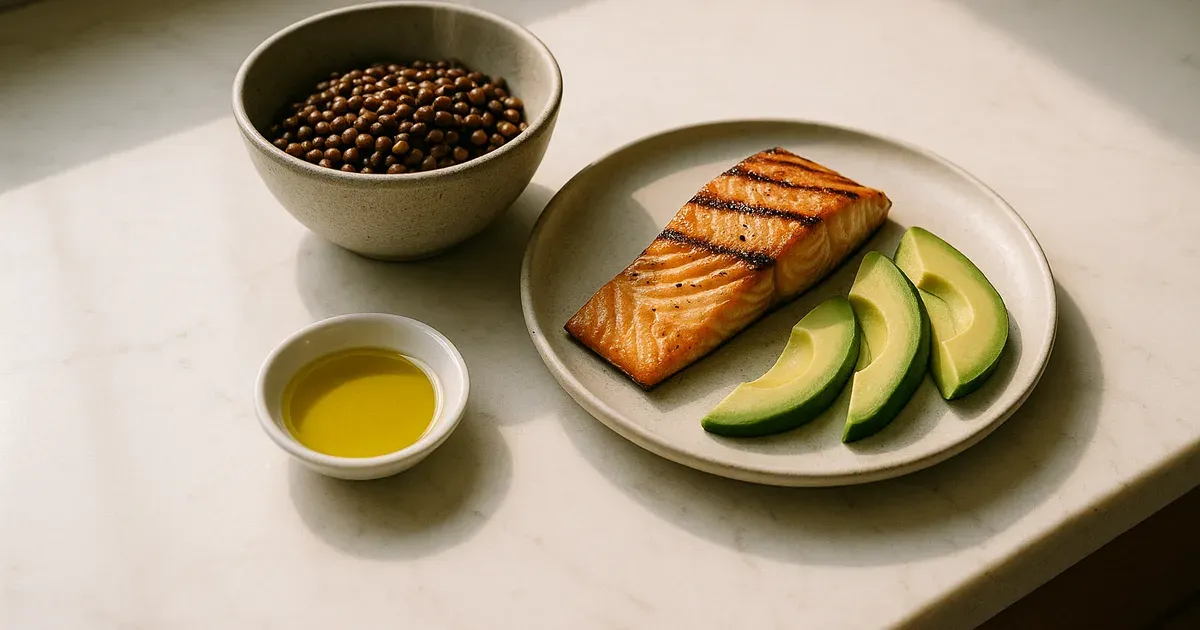
No single food has been proven to dominate GLP-1 stimulation above all others. High-quality protein sources and soluble fibre appear most consistently effective in current research. A meal combining protein, fibre, and healthy fats — such as grilled salmon with lentils and olive oil — is likely to produce a stronger combined GLP-1 response than any one ingredient alone.
Is increasing GLP-1 naturally suitable for people with type 2 diabetes?
Exercise and dietary strategies to boost GLP-1 are particularly well-studied in people with type 2 diabetes and are generally beneficial. Multiple studies specifically highlight exercise as supporting GLP-1 production and glucose management in this population. Always consult your healthcare provider before making significant changes to diet or exercise if you are managing a chronic condition or taking medication.
Does gut health affect GLP-1 levels?
Yes — your gut microbiome directly influences GLP-1 production. L-cells that secrete GLP-1 are sensitive to metabolites produced by gut bacteria. A more diverse microbiome, supported by fermented foods, prebiotic fibre, and varied plant intake, creates a more favourable environment for robust GLP-1 secretion after meals.