Weight Loss After 40 for Women: What Actually Works
Weight loss after 40 for women requires targeting hormonal shifts, muscle loss, and insulin resistance — not just cutting calories. Here's what actually works.


If you've been eating less and moving more but the scale refuses to budge, you are not imagining it — and you are not failing. Weight loss after 40 for women operates by a fundamentally different set of rules than it did in your 20s or 30s. The strategies that once worked almost effortlessly now seem useless, and the frustration of that gap can push you into cycles of crash dieting that make things worse, not better.
This article breaks down why weight loss resistance happens after 40, what the science says about breaking through it, and the practical, sustainable strategies that actually move the needle — without destroying your metabolism in the process.

Why Weight Loss Resistance Is Real After 40
Weight loss resistance is not a willpower problem. It is a physiological reality shaped by changes that accumulate in the body from your early 40s onward. Understanding these changes is the first step toward working with your body instead of against it.
Here are the four core drivers:
- Declining muscle mass. After 40, women lose roughly 1% of muscle mass per year. Since muscle is metabolically active tissue, less muscle means a slower resting metabolism — so your body simply burns fewer calories around the clock.
- Hormonal fluctuations. Perimenopause and menopause trigger dramatic shifts in estrogen, progesterone, and other hormones. These shifts directly influence where your body stores fat — increasingly, around the abdomen.
- Elevated cortisol. Chronic stress, which tends to intensify in midlife, drives up cortisol. High cortisol signals the body to hold onto abdominal fat as an energy reserve.
- Insulin resistance. Cells gradually become less responsive to insulin as you age, making it easier for your body to store calories as fat rather than burn them for energy.
The standard "eat less, move more" prescription fails because it addresses none of these root causes. Cutting calories alone can actually accelerate muscle loss and trigger hormonal responses that deepen the resistance. The result? Stagnation — or continued weight gain despite genuine effort.
The Hidden Damage of Yo-Yo Dieting
Crash dieting — cycling between aggressive restriction and regain — is particularly destructive after 40. Each cycle compounds the metabolic damage already underway. It is not simply a matter of returning to baseline between diets; each round leaves you slightly worse off than before.
Here is what repeated crash dieting does to the body over time:
- Muscle erosion. Severe calorie restriction breaks down muscle tissue for fuel, accelerating the natural age-related loss.
- Metabolic adaptation. The body becomes increasingly efficient at storing fat after each restriction period, making the next diet even harder to sustain.
- Hormonal chaos. Crash dieting disrupts ghrelin and leptin — the hormones that regulate hunger and satiety — triggering intense cravings that are biological, not a lack of discipline.
- Psychological fatigue. The cycle of effort and failure erodes motivation and self-trust, creating a mental barrier that is just as real as the physical one.
The exit from this cycle is not another diet — it is a permanent shift toward sustainable lifestyle changes that support metabolic health rather than temporarily suppressing it.

Five Functional Strategies That Actually Work
Effective weight loss after 40 for women means targeting root causes, not just symptoms. These five strategies address the specific physiological changes driving weight gain in midlife.
1. Prioritize Protein at Every Meal
Protein is the single most important macronutrient for women over 40 trying to manage weight. It preserves muscle mass during a calorie deficit, increases satiety, and has the highest thermic effect of any macronutrient — meaning your body burns more calories just digesting it.
Aim for at least 30 grams of protein per meal. Prioritize quality sources: grass-fed meats, wild-caught fish, eggs, legumes, and quinoa. Spreading protein across meals rather than concentrating it in one sitting improves muscle protein synthesis throughout the day.
2. Make Strength Training Non-Negotiable
Resistance training is the most evidence-backed strategy for reversing age-related muscle loss. Building and maintaining muscle mass directly elevates your resting metabolism, which counteracts the metabolic slowdown that makes weight loss so difficult after 40.
Two 30-minute sessions per week is enough to produce meaningful results. Consistency matters far more than intensity, especially when starting out. Strength training also supports bone density — a critical concern for women approaching menopause.
3. Manage Stress as a Metabolic Intervention
Cortisol is not just a stress hormone — it is a fat-storage signal. Chronically elevated cortisol specifically drives visceral fat accumulation around the abdomen, exactly where women over 40 tend to notice unwanted changes.
Daily stress-reduction practices — meditation, deep breathing, gentle movement like yoga or walking — are not optional wellness extras. They are functional metabolic tools. Even 10 minutes of structured breathing daily has been shown to lower cortisol and reduce markers of chronic stress.
4. Protect Sleep as a Hormonal Priority
Poor sleep disrupts ghrelin and leptin, the hormones that regulate hunger and fullness. Even one or two nights of inadequate sleep can increase appetite significantly and reduce the body's ability to burn fat efficiently.
Aim for 7 to 8 hours of quality sleep per night. A consistent sleep and wake time — even on weekends — is the most effective tool for improving sleep quality. Limiting blue light exposure and keeping the bedroom cool and dark are practical support strategies.
5. Stabilize Blood Sugar Throughout the Day
Blood sugar spikes drive insulin surges, and repeated insulin surges promote fat storage and deepen insulin resistance. For women over 40, managing blood sugar is one of the highest-leverage dietary interventions available.
Pairing carbohydrates with protein and healthy fat at every meal slows glucose absorption and reduces the spike-crash cycle. Time-restricted eating — eating within a consistent 8 to 10 hour window — can also improve insulin sensitivity over time. Foods rich in chromium and magnesium, such as leafy greens, nuts, and seeds, provide additional metabolic support.

The Hormonal Layer You Cannot Ignore
Hormones do not just influence weight after 40 — they often determine it. Three hormonal systems in particular deserve close attention.
Estrogen plays a central role in fat distribution. As estrogen declines during perimenopause, fat increasingly accumulates in the abdomen rather than the hips and thighs. Supporting healthy estrogen metabolism through cruciferous vegetables — broccoli, cauliflower, Brussels sprouts — and reducing exposure to environmental estrogen disruptors like heavy metals can help maintain balance.
Thyroid hormones regulate the body's base metabolic rate. Thyroid function commonly diminishes with age, contributing to metabolic slowdown that goes beyond what muscle loss alone would explain. Nutritional support through selenium-, zinc-, and iodine-rich foods may help maintain optimal thyroid function, and regular monitoring through bloodwork is advisable for women over 40.
Insulin ties all of this together. Chronically elevated insulin — driven by high-sugar diets, inactivity, and poor sleep — shifts the body into a persistent fat-storage mode. Regular movement after meals, minimizing added sugars, and the mineral supports mentioned above all contribute to healthier insulin dynamics.
The Case for Functional Lab Testing
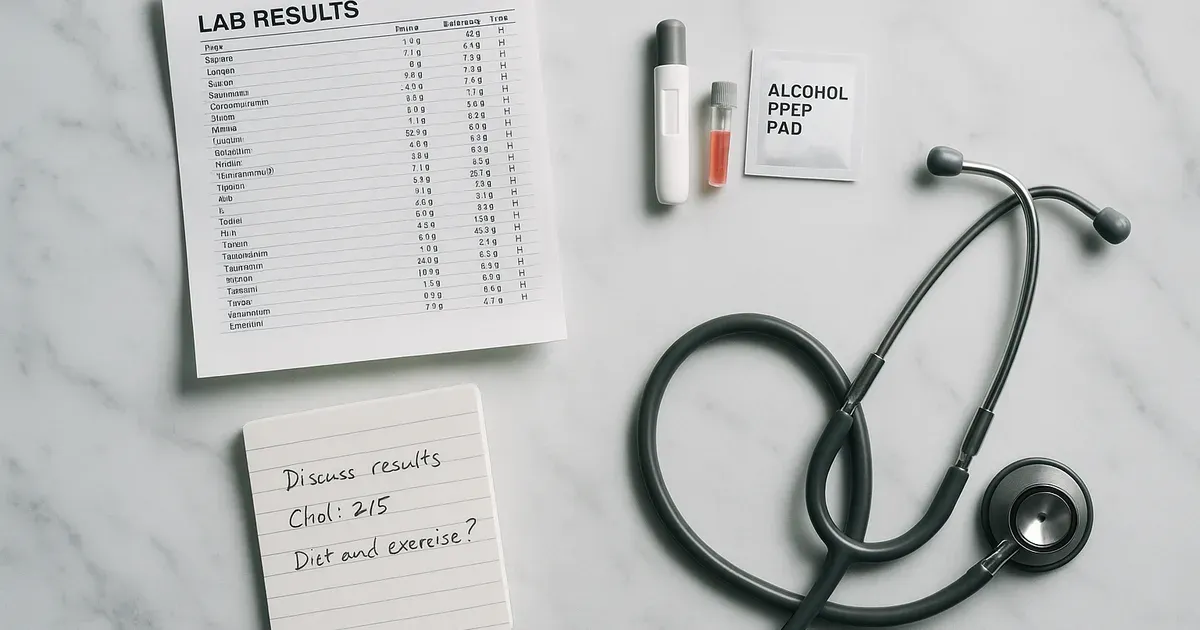
Generic weight loss advice fails because it treats every body as identical. Functional lab testing goes beyond standard bloodwork to identify the specific imbalances driving your individual weight loss resistance.
Functional testing can reveal:
- Hormonal imbalances that standard panels miss, including subclinical thyroid dysfunction and sex hormone irregularities
- Hidden inflammation that impairs metabolic function at the cellular level
- Gut microbiome disruptions that affect hunger hormones, cravings, and how efficiently you absorb and metabolize nutrients
- Nutrient deficiencies — particularly magnesium, zinc, vitamin D, and B vitamins — that compromise energy production and fat metabolism
- Toxin burden from environmental exposures that may interfere directly with weight regulation
Armed with this data, interventions become precise rather than generic. Instead of following a program designed for the average person, you address the specific mechanisms that are driving your weight gain. This is the difference between guessing and knowing.
Rethinking What Success Looks Like
The scale is a blunt instrument — especially after 40. It cannot distinguish between fat loss, muscle gain, water retention, or hormonal fluctuations. Relying on it exclusively as a measure of progress will mislead you more often than it guides you.
A more useful framework for sustainable weight management includes:
- Body composition over body weight. Are you losing fat and gaining or maintaining muscle? That matters far more than a number on a scale.
- Non-scale victories. Improved energy, better sleep quality, reduced inflammation, clearer thinking, and more stable mood are all meaningful markers of metabolic improvement.
- Process goals over outcome goals. "I will strength train twice this week" is actionable and within your control. "I will lose 10 pounds this month" is not.
- Gradual, sustainable progress. A rate of 0.5 to 1 pound per week is physiologically appropriate and far more likely to reflect true fat loss without triggering metabolic adaptation.
Sustainable weight loss after 40 is not about deprivation. It is about understanding your unique biochemistry and building a lifestyle that consistently supports metabolic health — one that you can maintain for years, not weeks.
The Bottom Line
Weight loss after 40 for women is harder — but it is not impossible. The problem is that most conventional approaches were never designed to account for the hormonal shifts, metabolic changes, and physiological realities of midlife. When you stop fighting your biology and start working with it — through adequate protein, strength training, stress management, quality sleep, blood sugar stability, and personalized insight from functional testing — sustainable change becomes achievable.
The path forward is not another diet. It is a deeper understanding of what your body actually needs at this stage of life, and the patience to build habits that support it for the long term.