Weight Loss Meal Plans Explained: Your Biggest Questions Answered
Confused about which weight loss meal plan to follow? This FAQ breaks down all 8 options, their differences, and how to choose the right one for you.

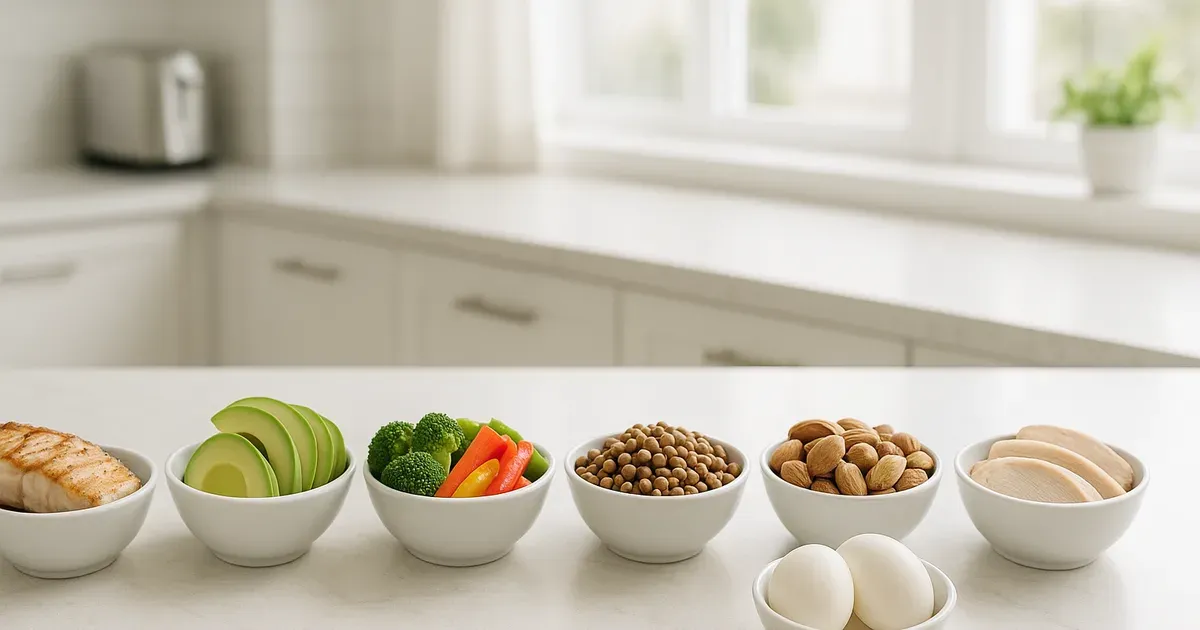
Choosing between eight different weight loss meal plans is genuinely confusing — especially when each one sounds like it could be the right fit. Whether you are trying to cut carbs, eat more plants, or simply get dinner on the table in 15 minutes, the differences matter. This guide answers the most common questions people ask before committing to a plan, so you can start with confidence instead of guesswork.
Jump to Your Question
How many weight loss meal plans are available?
Which meal plan is best for busy schedules?
What is the best meal plan for heart health?
How does the Higher Protein meal plan help with weight loss?
Is the Healthy Keto meal plan actually healthy?
What makes the GLP-1 meal plan different from the others?
Can I switch between weight loss meal plans without losing progress?
What digital tools come with the weight loss meal plans?
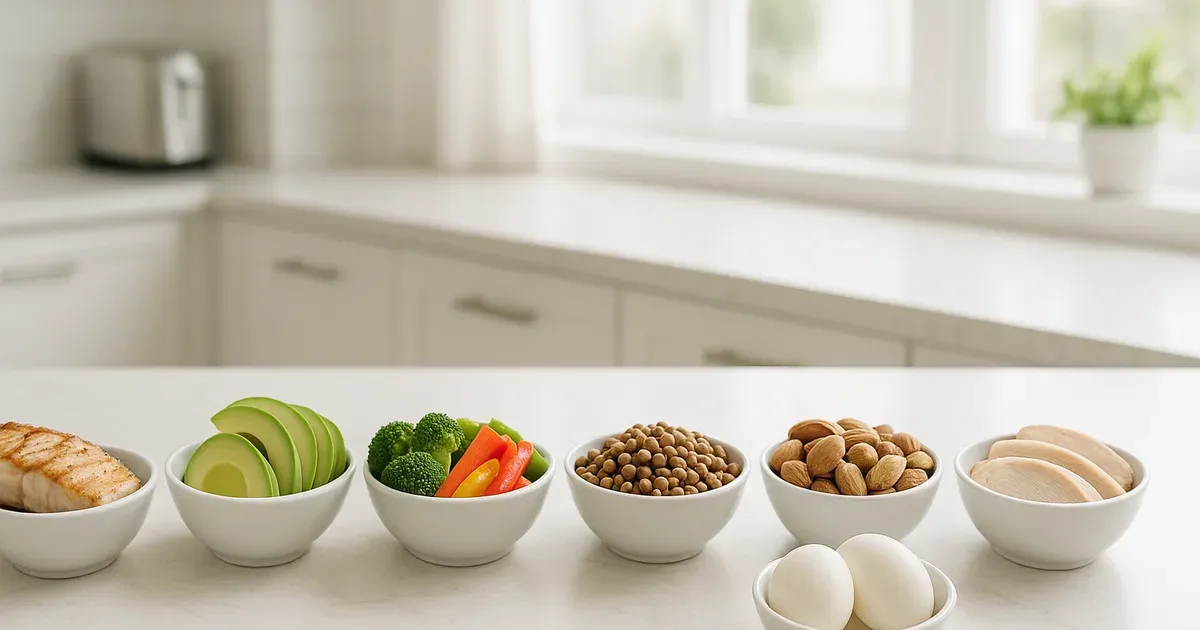
How many weight loss meal plans are available?
The Mayo Clinic Diet offers eight dietitian-developed weight loss meal plans, each designed around a distinct health goal or lifestyle. The eight plans are: Simple, Heart Smart Superfoods, The "Original," Mediterranean, Higher Protein, Healthy Keto, Vegetarian, and the Meal Plan for GLP-1s.
Every plan is built on the same core philosophy — nutrient-dense, satisfying food that supports sustainable weight loss — but each emphasises different food groups, macronutrient ratios, and prep styles. Several plans are also available in a gluten-free version, including Simple, The "Original," and Mediterranean.
Inside a member dashboard, you can browse each plan week by week, download a printable PDF, and switch plans at any time without losing progress data.
| Meal Plan | Core Focus | Gluten-Free Option |
|---|---|---|
| Simple | Time-saving, ready-prepped meals | Yes |
| Heart Smart Superfoods | Anti-inflammatory, DASH-aligned | No |
| The "Original" | Classic Mayo Clinic Diet framework | Yes |
| Mediterranean | Heart-healthy, plant-forward | Yes |
| Higher Protein | Appetite control via even protein distribution | No |
| Healthy Keto | Low-carb, ~50 g net carbs | No |
| Vegetarian | Meat-free, lacto-ovo | No |
| GLP-1 Support | Higher protein, lower volume | No |
Which meal plan is best for busy schedules?
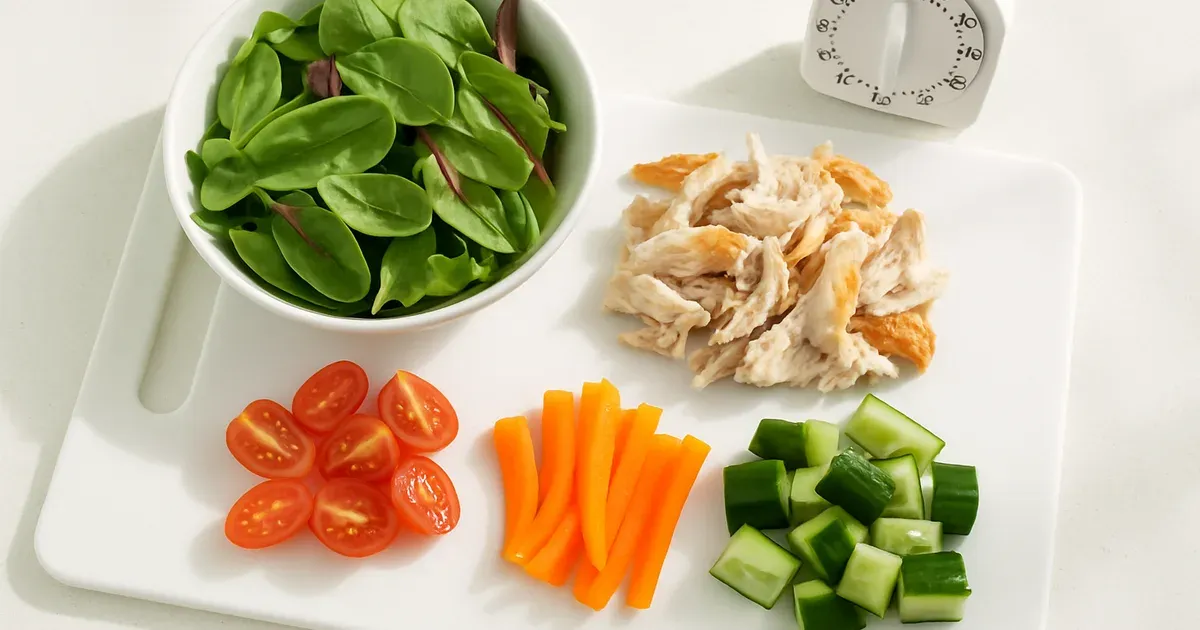
The Simple meal plan is the best weight loss meal plan for people with limited time, using ready-prepped ingredients and recipes that take around 15 minutes to complete. It consistently ranks as the most popular option among members, which reflects how much demand there is for fast, fuss-free healthy eating.
The plan relies on convenience-friendly staples — think pre-cut vegetables, rotisserie chicken, and pre-washed salad greens — without sacrificing nutritional quality. Meals are designed around the Mayo Clinic's food group framework, ensuring each plate balances vegetables, lean protein, and moderate carbohydrates.
A gluten-free version of the Simple plan is also available, making it accessible to members with gluten sensitivities who still need speed in the kitchen.
What is the best meal plan for heart health?
Both the Mediterranean and Heart Smart Superfoods plans target heart health, but they approach it differently. The Mediterranean plan emphasises fish, nuts, legumes, extra-virgin olive oil, and unlimited vegetables and fruits — a well-established pattern for cardiovascular protection. The Heart Smart Superfoods plan goes a step further by layering in anti-inflammatory principles and aligning with DASH (Dietary Approaches to Stop Hypertension) guidelines.
Here is a quick comparison to help you choose between the two:
| Feature | Mediterranean | Heart Smart Superfoods |
|---|---|---|
| Primary framework | Mediterranean diet | DASH + anti-inflammatory |
| Key foods | Fish, olive oil, legumes | Cardio-protective superfoods |
| Gluten-free option | Yes | No |
| Best for | General heart health | Cholesterol and blood pressure concerns |
If your doctor has flagged cholesterol or blood pressure, Heart Smart Superfoods offers the more targeted approach. If you are eating proactively for long-term cardiovascular wellness, the Mediterranean plan is a proven and highly flexible starting point.
How does the Higher Protein meal plan help with weight loss?
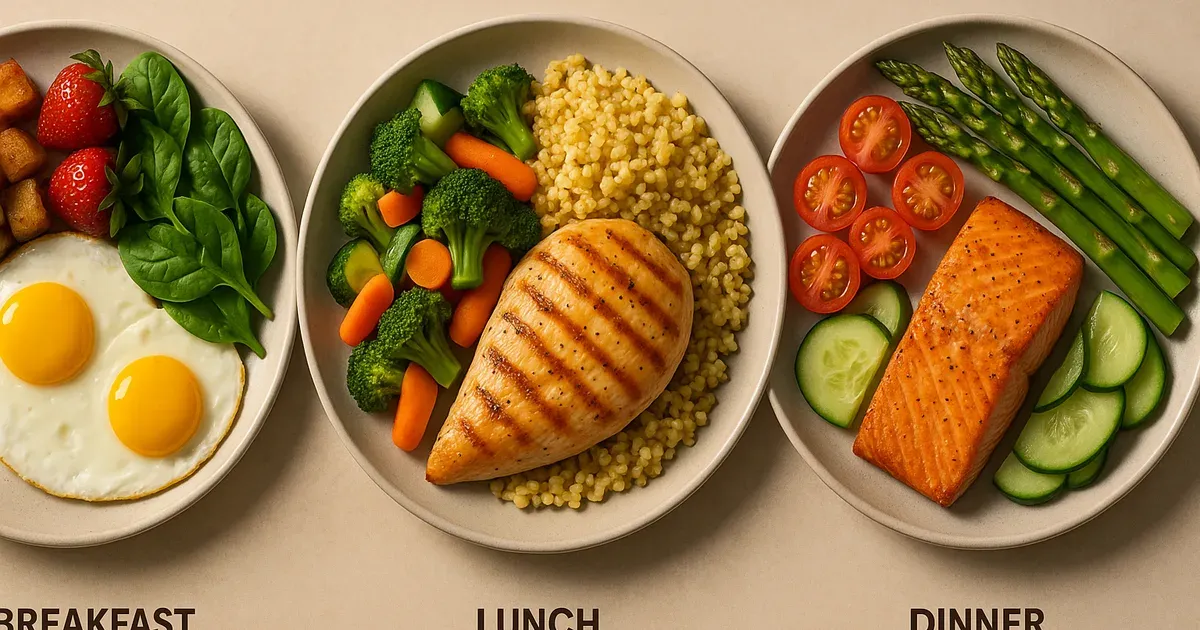
The Higher Protein weight loss meal plan distributes protein evenly across breakfast, lunch, and dinner, rather than loading most of it into one meal. This even distribution is the nutritional mechanism that makes the plan particularly effective for appetite control.
Research consistently shows that protein increases satiety hormones and slows gastric emptying, meaning you feel full longer after each meal. By spreading protein throughout the day, this plan prevents the mid-afternoon energy crashes and late-night cravings that derail many weight loss efforts.
Key benefits of the Higher Protein plan include:
- Reduced hunger between meals due to consistent satiety signalling
- Preservation of lean muscle mass during a calorie deficit
- Steady energy levels across the day
- Fewer cravings driven by blood sugar fluctuations
This plan suits anyone who has struggled to feel satisfied on traditional lower-calorie diets.
Is the Healthy Keto meal plan actually healthy?
The Healthy Keto plan is a structured low-carbohydrate approach that prioritises heart-healthy fat sources, keeping daily net carbohydrates to around 50 grams. Unlike standard ketogenic diets that may rely heavily on saturated fats and processed meats, this version draws its fats from extra-virgin olive oil, avocado, nuts, and seeds.
This distinction matters significantly. Saturated-fat-heavy keto diets can raise LDL cholesterol in some individuals, while the unsaturated fats featured in this plan are associated with reduced cardiovascular risk. The result is a low-carb eating pattern that supports ketosis while remaining aligned with broader dietary health guidelines.
The plan is well suited to:
- People who feel better metabolically on lower carbohydrate intake
- Members who have not responded well to moderate-carb plans
- Those who enjoy higher-fat foods like avocado, nuts, and olive oil
Net carbs of approximately 50 grams per day places this plan at the higher end of ketogenic thresholds, making it more sustainable long-term than stricter versions.
What makes the GLP-1 meal plan different from the others?
The GLP-1 meal plan is specifically designed for people using GLP-1 receptor agonist medications for weight loss, such as semaglutide or tirzepatide. These medications significantly reduce appetite and slow stomach emptying, which means members often cannot eat the same volume of food they once could.
The plan addresses this directly by offering higher protein density in smaller portions — sometimes described as a higher protein, lower volume version of the Simple plan. This approach helps members on GLP-1 medications meet their nutritional needs, particularly protein targets, without forcing large meals that may cause discomfort.
Key design features of the GLP-1 support plan:
- Smaller plate portions calibrated for reduced appetite
- Higher protein per calorie to prevent muscle loss during rapid weight reduction
- Quick assembly recipes suited to members with low appetite who want minimal cooking effort
- Downloadable sample available before committing to membership
Can I switch between weight loss meal plans without losing progress?
Switching between weight loss meal plans does not reset progress, streaks, or Diet Score history. The scoring system tracks daily habits — food group intake, activity minutes, and meal logging — rather than locking you to any single plan. Moving from the Simple plan to the Mediterranean plan, for example, keeps all accumulated data intact.
This flexibility is intentional. Many members start with one plan, discover their preferences over the first week or two, and pivot to a better fit. Common reasons for switching include:
- Finding meals too time-consuming or too simple
- Wanting more or less dietary restriction
- A health diagnosis prompting a shift (e.g., moving to Heart Smart Superfoods after a cholesterol check)
- Seasonal ingredient availability
Plan switching is unlimited, and because the grocery list regenerates automatically with each new menu, the logistics of changing course are handled for you.
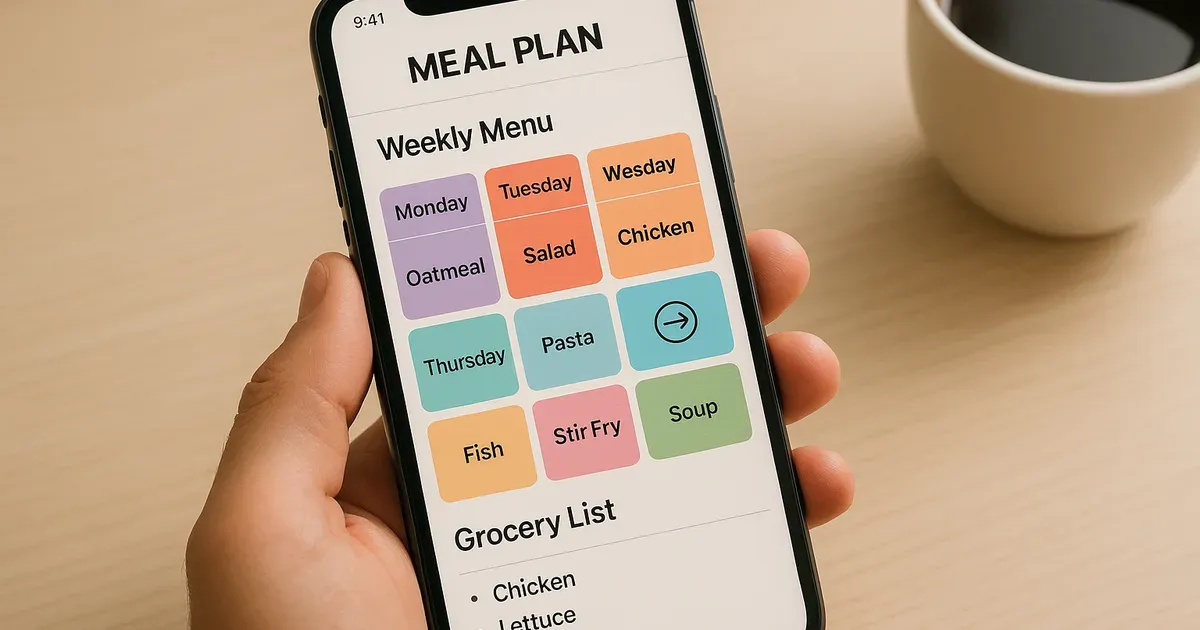
What digital tools come with the weight loss meal plans?
Every weight loss meal plan comes with an integrated suite of digital tools designed to remove friction from healthy eating and habit tracking. These tools work together rather than operating in isolation, which is what separates a structured digital program from a simple recipe collection.
The core toolset includes:
- Swap-a-meal: Replace any scheduled recipe in two taps; nutrition data updates automatically
- Favorites library: Save dishes the whole household enjoys for quick reuse in future weeks
- Dynamic grocery list: Auto-regenerates with every swap or plan change; printable or mobile-viewable
- Food & Exercise Tracker: Includes barcode scanning and feeds directly into a 100-point Diet Score
- Wearables sync: Connects with Apple Health and Google Fit for seamless activity import
- Workout library: At-home workouts requiring no equipment
- "Preview next week" function: Enables early grocery shopping or bulk meal prep
- Portion slider: Scale servings up for family meals or down for solo dining
Together, these features turn a meal plan into a full weight-management system rather than a static menu.
Bottom Line
- Eight weight loss meal plans cover the most common dietary goals: low-carb, plant-based, time-saving, heart-healthy, and medication-supported.
- The Simple plan is the best starting point for busy people; Higher Protein suits those battling hunger; GLP-1 Support is purpose-built for medication users.
- Switching plans is unlimited and does not affect progress, making it low-risk to experiment until you find the right fit.
- Gluten-free versions are available for Simple, The "Original," and Mediterranean plans.
- Digital tools — including swap functionality, auto-generated grocery lists, and wearables sync — make any plan easier to sustain long-term.