8 Weight Loss Meal Plans from Mayo Clinic Diet
Compare all 8 Mayo Clinic Diet weight loss meal plans — from Simple to GLP-1 support — and find the right fit for your health goal and lifestyle.

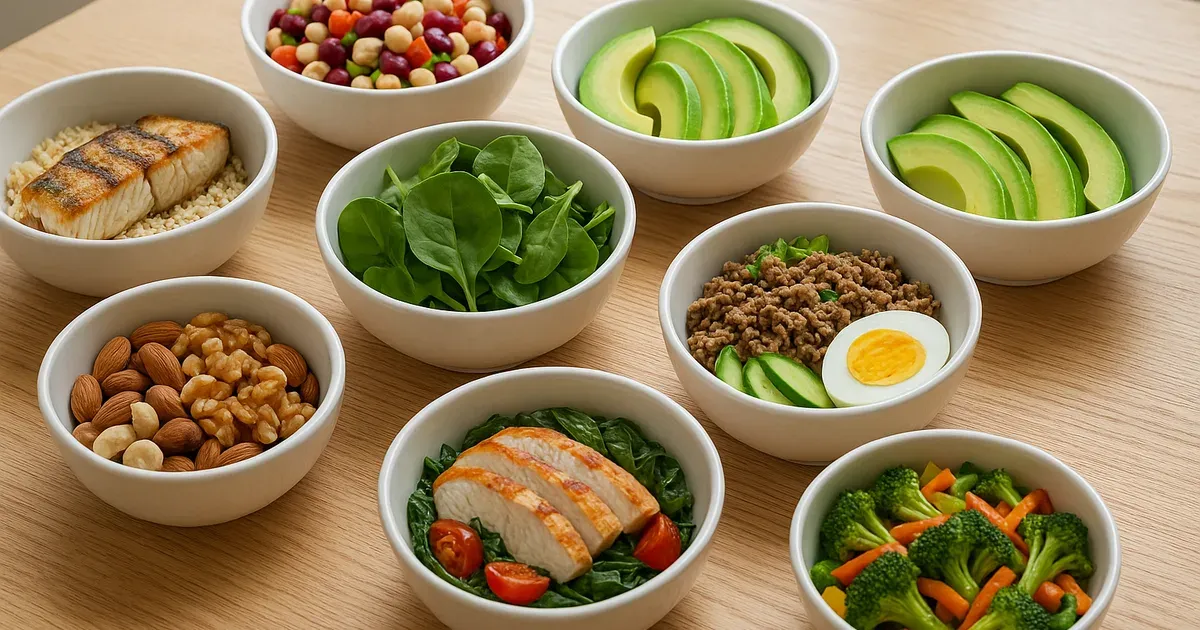
Choosing the wrong weight loss meal plan is one of the fastest ways to burn out before you see results. Too restrictive, and you quit by week two. Too vague, and you never build momentum. The Mayo Clinic Diet solves this with eight dietitian-developed meal plans — each targeting a different health goal, cooking style, and dietary preference — all inside one membership.
Here is a plain-language breakdown of every plan, who it suits best, and the digital tools that make weekly execution genuinely manageable.
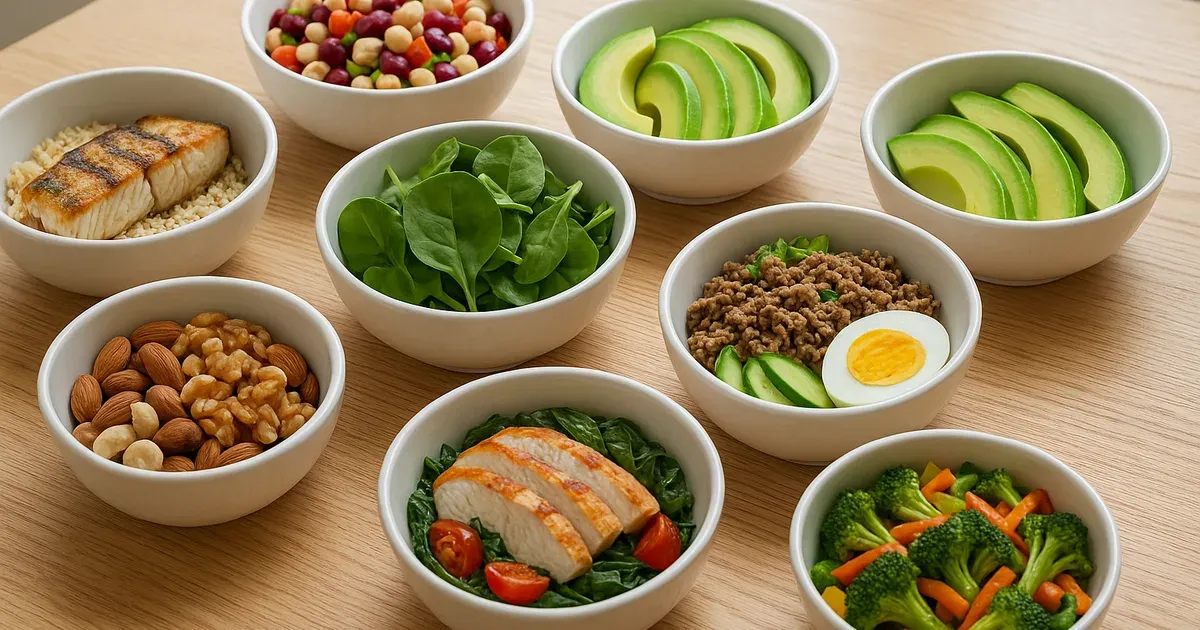
Why Having Multiple Weight Loss Meal Plans Matters
Most people do not fail at dieting because they lack willpower — they fail because the plan they chose does not fit their actual life. A parent cooking for a family of four has different needs than someone managing high cholesterol or using a GLP-1 medication. A single-template approach cannot cover that range.
The Mayo Clinic Diet's eight plans are built around that reality. Each one shares the same evidence-based DASH-aligned framework but adapts macronutrient ratios, ingredient lists, and portion sizes to serve a specific goal. You pick the closest match, follow it for a week, and switch freely if something else fits better — your progress data stays intact regardless.
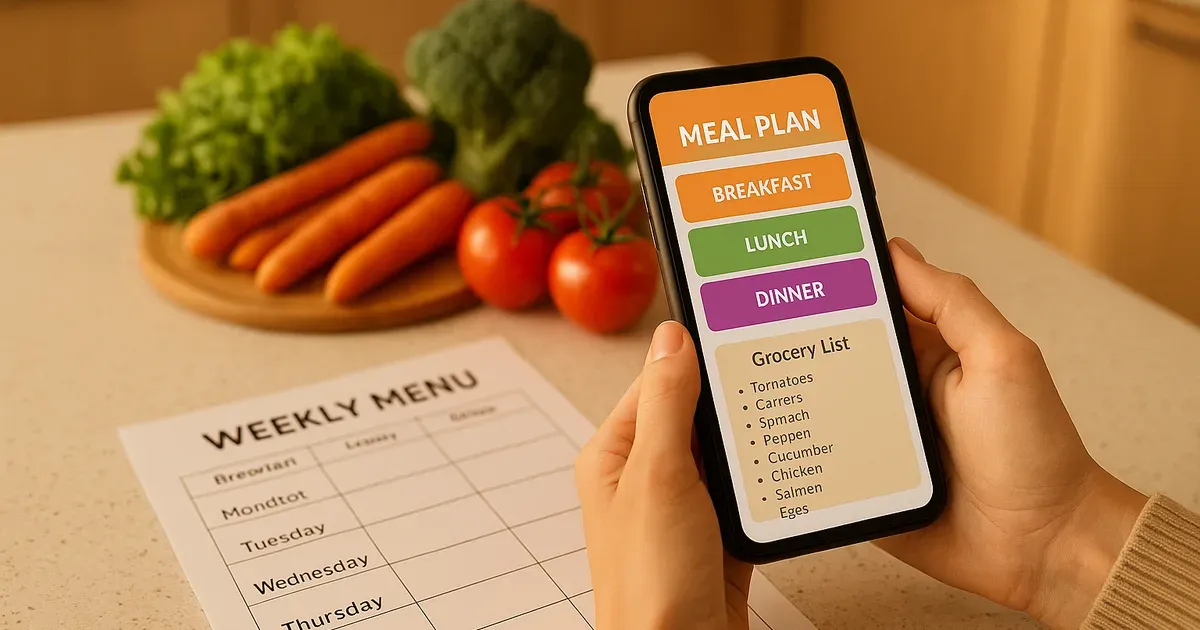
Every plan also plugs into the same digital toolset: a food and exercise tracker, auto-generated grocery lists, meal-swap functionality, and wearable sync with Apple Health and Google Fit.
The 8 Meal Plans at a Glance
Simple is the most popular plan on the platform and the right starting point for busy schedules. Meals use ready-prepped ingredients and come together in around 15 minutes. A gluten-free version is available, making it one of the most accessible weight loss meal plans in the lineup.
Heart Smart Superfoods is a new addition that upgrades the classic Mediterranean approach with a sharper anti-inflammatory lens. It is DASH-aligned and loaded with cardio-protective foods — a strong choice for anyone with cholesterol or blood-pressure concerns.
The "Original" follows the eating framework from the bestselling Mayo Clinic Diet, Third Edition book. It is the classic DASH-style plan with family-friendly dishes and also comes with a gluten-free option. Members who prefer a structured, research-backed template tend to gravitate here.
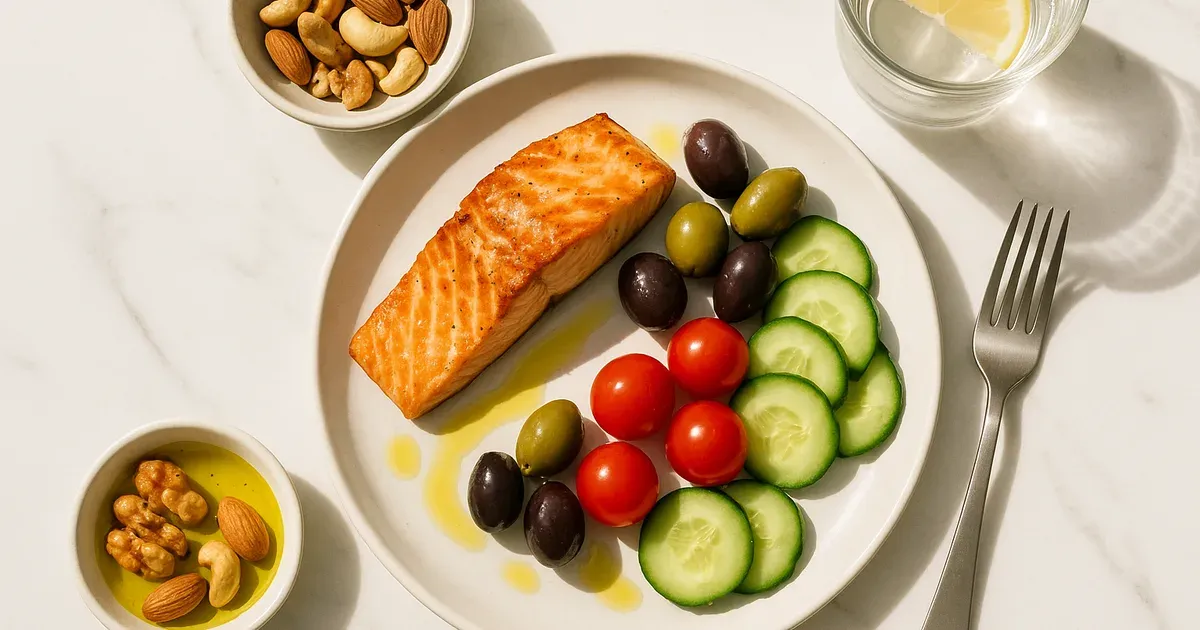
Mediterranean is a plant-forward plan built around fish, nuts, legumes, extra-virgin olive oil, and unlimited vegetables and fruits. It consistently ranks among the top choices for heart health and is available in a gluten-free format. One-pan, grill, and sheet-pan recipes keep prep straightforward.
Higher Protein distributes protein evenly across breakfast, lunch, and dinner rather than loading it at one meal. This approach is well-supported for appetite control, craving reduction, and preserving muscle during a calorie deficit — useful whether you exercise regularly or are just getting started.
Healthy Keto delivers a high-fat, low-carbohydrate structure with an emphasis on quality fats: extra-virgin olive oil, avocado, nuts, and seeds. Daily net carbs stay at approximately 50 grams. Unlike many keto templates, this plan prioritises heart-healthy fat sources over processed alternatives.
Vegetarian is a lacto-ovo plan — dairy and eggs are included — that pulls hunger-busting protein from beans, soy, eggs, and dairy. It is fully meat-free while still delivering the protein density needed to stay satisfied between meals.
Meal Plan for GLP-1s is designed specifically for members using GLP-1 receptor agonist medications such as semaglutide or tirzepatide. It is a higher-protein, lower-volume adaptation of the Simple plan, with smaller-plate recipes that account for the reduced appetite and slower gastric emptying these medications produce.
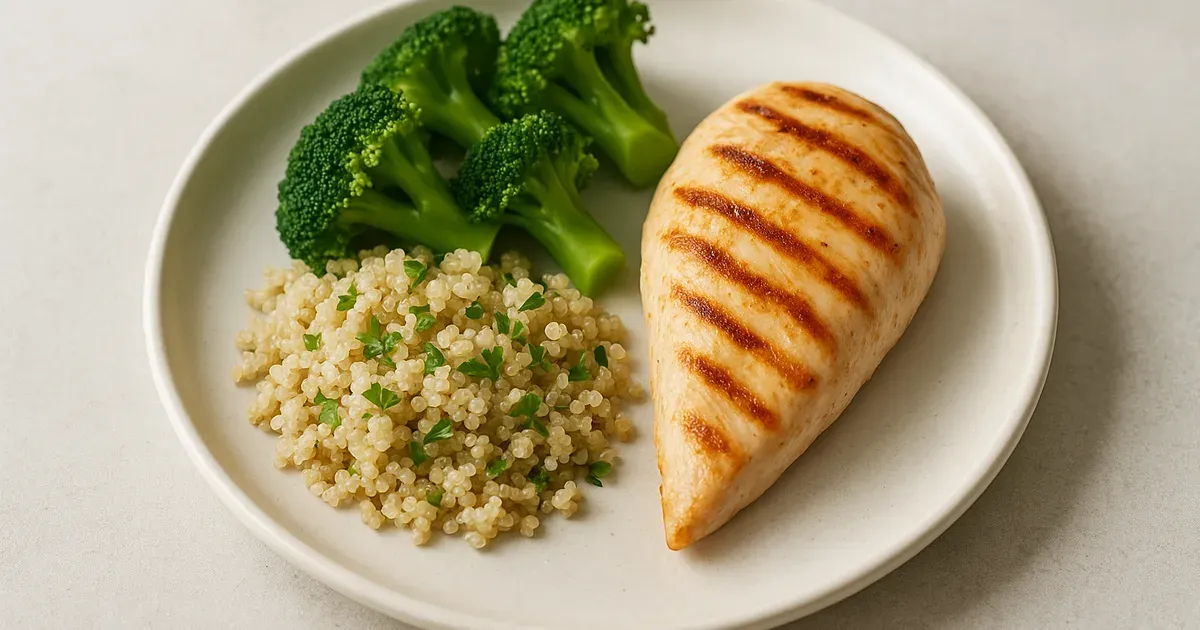
How to Choose the Right Plan for Your Goals
Start by identifying your single most important priority. The table below maps common goals to the plan most likely to serve them:
| Goal | Best starting plan |
|---|---|
| Save time, minimal cooking | Simple |
| Reduce carbohydrates | Healthy Keto |
| Improve heart health | Mediterranean or Heart Smart Superfoods |
| Lower cholesterol / blood pressure | Heart Smart Superfoods |
| Eat more plants, keep eggs and dairy | Vegetarian |
| Control appetite and cravings | Higher Protein |
| Follow the original Mayo Clinic book | The "Original" |
| Using GLP-1 medication | Meal Plan for GLP-1s |
Follow your chosen plan for a full seven days before evaluating. Monitor energy levels, hunger between meals, and whether you actually enjoy eating the food. Satisfaction matters — sustained adherence is what drives weight loss results, not short-term perfection.
Because plan switching is unlimited and does not reset your Diet Score or streak data, there is no penalty for pivoting. Many members start with Simple to get comfortable with the tools, then migrate to Mediterranean or Higher Protein once they have a feel for the platform.
Built-In Tools That Make Weight Loss Meal Plans Easier to Follow
The swap-a-meal function is the most underused feature for people managing dietary restrictions or picky eaters. Tap any scheduled meal, replace it with an alternative, and the nutrition tracker updates automatically. The grocery list refreshes at the same time, so you only buy what the new menu actually requires.
Other tools that reduce friction:
- Favorites library — mark dishes the household enjoys and pull them back into future weeks without rebuilding menus from scratch.
- Portion slider — scale any recipe up for family dinners or down for solo meals without manual calculation.
- Preview next week — view the upcoming menu early so you can batch-cook on the weekend or shop ahead.
- Printable PDF — download a clean weekly meal plan to post on the fridge or take to the grocery store without a phone.
- Food and Exercise Tracker — barcode scanning logs packaged foods instantly; all data feeds into a 100-point Diet Score that tracks daily habits across food groups, activity, and meal logging.
- Wearables sync — Apple Health and Google Fit integration pulls activity data automatically, removing manual entry for most users.
Frequently Asked Questions About Mayo Clinic Diet Meal Plans
Can I switch between weight loss meal plans without losing my progress?
Yes — plan switching is unlimited and non-destructive. The Diet Score is calculated from daily habit metrics: food group intake, activity minutes, and meal tracking. Those metrics carry over regardless of which plan you are currently following. Switching from Simple to Mediterranean, for example, does not reset your streak or wipe your scoring history.
Are any plans suitable for people with gluten intolerance?
Three plans explicitly offer a gluten-free version: Simple, The "Original", and Mediterranean. Members with coeliac disease or non-coeliac gluten sensitivity should select the gluten-free toggle within those plans rather than attempting to swap individual meals in a standard version.
How does the GLP-1 meal plan differ from the others?
It is a modified version of the Simple plan with higher protein density and smaller portion volumes. GLP-1 medications significantly reduce appetite and slow gastric emptying, which means standard portion sizes can feel overwhelming. The plan accounts for this while still meeting the protein targets needed to protect muscle mass during weight loss.
What makes the Heart Smart Superfoods plan different from Mediterranean?
Both are plant-forward and anti-inflammatory, but Heart Smart Superfoods takes the Mediterranean framework further by specifically selecting foods with documented cardio-protective properties — think fatty fish rich in omega-3s, berries, leafy greens, and foods that actively support healthy cholesterol and blood pressure levels. It also aligns with DASH guidelines, which Mediterranean alone does not guarantee.
How long should I follow one plan before expecting results?
The Mayo Clinic Diet framework targets approximately one to two pounds of weight loss per week in the active phase. Visible progress typically appears within two to four weeks when the plan is followed consistently and the Food Tracker is used daily. The Diet Score gives you a real-time read on whether your daily habits are aligned with that pace.

The Bottom Line on Weight Loss Meal Plans
Eight plans covering low-carb, plant-based, high-protein, heart-healthy, and GLP-1-adapted approaches means there is a realistic starting point for almost every dietary situation. The underlying science — DASH alignment, evidence-based macronutrient targets, anti-inflammatory food choices — is consistent across all of them.
The digital infrastructure matters as much as the food itself. Auto-refreshing grocery lists, unlimited meal swaps, wearable sync, and a habit-based scoring system remove most of the logistical friction that causes people to abandon structured eating plans. Pick the plan that matches your primary goal, use the tools built around it, and switch without penalty if your needs change.