7 Weight Loss Mistakes Destroying Your Progress
Discover 7 evidence-based weight loss mistakes sabotaging your results, from ignoring fiber to relying on exercise alone. Fix them now.


You have tried everything — the early morning runs, the calorie counting, the willpower — and the scale barely moves. Or worse, it creeps back up the moment you ease off. Most people assume they lack discipline, but the real problem is almost always a handful of specific, fixable weight loss mistakes that quietly sabotage results. These errors are more common than you think, and understanding them could be the turning point your body has been waiting for.
Research estimates that only 1 to 3 percent of people who lose weight successfully maintain that loss long-term — a sobering figure that points to systemic errors in how most people approach weight management.

1. Relying on Exercise Alone to Create a Calorie Deficit
Exercise is essential, but studies consistently show that physical activity alone produces only modest weight loss — typically 2 to 3 kg in the short term. The reason is neurochemical: your brain's hunger-regulating systems compensate for burned calories by ramping up appetite. The actionable fix is to pair your exercise routine with a structured dietary strategy rather than treating the gym as your sole tool.
2. Ignoring Fiber as a Hunger-Management Tool
Fiber is one of the most underused weight loss allies available, yet most people never think of it as a strategy. Soluble fiber forms a gel-like substance in the gut that slows digestion, blunts blood sugar spikes, and prolongs the feeling of fullness — directly counteracting the compensatory hunger that exercise can trigger. Aim for at least 25 to 38 grams of dietary fiber per day from whole foods like legumes, oats, and vegetables to keep appetite in check without adding significant calories.
3. Skipping Strength Training in Favour of Cardio Only
Cardio burns calories, but combining resistance training with aerobic exercise consistently produces better long-term results than aerobics alone. Strength training builds lean muscle mass, which raises your resting metabolic rate and cushions the drop in metabolism that typically accompanies weight loss. Add two to three resistance sessions per week to your routine and treat them as non-negotiable, not optional extras.

4. Underestimating How Much Activity Is Needed to Prevent Regain
Most people stop pushing once the weight comes off, but the research tells a different story. While 1,000 kcal of added activity per week is a reasonable starting goal, studies suggest that 2,000 to 3,000 kcal of weekly activity may be necessary to prevent weight regain over time. Mental preparation for this sustained effort should begin during the weight-loss phase itself — not after the goal is reached.
📊 Stat to know: When physical activity was combined with a reduced-calorie diet and sustained lifestyle change, participants achieved an average weight loss of 7.2 kg across 6 months to 3 years of follow-up — compared to far smaller losses from exercise or diet alone. (Blair, 1993)
5. Eating Too Little Fiber-Rich Food During a Calorie Deficit
Cutting calories often means cutting volume, and that is where low-fiber diets become a serious problem. Without adequate fiber, your gut microbiome is deprived of the fermentable substrates it needs to produce short-chain fatty acids — compounds that regulate appetite hormones like GLP-1 and PYY. Prioritising high-fiber, low-calorie-density foods such as lentils, chia seeds, broccoli, and apples lets you eat satisfying portions while maintaining a calorie deficit. Explore gut-focused nutrition resources at gutbrain.news for deeper guidance on feeding your microbiome during weight loss.

6. Treating Weight Loss as a Short-Term Event Rather Than a Lifestyle
The single biggest weight loss mistake is approaching the process with a start-and-finish mindset. Evidence from military weight-management research shows that prevention of weight regain must begin from day one — not as a temporary intervention but as a permanent shift in daily habits. Weight, body composition, activity levels, and dietary patterns all require ongoing monitoring and adjustment, not a brief burst of effort followed by a return to old patterns.
7. Neglecting the Gut-Brain Connection That Drives Overeating
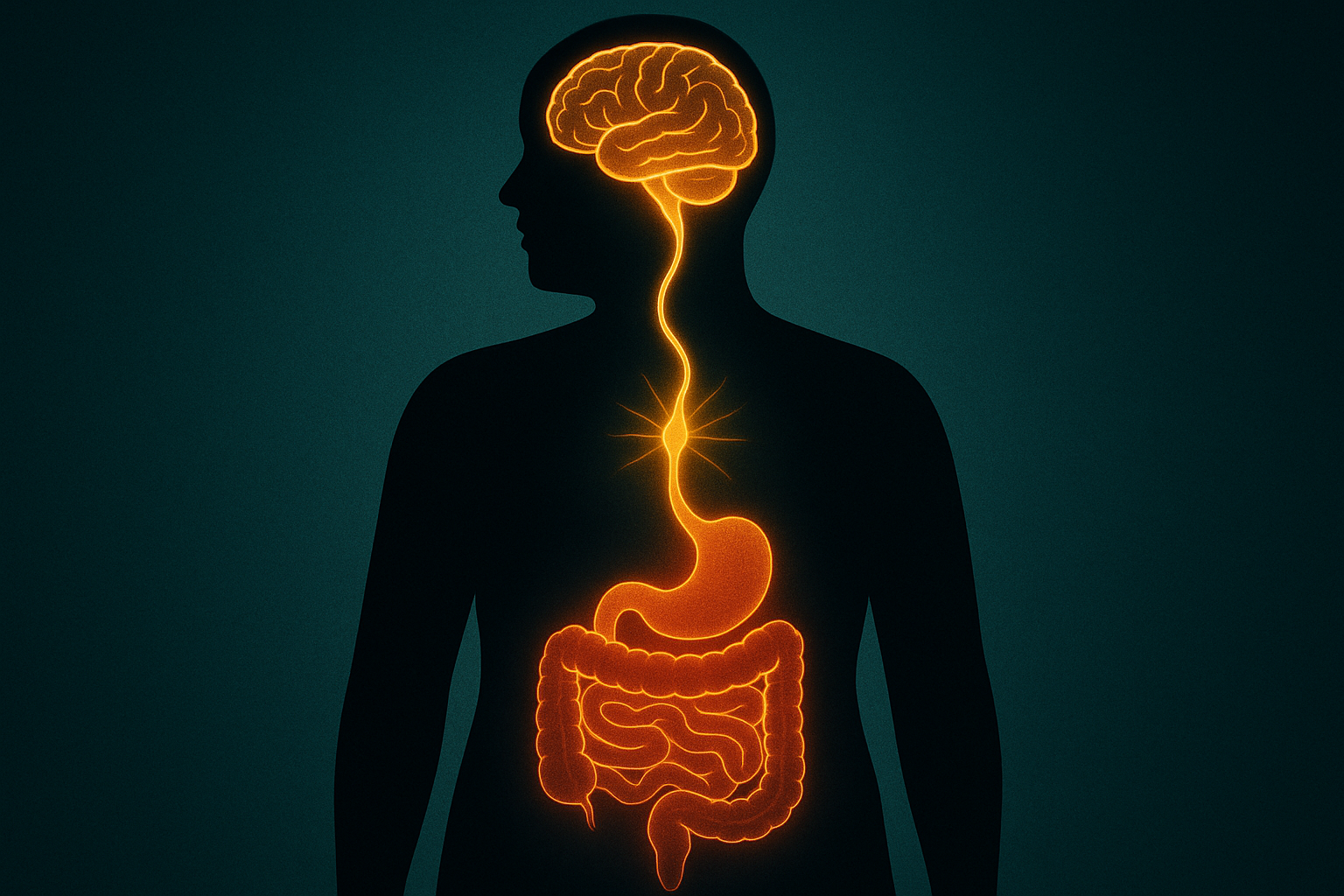
Overweight and obesity are not simply a matter of willpower or calories in versus calories out — they emerge from complex interactions between genetics, behaviour, and environment. Critically, the gut-brain axis plays a central role: gut microbes influence hunger signals, mood, and cravings in ways that can either support or undermine weight loss efforts. A fiber-rich diet feeds beneficial gut bacteria that produce appetite-regulating compounds, creating a biological environment where maintaining a healthy weight becomes measurably easier over time.
The Bottom Line
These seven weight loss mistakes share a common thread: they treat weight management as simpler than it actually is. Combining consistent physical activity with a high-fiber, nutrient-dense diet addresses both the behavioural and biological drivers of weight gain. Start by auditing your fiber intake and your weekly activity expenditure — two levers with strong evidence behind them. Small, sustained corrections consistently outperform dramatic short-term overhauls.