Weight Loss Over 40: Metabolism, Hormones & Gut Health
Weight loss over 40 is harder due to shifts in metabolism, hormones, and gut microbiome diversity. Here's what's changing and what actually works.


You're doing everything right — eating well, exercising, staying consistent — and the scale won't budge. If this sounds familiar, you're not imagining it. Weight loss over 40 genuinely becomes harder, and the reasons run deeper than willpower or calories alone.
Biological shifts in metabolism, hormones, sleep, and — critically — your gut microbiome all change how your body stores fat and responds to food. Understanding these changes isn't just reassuring; it's the foundation of a strategy that actually works.
Why Weight Loss Over 40 Feels So Different
Starting around age 30, most people lose 3–8% of their muscle mass per decade if they don't actively strength train. Less muscle means fewer calories burned at rest. By your mid-40s, you may naturally burn roughly 200 fewer calories per day than you did at 25 — even with identical eating and exercise habits.
Hormones compound the problem. Estrogen decline around menopause shifts fat storage to the midsection. Men experience a gradual drop in testosterone that reduces lean muscle and promotes fat gain. Hunger-regulating hormones — ghrelin, leptin, and GLP-1 — also become less balanced with age, making cravings harder to manage.
Lifestyle factors pile on top. Midlife typically brings more stress, disrupted sleep, and reduced daily movement. Each of these independently slows fat loss; together, they create a real headwind that no amount of "trying harder" will overcome without the right approach.
How Your Gut Microbiome Drives Weight After 40
One of the most underappreciated drivers of midlife weight gain is a shift in gut microbiome diversity. As we age, the variety of beneficial bacteria in the gut naturally declines — and this has direct metabolic consequences.
A less diverse microbiome is linked to slower metabolism, increased low-grade inflammation, and stronger cravings for processed, high-sugar foods. Conversely, people with healthier, more diverse gut bacteria tend to manage weight and blood sugar more easily. The gut is not a passive bystander in weight regulation; it's an active participant.
The gut-brain axis is the communication highway connecting your digestive system to your brain, and it plays a central role in appetite control. Gut bacteria influence the production of neurotransmitters like serotonin and GABA, as well as satiety hormones like GLP-1. When microbiome diversity drops, these signals become noisier and less reliable.
Practically, this means two people eating the same diet can have very different metabolic outcomes depending on the health of their gut. Feeding your microbiome strategically is therefore not optional for weight loss over 40 — it's essential.
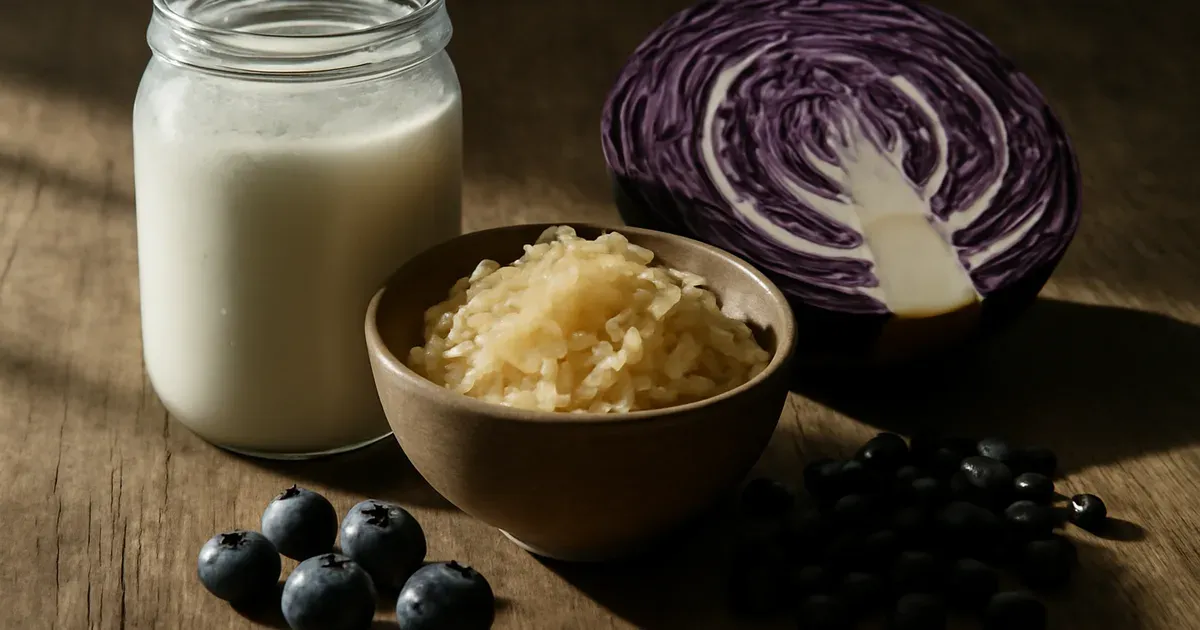
The Hormone–Gut Connection You Need to Know
GLP-1 (glucagon-like peptide-1) is one of the most important metabolic hormones you've probably never heard of. It's produced in the gut in response to eating, signals fullness to the brain, slows gastric emptying, and improves insulin sensitivity. GLP-1 medications like semaglutide work by mimicking this hormone — but your body can boost its own GLP-1 naturally.
Protein, fiber-rich foods (beans, vegetables, berries), and polyphenol-rich foods (green tea, olive oil, dark chocolate) all stimulate natural GLP-1 release. Good sleep and effective stress management amplify this effect further. Optimising your gut health is, in part, optimising your body's own appetite-regulating system.
Insulin resistance also worsens with age, making it easier to store fat — especially visceral belly fat. A disrupted gut microbiome accelerates this process by producing more lipopolysaccharides (LPS), bacterial fragments that trigger inflammation and impair insulin signalling. Supporting your gut directly supports your insulin sensitivity.
Practical Strategies That Work With Your Biology
The following strategies are designed to work with your changing metabolism and gut microbiome, not against them. Small, consistent changes add up significantly over weeks and months.
1. Prioritise protein at every meal. Aim for 25–30 grams per meal to protect lean muscle, keep metabolism strong, and support satiety. Protein also stimulates GLP-1 release, giving your natural appetite hormones a boost.
2. Strength train 2–3 times per week. Resistance training is the single most effective tool against age-related muscle loss (sarcopenia). Adults in their 70s and beyond can still build meaningful muscle and strength. A 2021 overview of 149 studies in Obesity Reviews found that combining aerobic and resistance training most effectively supports fat loss while preserving lean mass.
3. Add cardio strategically — but don't rely on it alone. Walking, cycling, swimming, and short HIIT sessions improve heart health and insulin sensitivity. Research shows cardio alone produces modest results because the body compensates by increasing hunger. Pair it with strength training for best outcomes.

4. Increase NEAT throughout your day. NEAT — non-exercise activity thermogenesis — is all the movement outside formal exercise: taking the stairs, standing during calls, light chores, stretching while watching TV. These small movements accumulate into a meaningful metabolic contribution. Aim for at least 7,000 steps daily; research links this level to better health and easier weight management.
5. Feed your gut microbiome deliberately. Eat a wide variety of plant foods — aiming for 30+ different plants per week is a research-backed target for microbiome diversity. Include fermented foods like yogurt, kefir, and sauerkraut for live probiotic bacteria. Fibre from beans, oats, and vegetables feeds the beneficial microbes that support metabolism and reduce inflammation.
6. Keep insulin steady throughout the day. Pair carbohydrates with protein or healthy fats, prioritise fibre, and stay active after meals. Even a 10-minute walk after eating measurably improves blood sugar response and supports metabolic health over 40.
7. Manage stress and protect sleep. Elevated cortisol from chronic stress shifts fat storage to the belly and increases cravings. Even 5 minutes of deep breathing or a short outdoor walk can meaningfully lower cortisol levels. Sleep is equally non-negotiable: poor sleep disrupts hunger hormones, worsens insulin resistance, and reduces microbiome diversity. Aim for 7–9 hours per night.
8. Track your food intake honestly. Hidden calories and insufficient protein are the most common reasons progress stalls when people feel they're "doing everything right." Apps like Cronometer or MyFitnessPal can reveal patterns that are easy to miss. Food tracking is consistently associated with greater weight loss outcomes in research.
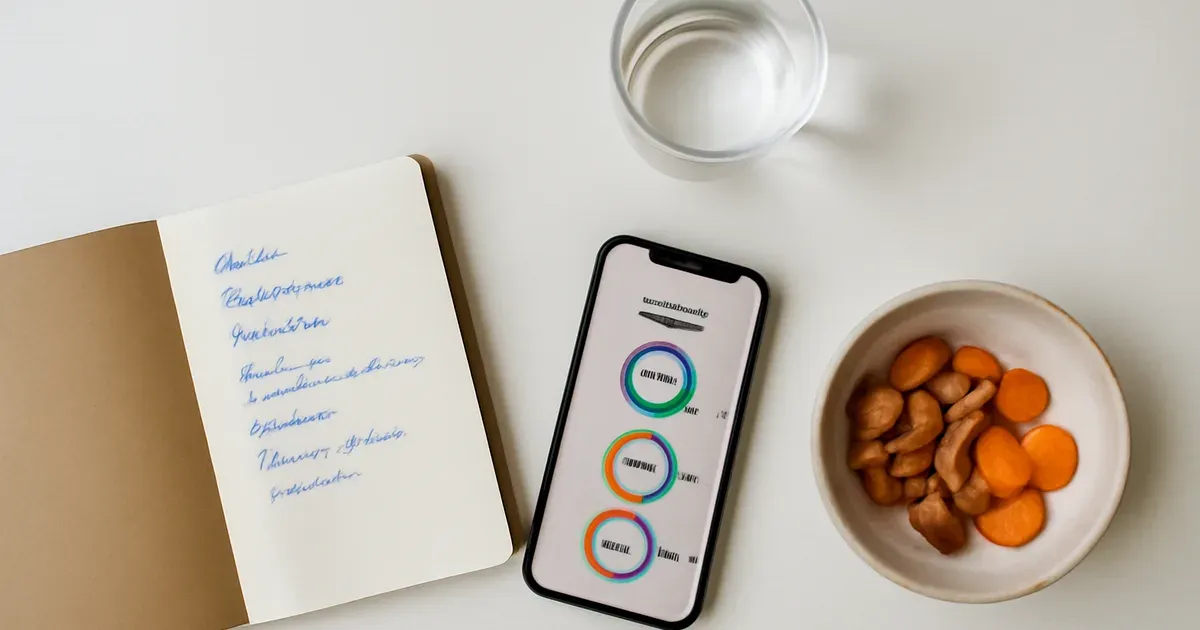
Measuring Progress Beyond the Scale
Weight on a scale is one of the least informative single measures of metabolic progress, particularly in midlife when body composition is shifting. As you build muscle and lose fat, the scale can stay flat or even rise while your health improves significantly.
More meaningful markers include: energy levels, quality of sleep, how clothes fit, body fat percentage, waist circumference, blood sugar, cholesterol, and gut symptoms. Pay attention to all of them.
Gut health improvements often show up first — reduced bloating, more regular digestion, fewer cravings for processed food — and these changes signal that your microbiome is shifting in a direction that will support sustained fat loss.
If lifestyle changes alone aren't moving the needle after consistent effort, medical options including GLP-1 medications can be appropriate and effective when combined with the nutritional and lifestyle strategies above. Seeking that support is not giving up; it's using every available tool.
The Bottom Line
Weight loss over 40 is harder — but the biology is navigable once you understand it. Slower metabolism, hormonal shifts, and a declining gut microbiome all play real roles, and all are responsive to targeted action.
Start small: add 25 grams of protein to breakfast, take a 10-minute walk after dinner, and introduce one fermented food into your daily diet this week. These steps directly address your metabolism, your hunger hormones, and your gut microbiome simultaneously.
Harder does not mean impossible. It means smarter.
Frequently Asked Questions
Why does belly fat increase so much after 40?
Belly fat increases after 40 primarily due to hormonal changes and insulin resistance. Declining estrogen in women and testosterone in men shifts fat storage to the midsection. A less diverse gut microbiome increases inflammation and impairs insulin signalling, further promoting visceral fat accumulation.
Can improving gut health actually help with weight loss over 40?
Yes — the evidence is clear that microbiome diversity supports metabolic health. A healthier gut produces more GLP-1 (a natural appetite and blood sugar regulating hormone), reduces inflammation, and improves insulin sensitivity. Eating 30+ plant varieties per week and including fermented foods are the most evidence-backed starting points.
How much protein do I actually need after 40?
Most adults over 40 benefit from 1.2–1.6 grams of protein per kilogram of body weight daily to protect muscle mass. Practically, aiming for 25–30 grams per meal distributes this evenly. This level also stimulates natural GLP-1 release and keeps hunger more stable throughout the day.
Is HIIT safe and effective for weight loss after 40?
HIIT can be very effective for improving insulin sensitivity and metabolic rate after 40, but it works best when balanced with lower-intensity activity and strength training. Joint health and recovery time should be respected — 2 sessions per week alongside walking and resistance training is a reasonable starting point for most people.
Why doesn't just doing more cardio work as well after 40?
The body adapts to cardio by compensating with increased hunger and reduced spontaneous movement, making it less effective as a standalone strategy. Research consistently shows combining resistance training with cardio produces significantly better fat loss and muscle preservation results — which is especially important as muscle mass naturally declines with age.