Weight Loss Tips Explained: Your Biggest Questions Answered
Science-backed answers to the most Googled weight loss questions — sleep, exercise, carbs, plate size, and more.

Weight loss advice is everywhere — and most of it is contradictory, overwhelming, or just plain wrong. If you've ever wondered whether you really need to give up carbs, whether sleep actually matters, or why your healthy smoothie habit might be backfiring, you're not alone. This guide cuts through the noise with science-backed answers to the weight loss questions people are actually searching for — no gimmicks, no guesswork.
Jump to Your Question
- Does sleep really affect weight loss?
- What is the best type of exercise for burning fat?
- Do healthy fats help or hurt weight loss?
- Are smoothies and juices good for losing weight?
- Does eating late at night cause weight gain?
- Should you avoid carbs to lose weight?
- Can the size of your plate affect how much you eat?
- What is mindful eating and does it work for weight loss?
Does sleep really affect weight loss?
Yes — sleep is one of the most underrated weight loss tips, and skimping on it actively works against your goals. Studies consistently link insufficient sleep to increased hunger hormones, stronger cravings for high-carb and fatty foods, and larger portion sizes throughout the day.
When you're sleep-deprived, your body produces more ghrelin (the hunger hormone) and less leptin (the fullness hormone), throwing your appetite signals off balance. You're also far less likely to exercise when you're exhausted — creating a double setback.
Aim for 7 to 8 hours of quality sleep per night. This isn't a luxury; it's a biological necessity for fat metabolism and appetite regulation. Prioritising sleep is a cornerstone of longevity health, not just a short-term weight management hack.
What is the best type of exercise for burning fat?
High-intensity interval training (HIIT) burns more fat than steady-state cardio, and the research behind it is compelling. Sprinting for 30 seconds, resting for 4–6 minutes, and repeating that cycle at least four times has been shown to outperform an hour of jogging or walking at a consistent pace.
The time savings alone make HIIT worth trying. You can perform intervals on a bike, elliptical, in the pool, or on foot — any activity where you can vary your speed and effort level.
Strength training is equally important and often overlooked:
- Builds lean muscle mass, which raises your resting metabolic rate
- Burns fat even at rest, unlike cardio which stops working the moment you stop moving
- Can be done with free weights, machines, resistance bands, or bodyweight moves like squats and planks
Add two to three strength sessions per week alongside your cardio for maximum fat-burning results.

Do healthy fats help or hurt weight loss?
Healthy unsaturated fats actually support weight loss by signalling to your brain that you're full, helping you naturally eat less. Foods like avocado, nuts, olive oil, and oily fish contain fats that curb appetite rather than trigger overeating.
The real danger lies in fat-free and low-fat products. When manufacturers remove fat, they typically replace it with sugar, refined starches, or artificial additives to restore flavour. Your body digests these refined carbohydrates rapidly, spiking blood sugar and insulin — both of which promote fat storage.
So rather than reaching for the "low-fat" label, focus on whole food sources of good fat in sensible portions. This shift in thinking — from avoiding fat to choosing the right fat — is one of the most effective and sustainable weight loss tips available.
Are smoothies and juices good for losing weight?
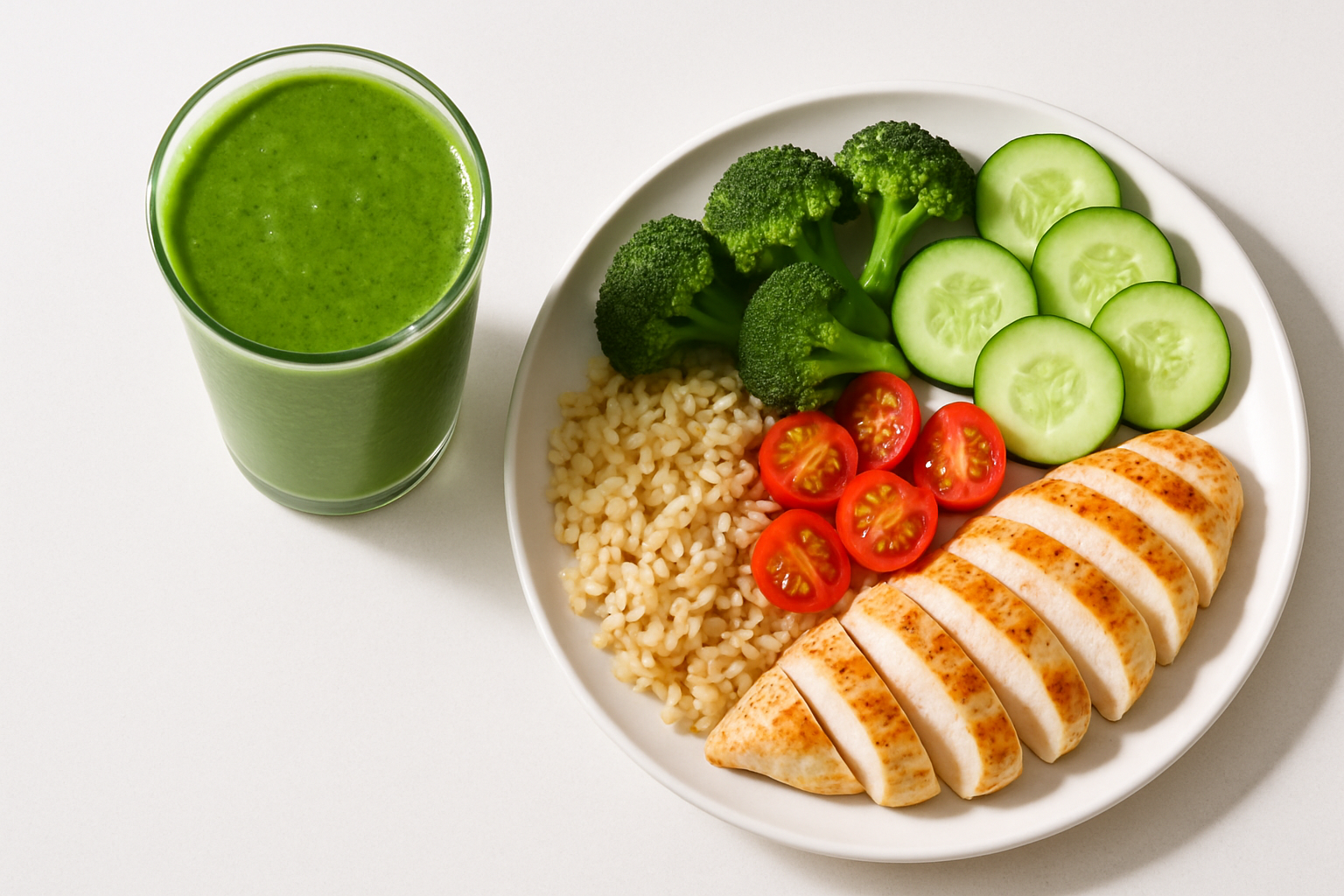
Smoothies and juices are not the weight loss allies they appear to be, despite their healthy reputation on social media. Research shows the body doesn't register liquid calories as effectively as solid food calories, meaning you can consume far more energy than you realise before feeling satisfied.
High-calorie add-ins compound the problem. Ingredients like coconut milk, almond butter, protein powders, and sweetened yogurt can push a single smoothie well past 500 calories — often without keeping you full for long.
Liquid vs. Solid Foods for Weight Loss
| Factor | Solid Foods | Smoothies / Juices |
|---|---|---|
| Satiety | High | Low to moderate |
| Calorie awareness | Easier to track | Easy to underestimate |
| Chewing time | Slows eating pace | None |
| Blood sugar impact | Steadier | Can spike rapidly |
Choose whole foods that require a fork or spoon whenever possible. If you do drink smoothies, keep portions small and avoid calorie-dense add-ins.
Does eating late at night cause weight gain?
Eating late at night is strongly associated with weight gain, and a Northwestern University study puts a precise number on it. People who stop eating earlier in the evening consume nearly 250 fewer calories per day on average than those who eat late — a difference that can add up to roughly 2 pounds of weight gain per month.
Late-night eating patterns also tend to skew towards poor food choices. Research shows that night-time snackers gravitate toward high-calorie options like soda and processed snacks, and eat fewer fruits and vegetables compared to earlier eaters.
If you genuinely need a pre-bed snack, keep it under 100 calories and choose options with protein or fibre to avoid blood sugar spikes. Setting a consistent kitchen cut-off time each evening is one of the simplest, most effective weight loss tips to implement immediately.
Should you avoid carbs to lose weight?
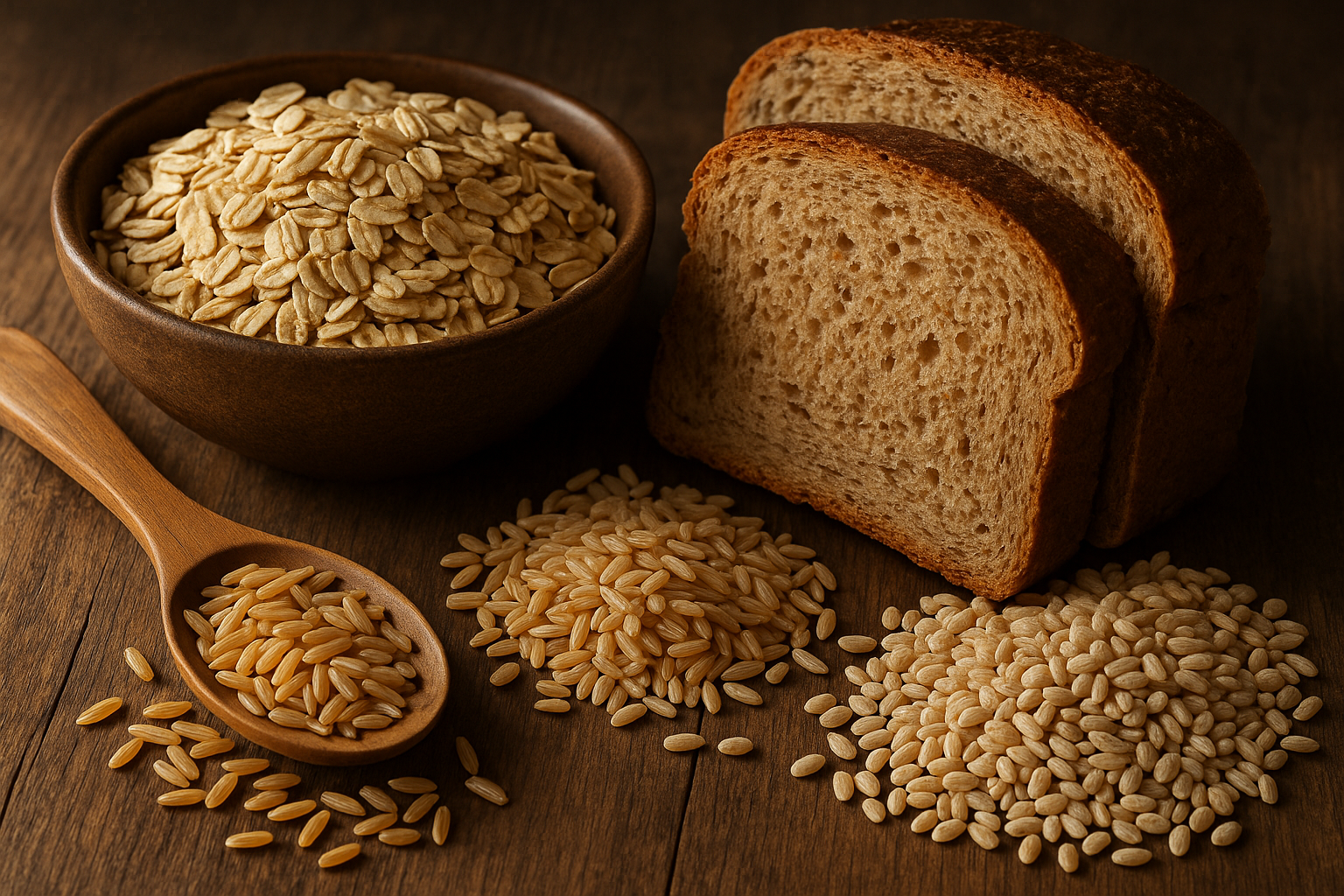
You do not need to eliminate carbohydrates to lose weight — but the quality of the carbs you choose matters enormously. Whole grains score lower on the glycaemic index, meaning they raise blood sugar more slowly and help you feel fuller for longer.
Complex carbohydrates are your best option. Think whole-wheat bread, oats, barley, and brown rice rather than white bread, white pasta, or sugary breakfast cereals. Research has confirmed that whole grains help manage hunger and can prevent weight gain in both men and women.
Refined carbs, by contrast, digest rapidly and cause the blood sugar spikes that trigger hunger and fat storage. Swapping refined grains for whole grain alternatives is a simple, evidence-based change that supports both weight management and broader longevity health goals.
Can the size of your plate affect how much you eat?
Plate size directly influences how much you eat and how much you think you've eaten, according to research from Cornell University's Food and Brand Lab. People who ate from larger cereal bowls consumed 16% more cereal than those using smaller bowls — yet believed they had eaten 7% less.
This perceptual illusion works in reverse too. A smaller plate makes a standard portion look more generous, helping your brain register satisfaction with less food.
Practical steps to use this effect:
- Switch dinner plates to versions approximately 9 inches wide
- Use smaller bowls for cereals, soups, and snacks
- Serve food in the kitchen rather than bringing large serving dishes to the table
This is one of the easiest environmental weight loss tips — no willpower required, just a smaller plate.
What is mindful eating and does it work for weight loss?
Mindful eating is the practice of paying full attention to your food and eating experience, and research shows it helps people make healthier choices and consume fewer calories without rigid dieting. It works by reconnecting you with your body's natural hunger and fullness signals.
You don't need to meditate for hours to eat mindfully. A few straightforward habits make a significant difference:
- Notice the smell, colour, texture, and flavour of each bite
- Turn off screens — eating while watching TV consistently leads to overeating
- Pace yourself — aim for at least 20 minutes per meal to give fullness signals time to register
- Try eating with your non-dominant hand or with chopsticks to naturally slow down
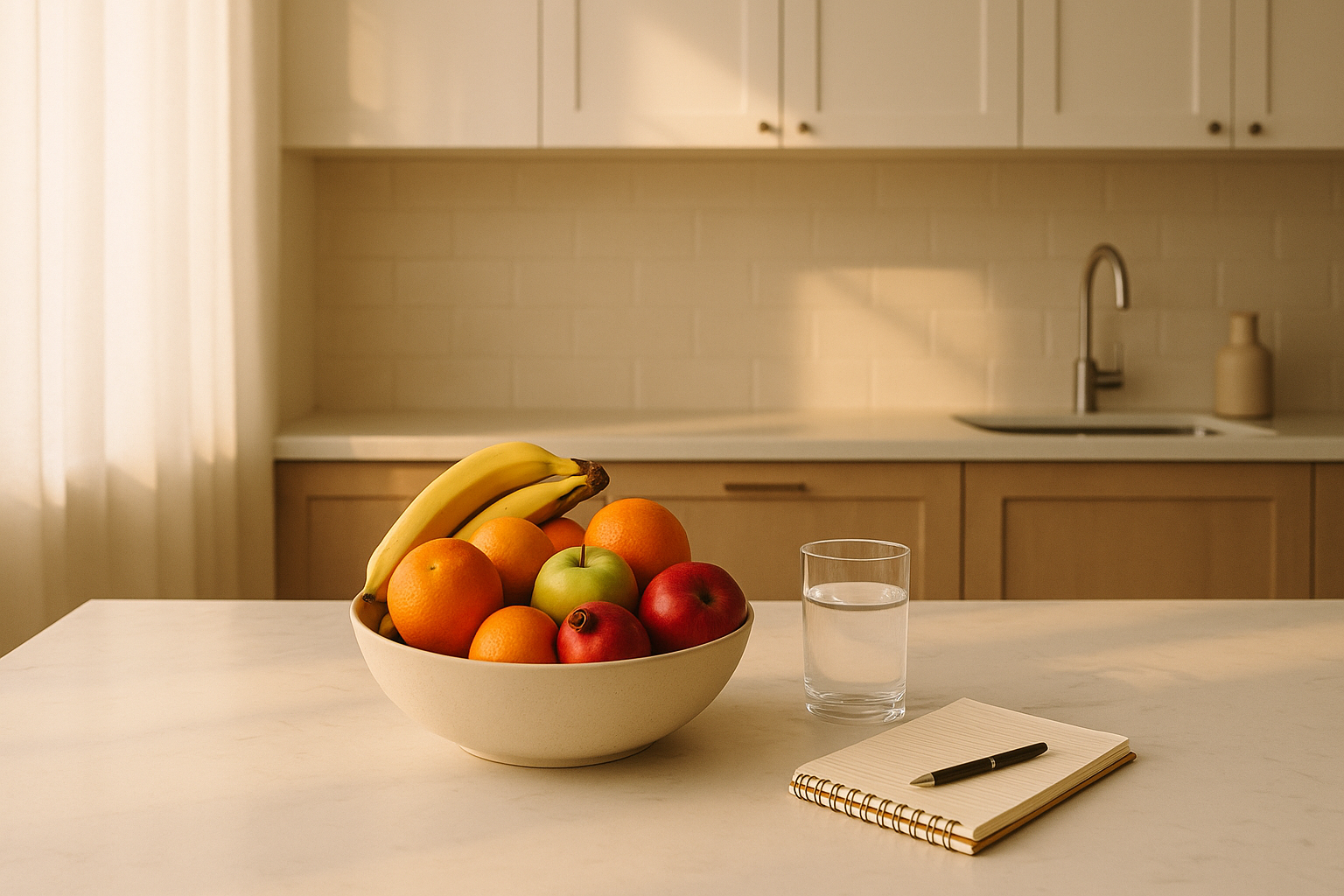
The counter and environment also play a role. Cornell research found that women who keep a fresh fruit bowl visible weigh an average of 13 pounds less than those who don't. Keeping healthy options in sight and treats out of view is a passive but powerful form of mindful environmental design.
Bottom Line
Key takeaways from the science of weight loss:Sleep 7–8 hours per night — insufficient sleep increases hunger hormones and undermines every other effortChoose HIIT over long slow cardio, and add 2–3 strength sessions per week to boost your resting metabolismDon't fear healthy fats — they curb appetite; fat-free products often replace fat with sugarLiquid calories don't satisfy — whole foods that require chewing keep you fuller for longerSmall environmental shifts — plate size, food placement, and eating pace — create lasting change with minimal willpower